Soups
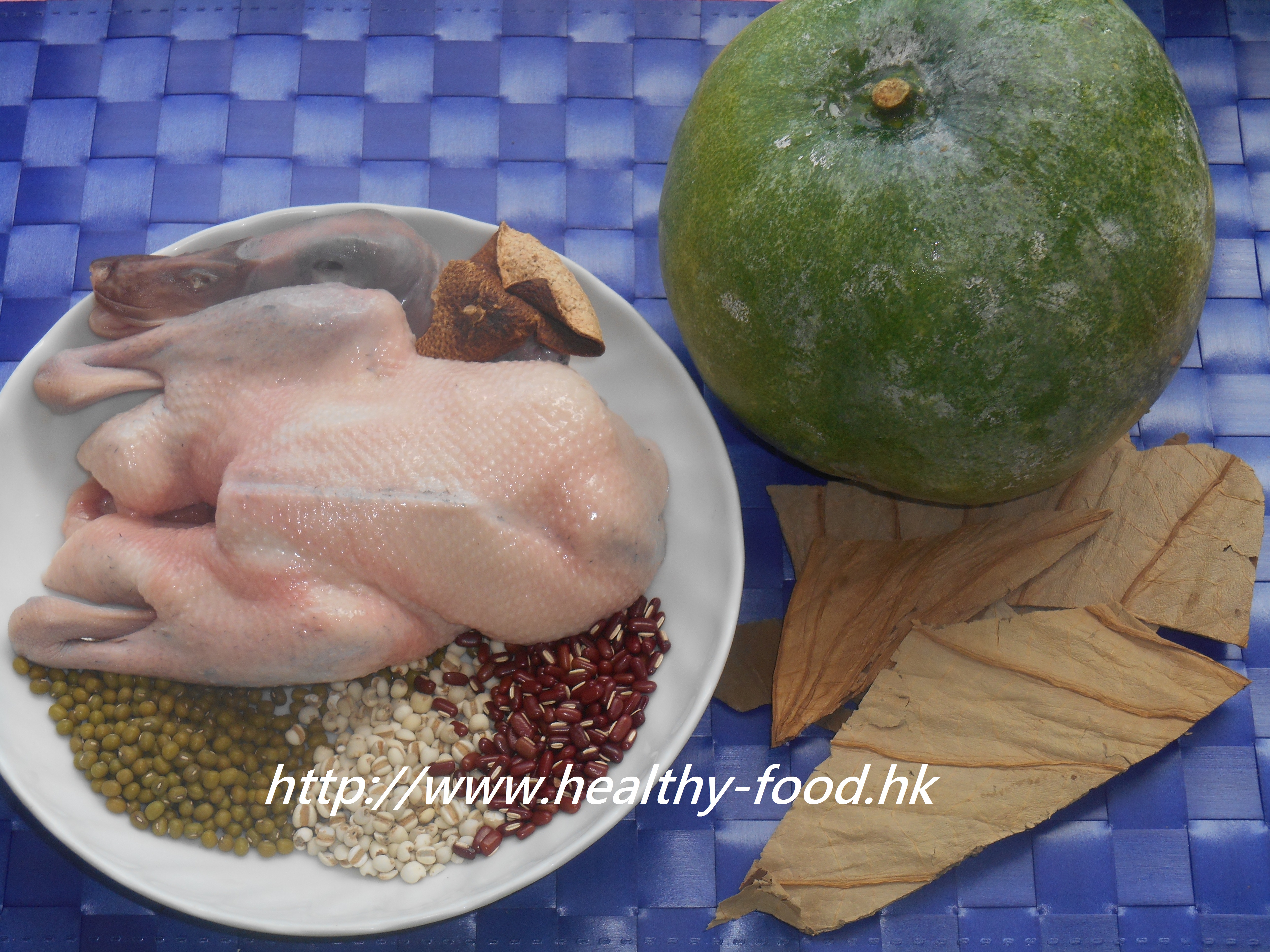
Winter Melon, Lotus Leaf and Duck Soup with Three Beans
Traditionally used to clear summer heat, reduce dampness, relieve fatigue, and support comfort during hot weather
In short: Winter Melon, Lotus Leaf and Duck Soup with Three Beans is a soup that Traditionally used to clear summer heat, reduce dampness, relieve fatigue, and support comfort during hot weather. It is most often made for cooling & summer heat, energy & vitality, everyday balance. Total time about 2 hr 3 min. Key ingredients: winter melon, lotus leaf, red adzuki beans, mung beans.
Why people make this soup
The Major Heat period (da shu) in the traditional Chinese calendar — falling around late July — marks the most intense and draining stretch of the summer. Nourilo made this soup the day before Da Shu, not as a remedy for existing illness but as a deliberate act of seasonal care. The logic is straightforward: when heat and humidity are at their peak, the body’s ability to regulate temperature and process fluid is under maximum pressure. Before the body breaks down, give it support. Muscovy duck is lean, cooling, and deeply nourishing in a way that regular chicken is not — it is a traditional choice specifically for hot-weather soups. Combined with three of the most reliable heat-clearing ingredients in the Cantonese pantry — winter melon, mung beans and adzuki beans — and lotus leaf to tie everything together with its aromatic, heat-dispersing quality, this soup is a comprehensive summer wellness meal in a single pot.
Method
- Blanch the duck pieces in boiling water for 2–3 minutes; discard the blanching water.
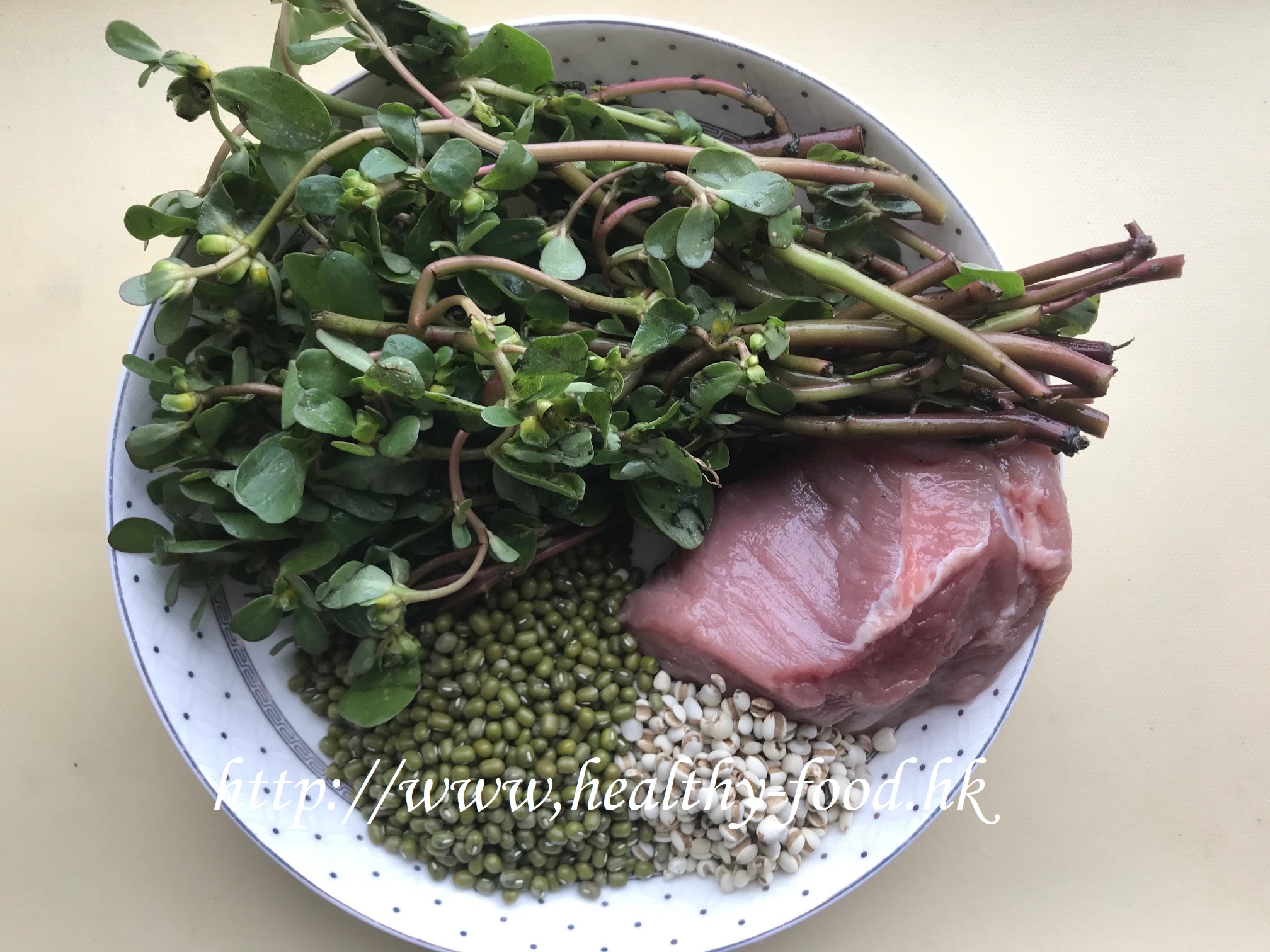
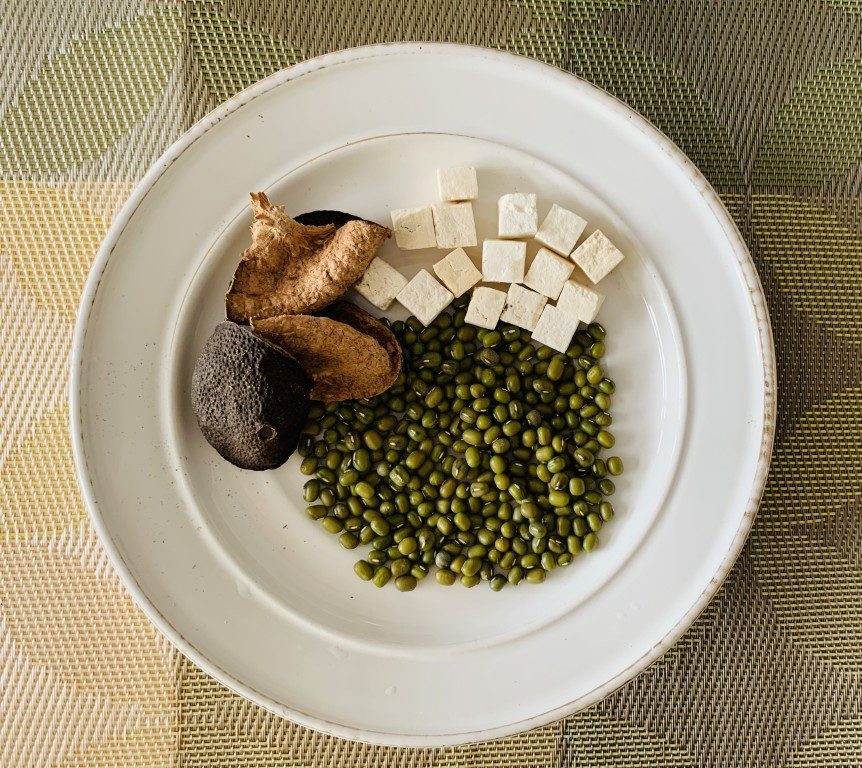
- Rinse and soak the adzuki beans, mung beans, coix seeds, and tangerine peel.
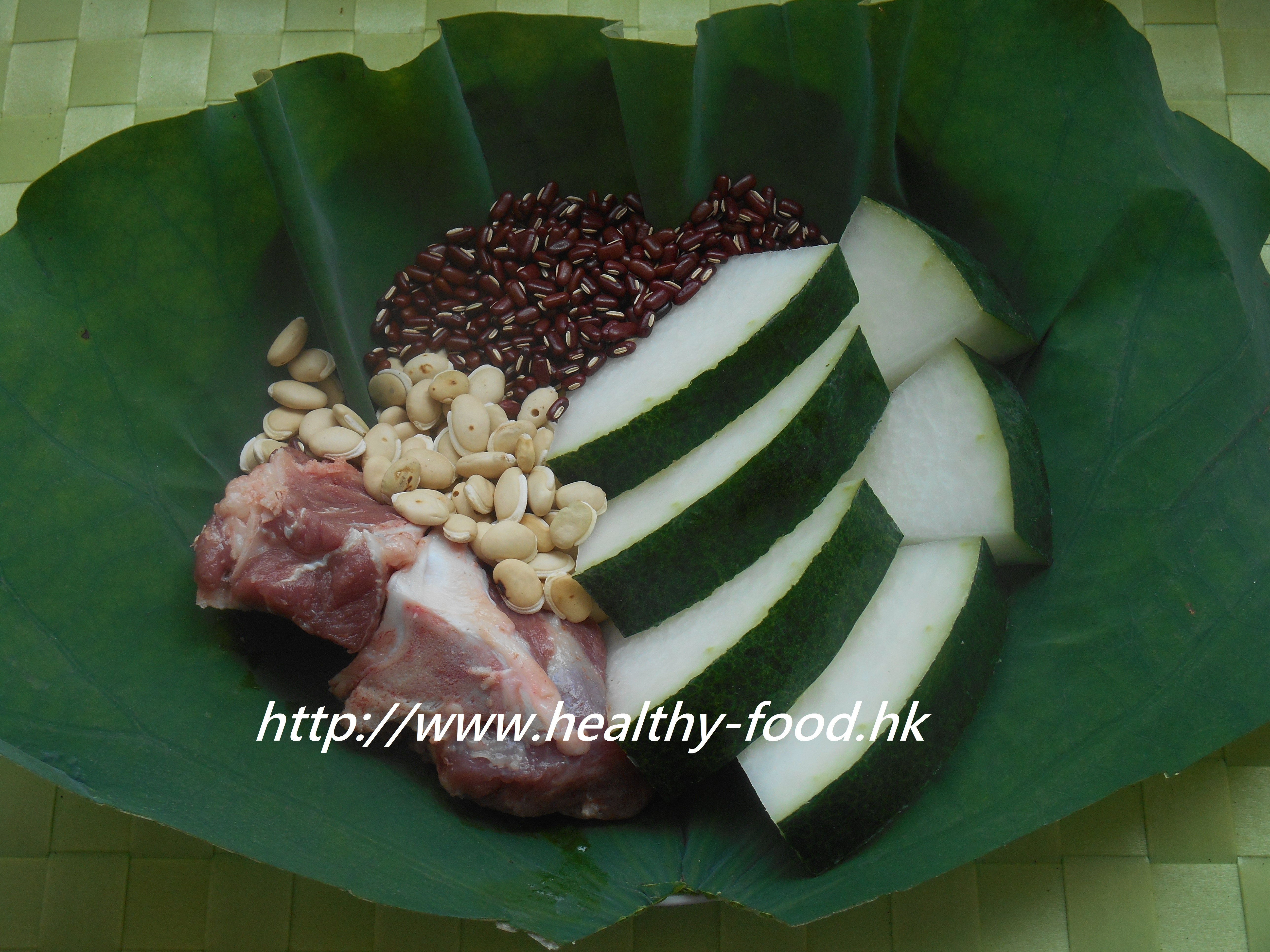
- Wash and deseed the winter melon; cut into large chunks with skin on.
- Rinse the lotus leaf.
- Place the duck, winter melon, adzuki beans, mung beans, coix seeds and tangerine peel into a large pot with 3 L of cold water.
- Bring to a boil, then reduce heat and simmer for 1.5 hours.
- Add the fresh lotus leaf (or pre-soaked dried lotus leaf) and simmer for a final 8 minutes.
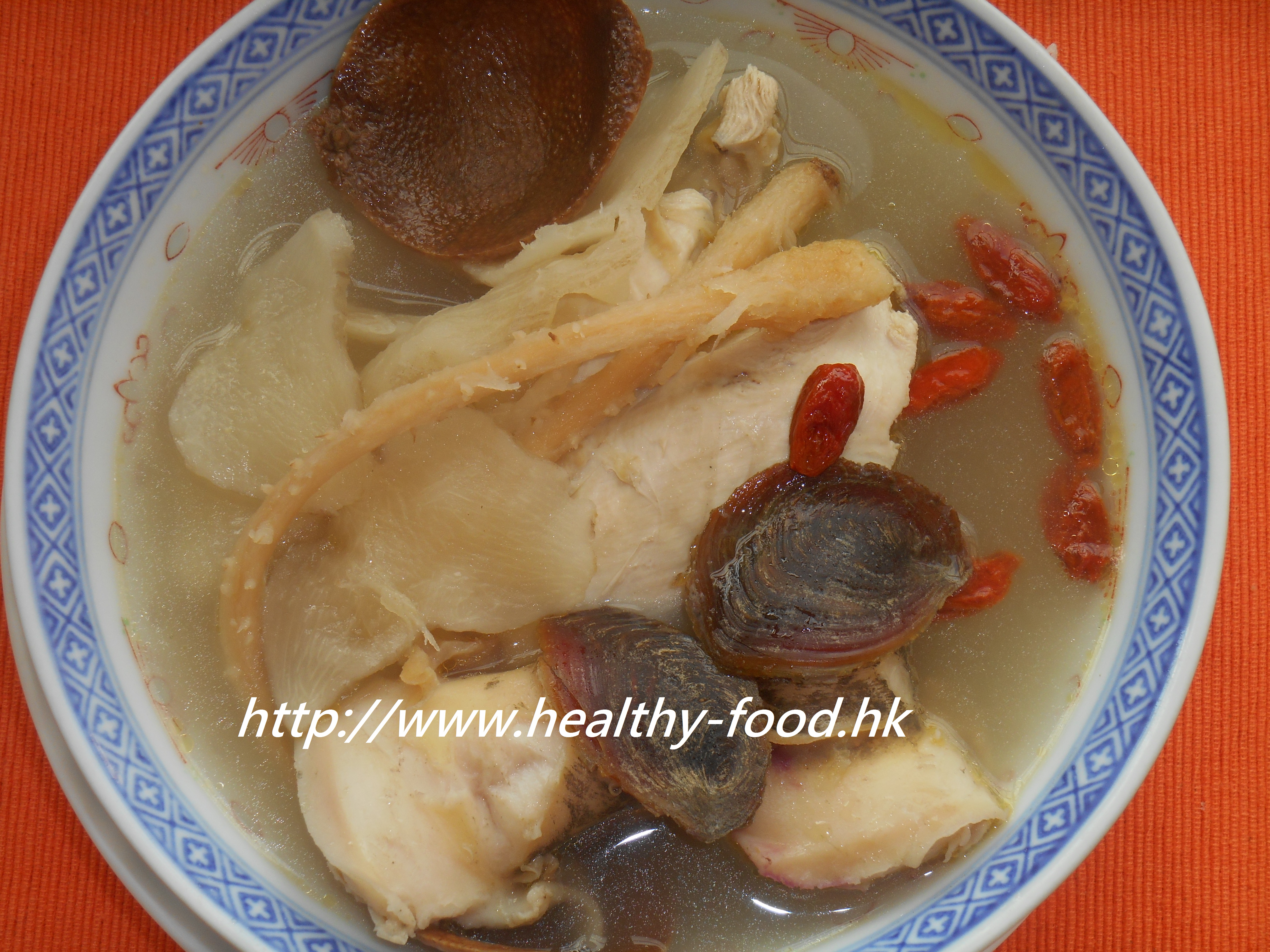
- Serve. The solid ingredients are nutritious — eat them along with the broth.
Nourilo’s Tips
This is a whole-family seasonal summer soup. Because winter melon and the other ingredients are naturally filling, make a larger pot so each family member can have two bowls across the day. Winter melon can be increased generously — it softens nicely and absorbs all the flavours of the broth. If you cannot find Muscovy duck, regular duck, silkie chicken, clams or dried oysters all make good substitutes with similar yin-nourishing properties. If you prefer the duck skin off, that is fine, but Muscovy duck has relatively little subcutaneous fat so it is not essential to remove it.
What studies say about the key ingredients
Traditional use is not the same as clinical proof. Here is the strongest human research we found for each ingredient, limitations included.
- Adzuki beans
Adzuki bean meals had a low glycemic index (21–51 range reported with lotus seed), whereas other starchy foods did not differ significantly from rice. Adzuki bean hydrolysis index was lower than other test foods.Limitation: Only ten healthy participants and acute single-meal responses, so effects in people with diabetes or with regular intake are unknown.PubMed 30875961 · 1 more adzuki beans study - Mung beans
Breath hydrogen and methane were higher after wheat than after rice or mung bean noodles. Bloating scores after mung bean did not differ significantly from wheat, and mung bean produced gas levels similar to rice.Limitation: Small sample of 20 patients, with single meals tested rather than habitual intake, so longer-term effects of mung bean on symptoms are unknown.PubMed 31484315 · 1 more mung beans study - Job's tears (coix)
Myeloperoxidase activity rose significantly in the placebo group after 8 weeks but showed no significant change in the adlay tea group. Vascular endothelial function improved in the adlay group, especially in those over 40.Limitation: Participants were healthy adults and the outcomes were surrogate markers, so the results say little about clinical disease outcomes. Tea is a polyphenol-rich extract, not whole grain.PubMed 38945894 · 2 more job's tears (coix) studies
From the Nourilo Research Library. Findings come from specific doses, extracts and populations and may not apply to a home-cooked recipe.
Safety first — read before you cook
This is a traditional food, not a treatment. Please check with your doctor or pharmacist before making it a regular part of your diet if you:
- are pregnant or breastfeeding, or are cooking for a young child;
- take regular medicines — especially blood thinners, blood-pressure, diabetes or immune-suppressing drugs;
- have a kidney, liver or heart condition, or a known food allergy.
Stop eating it and seek advice if you notice an allergic reaction or feel unwell. Safety notes reviewed 8 October 2026 · How we write safety notes


Comments
Join the conversation — sign in or create a free account to comment.
Continue with GoogleBy continuing with Google or email you confirm you are 16 or older and agree to our Terms of Use and Privacy Policy.
Loading comments…