Soups
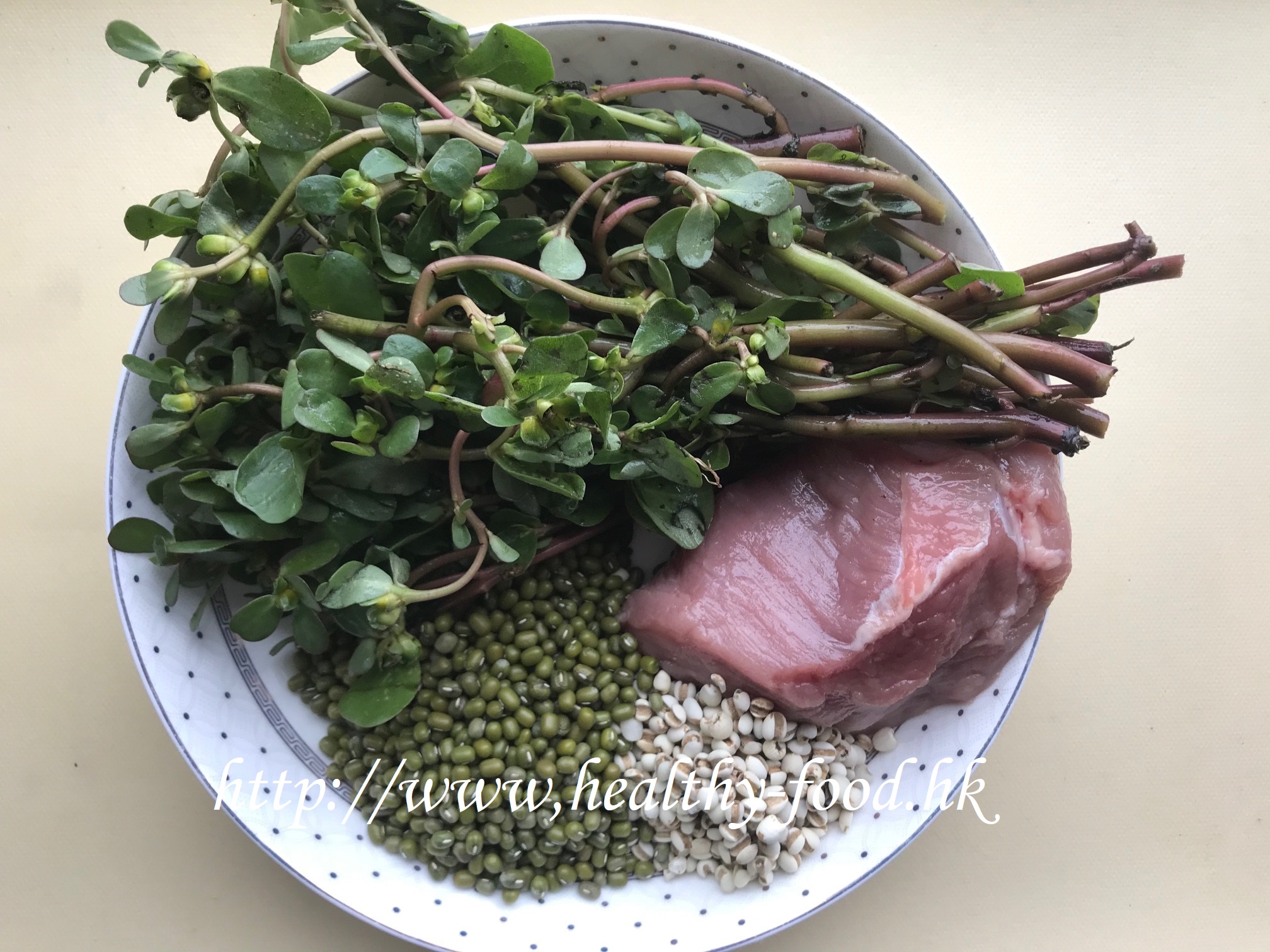
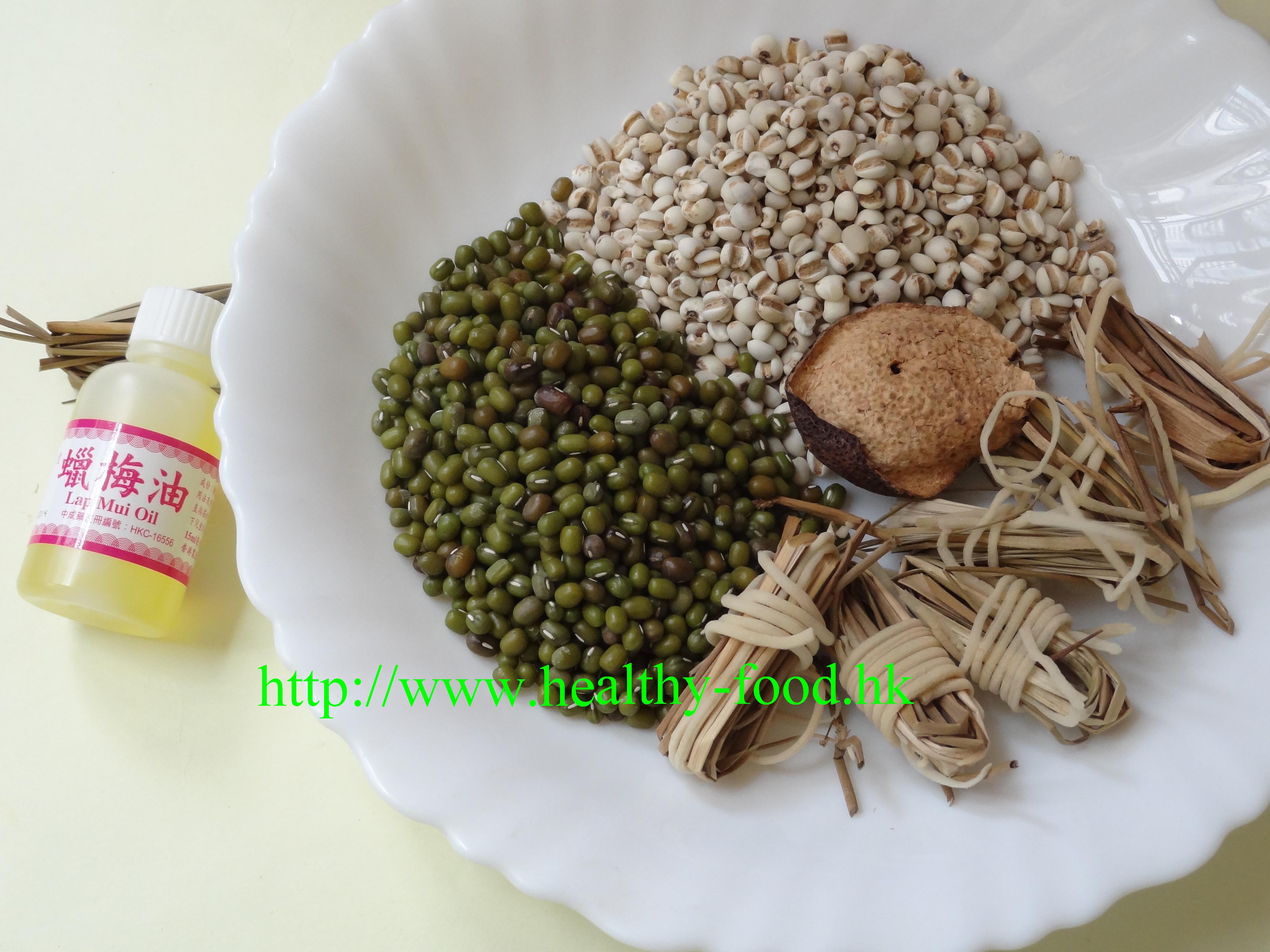
Purslane, Mung Bean, Pearl Barley and Lean Pork Soup
traditionally used to clear heat-toxins, support recovery from shingles, and reduce the risk of post-herpetic neuralgia
In short: Purslane, Mung Bean, Pearl Barley and Lean Pork Soup is a soup that traditionally used to clear heat-toxins, support recovery from shingles, and reduce the risk of post-herpetic neuralgia. It is most often made for cooling & summer heat, skin & natural beauty, energy & vitality. Total time about 1 hr 15 min. Key ingredients: purslane, mung beans, job's tears (coix), lean pork.
Why people make this soup
Shingles (herpes zoster) is caused by the reactivation of the chickenpox virus, which can lie dormant in nerve tissue for decades. The illness typically begins with a painful rash on one side of the body, and the most feared complication is post-herpetic neuralgia — a burning, stabbing nerve pain that can persist for months after the rash has healed. The sooner treatment begins, the lower the risk of this lasting pain.
In Chinese food therapy, fresh purslane (ma chi xian) is one of the most highly regarded natural “clearing” herbs — sometimes described as having properties analogous to an antibiotic, in that it is traditionally associated with clearing bacterial and viral heat-toxins from the body. Mung beans and raw pearl barley add further clearing and cooling action. This soup is Nourilo’s own experience: he developed mild shingles after his second vaccination and prepared this soup for himself during recovery — sharing it here as a practical resource for others.
Method
- Remove the roots from the purslane, wash thoroughly, and cut into sections. Set aside — it will be added partway through cooking.
- Soak and rinse the mung beans and raw pearl barley.
- Slice the pork and blanch in boiling water for 1–2 minutes; drain and rinse.
- Place the mung beans, pearl barley, and pork in a pot with 2.1 L of water. Bring to a boil, then reduce to a simmer and cook for 30 minutes.
- Add the purslane sections and continue cooking for another 30 minutes.
- Serve warm, eating the solid ingredients along with the broth.
Nourilo’s Tips
This soup has a clean, mildly cooling flavour — pleasant and not overly medicinal. It is also traditionally considered helpful for supporting urinary comfort and healthy skin. The key ingredient is fresh purslane, which is the most potent form; it can be found at Chinese or Asian grocers, herbal stalls, or online. Dried purslane (38 g) is an acceptable substitute if fresh is not available. Keep the diet light and avoid “trigger” foods (fa wu) such as shellfish, goose, bamboo shoots, and mango while recovering from shingles, as these are traditionally thought to aggravate inflammation.
What studies say about the key ingredients
Traditional use is not the same as clinical proof. Here is the strongest human research we found for each ingredient, limitations included.
- Mung beans
Breath hydrogen and methane were higher after wheat than after rice or mung bean noodles. Bloating scores after mung bean did not differ significantly from wheat, and mung bean produced gas levels similar to rice.Limitation: Small sample of 20 patients, with single meals tested rather than habitual intake, so longer-term effects of mung bean on symptoms are unknown.PubMed 31484315 · 1 more mung beans study - Job's tears (coix)
Myeloperoxidase activity rose significantly in the placebo group after 8 weeks but showed no significant change in the adlay tea group. Vascular endothelial function improved in the adlay group, especially in those over 40.Limitation: Participants were healthy adults and the outcomes were surrogate markers, so the results say little about clinical disease outcomes. Tea is a polyphenol-rich extract, not whole grain.PubMed 38945894 · 2 more job's tears (coix) studies
From the Nourilo Research Library. Findings come from specific doses, extracts and populations and may not apply to a home-cooked recipe.
Safety first — read before you cook
This is a traditional food, not a treatment. Please check with your doctor or pharmacist before making it a regular part of your diet if you:
- are pregnant or breastfeeding, or are cooking for a young child;
- take regular medicines — especially blood thinners, blood-pressure, diabetes or immune-suppressing drugs;
- have a kidney, liver or heart condition, or a known food allergy.
Stop eating it and seek advice if you notice an allergic reaction or feel unwell. Safety notes reviewed 8 October 2026 · How we write safety notes

Comments
Join the conversation — sign in or create a free account to comment.
Continue with GoogleBy continuing with Google or email you confirm you are 16 or older and agree to our Terms of Use and Privacy Policy.
Loading comments…