Soups
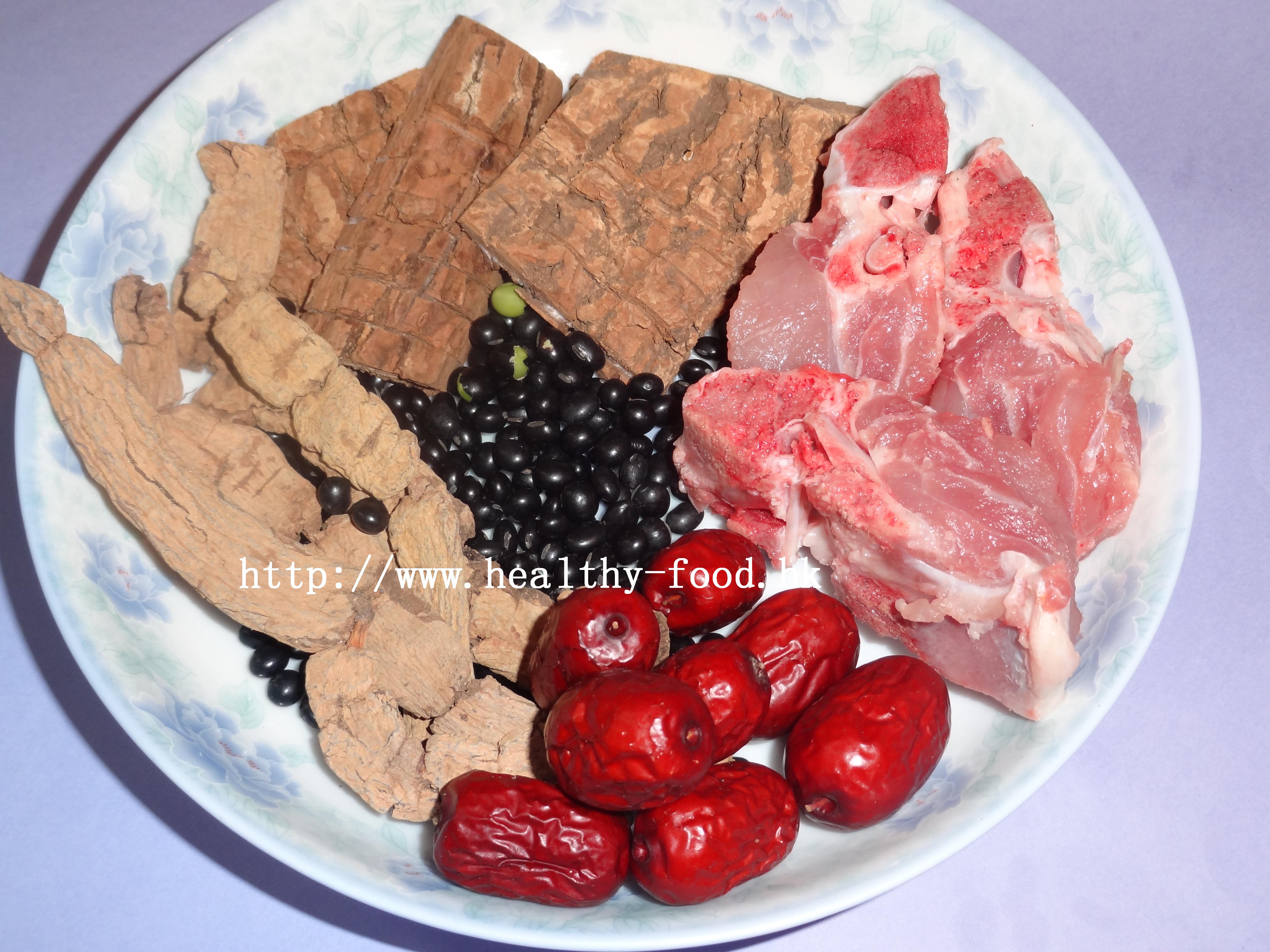
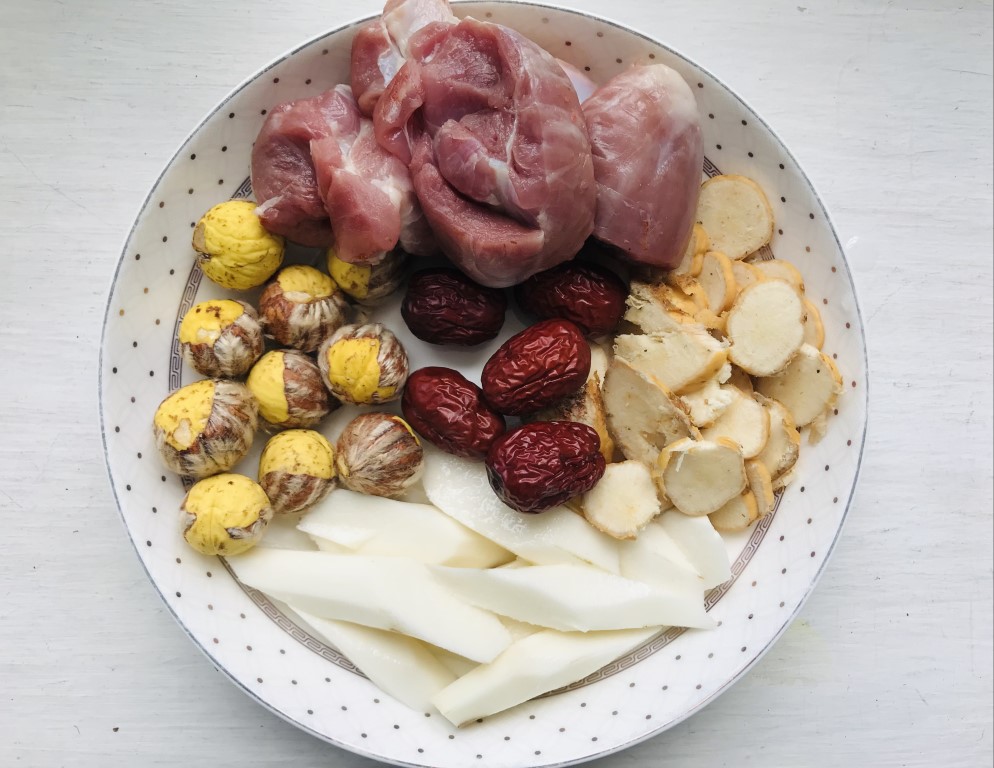
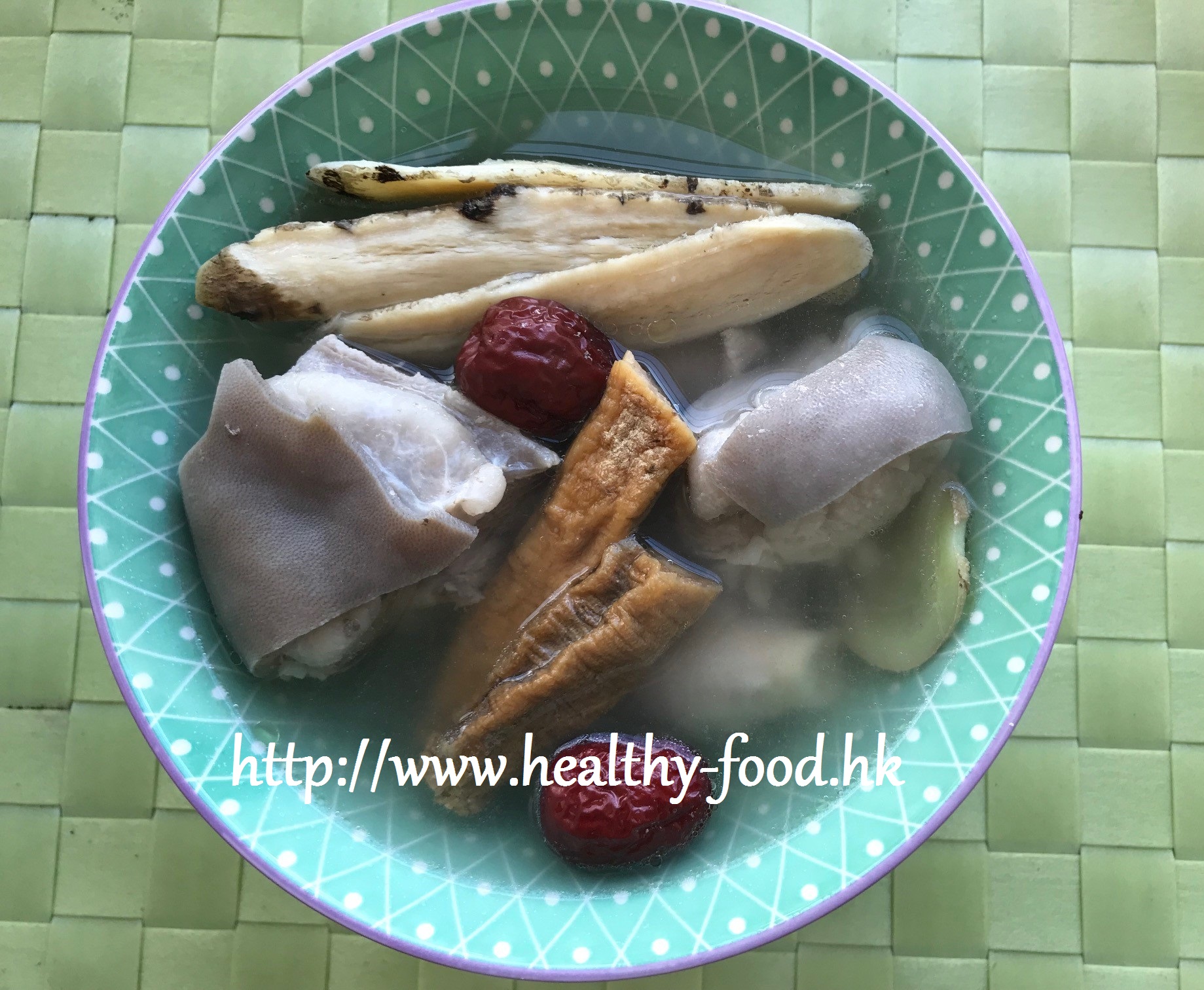
Morinda, Eucommia, Black Bean and Pork Bone Soup
traditionally used to strengthen kidney yang, nourish the lower back, and warm cold, aching limbs
In short: Morinda, Eucommia, Black Bean and Pork Bone Soup is a soup that traditionally used to strengthen kidney yang, nourish the lower back, and warm cold, aching limbs. It is most often made for respiratory & lung wellness, women's wellness, children's wellness. Total time about 3 hr 15 min. Key ingredients: morinda root, eucommia bark, red dates.
Why people make this soup
On cold, foggy days and during humid spells, many middle-aged and older people notice their lower back and knees becoming noticeably more troublesome — stiff in the morning, aching when the weather turns, and weak when climbing stairs. Chinese food-therapy attributes this pattern to the gradual decline of kidney qi and liver yin that comes with age: the kidney governs bone, and the liver governs tendon, so when both are insufficiently nourished, the sinews and bones lose their resilience. This hearty soup combines two of the most respected kidney-yang-tonifying herbs in Cantonese tradition — morinda root and eucommia bark — with black soybeans for additional kidney support, and pork tail bone, which is rich in collagen and marrow, for a deeply nourishing broth. It is warming, strengthening, and genuinely delicious.
Method
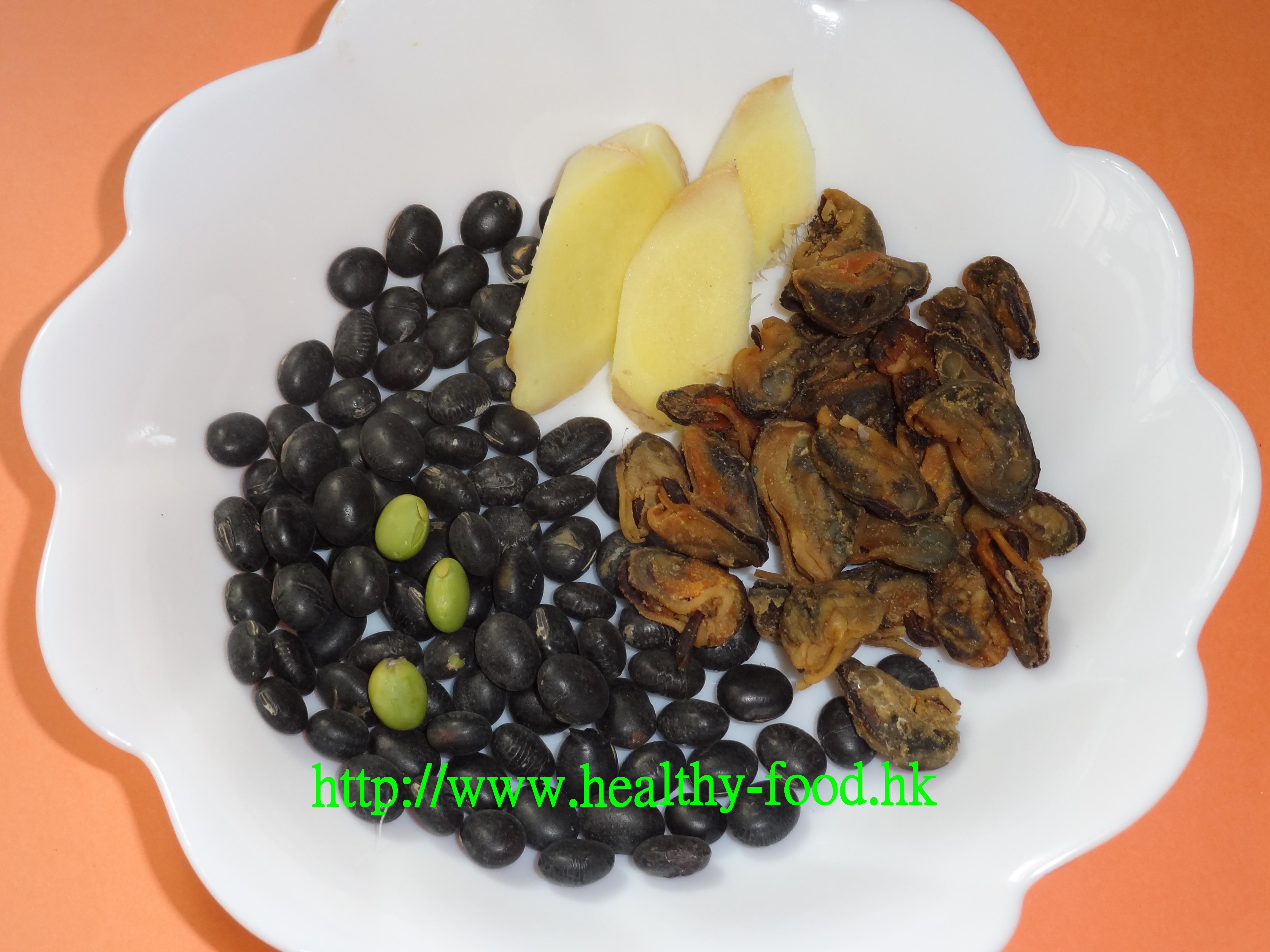
- Dry-fry the black soybeans in a dry pan (no oil) over medium heat until the skins begin to split and they smell fragrant. Set aside.
- Blanch the pork tail bone in boiling water for 2–3 minutes; drain and rinse off any grey foam.
- Soak and rinse the morinda root, eucommia bark, and red dates.
- Combine all ingredients in a large pot with 2.4 L of water.
- Bring to a boil, then reduce to a low simmer and cook for 3 hours until 1.2 L remain.
- Serve warm; eat some of the pork and black soybeans along with the broth for the full effect.
Nourilo’s Tips
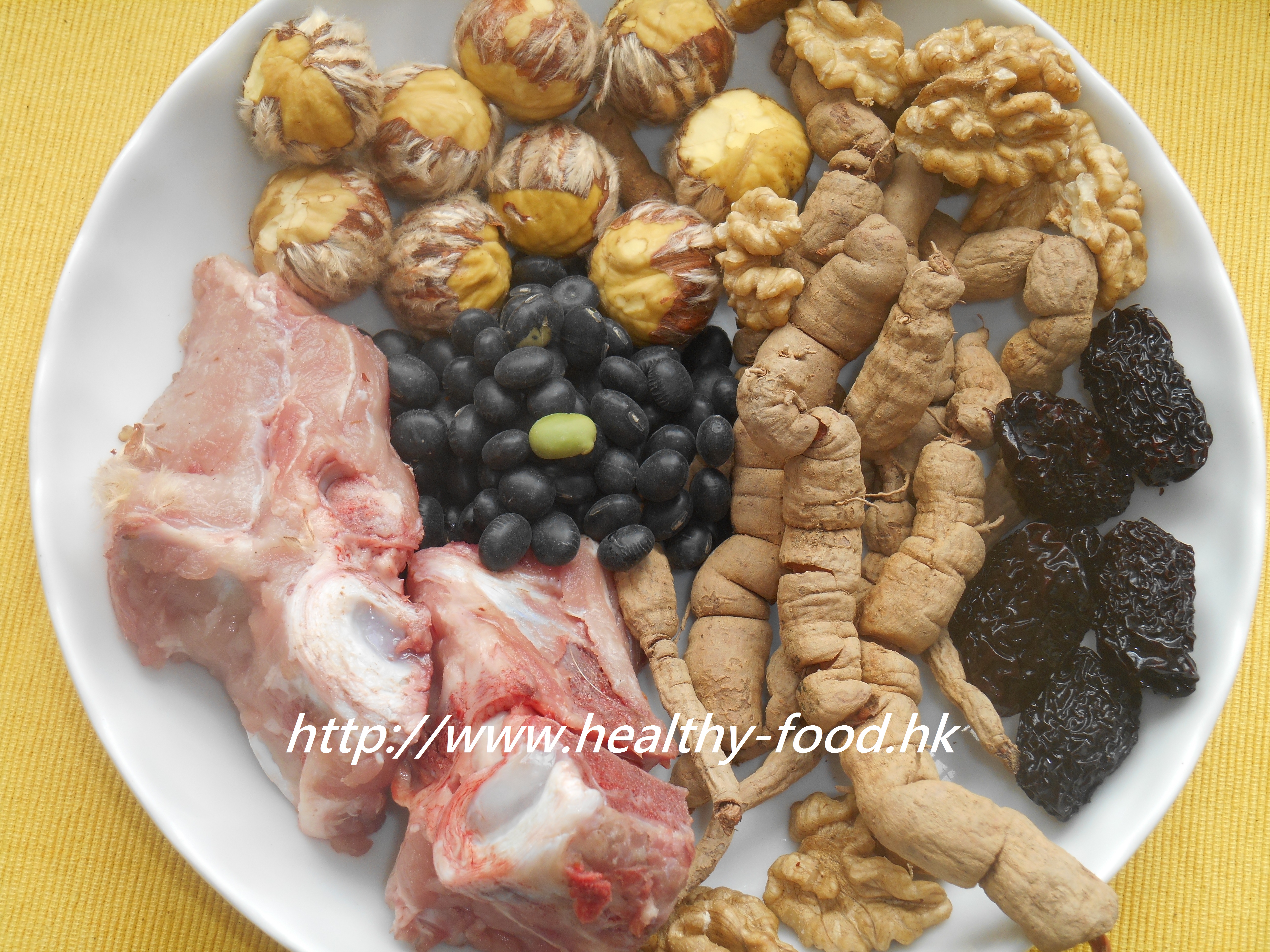
This soup is suitable for the whole family, and it is also well suited to women before or after childbirth who experience lower back pain or cold-type blood deficiency. On cold, foggy days it is particularly comforting. If you cannot find morinda root (ba ji tian), you can substitute chestnuts (6–7 pieces) for a milder version that the whole family can enjoy without concern about the warming nature. If you feel slightly upper-heat symptoms (sore throat, dry mouth) after drinking, adding some polygonatum or ophiopogon next time will moderate the soup. Avoid drinking strong tea for an hour or two around the time you drink this soup, as tannins can reduce the absorption of the tonic herbs.
What studies say about the key ingredients
Traditional use is not the same as clinical proof. Here is the strongest human research we found for each ingredient, limitations included.
- Black soybeans
Systolic blood pressure fell more in the black soy peptide group (-9.69 mm Hg) than in the placebo group (-2.91 mm Hg) after baseline adjustment. Plasma malondialdehyde decreased and superoxide dismutase activity increased compared with placebo.Limitation: Used an isolated peptide supplement rather than whole black soybeans, and followed participants for only 8 weeks, so the results may not apply to food intake.PubMed 23924691 - Red dates
Jujube was associated with significantly lower BMI and triglycerides, and lower fasting blood sugar in people with type 2 diabetes. LDL and total cholesterol fell only in some subgroups. HDL, AST and ALT did not change significantly.Limitation: The authors state the overall quality of the evidence is limited, and results varied significantly by dose, treatment duration and disease type.PubMed 40399274 · 3 more red dates studies
From the Nourilo Research Library. Findings come from specific doses, extracts and populations and may not apply to a home-cooked recipe.
Safety first — read before you cook
This is a traditional food, not a treatment. Please check with your doctor or pharmacist before making it a regular part of your diet if you:
- are pregnant or breastfeeding, or are cooking for a young child;
- take regular medicines — especially blood thinners, blood-pressure, diabetes or immune-suppressing drugs;
- have a kidney, liver or heart condition, or a known food allergy.
Stop eating it and seek advice if you notice an allergic reaction or feel unwell. Safety notes reviewed 8 October 2026 · How we write safety notes
Comments
Join the conversation — sign in or create a free account to comment.
Continue with GoogleBy continuing with Google or email you confirm you are 16 or older and agree to our Terms of Use and Privacy Policy.
Loading comments…