Herbal & Flower Teas
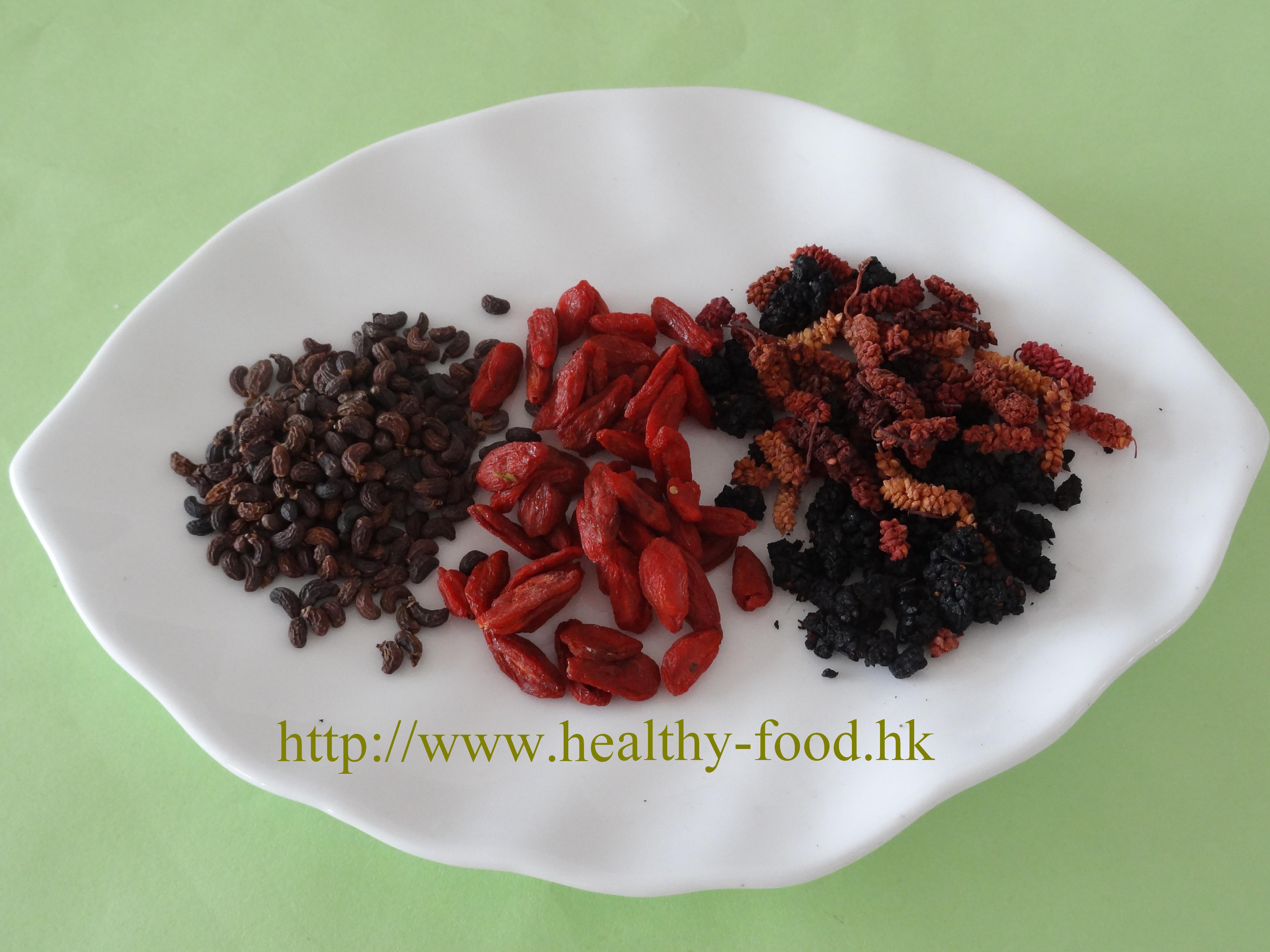
Three-Seed Liver Tea (San Zi Yang Gan Tang)
Traditionally used to nourish liver blood, support vision, and ease dizziness
In short: Three-Seed Liver Tea (San Zi Yang Gan Tang) is a herbal & flower tea that Traditionally used to nourish liver blood, support vision, and ease dizziness. It is most often made for liver wellness, kidney & urinary wellness, blood nourishment. Total time about 25 min. Key ingredients: mulberries, goji berries, schisandra berries, rock sugar.
Why people make this tea
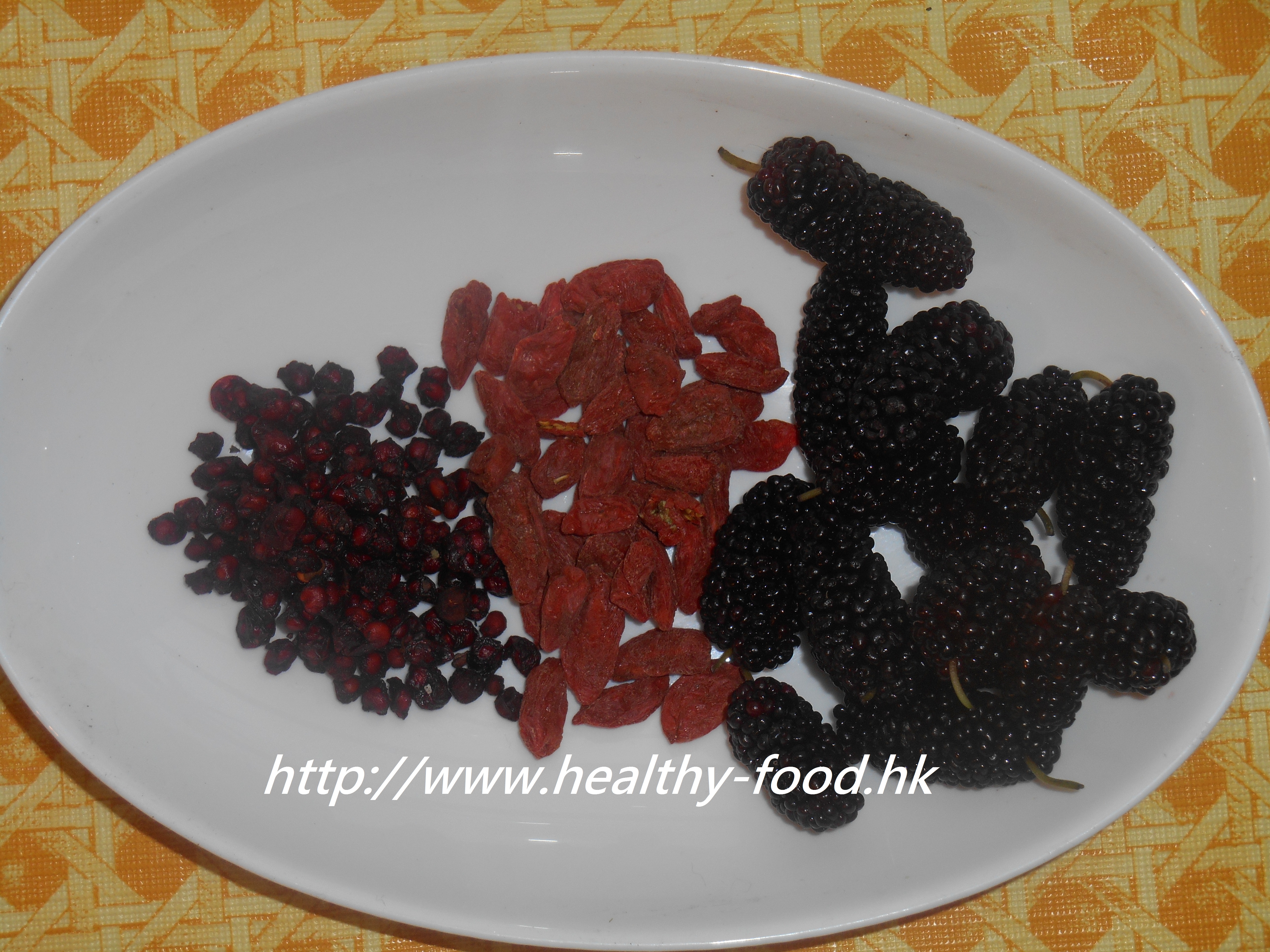
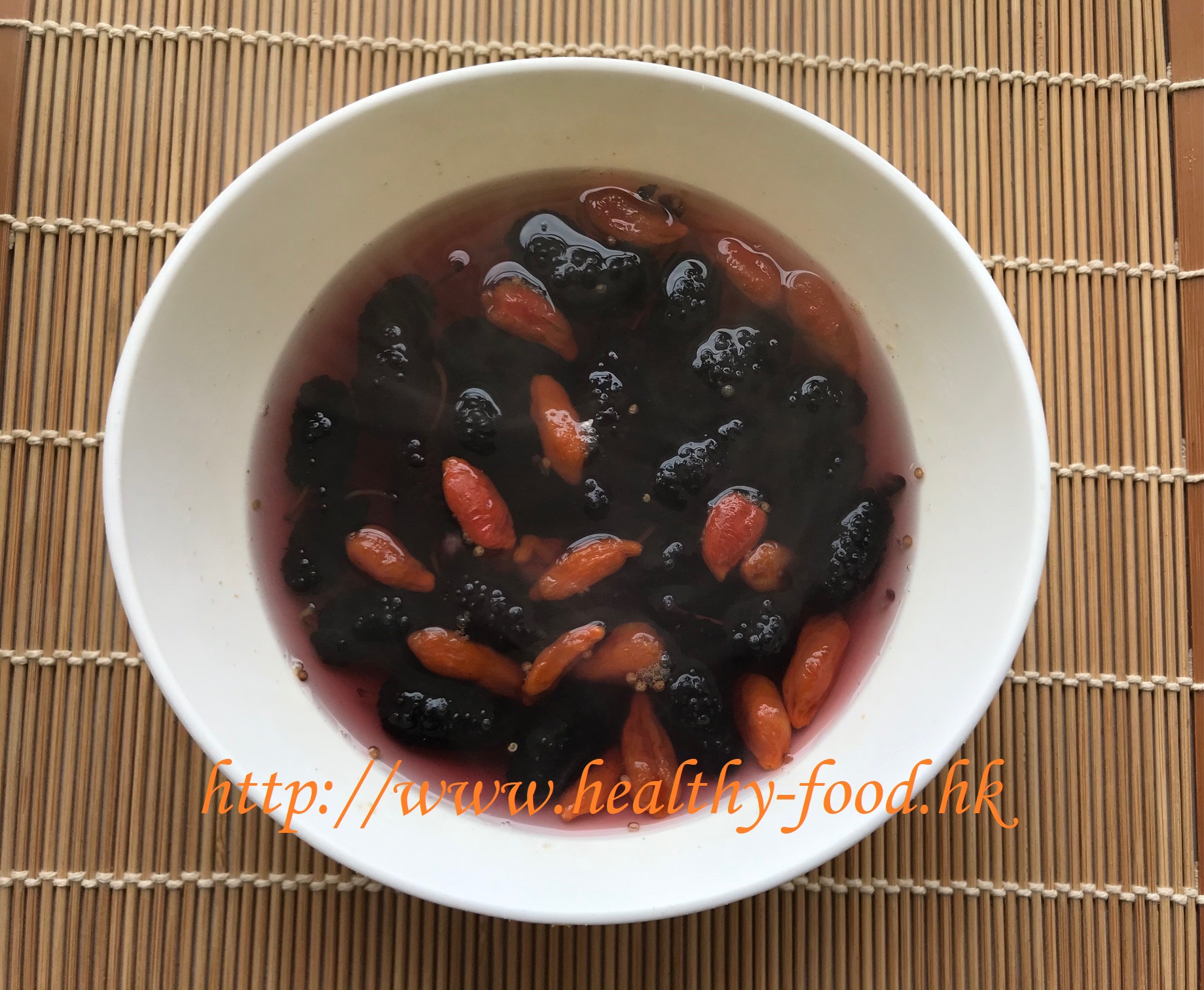
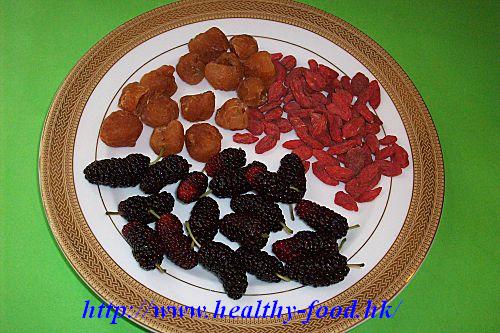
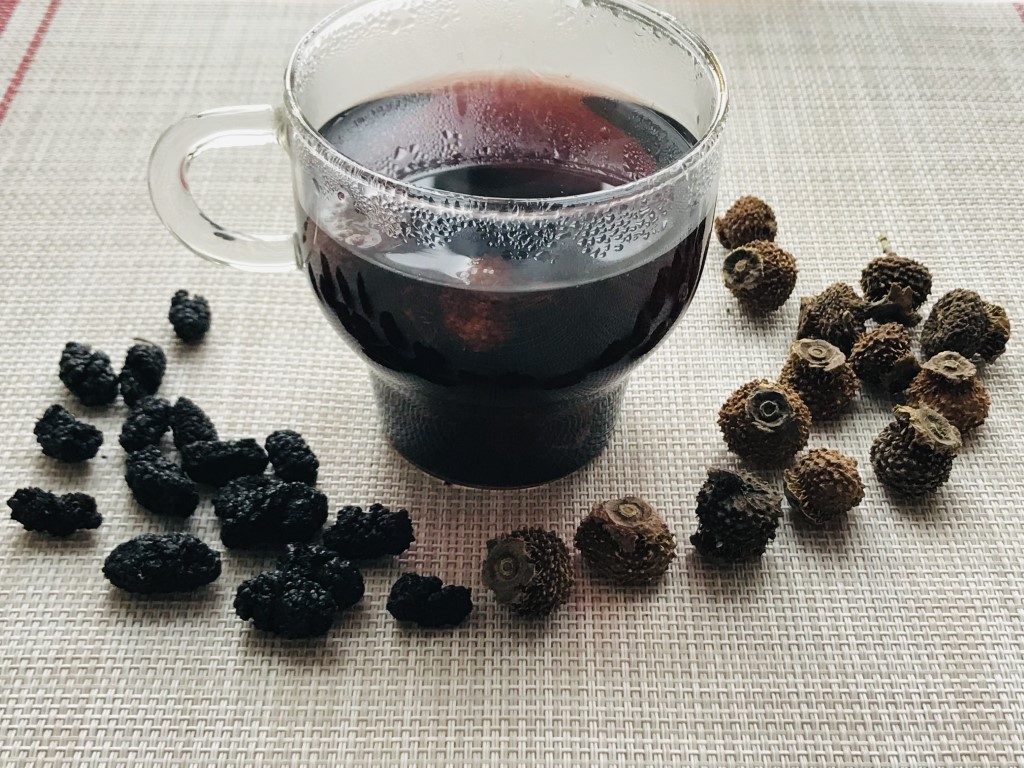
Fresh mulberries have a fleeting season — those plump, deep-purple berries available for only a few short weeks each spring. When they appear, it is the ideal time to make San Zi Yang Gan Tang. The darker and more intensely colored the mulberries, the better: the deep purplish-black pigment signals abundant anthocyanins, the same plant compounds that give blueberries their well-documented antioxidant properties.
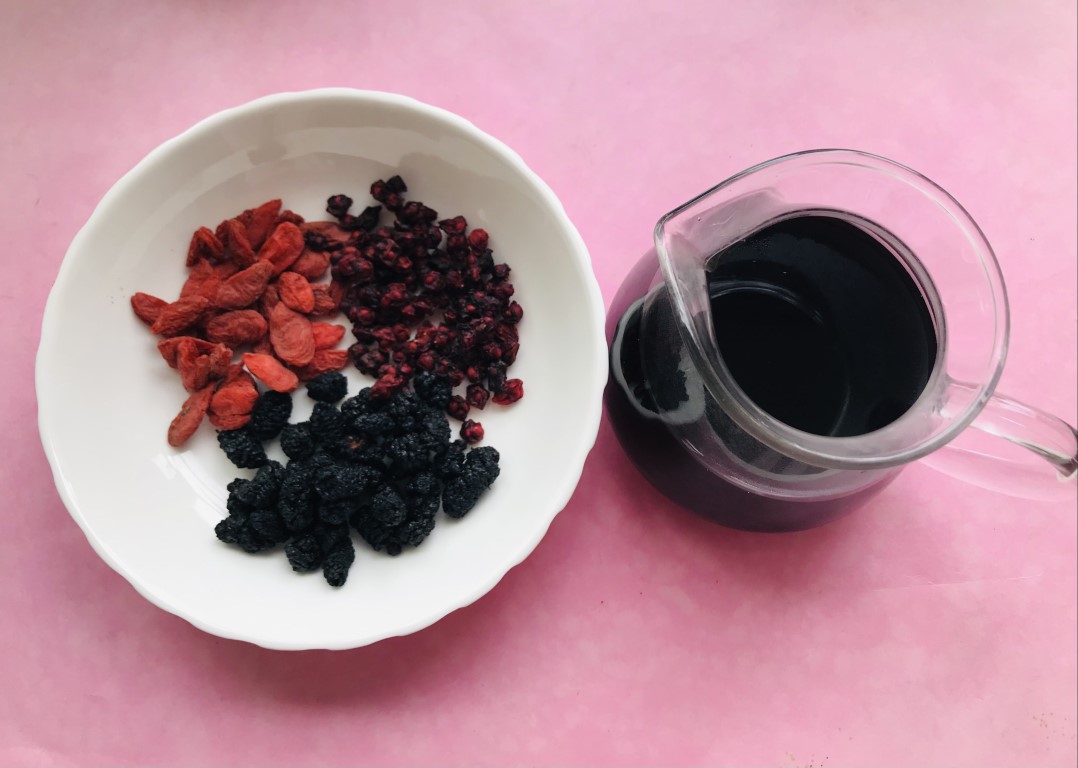
“Three-Seed Liver Tea” is one of the classic formulas in Cantonese food therapy. The three seeds — mulberry, goji, and schisandra — are each associated with nourishing what Chinese medicine calls liver blood: the network of nourishment the liver provides to the eyes, tendons, and the capacity for restful sleep. It is particularly valued by those who drink heavily, work long hours in front of screens, feel dizzy or have dry eyes, or notice their hair thinning.
Method
- Gently rinse fresh mulberries in lightly salted water, then drain. (If using dried mulberries, rinse with plain water.)
- Rinse goji berries and schisandra berries.
- Combine all ingredients in a small pot with 900 ml of water.
- Bring to a boil, then reduce heat and simmer for about 15 minutes, until 600 ml remain.
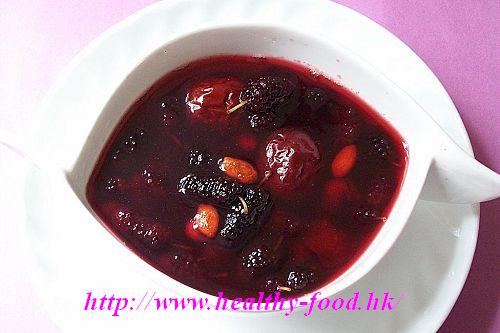
- Drink throughout the day — you can divide it into two portions. Eat the berries as well.
Nourilo’s Tips
Fresh mulberries are in season only briefly, but they are worth seeking out — available at Chinese or Asian grocers and some farmers markets during spring. If you want to enjoy their benefits year-round, Nourilo suggests one of these approaches: rinse and steam the mulberries, then press the juice through cheesecloth and cook it down with brown sugar to make a mulberry paste (sang shen gao), which can be stored in a jar. Alternatively, you can steep them in rice wine to make a mulberry tonic wine — both methods allow you to preserve this seasonal fruit for long-term use.
Schisandra is not ideal for people whose stomachs produce too much acid. If that applies to you, always drink this tea after eating, not on an empty stomach.
What studies say about the key ingredients
Traditional use is not the same as clinical proof. Here is the strongest human research we found for each ingredient, limitations included.
- Mulberries
Post-prandial self-monitored glucose was lower than placebo (18.2%), but A1C did not differ between mulberry leaf extract and placebo. Serum creatinine rose about 15% in the extract group.Limitation: Small pilot: only 17 of 24 enrolled participants completed the study, limiting statistical power.PubMed 28619294 · 3 more mulberries studies - Goji berries
Compared with placebo (n=80), the goji juice group (n=81) reported greater improvements in several self-rated symptoms, including stress, mental acuity, sleep quality and overall well-being, under a random effects model.Limitation: Outcomes were self-reported symptom questionnaires, and several symptoms showed significant heterogeneity across the four pooled trials of a single branded juice.PubMed 22897500 · 3 more goji berries studies - Schisandra berries
Compared with placebo, the extract group had a higher increase in right knee extensor strength (10.2 Nm) and left knee extensor strength (6.7 Nm). No group differences were found in muscle mass, inflammatory or antioxidative markers.Limitation: Small sample over 12 weeks, with an extract dose not comparable to eating the whole berry; muscle mass and blood markers did not differ.PubMed 33710261 · 2 more schisandra berries studies
From the Nourilo Research Library. Findings come from specific doses, extracts and populations and may not apply to a home-cooked recipe.
Safety first — read before you cook
This is a traditional food, not a treatment. Please check with your doctor or pharmacist before making it a regular part of your diet if you:
- are pregnant or breastfeeding, or are cooking for a young child;
- take regular medicines — especially blood thinners, blood-pressure, diabetes or immune-suppressing drugs;
- have a kidney, liver or heart condition, or a known food allergy.
Ingredient notes for this recipe
- Goji berries: A few cases of raised INR (a bleeding-risk marker) have been reported in people taking warfarin after drinking concentrated goji tea or wine. If you take a blood thinner, check with your doctor. Source: Memorial Sloan Kettering — Lycium
Stop eating it and seek advice if you notice an allergic reaction or feel unwell. Safety notes reviewed 8 October 2026 · How we write safety notes
Comments
Join the conversation — sign in or create a free account to comment.
Continue with GoogleBy continuing with Google or email you confirm you are 16 or older and agree to our Terms of Use and Privacy Policy.
Loading comments…