Herbal & Flower Teas
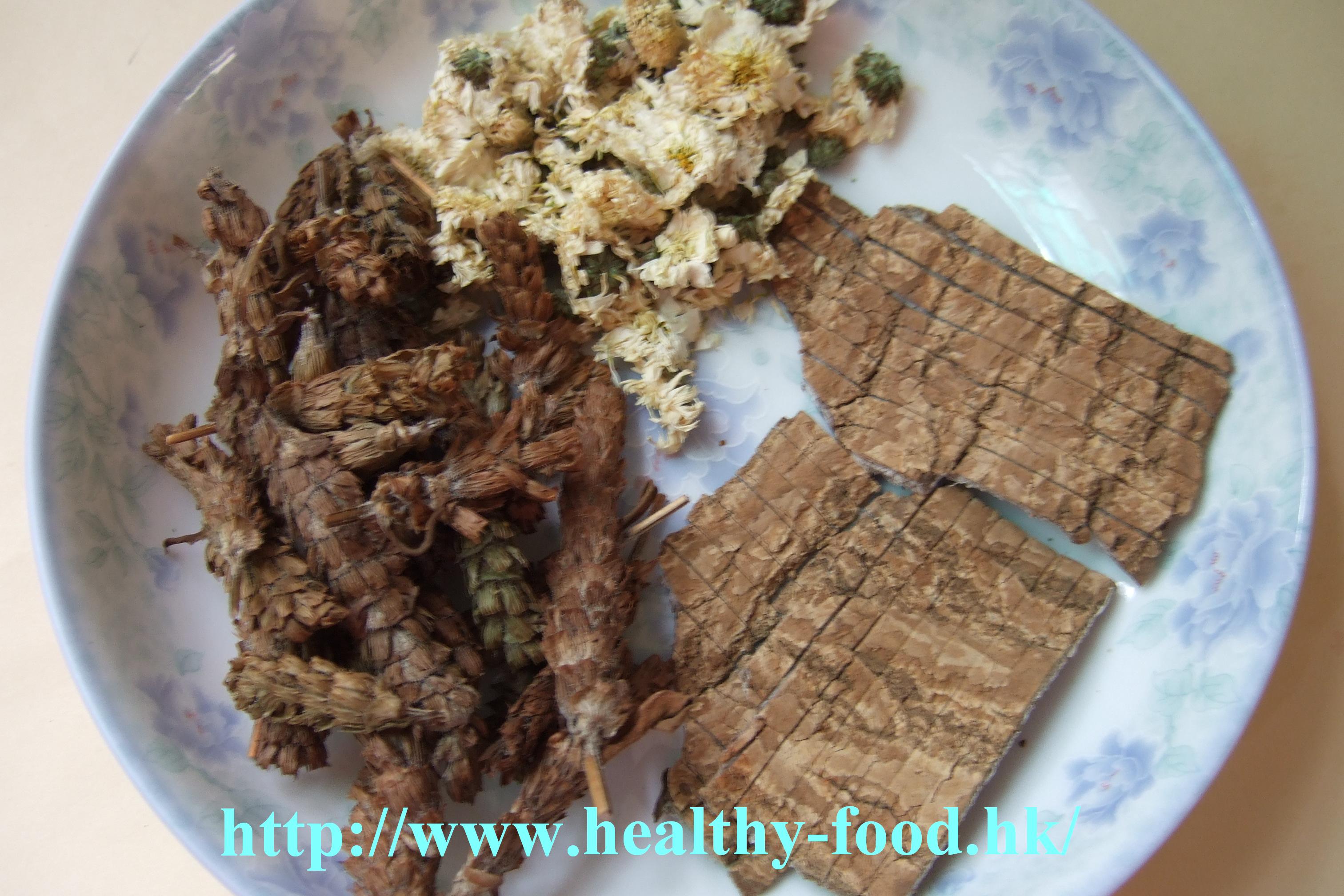
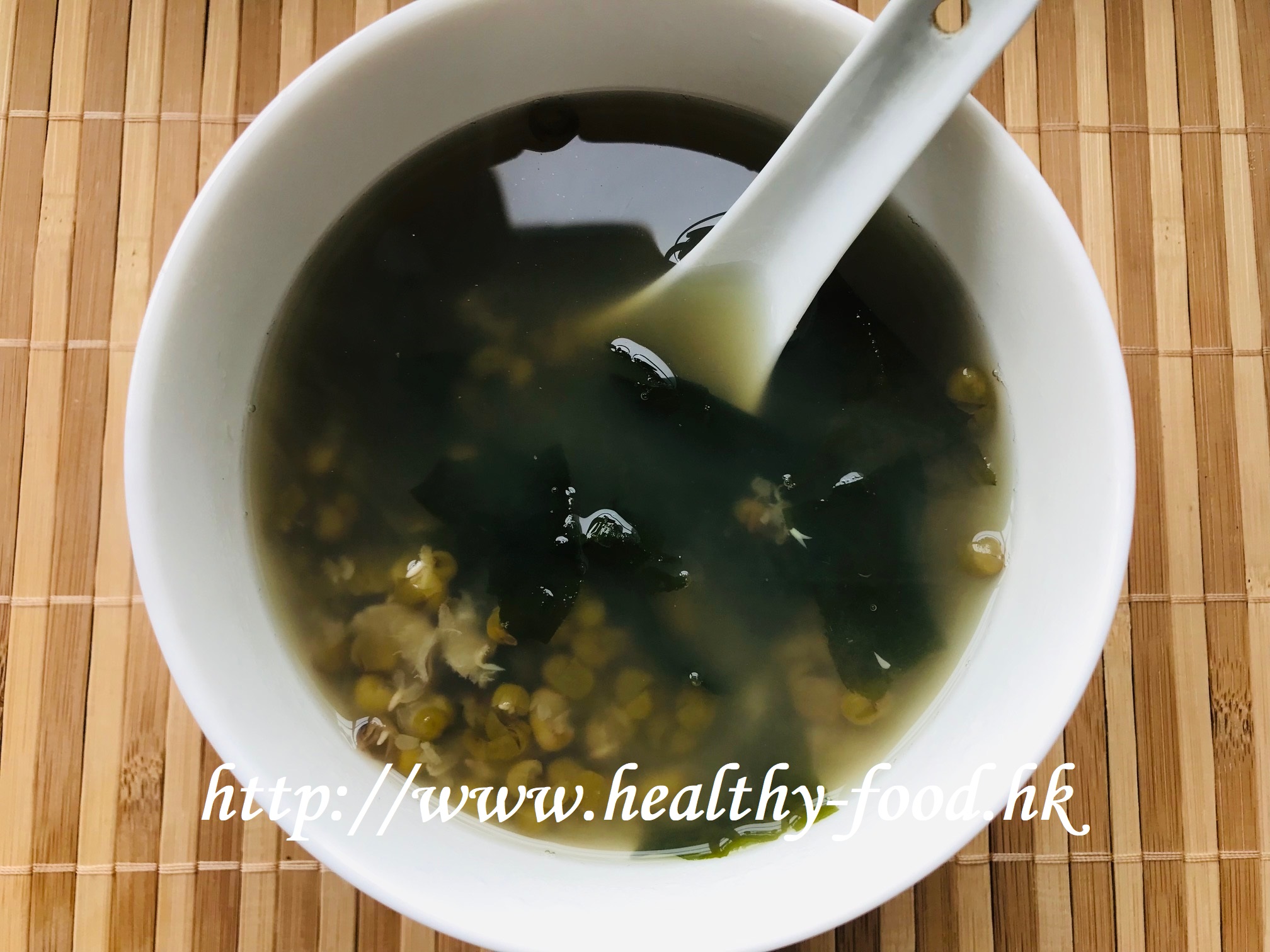
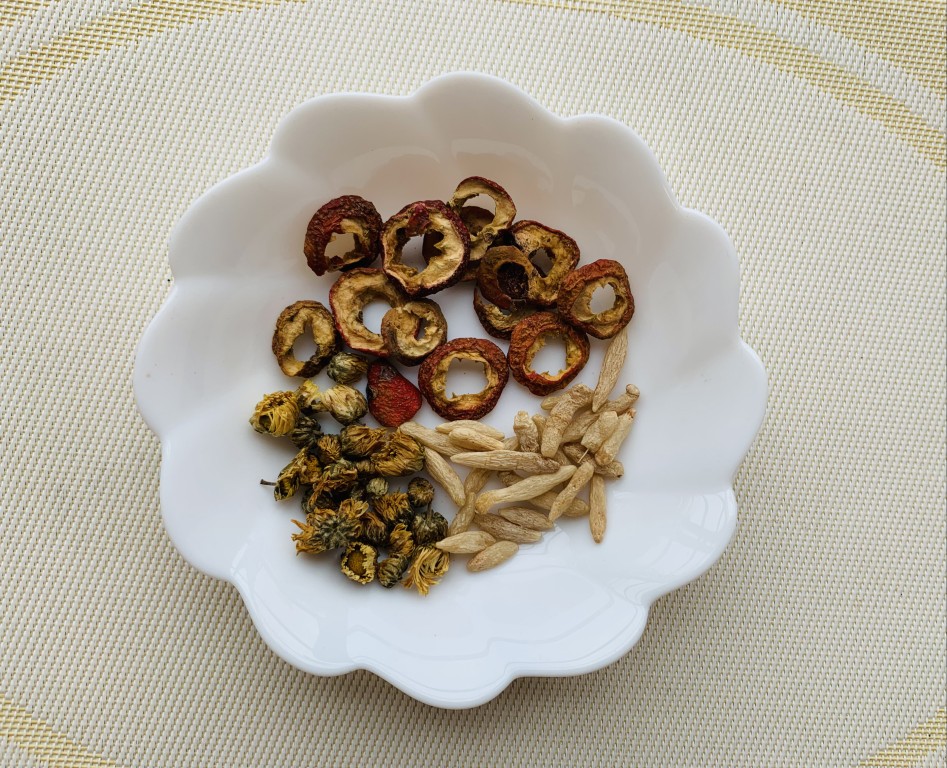
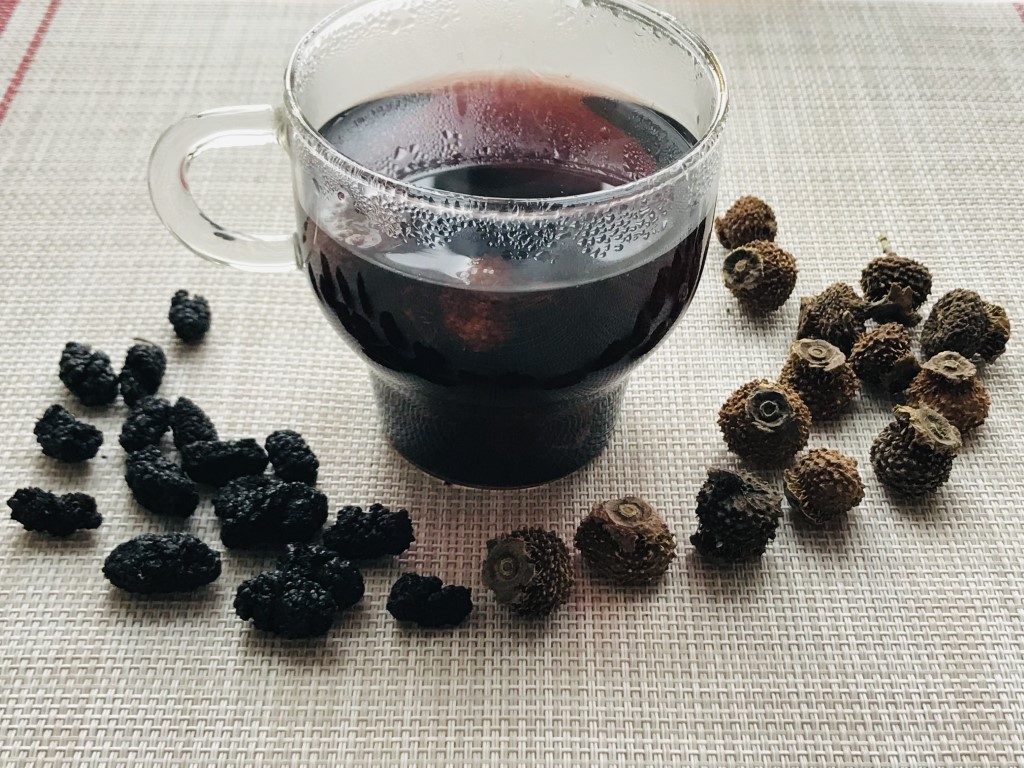
Cassia Seed, Lotus Leaf and Chrysanthemum Tea
traditionally associated with supporting healthy fat metabolism, healthy blood pressure, and liver health as part of a balanced diet
In short: Cassia Seed, Lotus Leaf and Chrysanthemum Tea is a herbal & flower tea that traditionally associated with supporting healthy fat metabolism, healthy blood pressure, and liver health as part of a balanced diet. It is most often made for weight & metabolism, heart & circulation, liver wellness. Total time about 20 min. Key ingredients: chrysanthemum.
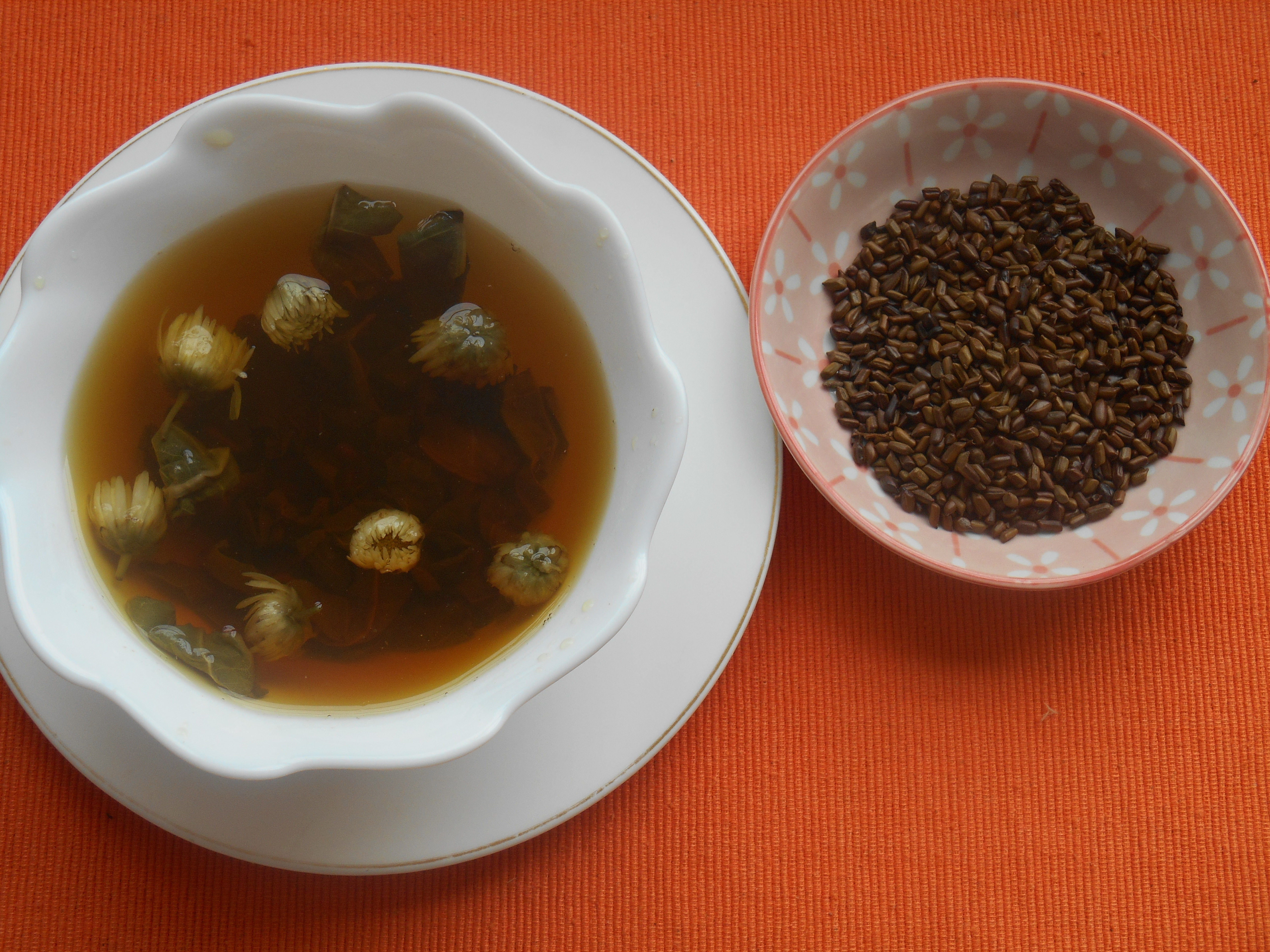
Why people make this tea
Nourilo served this tea at a food-therapy talk he gave at an office — and the three-ingredient blend was an immediate hit with everyone in the room. It is easy to understand why: the formula is elegant in its simplicity, the preparation takes minutes, and the combined effect of cassia seed, lotus leaf, and chrysanthemum flower has a long, well-regarded place in Cantonese food-therapy tradition for supporting people who are concerned about the so-called “three highs” — high blood pressure, high blood fats (including cholesterol), and high blood sugar.
The “three highs” are perhaps the defining health challenge of the modern urban lifestyle, and while food alone cannot replace medication or medical monitoring where those are needed, incorporating a daily wellness tea like this one is a pleasant and practical step. With regular use, this tea is associated with helping the body shed excess dietary fats, reducing the workload on the liver, and gently supporting healthy vascular tone.
Method
- Place the cassia seeds in a dry pan (no oil) over medium heat. Stir and toast for about 5 minutes until fragrant and slightly darker. Do not burn them.
- Add the chrysanthemum flowers to the pan and continue toasting for a further 2 minutes. Remove from heat.
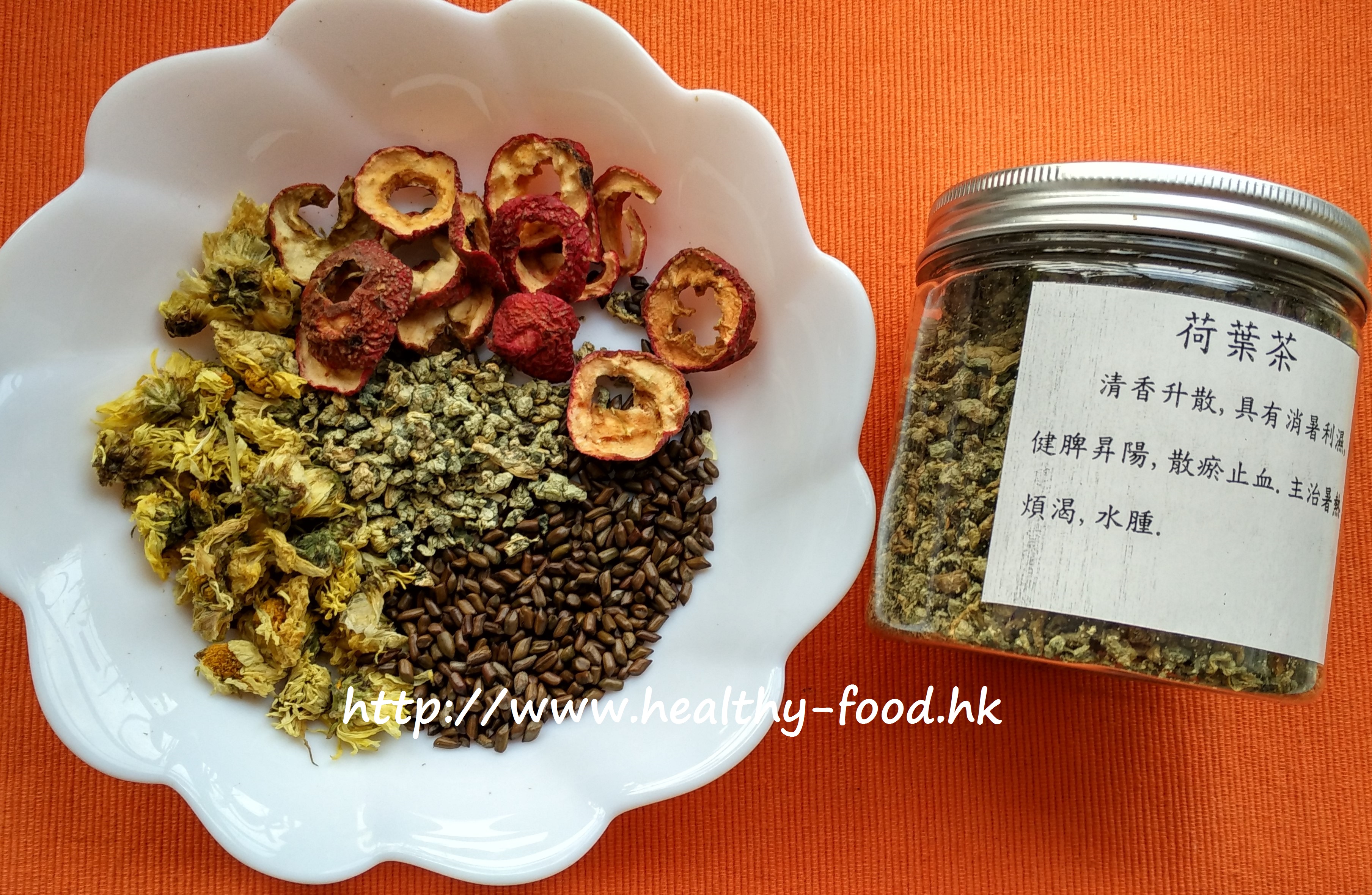
- Transfer the toasted cassia and chrysanthemum, together with the crushed lotus leaf, into a teapot or heatproof vessel.
- Pour in freshly boiled water and steep for 7–8 minutes.
- Pour and drink while warm. The same leaves can be re-steeped 1–2 times until the flavour fades.
Nourilo’s Tips
This tea is very easy to prepare in batches. Nourilo suggests buying a larger quantity of each ingredient, toasting them all together in a dry pan, letting them cool, and storing the blend in tea-bag sachets for convenient daily use. Pregnant women should not drink this or any herbal tea. For those with glaucoma, cassia seed brewed with chrysanthemum is a traditional remedy that may provide some support — but glaucoma is a serious eye condition and must be treated by an ophthalmologist; please see a doctor.
What studies say about the key ingredients
Traditional use is not the same as clinical proof. Here is the strongest human research we found for each ingredient, limitations included.
- Chrysanthemum
Compared with the high-fat meal alone, the extract group had lower postprandial glucose at 1 hour and higher antioxidant markers (T-AOC, SOD, GSH), with lower MDA. Incremental area under the curve did not differ significantly between groups.Limitation: Small sample of healthy young adults given a single high-fat meal, so longer-term effects and effects in people with metabolic conditions are unknown.PubMed 36677639 · 1 more chrysanthemum study
From the Nourilo Research Library. Findings come from specific doses, extracts and populations and may not apply to a home-cooked recipe.
Safety first — read before you cook
This is a traditional food, not a treatment. Please check with your doctor or pharmacist before making it a regular part of your diet if you:
- are pregnant or breastfeeding, or are cooking for a young child;
- take regular medicines — especially blood thinners, blood-pressure, diabetes or immune-suppressing drugs;
- have a kidney, liver or heart condition, or a known food allergy.
Stop eating it and seek advice if you notice an allergic reaction or feel unwell. Safety notes reviewed 8 October 2026 · How we write safety notes
Comments
Join the conversation — sign in or create a free account to comment.
Continue with GoogleBy continuing with Google or email you confirm you are 16 or older and agree to our Terms of Use and Privacy Policy.
Loading comments…