Herbal & Flower Teas
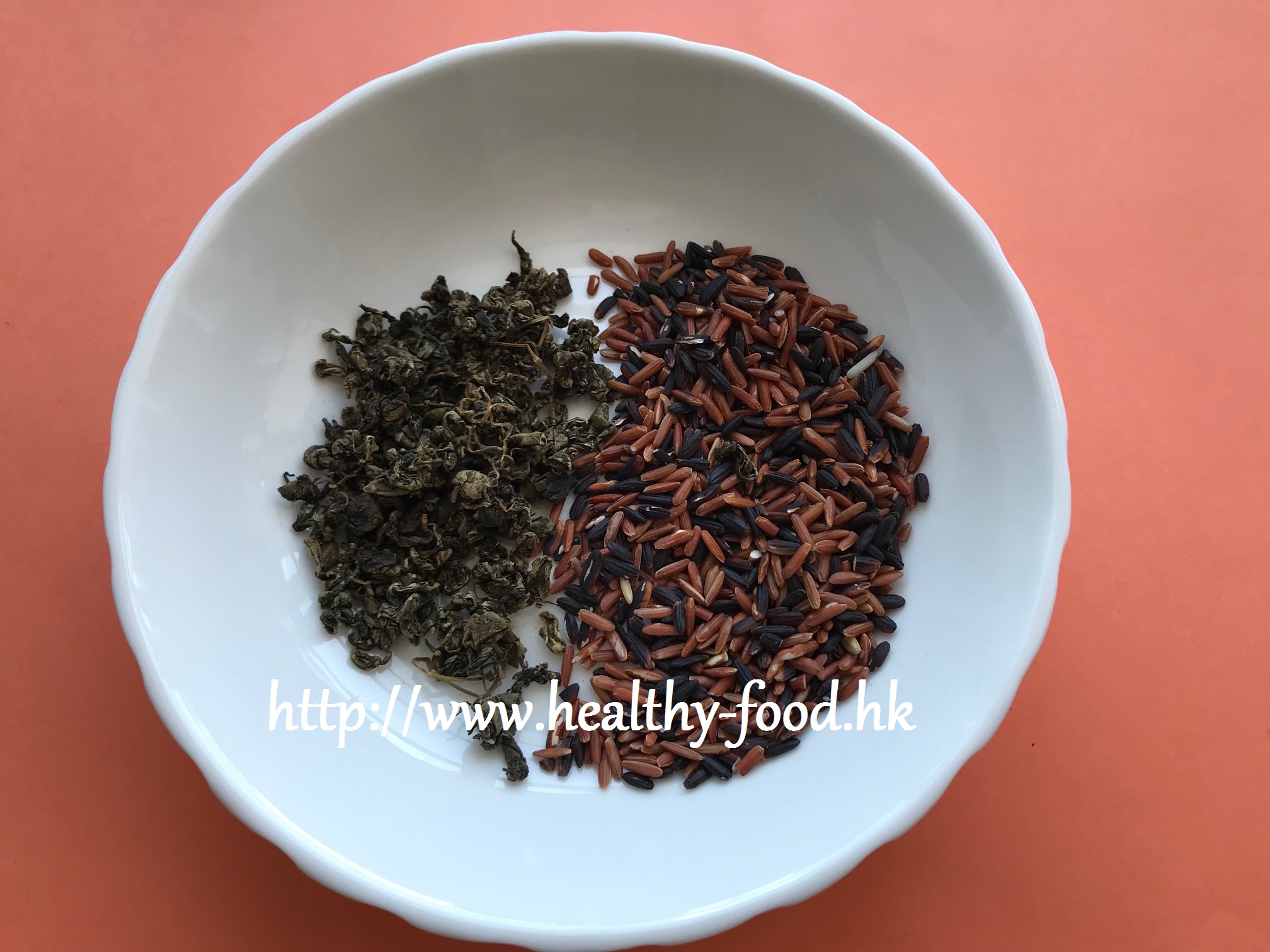
Gynostemma & Roasted Brown Rice Tea
traditionally associated with supporting liver function, lowering blood pressure, and aiding fat metabolism
In short: Gynostemma & Roasted Brown Rice Tea is a herbal & flower tea that traditionally associated with supporting liver function, lowering blood pressure, and aiding fat metabolism. It is most often made for digestive wellness, women's wellness, weight & metabolism. Total time about 20 min.
Why people make this tea
Fatty liver comes in two main forms: alcohol-related, and the more common non-alcoholic type linked to obesity, blood sugar issues, or metabolic factors. Many people with fatty liver have no obvious symptoms; some feel unusually fatigued or notice a dull ache in the right side below the ribs where the liver sits. During pregnancy, a rare and serious form can develop in the third trimester, which requires prompt medical evaluation.
This simple two-ingredient tea was designed by Nourilo as an everyday support drink — particularly for those who are pregnant and managing elevated blood fats or blood pressure, or anyone wanting a calming, liver-supportive herbal brew. Gynostemma is cooling by nature, so roasting the brown rice first introduces warmth that balances the formula, making it gentler on the stomach.
Safety first — read before you cook
This is a traditional food, not a treatment. Please check with your doctor or pharmacist before making it a regular part of your diet if you:
- are pregnant or breastfeeding, or are cooking for a young child;
- take regular medicines — especially blood thinners, blood-pressure, diabetes or immune-suppressing drugs;
- have a kidney, liver or heart condition, or a known food allergy.
Stop eating it and seek advice if you notice an allergic reaction or feel unwell. Safety notes reviewed 8 October 2026 · How we write safety notes
Members only
Unlock the full method & Nourilo's tips
One payment, lifetime access to every one of our 2,344 recipes — step-by-step methods, preparation tips and serving notes.
- Full step-by-step method for this and all 2,344 recipes
- Nourilo's Tips — sourcing, substitutions and serving notes
- One-time payment · card, Apple Pay or Google Pay · no subscription, no renewals
Checking your access…
$59.99 one-time · all recipes
Sign in or create a free account, then pay once by card, Apple Pay or Google Pay.
Continue with GoogleBy continuing with Google or email you confirm you are 16 or older and agree to our Terms of Use and Privacy Policy.
$59.99 one-time · all recipes
Signed in as ·
Secure checkout by Stripe. One-time payment, no renewals. Access is linked to your Nourilo account and never expires. By paying you agree to our Terms of Use; you can get a full refund within 14 days (refund policy).
Comments
Join the conversation — sign in or create a free account to comment.
Continue with GoogleBy continuing with Google or email you confirm you are 16 or older and agree to our Terms of Use and Privacy Policy.
Loading comments…