Herbal & Flower Teas
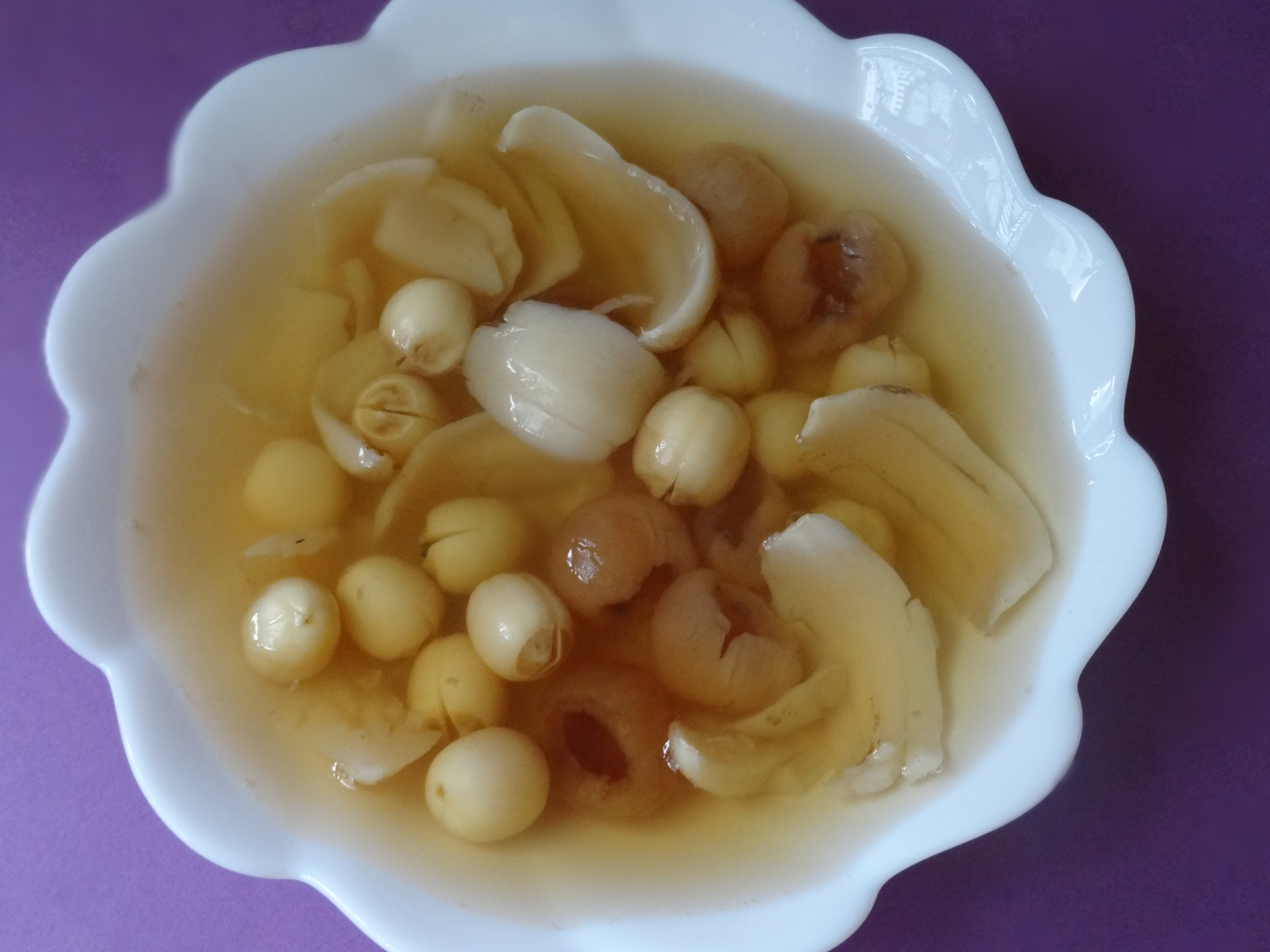
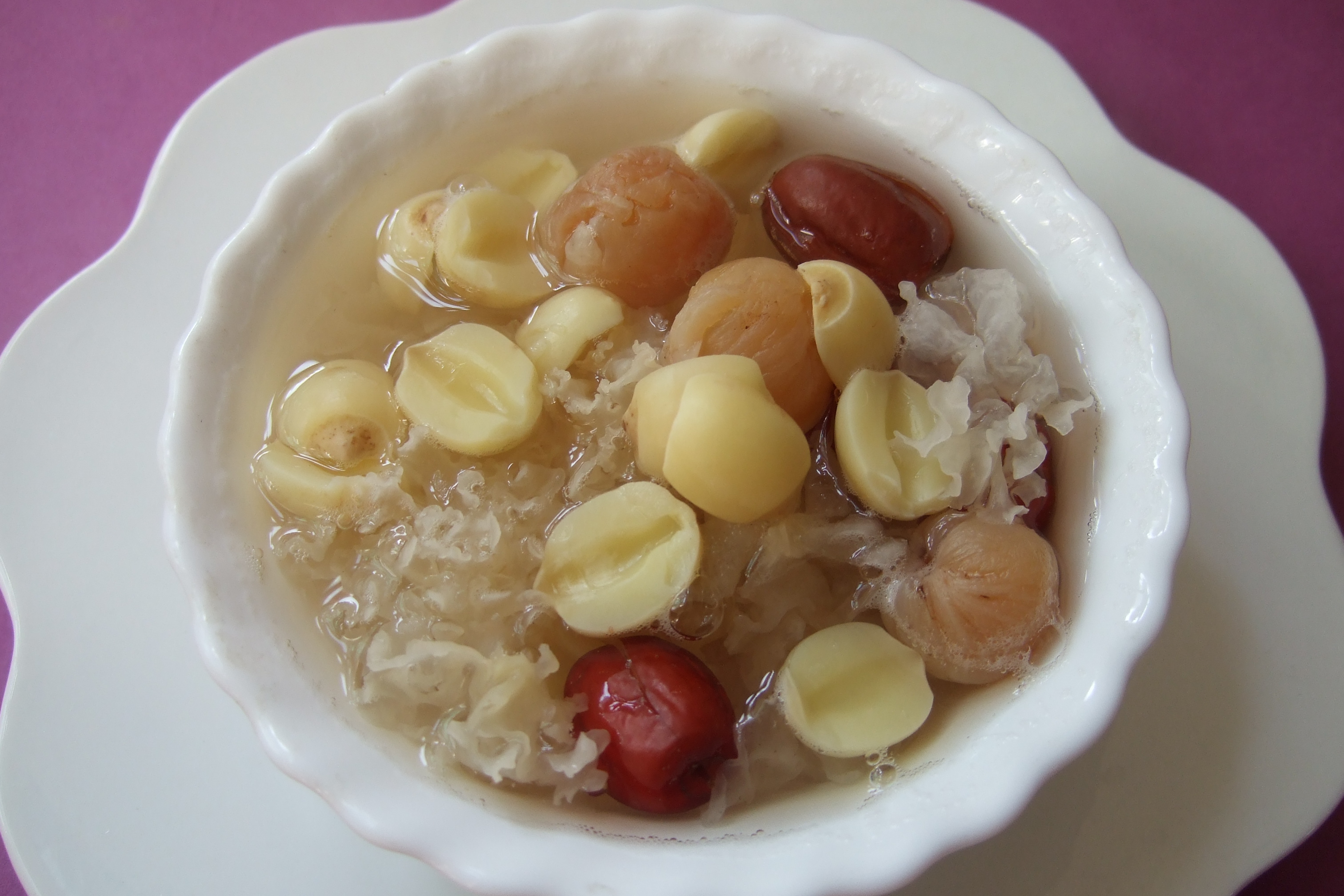
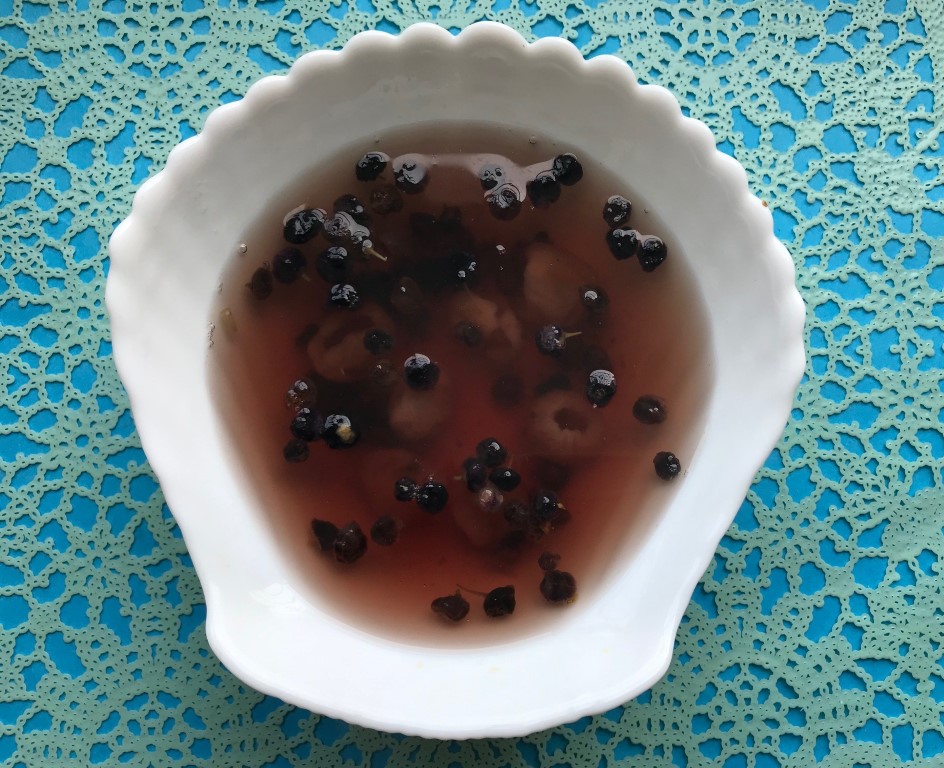
Schisandra, Codonopsis, Longan and Lotus Seed Tea
traditionally associated with calming anxiety, easing low mood, and supporting restful sleep
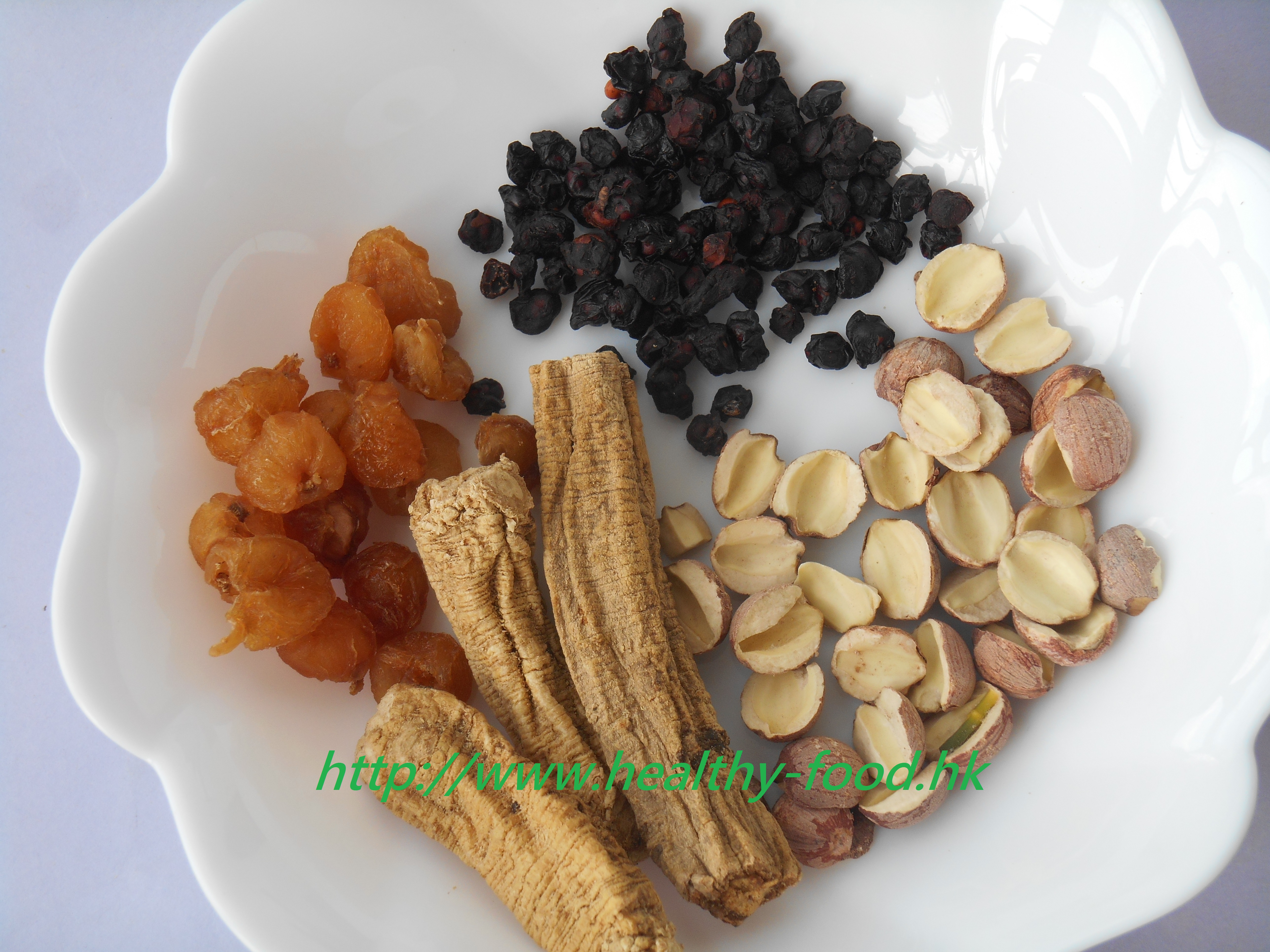
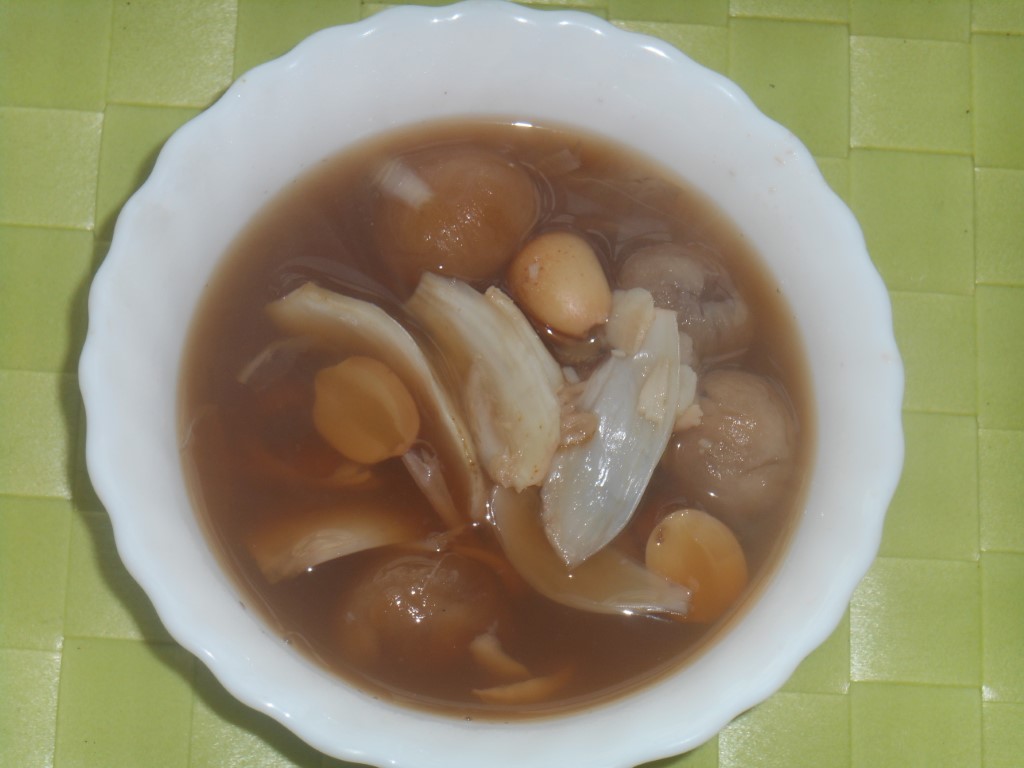
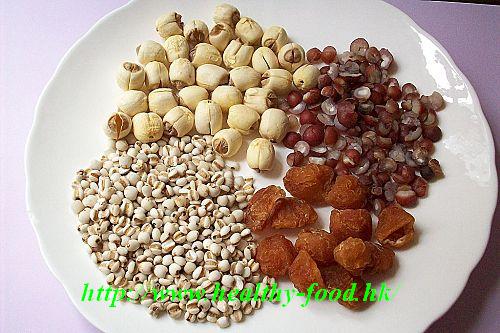
In short: Schisandra, Codonopsis, Longan and Lotus Seed Tea is a herbal & flower tea that traditionally associated with calming anxiety, easing low mood, and supporting restful sleep. It is most often made for skin & natural beauty, sleep & calm. Total time about 65 min. Key ingredients: schisandra berries, codonopsis root, lotus seeds, longan flesh.
Why people make this tea
City life brings a particular kind of exhaustion: not just physical tiredness, but the mental wear of constant pressure, packed schedules, and too little sleep. When this accumulates over time, you may start to notice low mood, forgetfulness, unease, or a racing heart at night — what traditional Chinese medicine broadly describes as “neurasthenia” or weakness of the nervous system rooted in deficiency of the heart and spleen.
This four-ingredient tea has been gaining attention in recent years as a supportive daily brew. Schisandra berries are its centrepiece — small, five-flavoured fruits that are one of the most studied adaptogens in Chinese herbal practice. Paired with the gentle qi-tonifying power of codonopsis, the calming quality of lotus seeds, and the blood-nourishing sweetness of longan, this tea is designed for people who look pale, feel drained, lose concentration easily, or find themselves lying awake with a restless mind. It can be drunk regularly as a wellness tea, not just during a crisis.
What studies say about the key ingredients
Traditional use is not the same as clinical proof. Here is the strongest human research we found for each ingredient, limitations included.
- Schisandra berries
Compared with placebo, the extract group had a higher increase in right knee extensor strength (10.2 Nm) and left knee extensor strength (6.7 Nm). No group differences were found in muscle mass, inflammatory or antioxidative markers.Limitation: Small sample over 12 weeks, with an extract dose not comparable to eating the whole berry; muscle mass and blood markers did not differ.PubMed 33710261 · 2 more schisandra berries studies - Lotus seeds
Lotus seed meals had a low glycemic index (GI 21–51 across the lotus seed and adzuki bean meals), while several other starchy foods did not differ significantly from rice. Lotus seed's in vitro hydrolysis index was also lower than that of other test foods.Limitation: Only ten healthy participants and acute single-meal tests, so findings may not apply to people with diabetes or to long-term intake.PubMed 30875961
From the Nourilo Research Library. Findings come from specific doses, extracts and populations and may not apply to a home-cooked recipe.
Safety first — read before you cook
This is a traditional food, not a treatment. Please check with your doctor or pharmacist before making it a regular part of your diet if you:
- are pregnant or breastfeeding, or are cooking for a young child;
- take regular medicines — especially blood thinners, blood-pressure, diabetes or immune-suppressing drugs;
- have a kidney, liver or heart condition, or a known food allergy.
Stop eating it and seek advice if you notice an allergic reaction or feel unwell. Safety notes reviewed 8 October 2026 · How we write safety notes
Members only
Unlock the full method & Nourilo's tips
One payment, lifetime access to every one of our 2,344 recipes — step-by-step methods, preparation tips and serving notes.
- Full step-by-step method for this and all 2,344 recipes
- Nourilo's Tips — sourcing, substitutions and serving notes
- One-time payment · card, Apple Pay or Google Pay · no subscription, no renewals
Checking your access…
$59.99 one-time · all recipes
Sign in or create a free account, then pay once by card, Apple Pay or Google Pay.
Continue with GoogleBy continuing with Google or email you confirm you are 16 or older and agree to our Terms of Use and Privacy Policy.
$59.99 one-time · all recipes
Signed in as ·
Secure checkout by Stripe. One-time payment, no renewals. Access is linked to your Nourilo account and never expires. By paying you agree to our Terms of Use; you can get a full refund within 14 days (refund policy).
Comments
Join the conversation — sign in or create a free account to comment.
Continue with GoogleBy continuing with Google or email you confirm you are 16 or older and agree to our Terms of Use and Privacy Policy.
Loading comments…