Herbal & Flower Teas
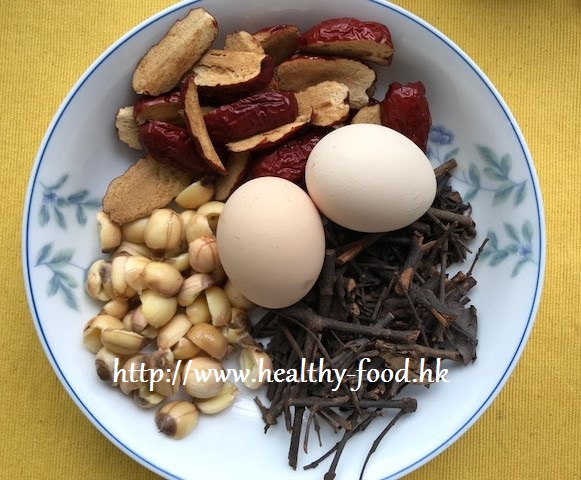
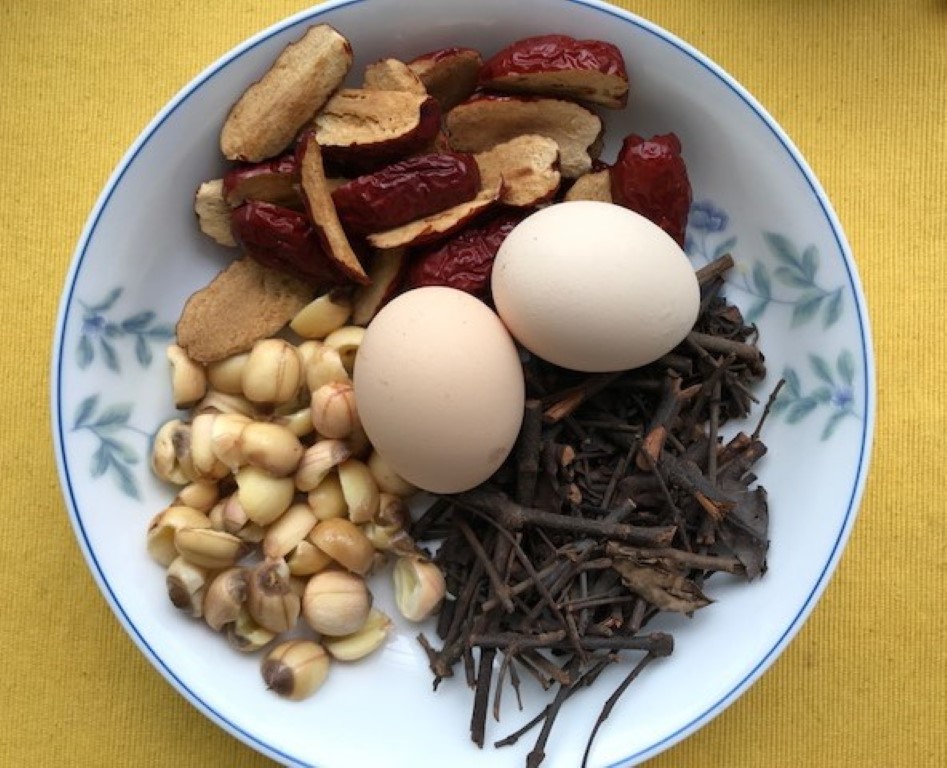
Processed Loranthus, Lotus Seed and Egg Sweet Tea
traditionally used to nourish the liver and kidneys, calm the foetus, and support general maternal wellbeing
In short: Processed Loranthus, Lotus Seed and Egg Sweet Tea is a herbal & flower tea that traditionally used to nourish the liver and kidneys, calm the foetus, and support general maternal wellbeing. It is most often made for women's wellness, children's wellness, liver wellness. Total time about 75 min. Key ingredients: lotus seeds, red dates, eggs, rock sugar.
Why people make this tea
Loranthus (sang ji sheng) has been cherished in Cantonese herbal kitchens for centuries — widely considered a particular ally for women, it is traditionally associated with strengthening the liver and kidneys, reinforcing bones and tendons, supporting skin quality, and helping to stabilise the foetus. It is especially valued for women who have experienced repeated early pregnancy loss. Modern phytochemical research has identified flavonoid compounds in loranthus — including broadleafin glucoside — that have been associated with sedative, blood-pressure-lowering, and diuretic properties, and with supporting healthy coronary blood flow.
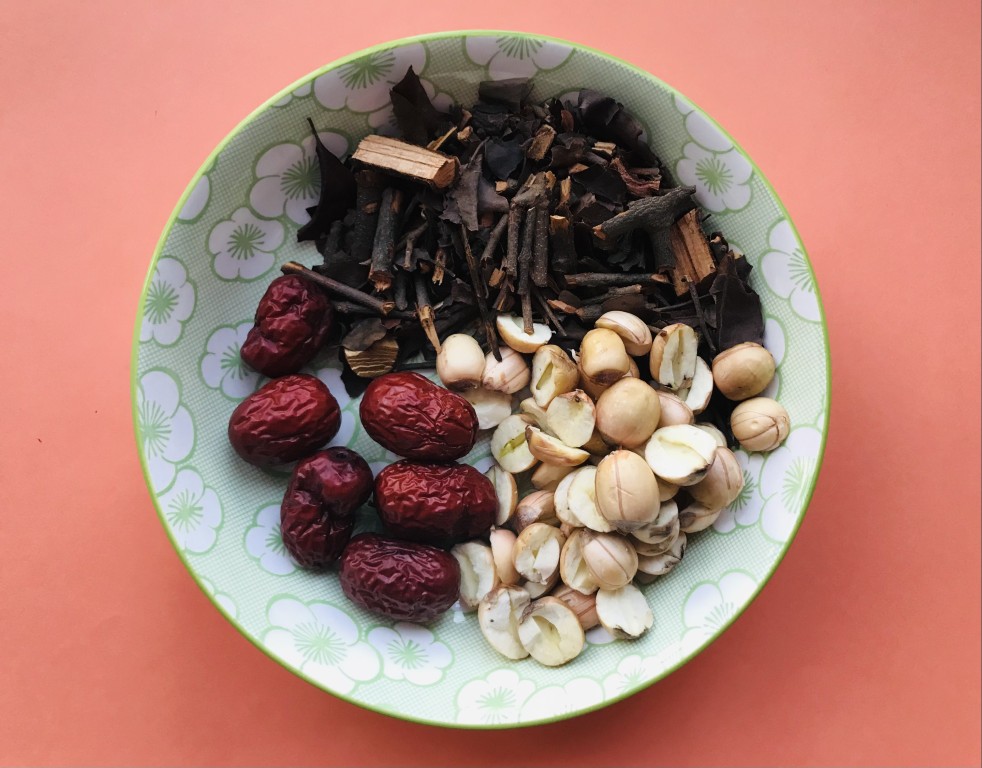
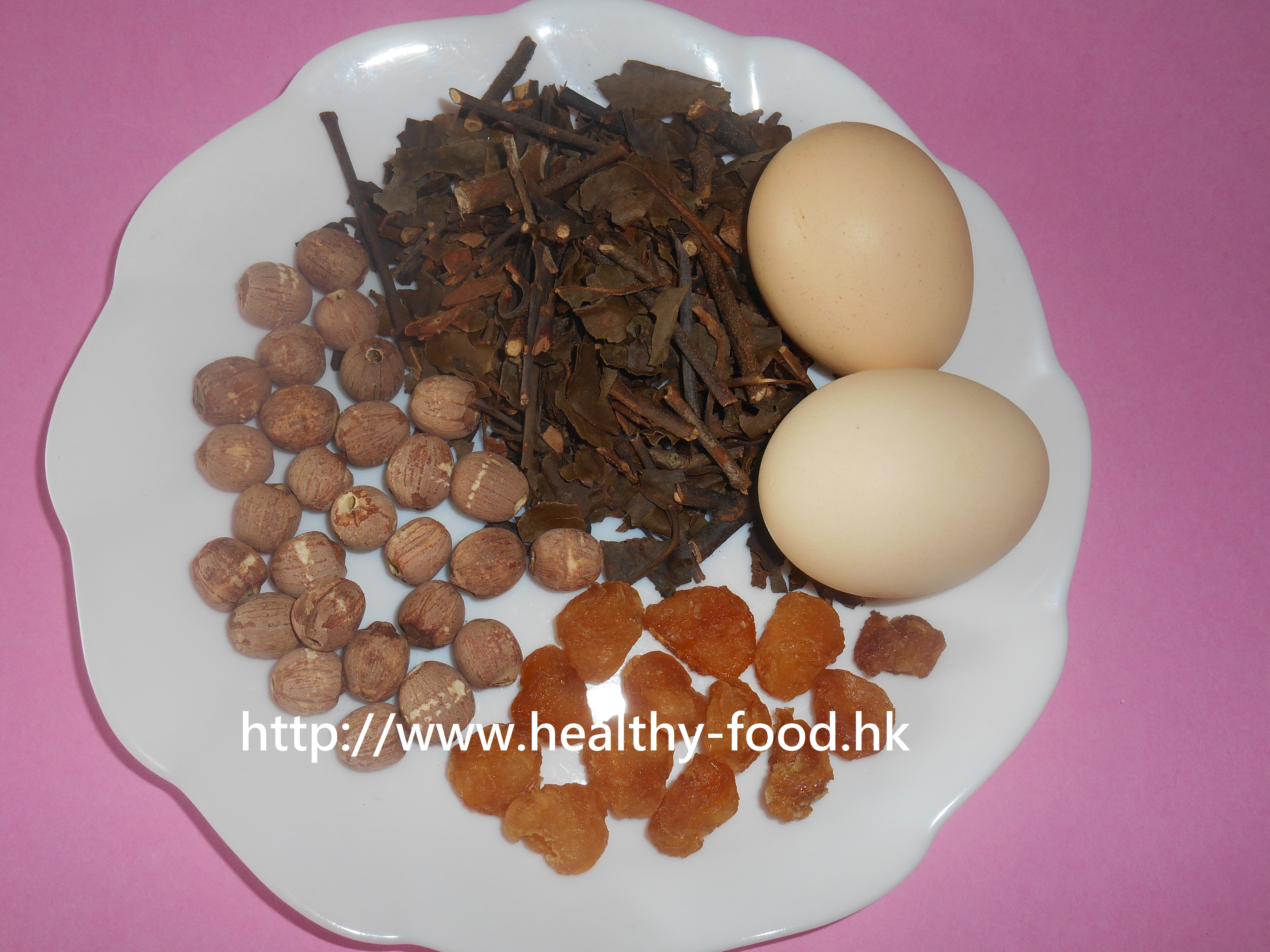
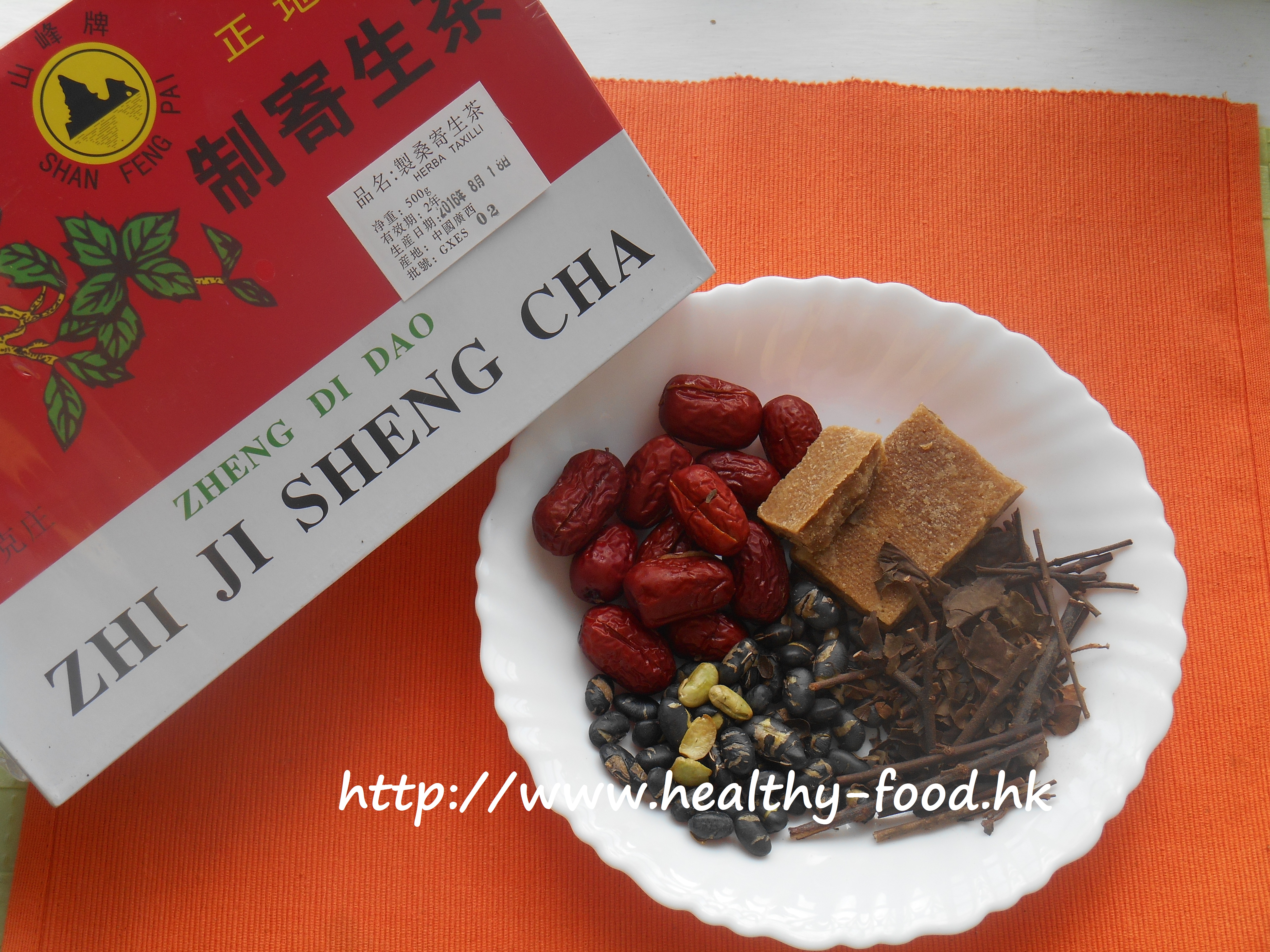
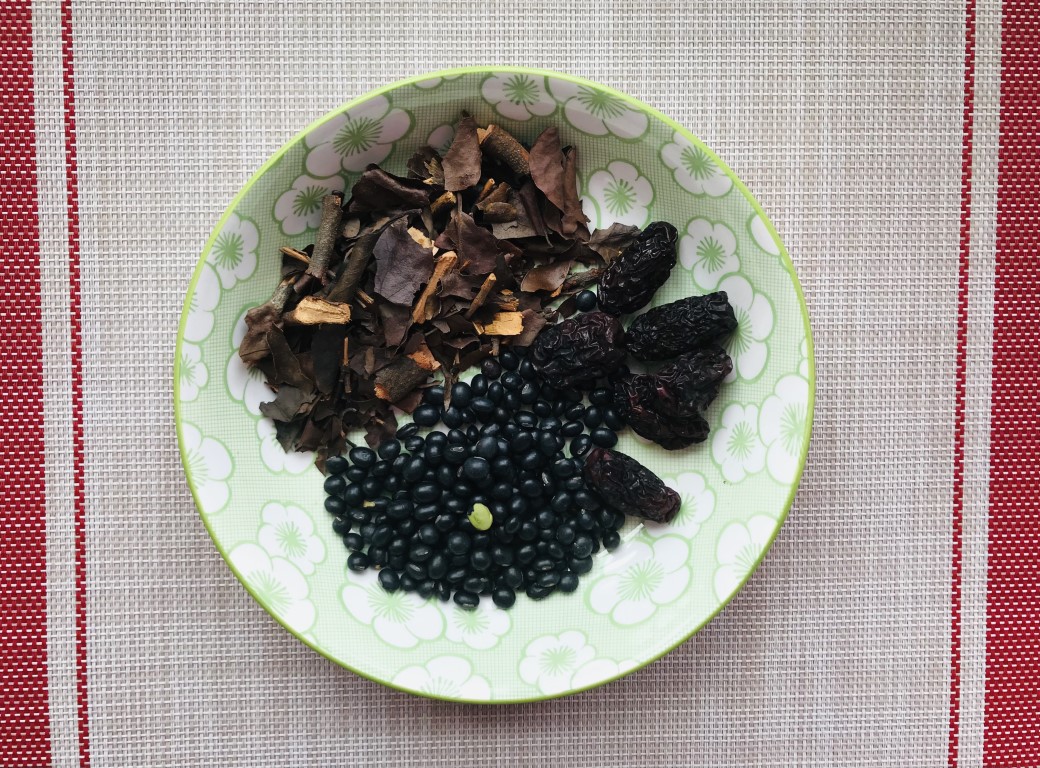
The version Nourilo recommends here is processed loranthus (制桑寄生, zhi sang ji sheng) — steamed and sun-dried — which tastes notably smoother, sweeter, and less astringent than the raw variety, making it much more pleasant to drink regularly. Combined with fresh lotus seeds and hard-boiled eggs in a light rock-sugar broth, this is a genuinely delicious drink that the whole family can enjoy, not just expectant mothers.
Method
- Place processed loranthus in a mesh soup bag; soak and rinse.
- Remove the bitter green cores from the fresh lotus seeds.
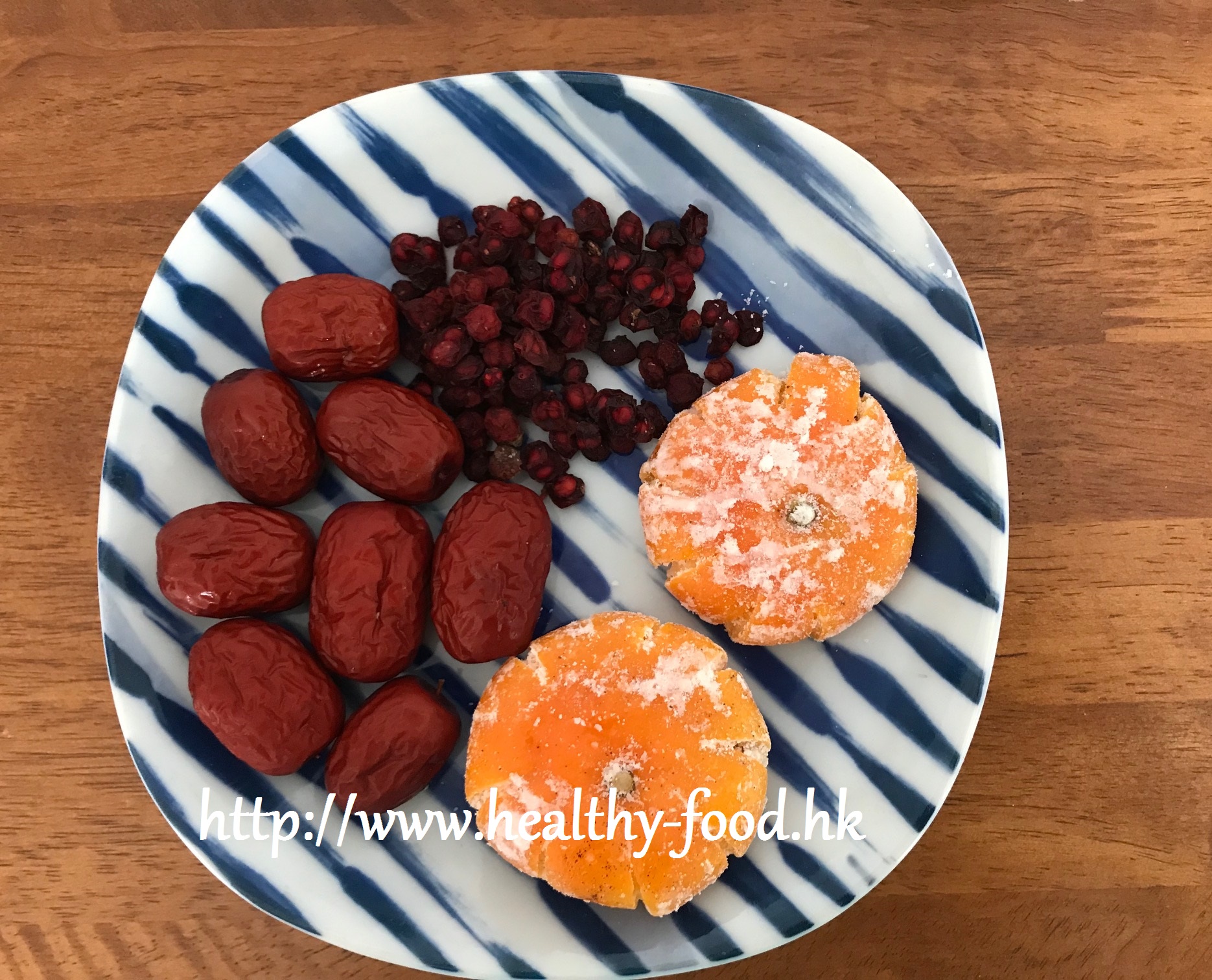
- Pit the red dates and halve them.
- Hard-boil the eggs in a separate pot, then peel and set aside.
- Place loranthus (in its bag), lotus seeds, and red dates into a pot with 2.4 L of water.
- Bring to a boil and simmer for 1 hour.
- Add rock sugar and the peeled hard-boiled eggs; continue cooking until the sugar dissolves.
- Serve; eat the eggs, lotus seeds, and dates alongside the soup.
Nourilo’s Tips
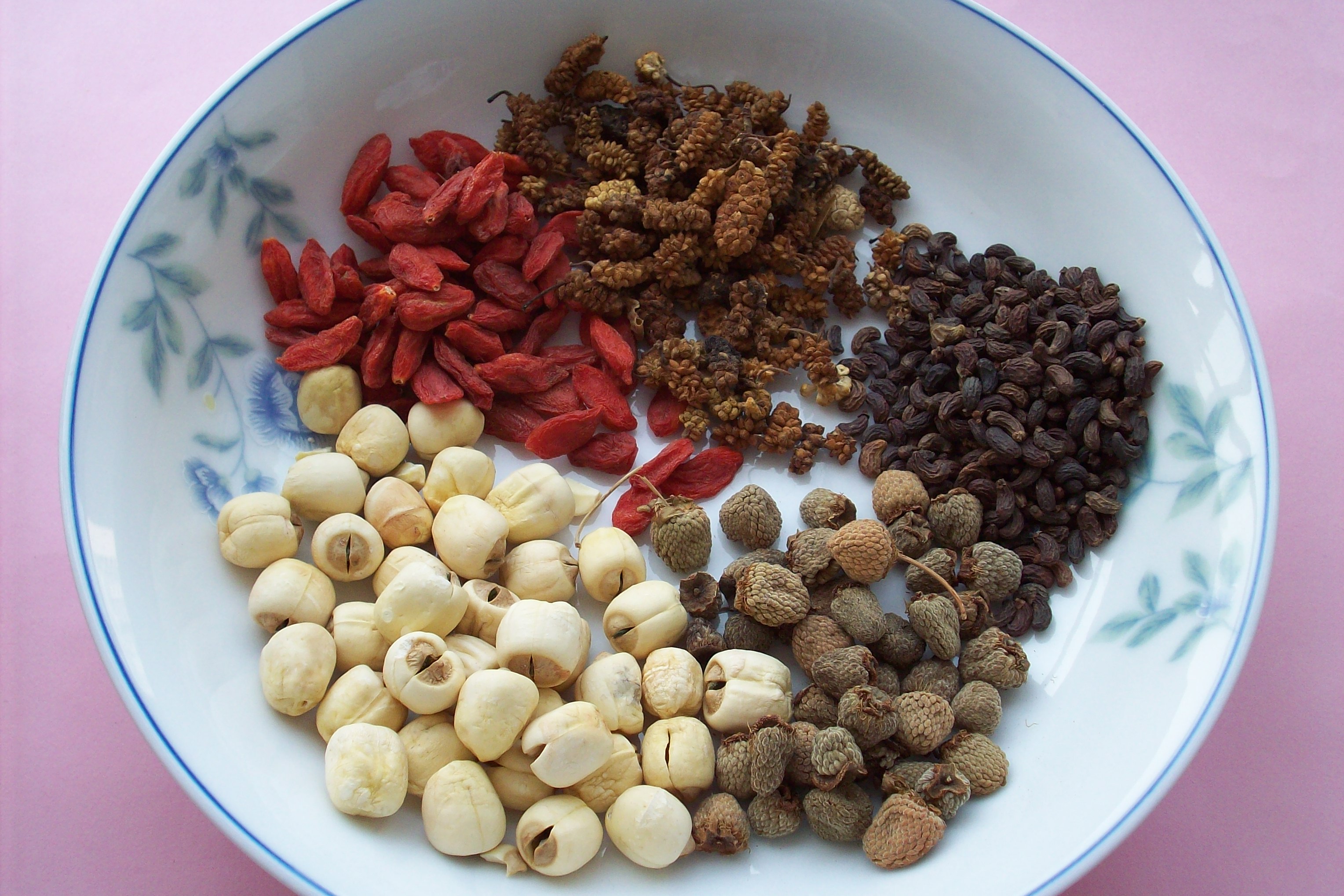
Fresh lotus seeds are available in autumn at Chinese or Asian grocers — when in season they cook up soft, floury, and fragrant. The cores you remove from them can be spread on a plate to dry; once dried, a couple of teaspoons make a pleasant, mildly bitter tea for clearing heart heat and supporting healthy blood pressure. Dried lotus seeds from a herbalist also work, though the flavour of fresh is hard to beat.
Note on serving: the quantities in this recipe make a family-sized pot. If only one person is drinking, reduce ingredients to about one quarter (loranthus 19 g, lotus seeds and lily bulb 19 g each, 4 to 5 red dates) in about 1.2 L of water, to avoid over-consumption.
What studies say about the key ingredients
Traditional use is not the same as clinical proof. Here is the strongest human research we found for each ingredient, limitations included.
- Lotus seeds
Lotus seed meals had a low glycemic index (GI 21–51 across the lotus seed and adzuki bean meals), while several other starchy foods did not differ significantly from rice. Lotus seed's in vitro hydrolysis index was also lower than that of other test foods.Limitation: Only ten healthy participants and acute single-meal tests, so findings may not apply to people with diabetes or to long-term intake.PubMed 30875961 - Red dates
Jujube was associated with significantly lower BMI and triglycerides, and lower fasting blood sugar in people with type 2 diabetes. LDL and total cholesterol fell only in some subgroups. HDL, AST and ALT did not change significantly.Limitation: The authors state the overall quality of the evidence is limited, and results varied significantly by dose, treatment duration and disease type.PubMed 40399274 · 3 more red dates studies
From the Nourilo Research Library. Findings come from specific doses, extracts and populations and may not apply to a home-cooked recipe.
Safety first — read before you cook
This is a traditional food, not a treatment. Please check with your doctor or pharmacist before making it a regular part of your diet if you:
- are pregnant or breastfeeding, or are cooking for a young child;
- take regular medicines — especially blood thinners, blood-pressure, diabetes or immune-suppressing drugs;
- have a kidney, liver or heart condition, or a known food allergy.
Stop eating it and seek advice if you notice an allergic reaction or feel unwell. Safety notes reviewed 8 October 2026 · How we write safety notes
Comments
Join the conversation — sign in or create a free account to comment.
Continue with GoogleBy continuing with Google or email you confirm you are 16 or older and agree to our Terms of Use and Privacy Policy.
Loading comments…