Soups
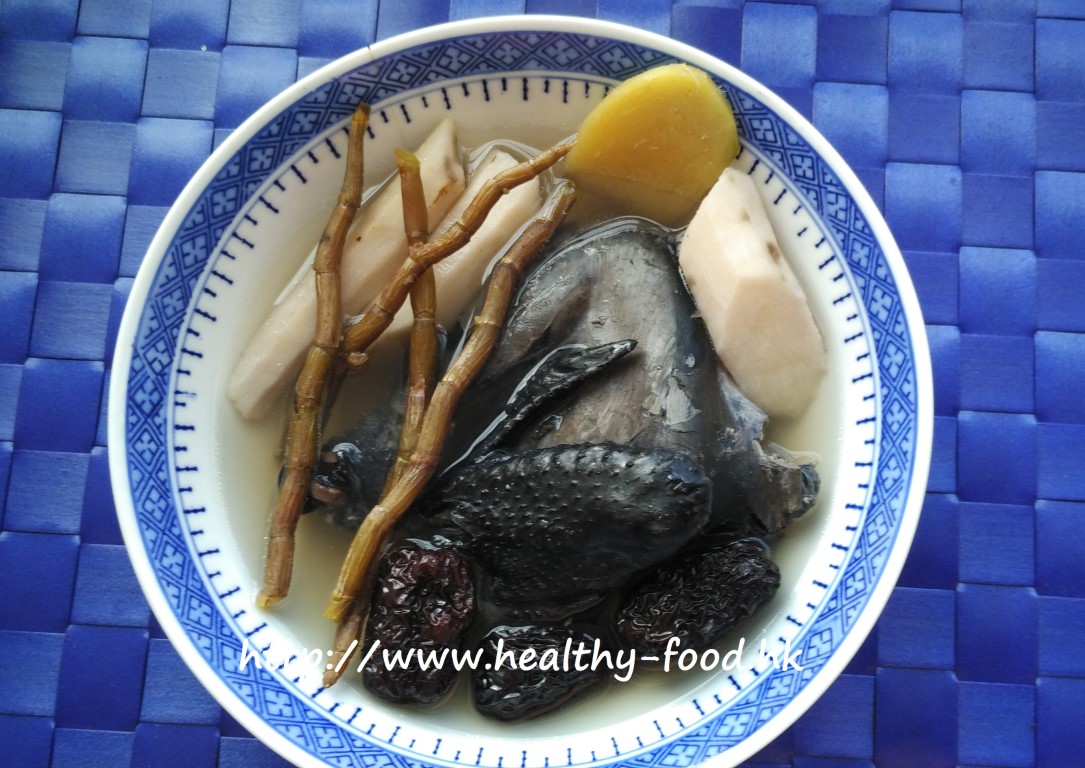
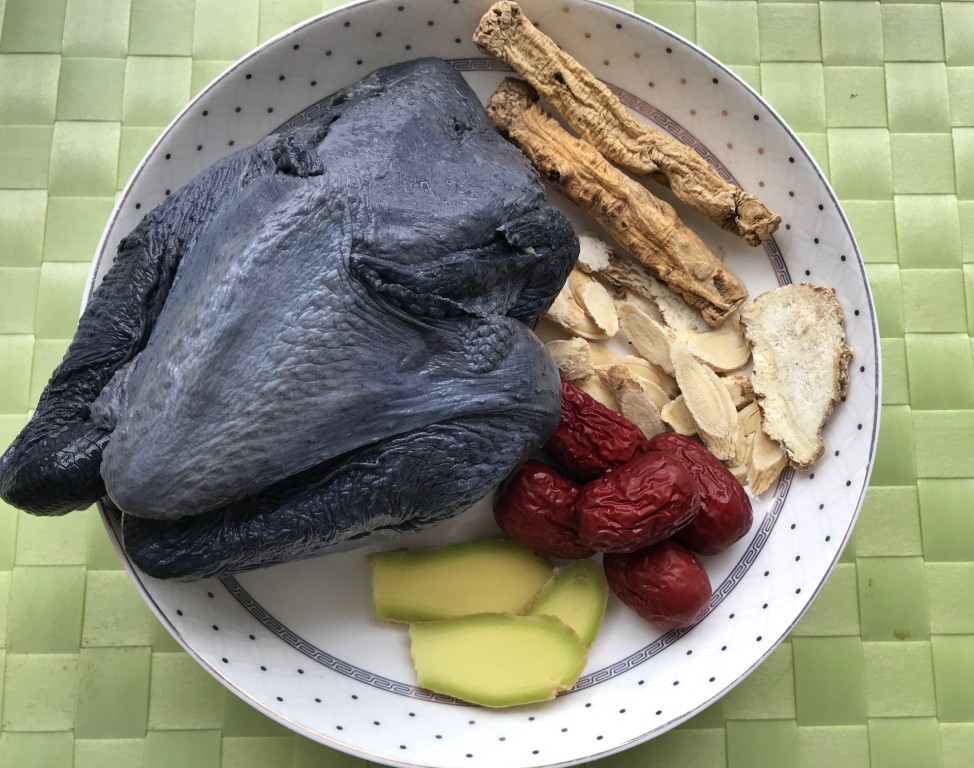
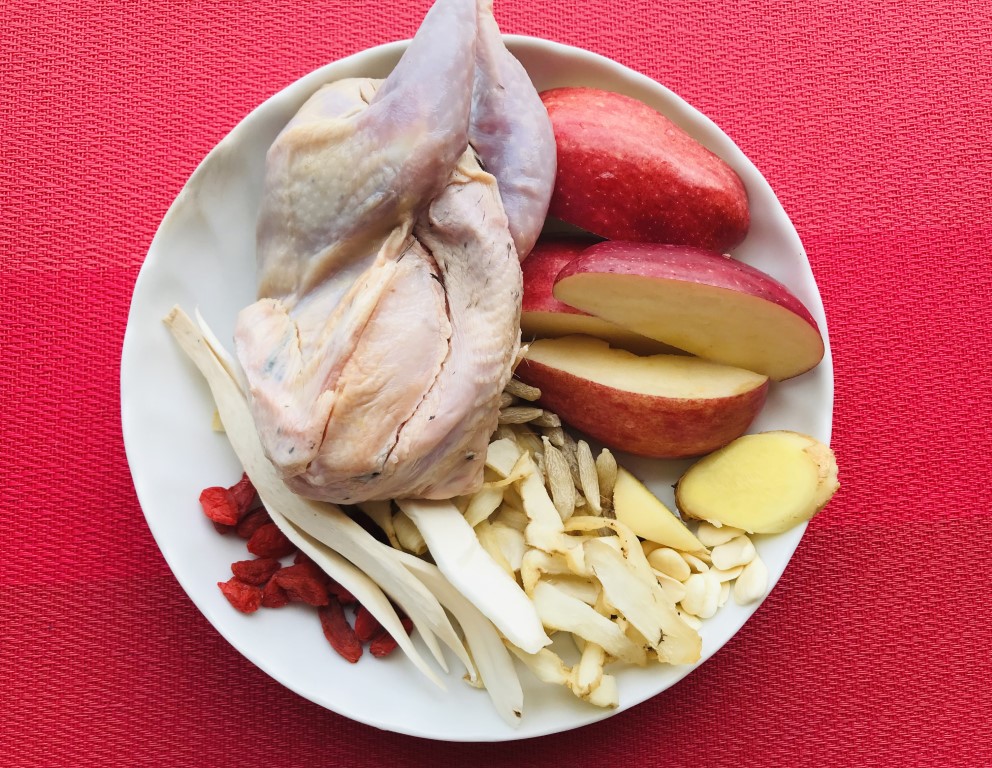
Prince Ginseng and Adenophora Silkie Chicken Soup
traditionally used to nourish yin, moisten the lungs, and support recovery from dry cough
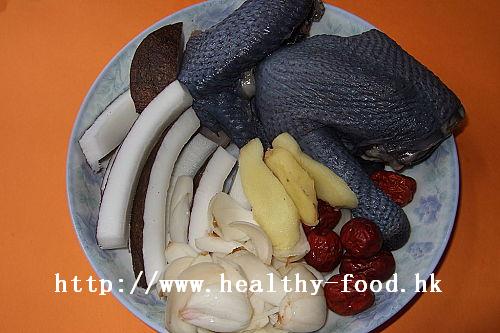
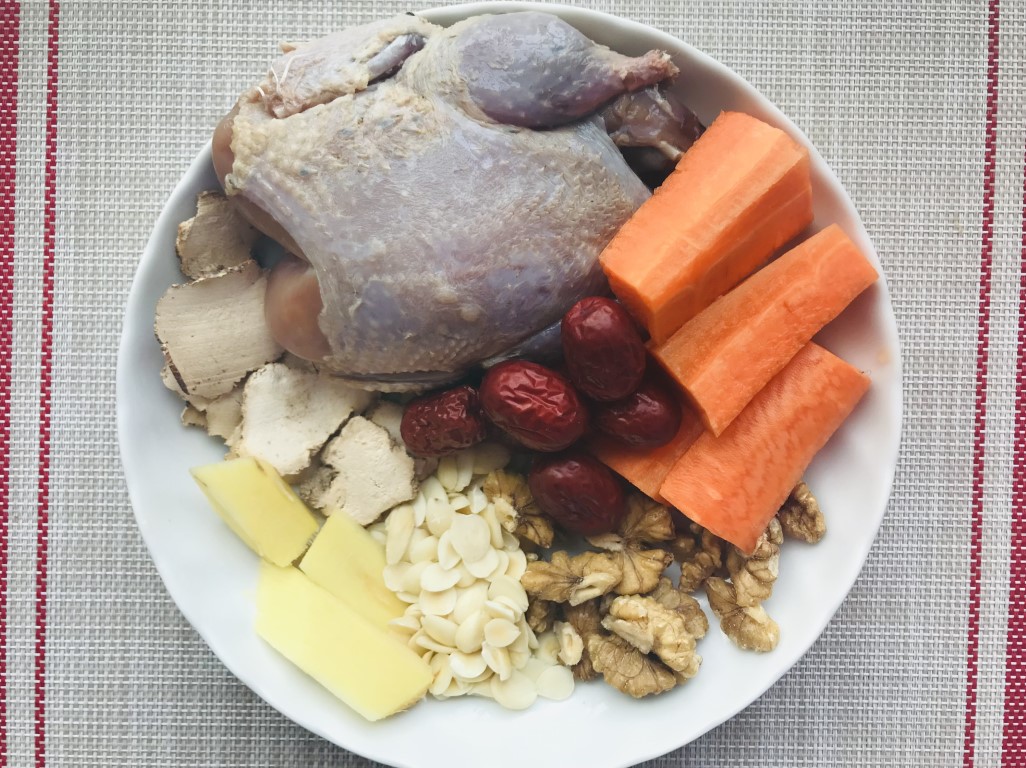
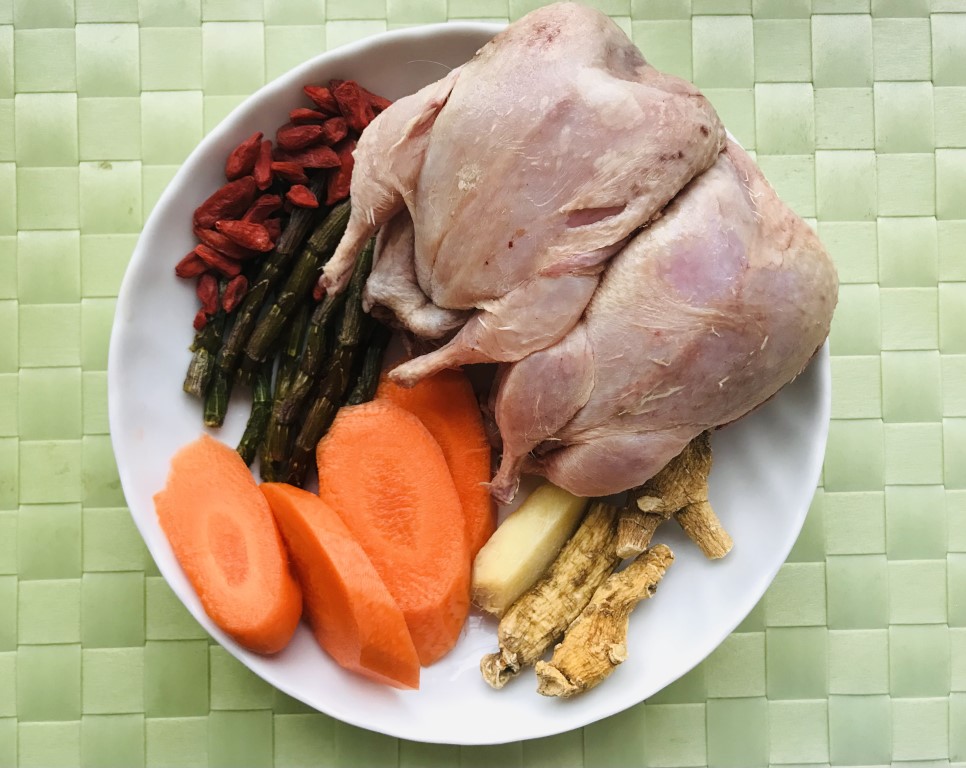
In short: Prince Ginseng and Adenophora Silkie Chicken Soup is a soup that traditionally used to nourish yin, moisten the lungs, and support recovery from dry cough. It is most often made for respiratory & lung wellness, energy & vitality, everyday balance. Total time about 2 hr 15 min. Key ingredients: red dates / jujubes, pitted, ginger, silkie chicken (black chicken).

Why people make this soup
Some people find that when the weather shifts between warm and cold — especially the unpredictable temperature swings of late autumn or winter — they are prone to a dry, ticklish cough, a parched throat, or a general feeling of depletion. In traditional Chinese food therapy this is often described as “lung qi deficiency with some internal heat” or a yin-deficient constitution. This soup was designed for exactly that kind of person: it is gentle, mildly sweet, and deeply nourishing without being warming or tonifying in a way that would aggravate internal heat. Nourilo describes it as both delicious and beneficial — and suitable for the whole family, young and old alike.
What studies say about the key ingredients
Traditional use is not the same as clinical proof. Here is the strongest human research we found for each ingredient, limitations included.
- Red dates
Jujube was associated with significantly lower BMI and triglycerides, and lower fasting blood sugar in people with type 2 diabetes. LDL and total cholesterol fell only in some subgroups. HDL, AST and ALT did not change significantly.Limitation: The authors state the overall quality of the evidence is limited, and results varied significantly by dose, treatment duration and disease type.PubMed 40399274 · 3 more red dates studies - Ginger
Overall, acute and delayed nausea and vomiting did not differ significantly between ginger and control groups. A subgroup taking 1 g/day or less for over four days had less acute vomiting (OR 0.30).Limitation: Clinical heterogeneity between trials required subgroup analyses, and the authors state that sufficiently large, high-quality RCTs are still needed.PubMed 36501010 · 3 more ginger studies
From the Nourilo Research Library. Findings come from specific doses, extracts and populations and may not apply to a home-cooked recipe.
Safety first — read before you cook
This is a traditional food, not a treatment. Please check with your doctor or pharmacist before making it a regular part of your diet if you:
- are pregnant or breastfeeding, or are cooking for a young child;
- take regular medicines — especially blood thinners, blood-pressure, diabetes or immune-suppressing drugs;
- have a kidney, liver or heart condition, or a known food allergy.
Ingredient notes for this recipe
- Ginseng: May interfere with blood clotting, might lower blood sugar and may worsen autoimmune conditions. Some experts advise against it for children and during pregnancy or breastfeeding. Source: NIH NCCIH — Asian Ginseng
Stop eating it and seek advice if you notice an allergic reaction or feel unwell. Safety notes reviewed 8 October 2026 · How we write safety notes
Members only
Unlock the full method & Nourilo's tips
One payment, lifetime access to every one of our 2,344 recipes — step-by-step methods, preparation tips and serving notes.
- Full step-by-step method for this and all 2,344 recipes
- Nourilo's Tips — sourcing, substitutions and serving notes
- One-time payment · card, Apple Pay or Google Pay · no subscription, no renewals
Checking your access…
$59.99 one-time · all recipes
Sign in or create a free account, then pay once by card, Apple Pay or Google Pay.
Continue with GoogleBy continuing with Google or email you confirm you are 16 or older and agree to our Terms of Use and Privacy Policy.
$59.99 one-time · all recipes
Signed in as ·
Secure checkout by Stripe. One-time payment, no renewals. Access is linked to your Nourilo account and never expires. By paying you agree to our Terms of Use; you can get a full refund within 14 days (refund policy).
Comments
Join the conversation — sign in or create a free account to comment.
Continue with GoogleBy continuing with Google or email you confirm you are 16 or older and agree to our Terms of Use and Privacy Policy.
Loading comments…