Congee & Porridge
Dried Oyster, Conpoy and Dried Vegetable Congee
traditionally used to nourish yin, clear heat, and support recovery after childbirth
In short: Dried Oyster, Conpoy and Dried Vegetable Congee is a congee & porridge that traditionally used to nourish yin, clear heat, and support recovery after childbirth. It is most often made for cooling & summer heat, women's wellness, children's wellness. Total time about 1 hr 5 min. Key ingredients: oysters, ginger, dried scallops, white rice.
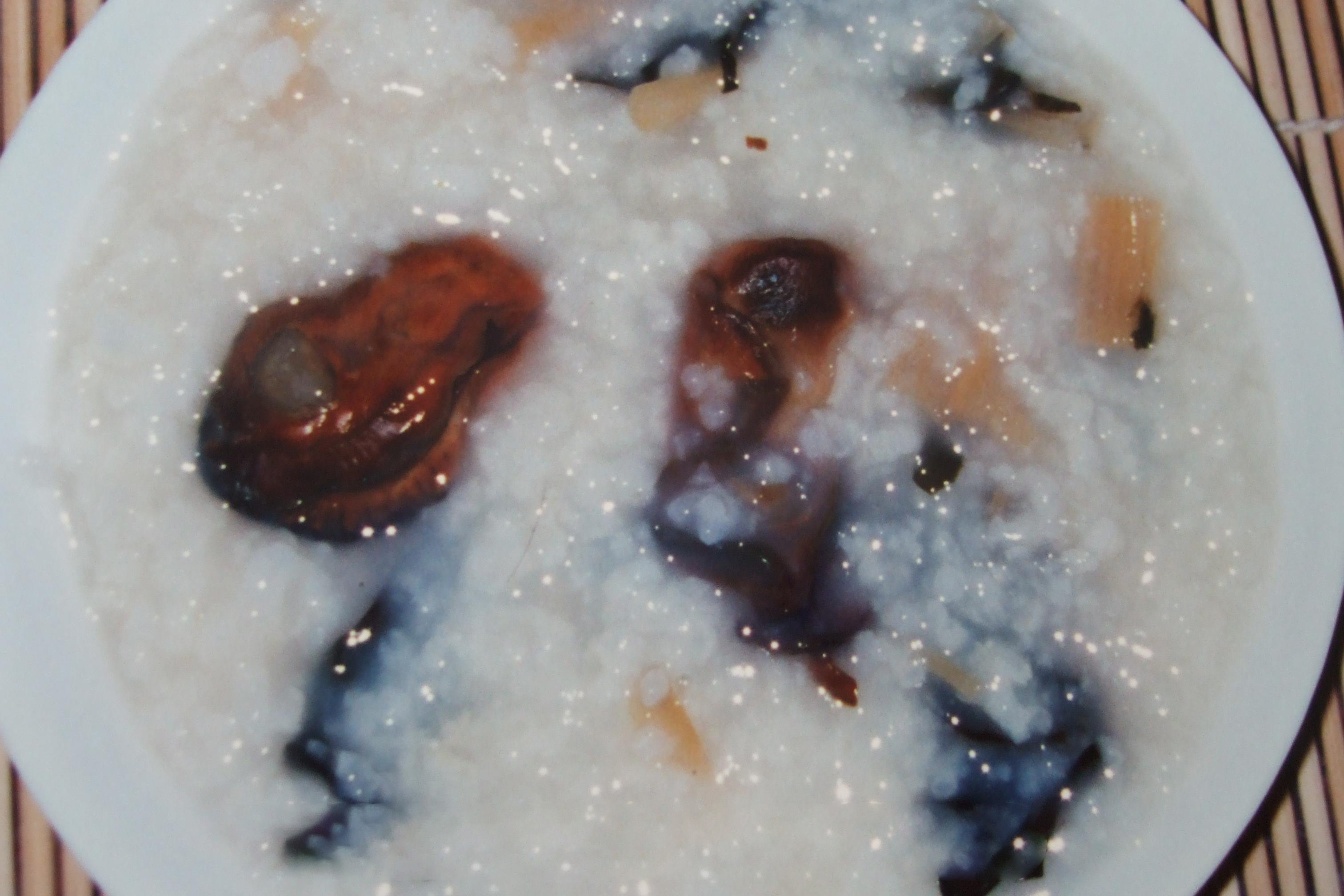
Why people make this congee
The weeks after giving birth can be a time of deep joy and real exhaustion. Many new mothers — especially those who are breastfeeding — experience a pattern traditional Chinese medicine describes as yin deficiency with excess heat: restlessness, poor sleep, an overheating feeling, and a digestive system that needs gentle encouragement. This congee has been used in Cantonese households for generations to gently address these concerns. It is neither too warming nor too cooling, making it suitable for mothers of any constitution.
Dried oysters are prized in traditional practice for their yin-nourishing and blood-supporting properties. They are also traditionally thought to encourage milk production — an added benefit for breastfeeding mothers. The conpoy adds a deeply savoury, umami richness that makes this congee surprisingly flavourful for what sounds like a simple recovery dish.
Method
- Soak the dried oysters in water until softened (30 minutes to 1 hour). Drain, rinse, then lightly pan-fry in a little oil until fragrant — this step deepens the flavour.
- Soak the conpoy until softened, then pull apart into shreds by hand.
- Soak the dried cabbage until softened, wash thoroughly, and chop finely.
- Rinse the white rice, then toss with a small amount of oil and a pinch of salt — this classic Cantonese technique helps the congee become silky and smooth.
- Combine all ingredients in a pot with enough water to cook to your preferred congee consistency. Bring to a boil, then reduce heat and simmer gently, stirring occasionally, until the rice is fully broken down and the congee is smooth and thick.
- Serve warm in generous portions.
Nourilo’s Tips
This congee has a naturally savoury, satisfying flavour that the whole family will enjoy. Beyond postpartum use, it is well suited to anyone who feels internal heat, restlessness, or irregular bowel function — including women going through menopause. The key to a smooth, flavourful congee is the brief oil-and-salt marinade for the rice and the pan-frying of the oysters before cooking.
What studies say about the key ingredients
Traditional use is not the same as clinical proof. Here is the strongest human research we found for each ingredient, limitations included.
- Ginger
Overall, acute and delayed nausea and vomiting did not differ significantly between ginger and control groups. A subgroup taking 1 g/day or less for over four days had less acute vomiting (OR 0.30).Limitation: Clinical heterogeneity between trials required subgroup analyses, and the authors state that sufficiently large, high-quality RCTs are still needed.PubMed 36501010 · 3 more ginger studies
From the Nourilo Research Library. Findings come from specific doses, extracts and populations and may not apply to a home-cooked recipe.
Safety first — read before you cook
This is a traditional food, not a treatment. Please check with your doctor or pharmacist before making it a regular part of your diet if you:
- are pregnant or breastfeeding, or are cooking for a young child;
- take regular medicines — especially blood thinners, blood-pressure, diabetes or immune-suppressing drugs;
- have a kidney, liver or heart condition, or a known food allergy.
Stop eating it and seek advice if you notice an allergic reaction or feel unwell. Safety notes reviewed 8 October 2026 · How we write safety notes
Comments
Join the conversation — sign in or create a free account to comment.
Continue with GoogleBy continuing with Google or email you confirm you are 16 or older and agree to our Terms of Use and Privacy Policy.
Loading comments…