Soups
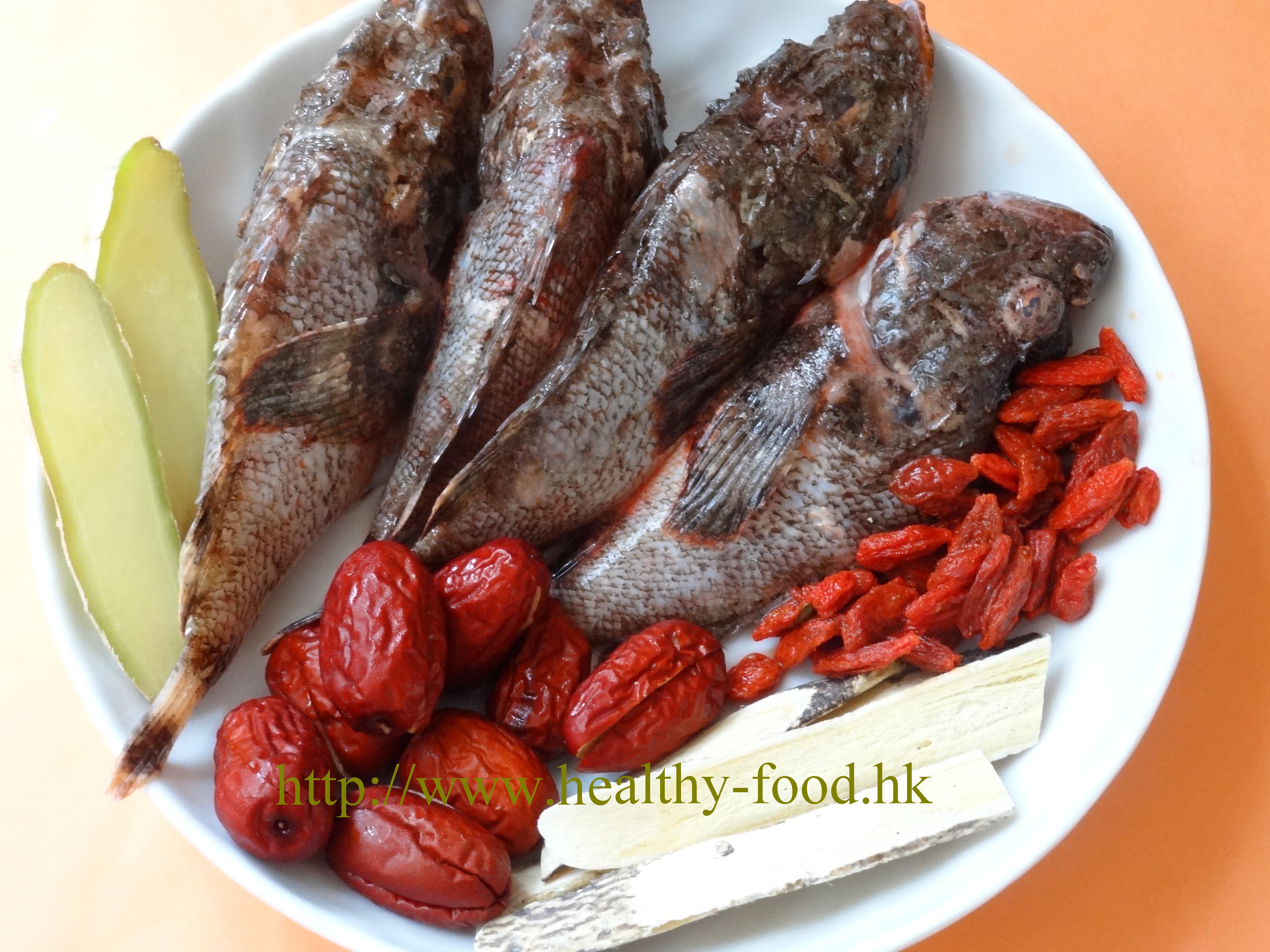
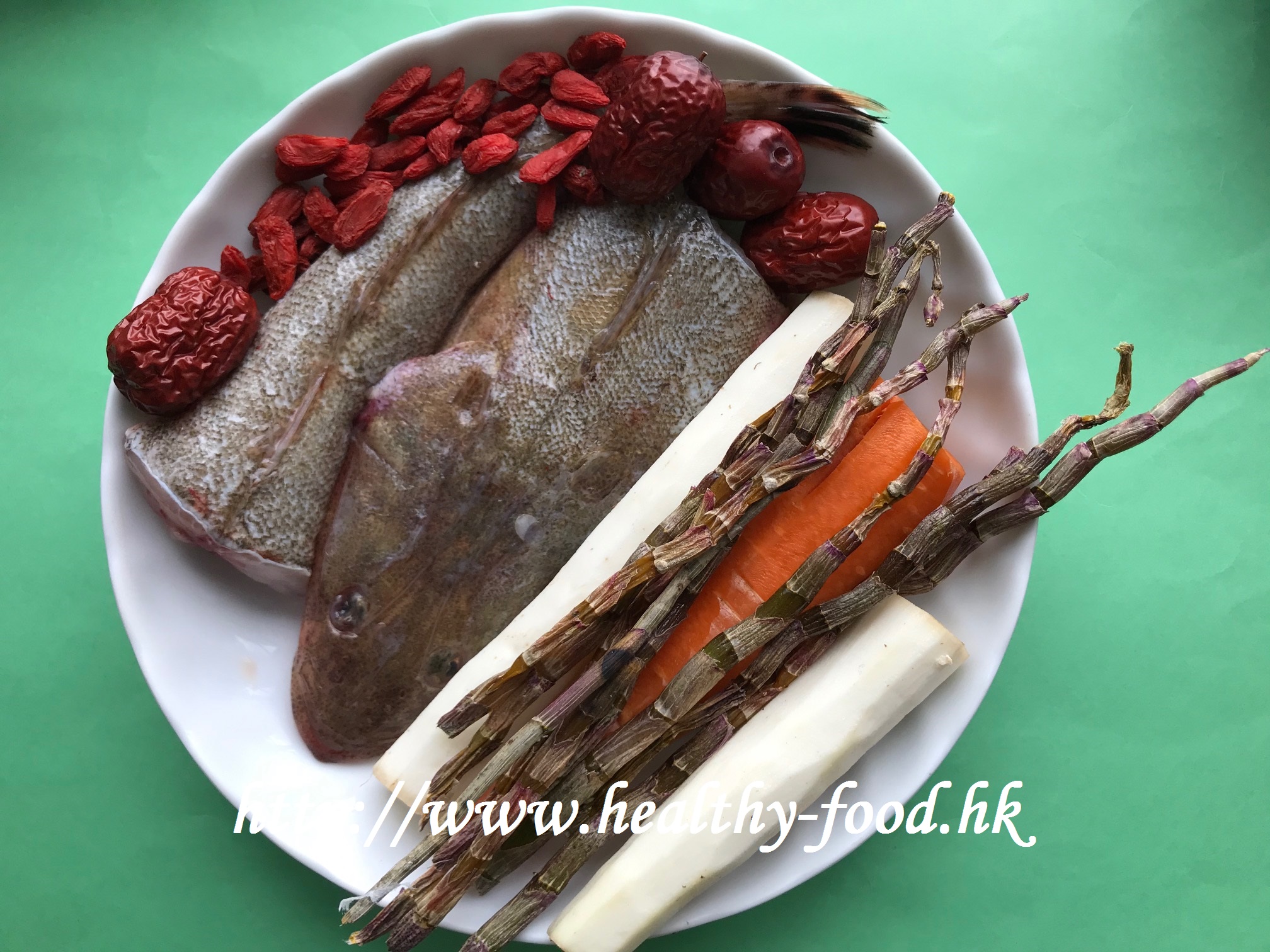
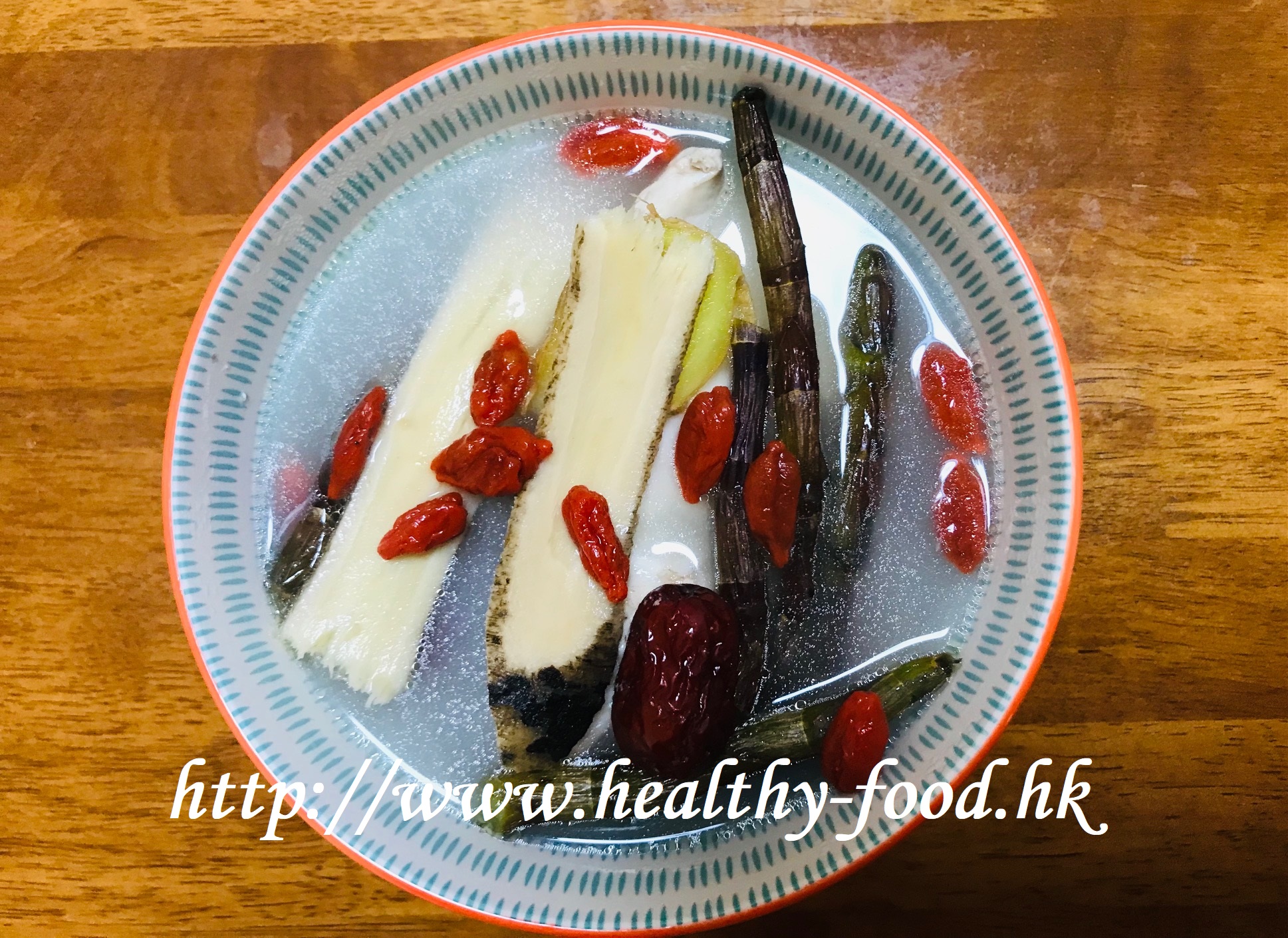
Scorpionfish, Astragalus, Goji, and Red Date Soup
Traditionally used to support wound healing and strengthen the body after surgery or illness
In short: Scorpionfish, Astragalus, Goji, and Red Date Soup is a soup that Traditionally used to support wound healing and strengthen the body after surgery or illness. It is most often made for energy & vitality, everyday balance. Total time about 105 min. Key ingredients: astragalus root, goji berries, red dates, ginger.
Why people make this soup
Scorpionfish (shi chong yu) is not a well-known fish in Western kitchens, but in Cantonese food therapy it holds a specific and respected place: it is traditionally considered one of the most effective fish for supporting the healing of deep tissue after surgery. Surface wounds typically close within 10 days or so, but deep layers take much longer — sometimes two to three months — to fully recover. Nourilo suggests having this soup about three to four times in the week or two following a procedure, not daily, and then transitioning to more general nourishing soups as the body rebuilds. If scorpionfish is unavailable, sea bass (lu yu / hai lu yu) is the most widely recommended substitute — it is easy to find, similarly firm-fleshed, and carries its own reputation in Chinese cooking for supporting the body after illness.
An important safety note: scorpionfish have venomous spines — Nourilo advises having the fish monger do the initial preparation. Handle with care at home.
Method
- Have the fish shop clean the scorpionfish, remove fins and spines, and gut it. Handle carefully at home — the spines are venomous and cause intense pain.
- Pat the fish dry. Heat a little oil in a pan or wok and lightly pan-fry the fish until golden on both sides. This removes the raw smell and enriches the broth.
- Rinse astragalus slices, goji berries, and red dates briefly in cool water.
- Place the pan-fried fish, herbs, and ginger into a pot with 1.8 L of water.
- Bring to a boil, then reduce heat to a gentle simmer.
- Cook for approximately 90 minutes until the liquid reduces to 1.2 L.
- Serve warm; drink the soup and eat any fish flesh and soft soup ingredients.
Nourilo’s Tips
- This soup is best consumed 3–5 times in the first two to three weeks after surgery, not every day. Once the surface wound has healed and appetite returns, broader nourishing soups (with lean pork, lotus seeds, huai shan, etc.) can replace it.
- If scorpionfish is unavailable, sea bass (lu yu) is the best readily available substitute. Other fresh ocean fish such as red grouper work reasonably well too.
- If you cannot pan-fry (e.g., early post-surgery when cooking at home is difficult), the fish can be added directly — just increase the ginger to 3–4 slices to manage the fishy smell.
- Lean pork can be added alongside the fish for extra flavour and nourishment — no conflict.
- Adding a piece of aged tangerine peel (chen pi) or extra ginger slices is fine and helps with digestion.
What studies say about the key ingredients
Traditional use is not the same as clinical proof. Here is the strongest human research we found for each ingredient, limitations included.
- Astragalus root
TA-65 was associated with longer leukocyte telomeres compared with controls, but the meta-analysis found no significant improvement in frailty measures or inflammatory markers (CRP/IL-6). Mild gastrointestinal effects were reported.Limitation: Industry-funded trials reported larger effects than others, and the compound is a purified extract at doses not comparable to eating Astragalus root.PubMed 41286474 · 3 more astragalus root studies - Goji berries
Compared with placebo (n=80), the goji juice group (n=81) reported greater improvements in several self-rated symptoms, including stress, mental acuity, sleep quality and overall well-being, under a random effects model.Limitation: Outcomes were self-reported symptom questionnaires, and several symptoms showed significant heterogeneity across the four pooled trials of a single branded juice.PubMed 22897500 · 3 more goji berries studies - Red dates
Jujube was associated with significantly lower BMI and triglycerides, and lower fasting blood sugar in people with type 2 diabetes. LDL and total cholesterol fell only in some subgroups. HDL, AST and ALT did not change significantly.Limitation: The authors state the overall quality of the evidence is limited, and results varied significantly by dose, treatment duration and disease type.PubMed 40399274 · 3 more red dates studies
From the Nourilo Research Library. Findings come from specific doses, extracts and populations and may not apply to a home-cooked recipe.
Safety first — read before you cook
This is a traditional food, not a treatment. Please check with your doctor or pharmacist before making it a regular part of your diet if you:
- are pregnant or breastfeeding, or are cooking for a young child;
- take regular medicines — especially blood thinners, blood-pressure, diabetes or immune-suppressing drugs;
- have a kidney, liver or heart condition, or a known food allergy.
Ingredient notes for this recipe
- Goji berries: A few cases of raised INR (a bleeding-risk marker) have been reported in people taking warfarin after drinking concentrated goji tea or wine. If you take a blood thinner, check with your doctor. Source: Memorial Sloan Kettering — Lycium
- Astragalus: May interact with medicines that suppress the immune system. A thorough safety evaluation has not been done, and little is known about its safety in pregnancy or breastfeeding. Source: NIH NCCIH — Astragalus
Stop eating it and seek advice if you notice an allergic reaction or feel unwell. Safety notes reviewed 8 October 2026 · How we write safety notes

Comments
Join the conversation — sign in or create a free account to comment.
Continue with GoogleBy continuing with Google or email you confirm you are 16 or older and agree to our Terms of Use and Privacy Policy.
Loading comments…