Soups
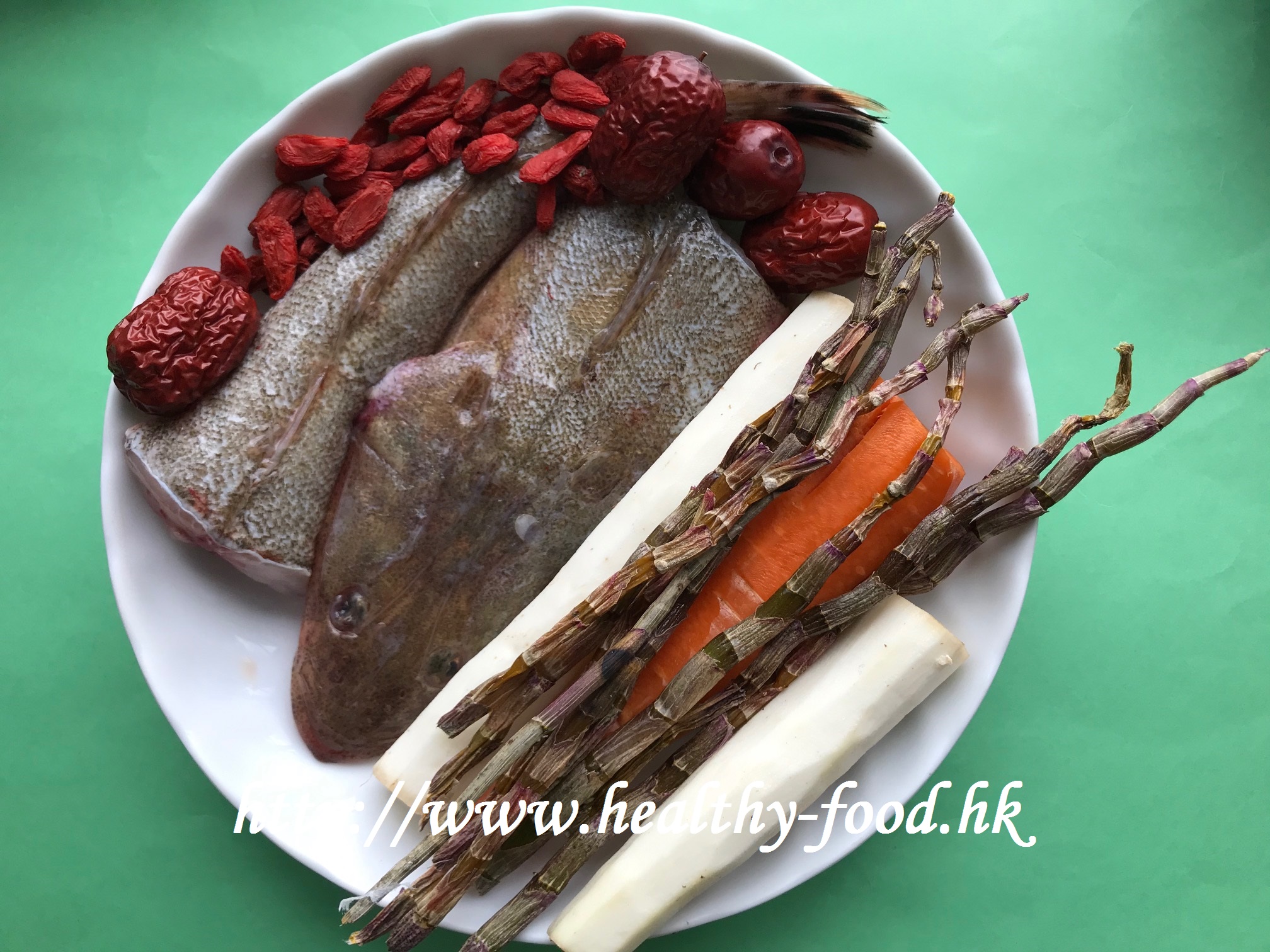
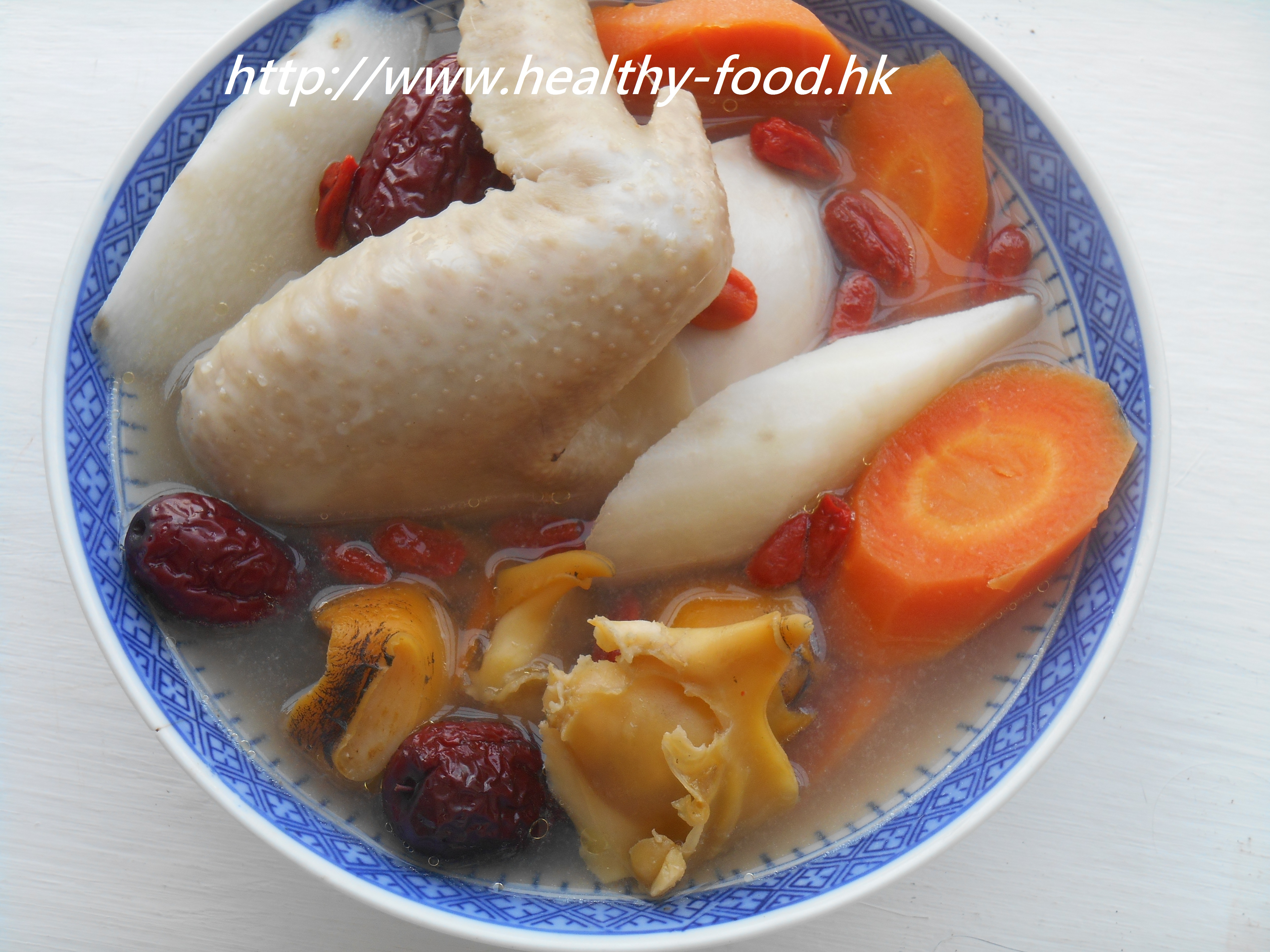
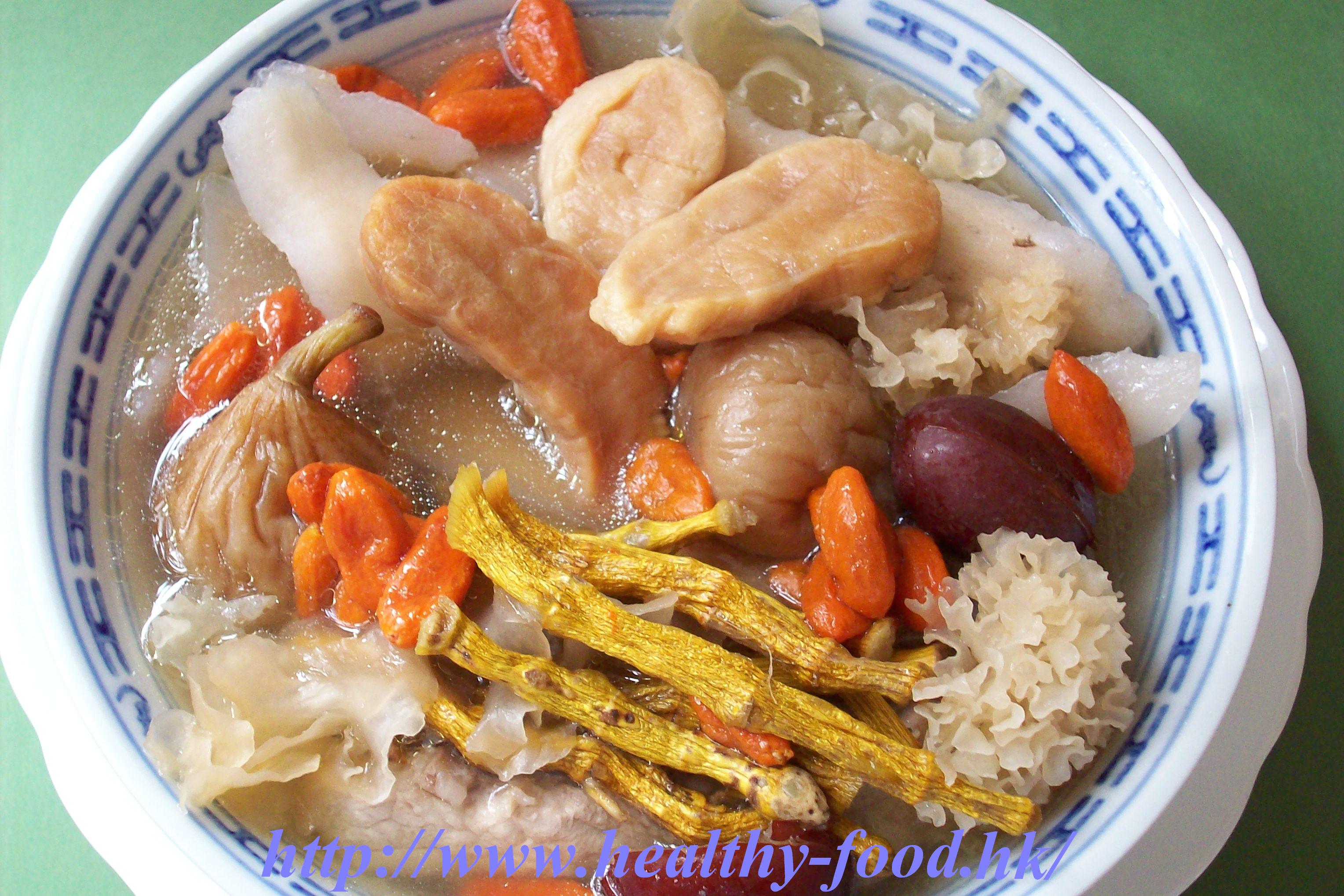
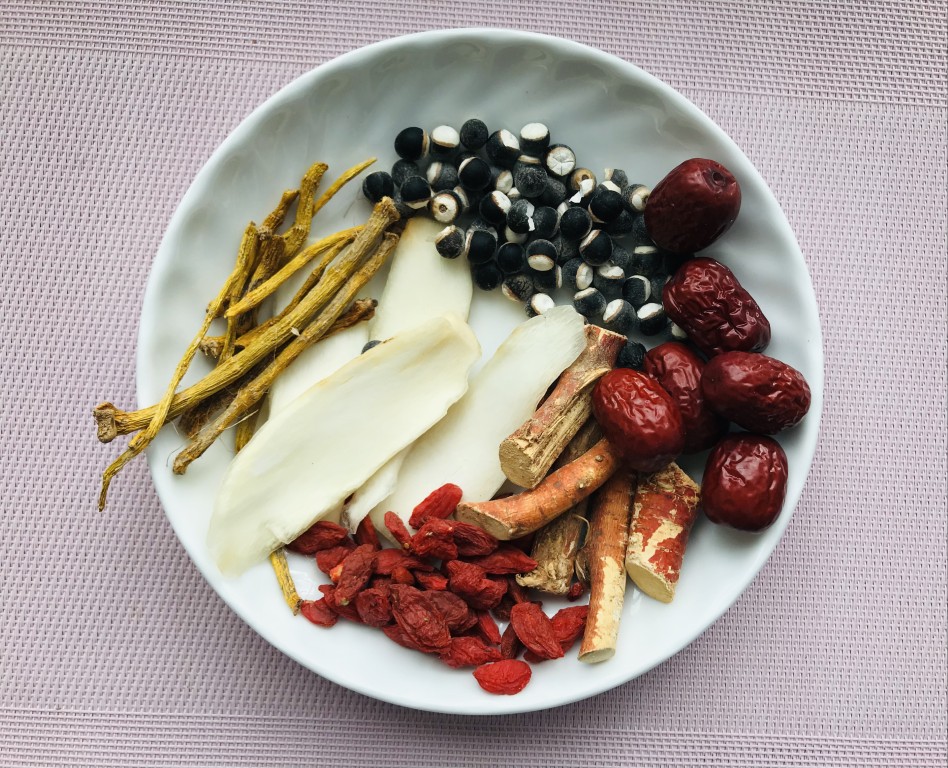
Fresh Dendrobium, Chinese Yam and Mudfish Soup
Traditionally used to support recovery after surgery or serious illness
In short: Fresh Dendrobium, Chinese Yam and Mudfish Soup is a soup that Traditionally used to support recovery after surgery or serious illness. It is most often made for energy & vitality, everyday balance. Total time about 110 min. Key ingredients: dendrobium, chinese yam, carrot, goji berries.
Why people make this soup
After surgery or a serious illness, appetite is often poor, fluid levels feel depleted, and the body needs easily absorbed nourishment. Chinese food therapy has a long tradition of soups designed for exactly this kind of recovery period. Mudfish (niu qiu yu) is a freshwater fish with a rich, sweet broth and high protein content, making it especially suitable for people who feel weak and have difficulty eating. Paired with fresh dendrobium — a herb traditionally prized for replenishing body fluids and calming a dry, feverish feeling — and fresh Chinese yam to protect the stomach lining and aid absorption, this soup is gentle, flavourful and nourishing without being heavy.
Method
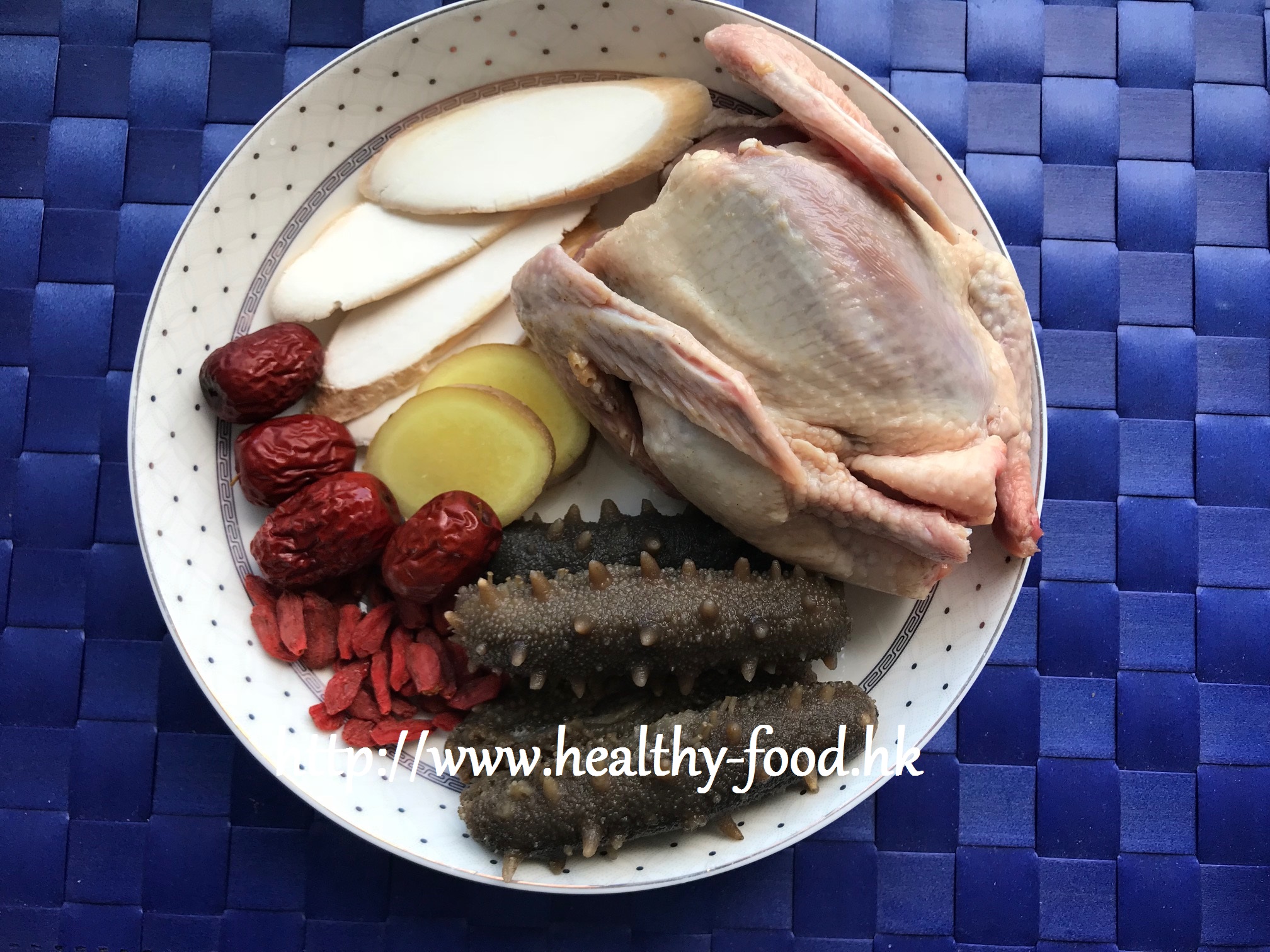
- Clean the mudfish thoroughly. Heat a little oil in a pan with the ginger slices and pan-fry the fish until lightly golden. Place the fish into a fish soup bag (or muslin cloth).
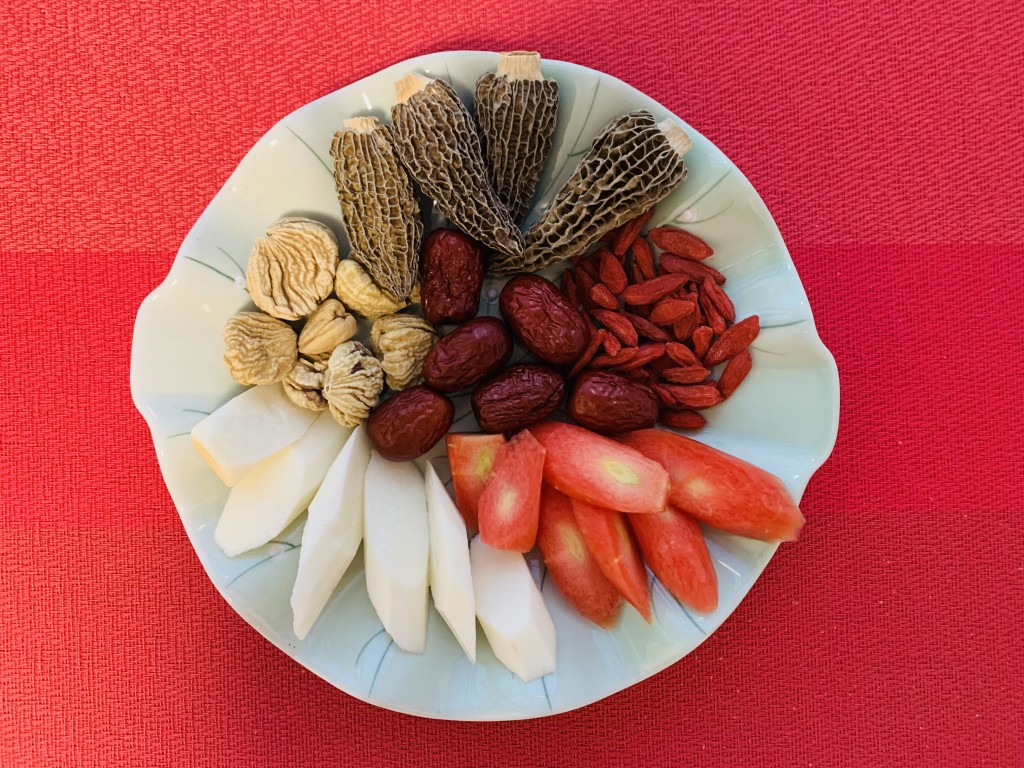
- Rinse the fresh dendrobium and cut into sections. Peel the Chinese yam and carrot, cut into chunks. Pit the red dates.
- Place all ingredients — including the fish in its bag — into a pot with 2.4 L of water.
- Bring to a boil, then simmer steadily for 1.5 hours until the soup has reduced to about 1.2–1.5 L.
- Remove the fish bag. Serve the soup with the solid ingredients and enjoy.
Nourilo’s Tips
Fresh dendrobium has a mildly sweet, slightly sticky taste — that stickiness signals the polysaccharides that make it food-therapeutically valuable. Look for stems with a slightly purplish skin; fresh dendrobium is available at Chinese herb shops and Asian grocers, or online. If fresh dendrobium is unavailable, use 9 g (11 g) of dried dendrobium. The American ginseng (花旗参) should be added after the soup is cooked — steeped for 5 minutes off the heat — to preserve its beneficial volatile compounds. Pan-frying the fish in ginger before adding it to the pot removes any muddy smell and helps produce a more fragrant broth.
What studies say about the key ingredients
Traditional use is not the same as clinical proof. Here is the strongest human research we found for each ingredient, limitations included.
- Dendrobium
Salivary flow rate and oral mucosal scores improved more in the Dendrobium group than in the control group using vitamin B12 rinse alone (P < .05). Serum IL-10 rose from baseline, and oral bacterial composition differed.Limitation: Small single-hospital sample; the Dendrobium group also used the B12 rinse, and the abstract does not say whether the control group received a placebo drink.PubMed 39811879 · 2 more dendrobium studies - Goji berries
Compared with placebo (n=80), the goji juice group (n=81) reported greater improvements in several self-rated symptoms, including stress, mental acuity, sleep quality and overall well-being, under a random effects model.Limitation: Outcomes were self-reported symptom questionnaires, and several symptoms showed significant heterogeneity across the four pooled trials of a single branded juice.PubMed 22897500 · 3 more goji berries studies - Red dates
Jujube was associated with significantly lower BMI and triglycerides, and lower fasting blood sugar in people with type 2 diabetes. LDL and total cholesterol fell only in some subgroups. HDL, AST and ALT did not change significantly.Limitation: The authors state the overall quality of the evidence is limited, and results varied significantly by dose, treatment duration and disease type.PubMed 40399274 · 3 more red dates studies
From the Nourilo Research Library. Findings come from specific doses, extracts and populations and may not apply to a home-cooked recipe.
Safety first — read before you cook
This is a traditional food, not a treatment. Please check with your doctor or pharmacist before making it a regular part of your diet if you:
- are pregnant or breastfeeding, or are cooking for a young child;
- take regular medicines — especially blood thinners, blood-pressure, diabetes or immune-suppressing drugs;
- have a kidney, liver or heart condition, or a known food allergy.
Ingredient notes for this recipe
- Goji berries: A few cases of raised INR (a bleeding-risk marker) have been reported in people taking warfarin after drinking concentrated goji tea or wine. If you take a blood thinner, check with your doctor. Source: Memorial Sloan Kettering — Lycium
Stop eating it and seek advice if you notice an allergic reaction or feel unwell. Safety notes reviewed 8 October 2026 · How we write safety notes
Comments
Join the conversation — sign in or create a free account to comment.
Continue with GoogleBy continuing with Google or email you confirm you are 16 or older and agree to our Terms of Use and Privacy Policy.
Loading comments…