Soups
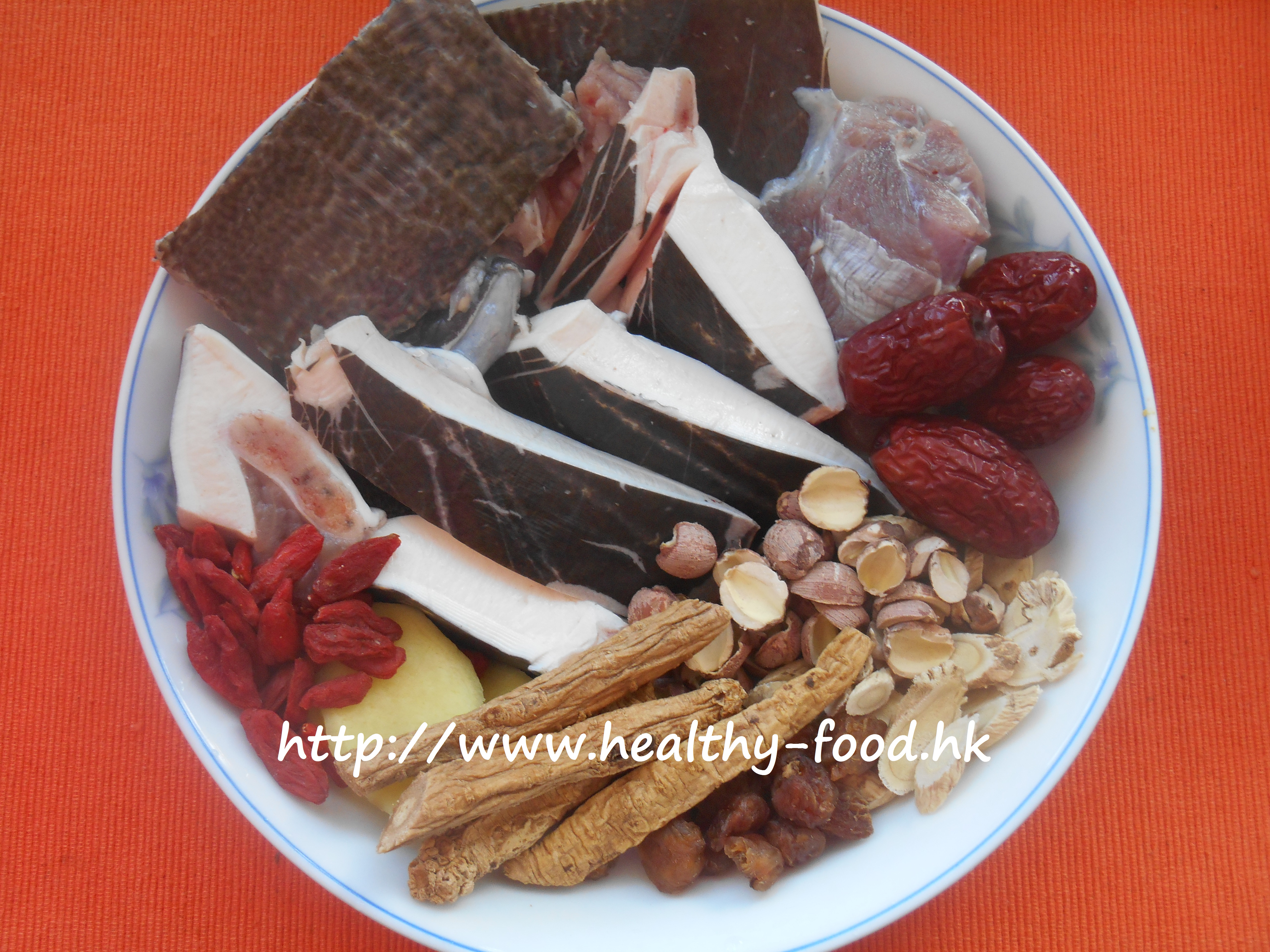
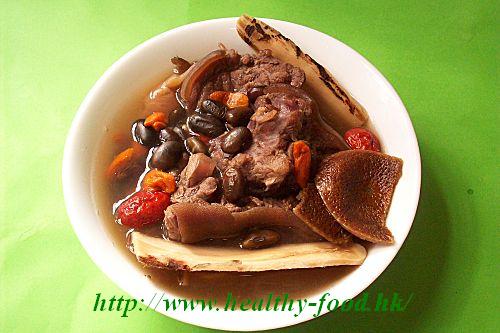
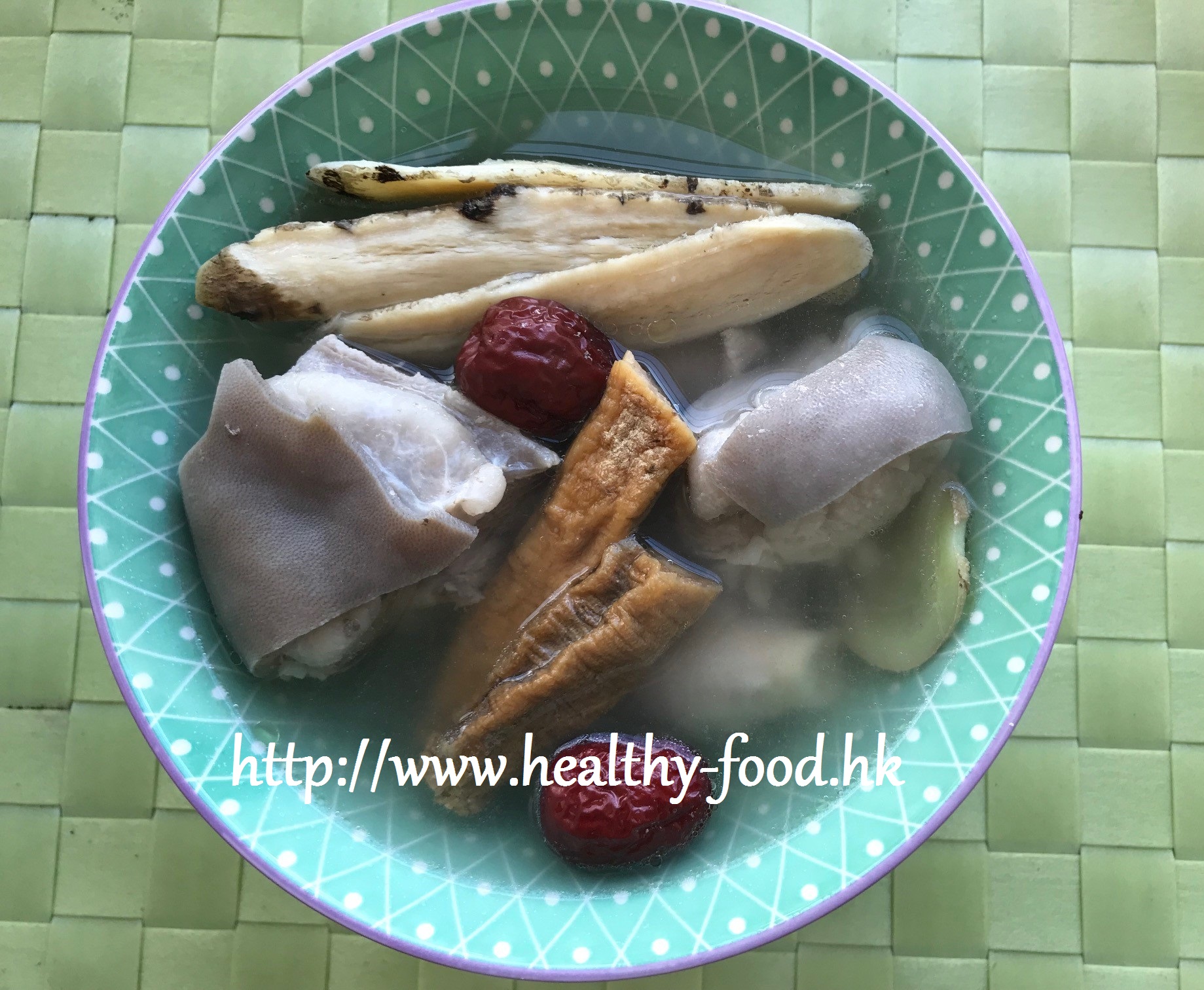
Astragalus, Codonopsis, Longan and Mountain Turtle Broth
Traditionally used to support recovery strength and nourishment after surgery or serious illness
In short: Astragalus, Codonopsis, Longan and Mountain Turtle Broth is a soup that Traditionally used to support recovery strength and nourishment after surgery or serious illness. It is most often made for energy & vitality, everyday balance. Total time about 200 min. Key ingredients: astragalus root, codonopsis root, goji berries, longan flesh.
Why people make this soup
In Cantonese culinary tradition, double-steamed turtle broth has long been considered one of the most restorative soups you can offer someone in recovery. Mountain turtle is traditionally valued for nourishing yin, clearing deficiency heat, supporting liver and kidney function, and helping to soften hardness in the body. Its thick shell and flesh yield a remarkably clear, sweet broth when double-steamed with classic tonic herbs. Paired here with astragalus root for qi, codonopsis for the spleen and lungs, longan for the heart and blood, and goji berries for the liver, this soup is one of the more considered post-illness tonics in the Cantonese repertoire.
Method
- Remove fatty deposits from the turtle meat. Bring a large pot of water to a boil, plunge the turtle (shell and all) into the boiling water briefly to blanch, then lift out and peel away the white membrane that loosens.
- In a small amount of oil, lightly pan-fry the turtle pieces until fragrant and lightly golden on the outside. This step adds depth to the final broth.
- Pit the red dates. Rinse all herbs in clean water and set aside.
- Place all ingredients — turtle, herbs, ginger, dates — into a ceramic double-steaming vessel (dun zhong). Pour in enough freshly boiled water to cover.
- Seal the lid and double-steam over simmering water for 3 hours.
- Season lightly with salt before serving. The broth should be clear and naturally sweet.
Nourilo’s Tips
- This broth is especially suited to people who have had surgery, experienced serious fever illness, or are recovering from cancer treatment — particularly those with signs of yin deficiency (dry mouth, low-grade heat sensations, night sweats, poor sleep).
- Mountain turtle is richer and more nourishing than ordinary soft-shell turtle (shui yu). If you can find it, use it. Wild-caught soft-shell turtle is also excellent, though not always available; farmed versions contain hormones and are far less beneficial.
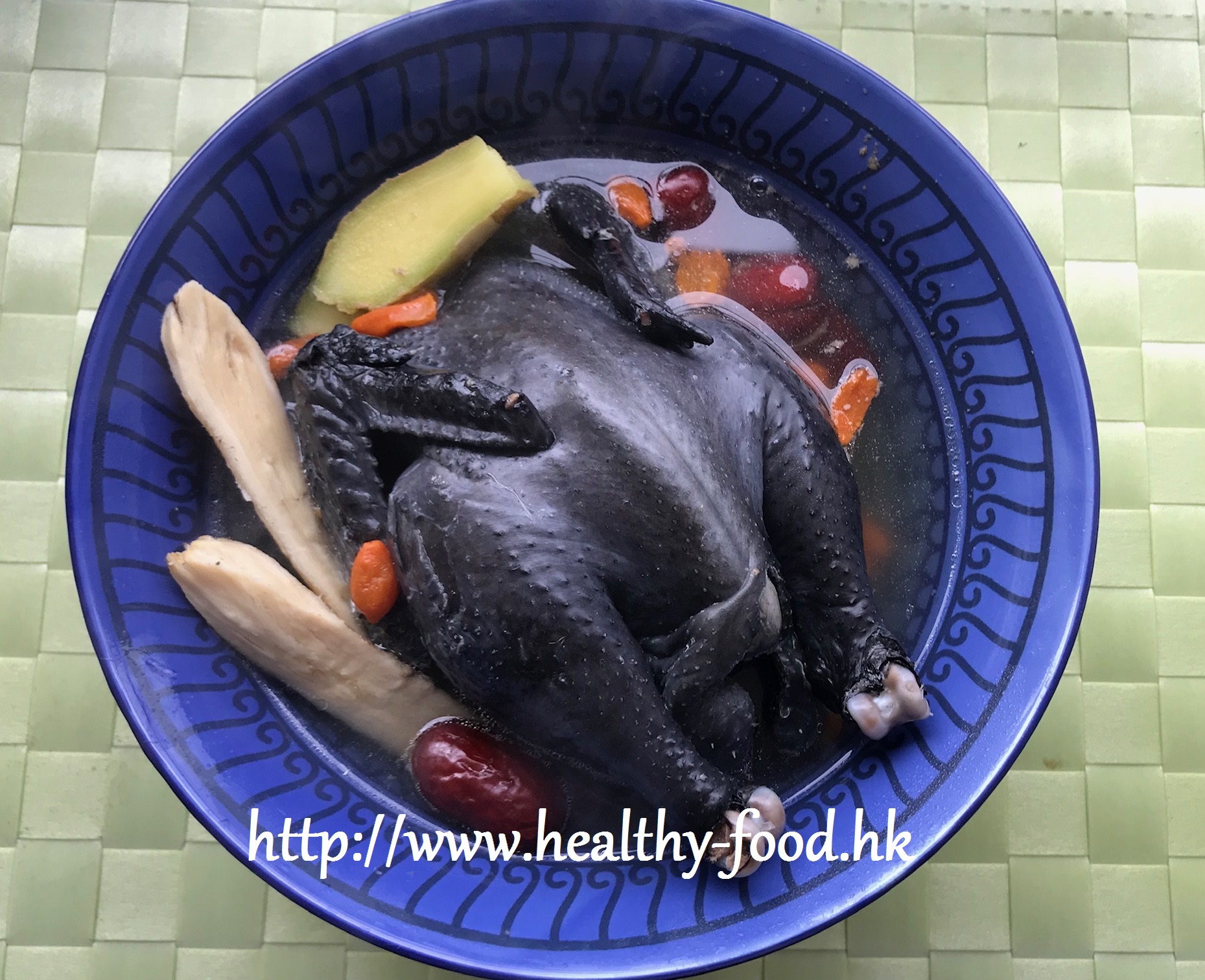
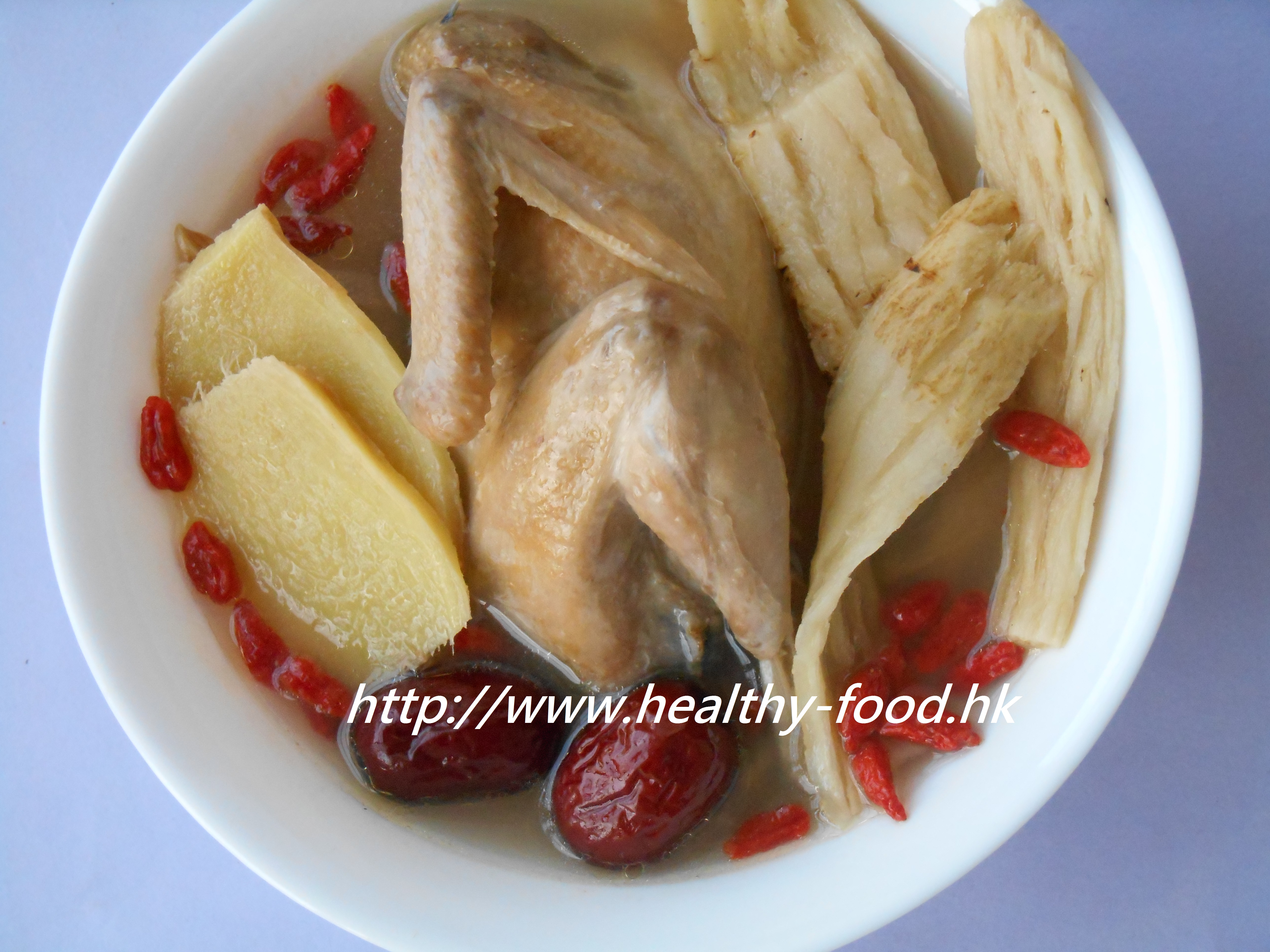
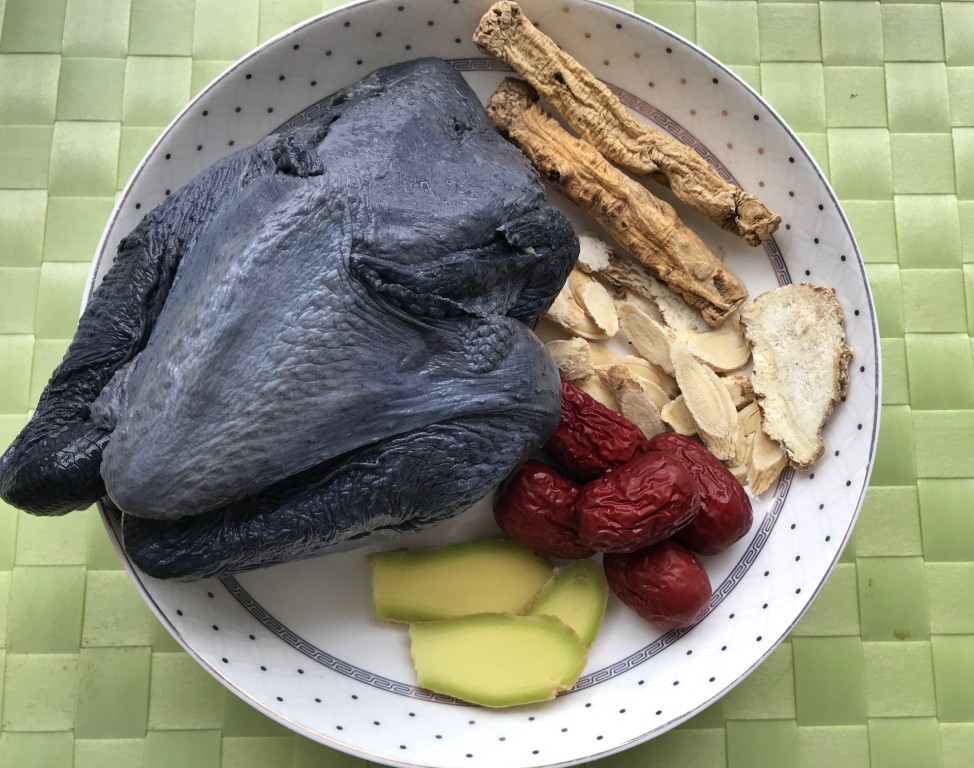
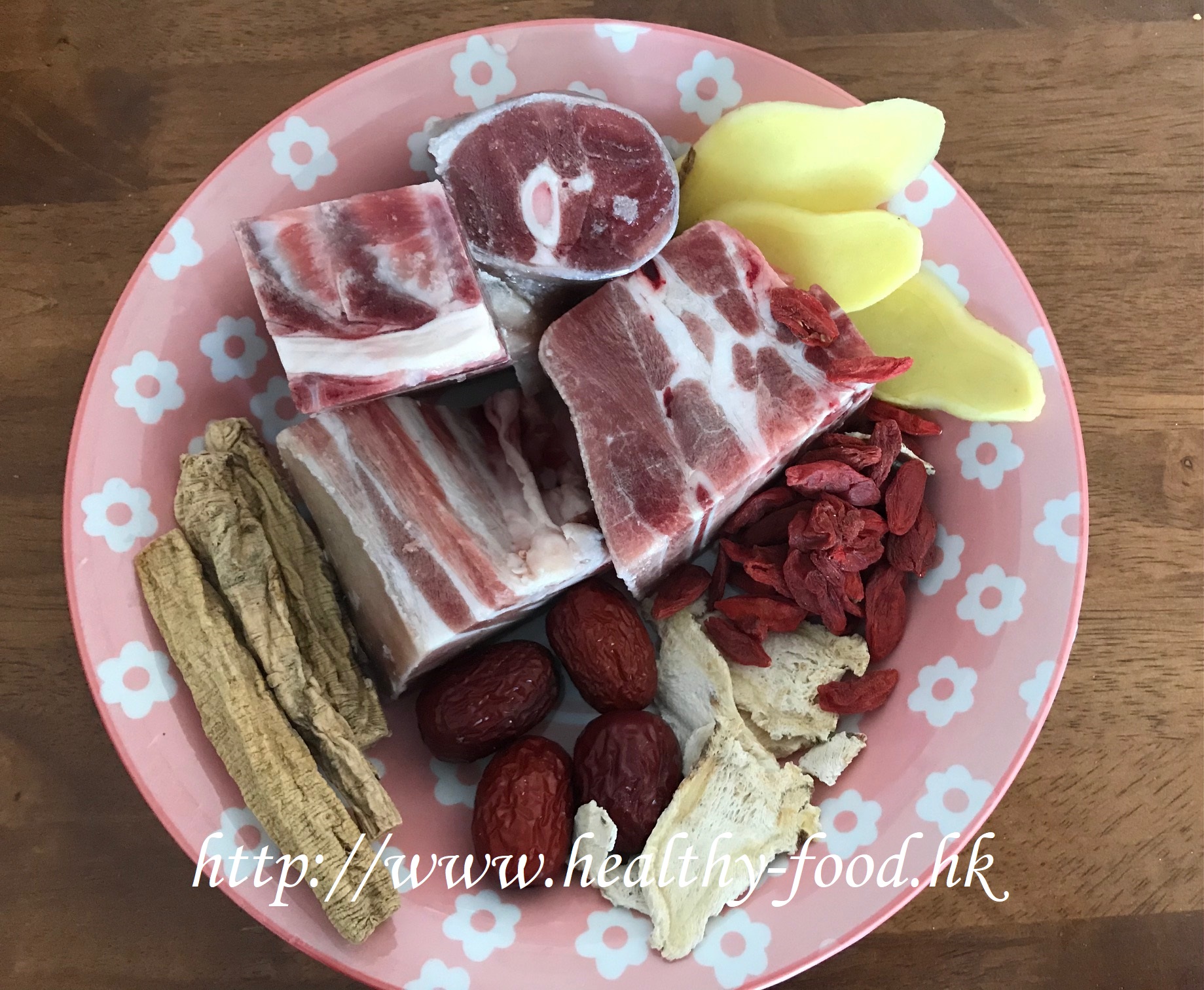
- If you cannot access turtle at all, the herb combination can be simmered with pork loin or chicken for a still-nourishing recovery broth.
What studies say about the key ingredients
Traditional use is not the same as clinical proof. Here is the strongest human research we found for each ingredient, limitations included.
- Astragalus root
TA-65 was associated with longer leukocyte telomeres compared with controls, but the meta-analysis found no significant improvement in frailty measures or inflammatory markers (CRP/IL-6). Mild gastrointestinal effects were reported.Limitation: Industry-funded trials reported larger effects than others, and the compound is a purified extract at doses not comparable to eating Astragalus root.PubMed 41286474 · 3 more astragalus root studies - Goji berries
Compared with placebo (n=80), the goji juice group (n=81) reported greater improvements in several self-rated symptoms, including stress, mental acuity, sleep quality and overall well-being, under a random effects model.Limitation: Outcomes were self-reported symptom questionnaires, and several symptoms showed significant heterogeneity across the four pooled trials of a single branded juice.PubMed 22897500 · 3 more goji berries studies - Ginger
Overall, acute and delayed nausea and vomiting did not differ significantly between ginger and control groups. A subgroup taking 1 g/day or less for over four days had less acute vomiting (OR 0.30).Limitation: Clinical heterogeneity between trials required subgroup analyses, and the authors state that sufficiently large, high-quality RCTs are still needed.PubMed 36501010 · 3 more ginger studies
From the Nourilo Research Library. Findings come from specific doses, extracts and populations and may not apply to a home-cooked recipe.
Safety first — read before you cook
This is a traditional food, not a treatment. Please check with your doctor or pharmacist before making it a regular part of your diet if you:
- are pregnant or breastfeeding, or are cooking for a young child;
- take regular medicines — especially blood thinners, blood-pressure, diabetes or immune-suppressing drugs;
- have a kidney, liver or heart condition, or a known food allergy.
Ingredient notes for this recipe
- Goji berries: A few cases of raised INR (a bleeding-risk marker) have been reported in people taking warfarin after drinking concentrated goji tea or wine. If you take a blood thinner, check with your doctor. Source: Memorial Sloan Kettering — Lycium
- Astragalus: May interact with medicines that suppress the immune system. A thorough safety evaluation has not been done, and little is known about its safety in pregnancy or breastfeeding. Source: NIH NCCIH — Astragalus
Stop eating it and seek advice if you notice an allergic reaction or feel unwell. Safety notes reviewed 8 October 2026 · How we write safety notes
Comments
Join the conversation — sign in or create a free account to comment.
Continue with GoogleBy continuing with Google or email you confirm you are 16 or older and agree to our Terms of Use and Privacy Policy.
Loading comments…