Soups
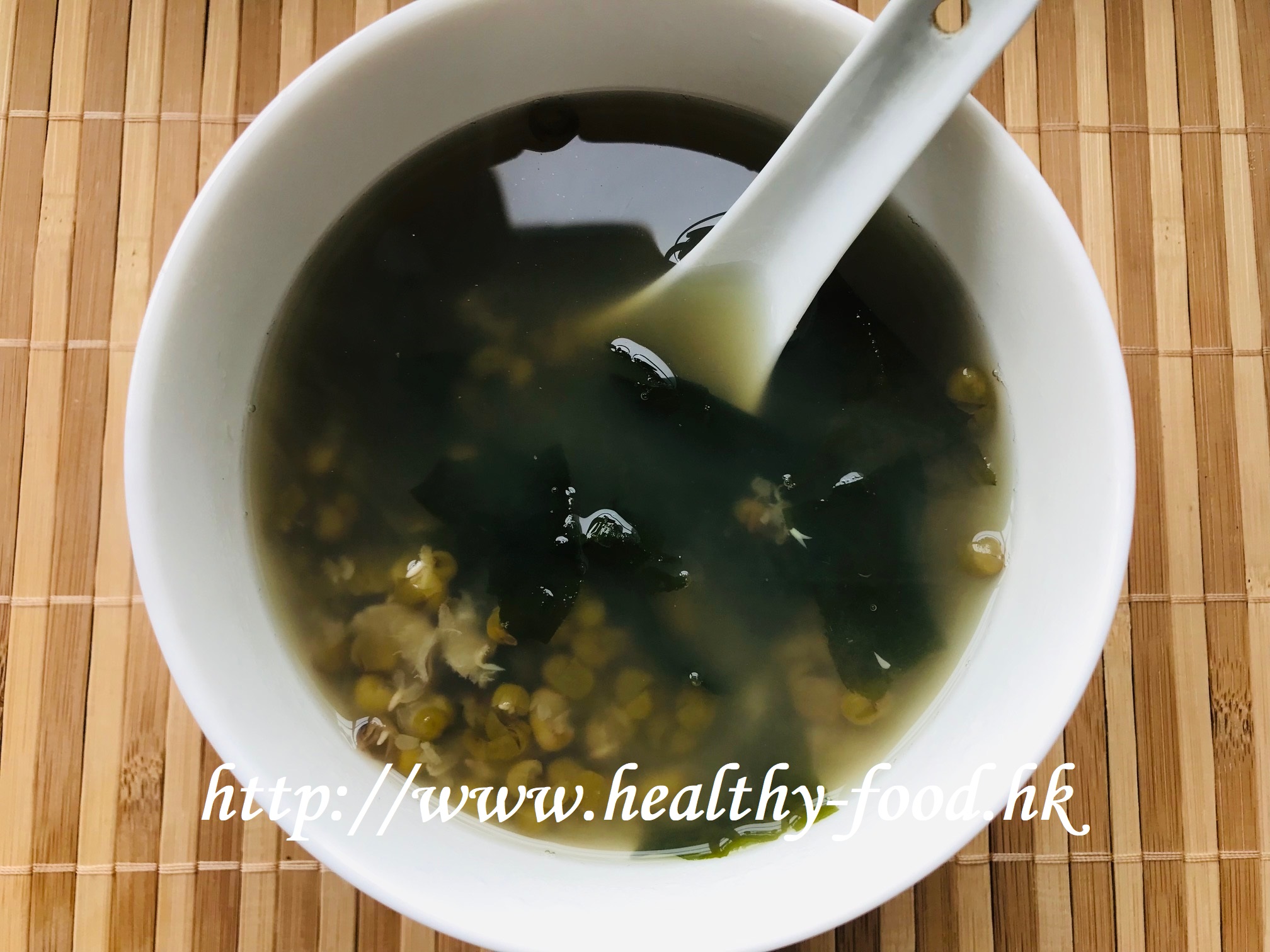
Mung Bean & Seaweed Soup
Traditionally associated with reducing internal heat, supporting cholesterol balance, and aiding weight management
In short: Mung Bean & Seaweed Soup is a soup that Traditionally associated with reducing internal heat, supporting cholesterol balance, and aiding weight management. It is most often made for weight & metabolism, heart & circulation, everyday balance. Total time about 1 hr 10 min. Key ingredients: mung beans, rock sugar.
Why people make this soup
Seaweed is one of those superfoods hiding in plain sight at the supermarket — you can grab a packet, toss a small handful into a soup or noodle dish, and you have quietly added a wealth of vitamins and minerals to your meal. Seaweed comes in many forms (kelp, wakame, hijiki, large-leaf or small-leaf varieties, spirulina), and all of them share certain qualities: they are rich in natural iodine, B12, vitamins C and E, and minerals like calcium, iron, and potassium. Researchers have been looking into the special polysaccharides in seaweed that seem to have immune-supporting and antioxidant properties.
Paired with mung beans — a staple of Chinese medicinal cooking for clearing heat and supporting liver function — this soup is about as simple and approachable as food therapy gets. It is traditionally considered a good choice for people who have been overdoing the spicy food or barbecue, those dealing with constipation, or anyone who wants a regular, gentle nudge toward better cholesterol numbers and cleaner blood. In spring especially, Nourilo recommends eating more green foods as part of liver-care seasonal cooking.
Method
- Soak and rinse the mung beans; rinse the dried seaweed quickly under cold water.
- Add 1.8 L of water and the mung beans to a pot. Bring to a boil, then reduce to a low simmer and cook for about 1 hour, until the mung beans are soft and beginning to break apart.
- Add the rock sugar and seaweed. Stir until the sugar has dissolved, then cook for another 2–3 minutes.
- Taste, adjust sweetness, and serve warm or at room temperature.
Nourilo’s Tips
This soup is also traditionally thought to help the body cope with certain food-related toxins, including alcohol. It is particularly beneficial for people with a tendency toward constipation, those who are overweight, and anyone managing elevated cholesterol or blood lipids. Those with habitually cold or weak digestion should keep portions modest. If you would like this as a savoury soup rather than a sweet one, simply omit the rock sugar and pair it with a main meal.
What studies say about the key ingredients
Traditional use is not the same as clinical proof. Here is the strongest human research we found for each ingredient, limitations included.
- Mung beans
Breath hydrogen and methane were higher after wheat than after rice or mung bean noodles. Bloating scores after mung bean did not differ significantly from wheat, and mung bean produced gas levels similar to rice.Limitation: Small sample of 20 patients, with single meals tested rather than habitual intake, so longer-term effects of mung bean on symptoms are unknown.PubMed 31484315 · 1 more mung beans study
From the Nourilo Research Library. Findings come from specific doses, extracts and populations and may not apply to a home-cooked recipe.
Safety first — read before you cook
This is a traditional food, not a treatment. Please check with your doctor or pharmacist before making it a regular part of your diet if you:
- are pregnant or breastfeeding, or are cooking for a young child;
- take regular medicines — especially blood thinners, blood-pressure, diabetes or immune-suppressing drugs;
- have a kidney, liver or heart condition, or a known food allergy.
Stop eating it and seek advice if you notice an allergic reaction or feel unwell. Safety notes reviewed 8 October 2026 · How we write safety notes



Comments
Join the conversation — sign in or create a free account to comment.
Continue with GoogleBy continuing with Google or email you confirm you are 16 or older and agree to our Terms of Use and Privacy Policy.
Loading comments…