Herbal & Flower Teas
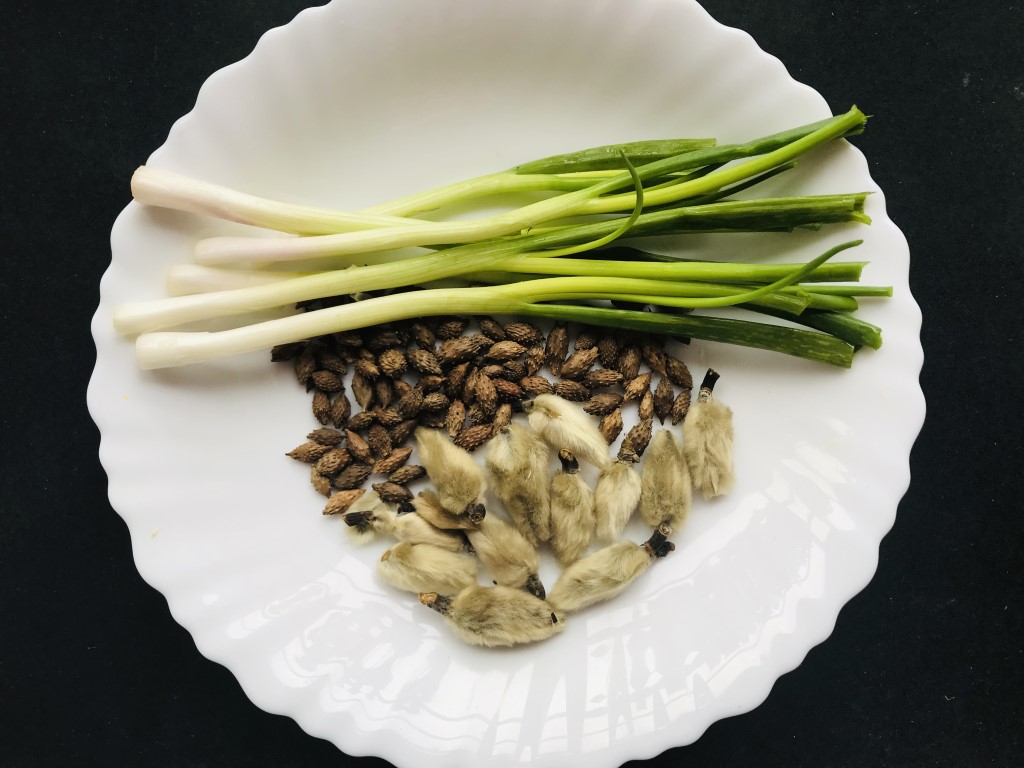
Magnolia Bud, Cocklebur & Spring Onion Tea
traditionally used to open nasal passages, reduce allergic rhinitis symptoms, and disperse wind-cold from the upper respiratory tract
In short: Magnolia Bud, Cocklebur & Spring Onion Tea is a herbal & flower tea that traditionally used to open nasal passages, reduce allergic rhinitis symptoms, and disperse wind-cold from the upper respiratory tract. It is most often made for respiratory & lung wellness, immune support. Total time about 35 min.
Why people make this tea
Nasal allergies are remarkably common in dense urban environments — the combination of air pollution, dust mites, and sudden temperature swings creates the perfect storm for a reactive nose. The key ingredient here, xin yi hua (magnolia flower bud), contains volatile oils that have a well-documented vasoconstricting effect on the nasal mucosa: they help shrink swollen tissue inside the nose, reduce the constant drip of mucus, and ease the postnasal drip that triggers secondary coughing. Nourilo has also shared a traditional folk remedy for those who want something more direct: crush 20–30 cocklebur seeds and simmer them gently in sesame oil, then strain and cool; apply the infused oil to the inside of the nostrils with a cotton bud twice daily for acute attacks of nasal congestion.
For this tea, the formula changes slightly depending on whether the rhinitis is wind-cold type (clear, watery discharge, tendency to sneeze in the morning) or wind-heat type (thick, yellowish discharge, more nasal pressure). For wind-cold: use spring onion whites. For wind-heat: swap in fresh peppermint leaves.
Safety first — read before you cook
This is a traditional food, not a treatment. Please check with your doctor or pharmacist before making it a regular part of your diet if you:
- are pregnant or breastfeeding, or are cooking for a young child;
- take regular medicines — especially blood thinners, blood-pressure, diabetes or immune-suppressing drugs;
- have a kidney, liver or heart condition, or a known food allergy.
Stop eating it and seek advice if you notice an allergic reaction or feel unwell. Safety notes reviewed 8 October 2026 · How we write safety notes
Members only
Unlock the full method & Nourilo's tips
One payment, lifetime access to every one of our 2,344 recipes — step-by-step methods, preparation tips and serving notes.
- Full step-by-step method for this and all 2,344 recipes
- Nourilo's Tips — sourcing, substitutions and serving notes
- One-time payment · card, Apple Pay or Google Pay · no subscription, no renewals
Checking your access…
$59.99 one-time · all recipes
Sign in or create a free account, then pay once by card, Apple Pay or Google Pay.
Continue with GoogleBy continuing with Google or email you confirm you are 16 or older and agree to our Terms of Use and Privacy Policy.
$59.99 one-time · all recipes
Signed in as ·
Secure checkout by Stripe. One-time payment, no renewals. Access is linked to your Nourilo account and never expires. By paying you agree to our Terms of Use; you can get a full refund within 14 days (refund policy).
Comments
Join the conversation — sign in or create a free account to comment.
Continue with GoogleBy continuing with Google or email you confirm you are 16 or older and agree to our Terms of Use and Privacy Policy.
Loading comments…