Herbal & Flower Teas
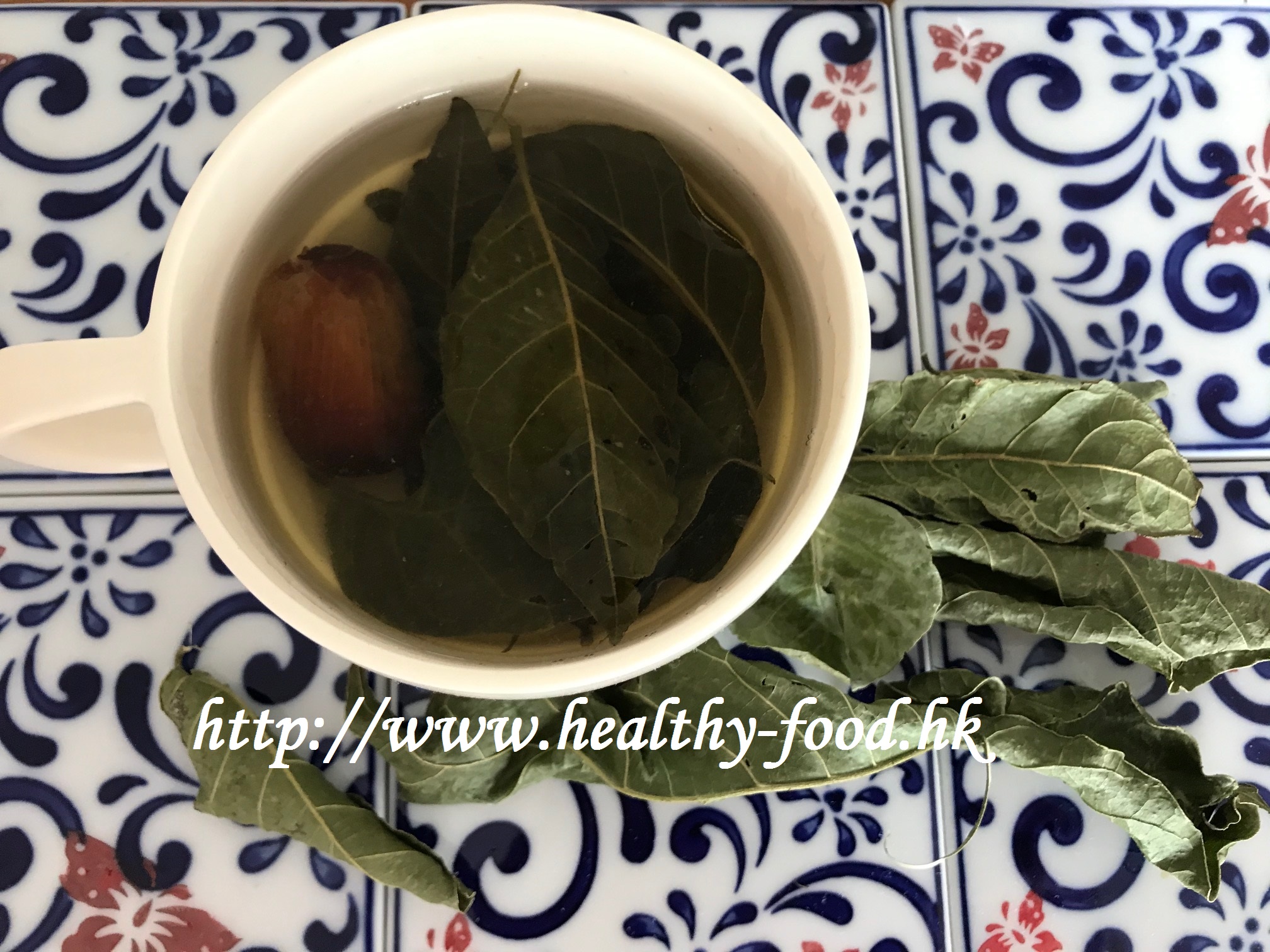
Wampee Leaf Tea
traditionally used to disperse wind-heat, ease phlegm, and support resistance to seasonal influenza
In short: Wampee Leaf Tea is a herbal & flower tea that traditionally used to disperse wind-heat, ease phlegm, and support resistance to seasonal influenza. It is most often made for respiratory & lung wellness, immune support. Total time about 20 min. Key ingredients: honey dates.
Why people make this tea
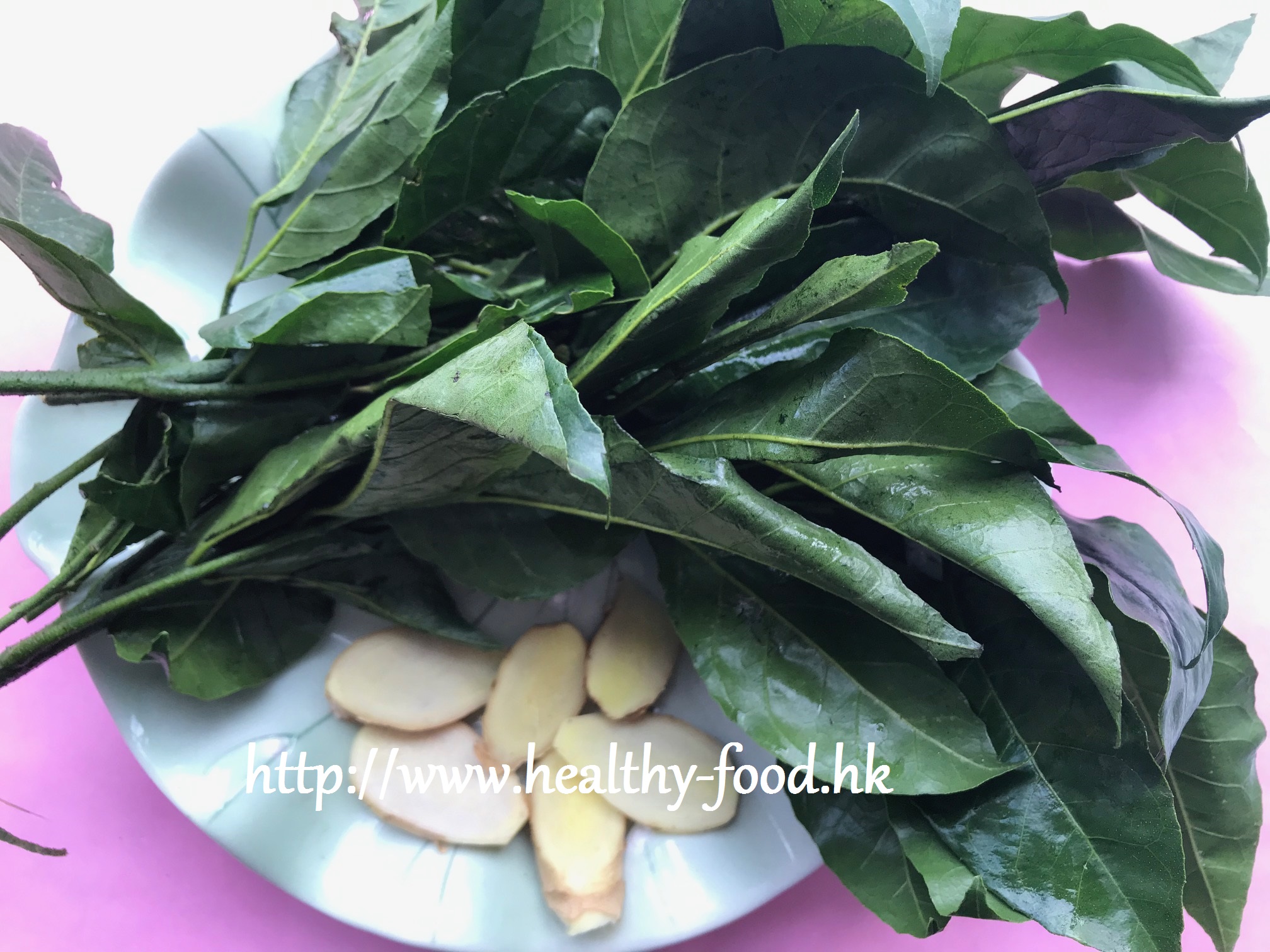
The wampee fruit (huang pi) is a beloved subtropical fruit native to southern China, and in Cantonese tradition, almost every part of the plant has a use. The fruit is traditionally used to ease digestion and clear phlegm; the seeds are traditionally used for swellings and discomfort; even the leaves are valued in traditional medicine. During the Lunar New Year period, bundles of wampee leaves and pomelo leaves are sold in markets — traditionally used to prepare cleansing herbal baths or freshen the home with their aromatic scent.
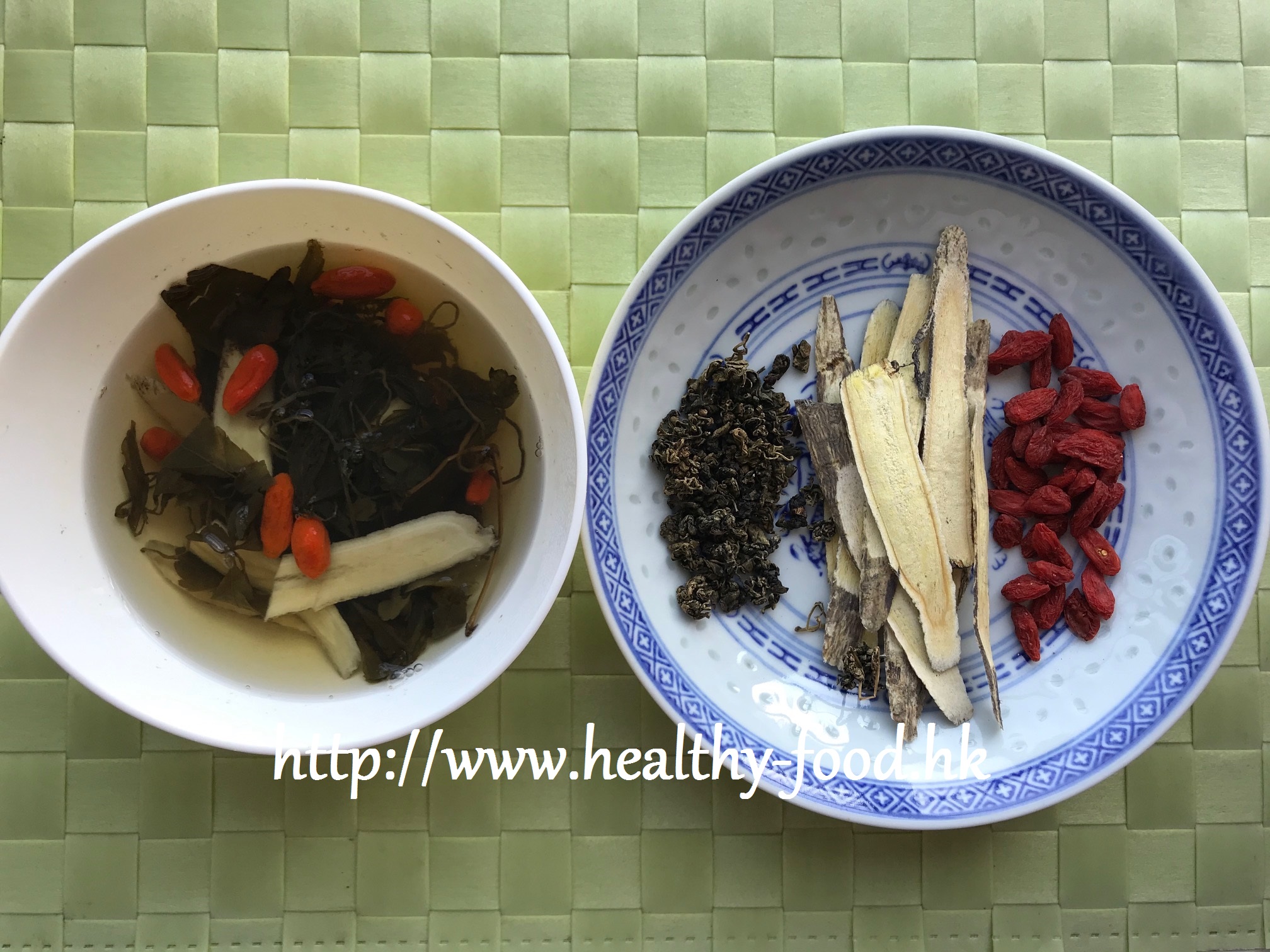
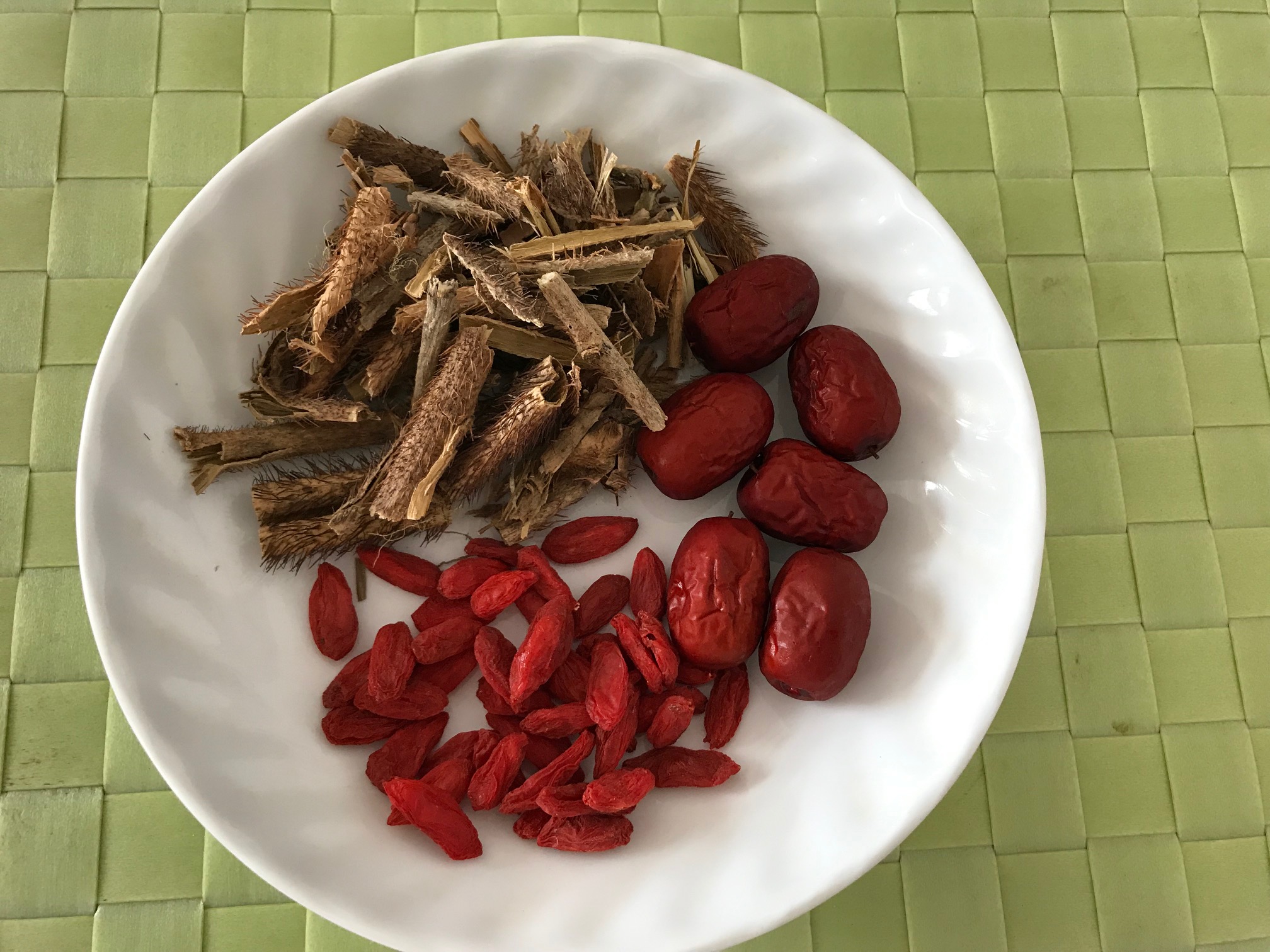
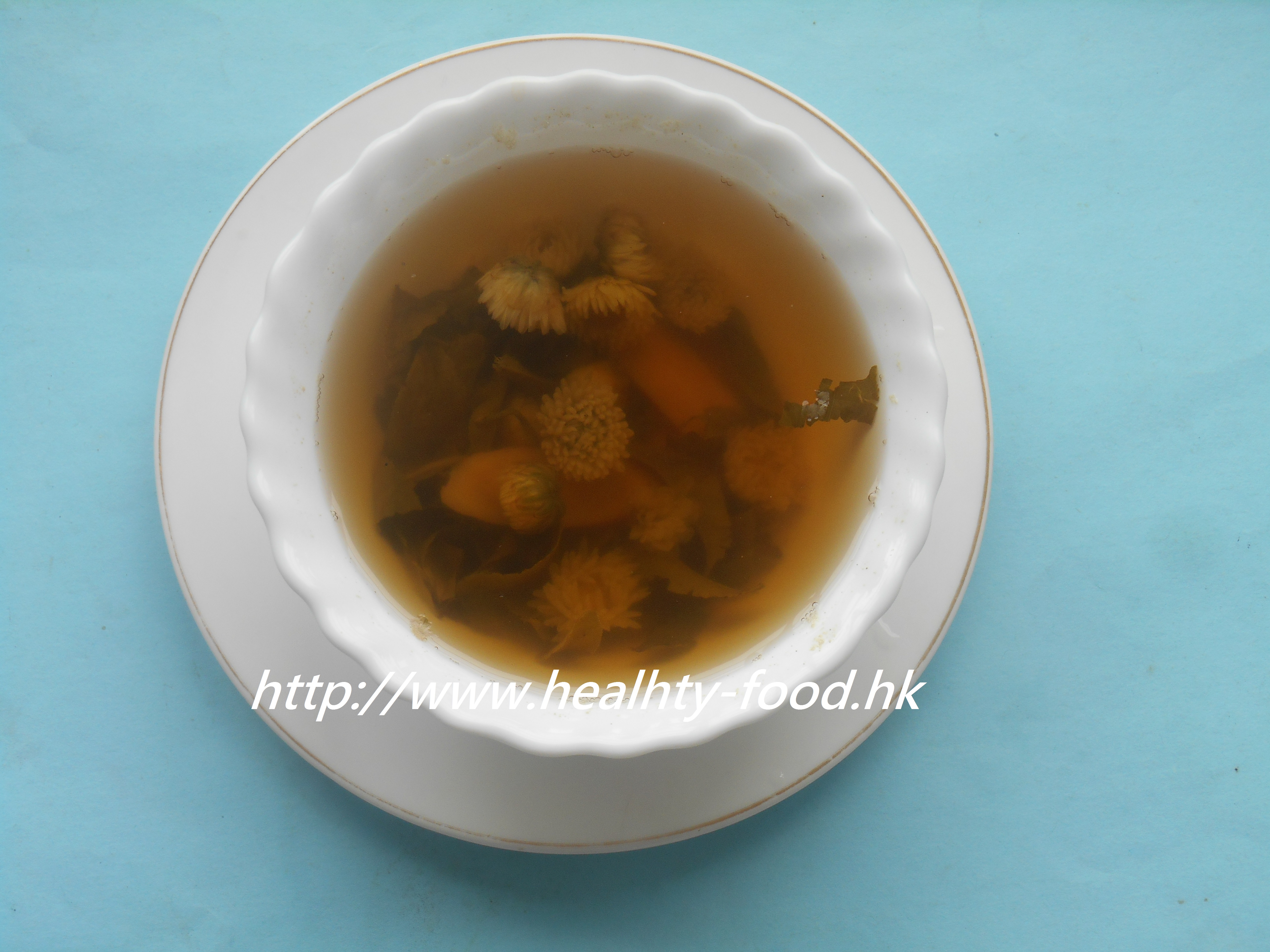
Nourilo spotted dried wampee leaves at a Chinese herbal grocery shop in North Point, Hong Kong — a package of about 75 g for just 10 HKD. He brewed them with a couple of honey dates, and the result was a pleasantly fragrant tea with a subtle sweetness. With flu season arriving and viruses in the air, this gentle tea — documented in Chinese literature for its volatile oils, phenolic compounds, and flavonoids — is a thoughtful everyday brew.
Safety first — read before you cook
This is a traditional food, not a treatment. Please check with your doctor or pharmacist before making it a regular part of your diet if you:
- are pregnant or breastfeeding, or are cooking for a young child;
- take regular medicines — especially blood thinners, blood-pressure, diabetes or immune-suppressing drugs;
- have a kidney, liver or heart condition, or a known food allergy.
Stop eating it and seek advice if you notice an allergic reaction or feel unwell. Safety notes reviewed 8 October 2026 · How we write safety notes
Members only
Unlock the full method & Nourilo's tips
One payment, lifetime access to every one of our 2,344 recipes — step-by-step methods, preparation tips and serving notes.
- Full step-by-step method for this and all 2,344 recipes
- Nourilo's Tips — sourcing, substitutions and serving notes
- One-time payment · card, Apple Pay or Google Pay · no subscription, no renewals
Checking your access…
$59.99 one-time · all recipes
Sign in or create a free account, then pay once by card, Apple Pay or Google Pay.
Continue with GoogleBy continuing with Google or email you confirm you are 16 or older and agree to our Terms of Use and Privacy Policy.
$59.99 one-time · all recipes
Signed in as ·
Secure checkout by Stripe. One-time payment, no renewals. Access is linked to your Nourilo account and never expires. By paying you agree to our Terms of Use; you can get a full refund within 14 days (refund policy).
Comments
Join the conversation — sign in or create a free account to comment.
Continue with GoogleBy continuing with Google or email you confirm you are 16 or older and agree to our Terms of Use and Privacy Policy.
Loading comments…