Soups
Lotus Root, Grass Carp Tail and Four-Red Soup
Traditionally associated with nourishing blood and brightening complexion
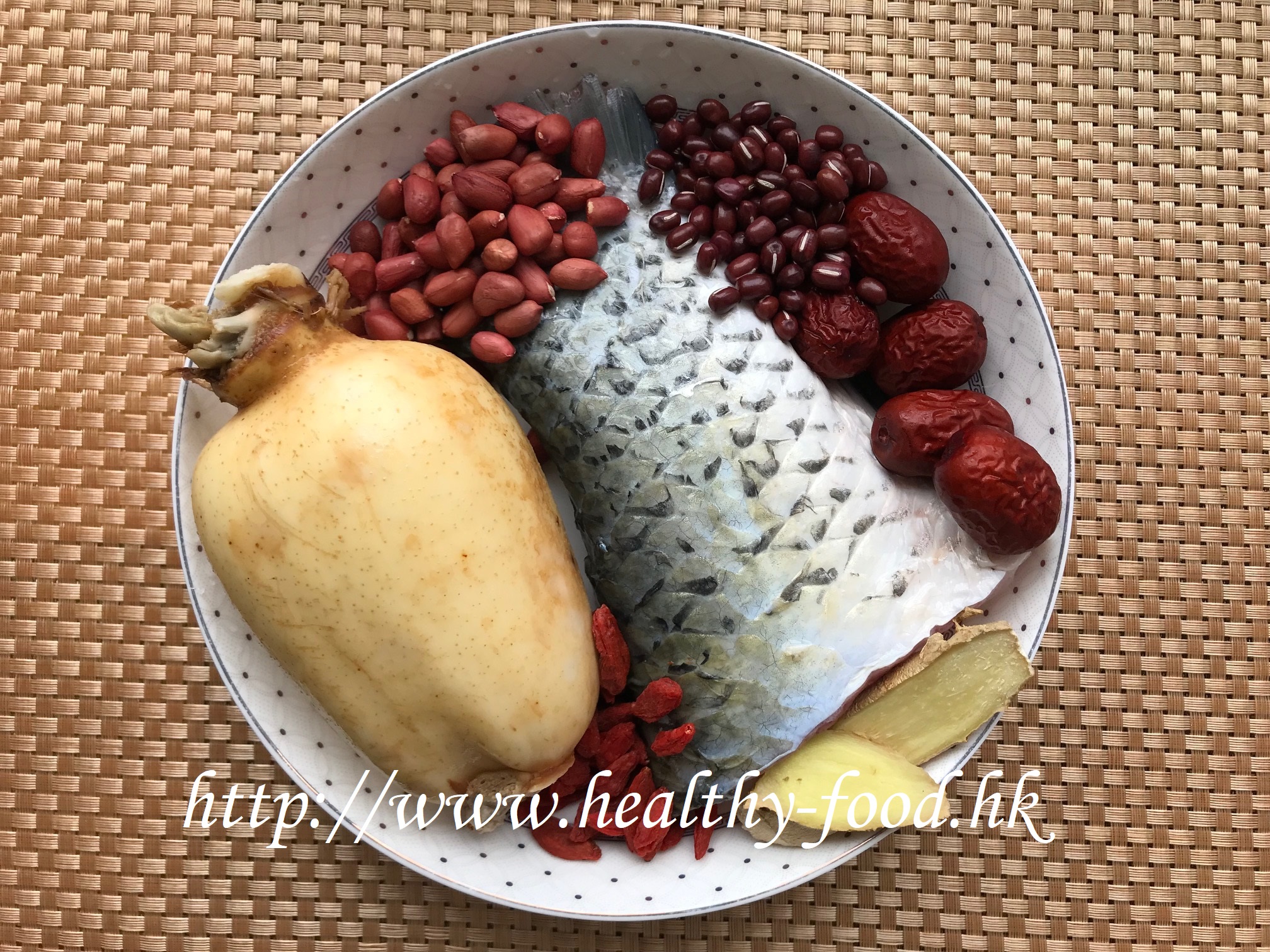
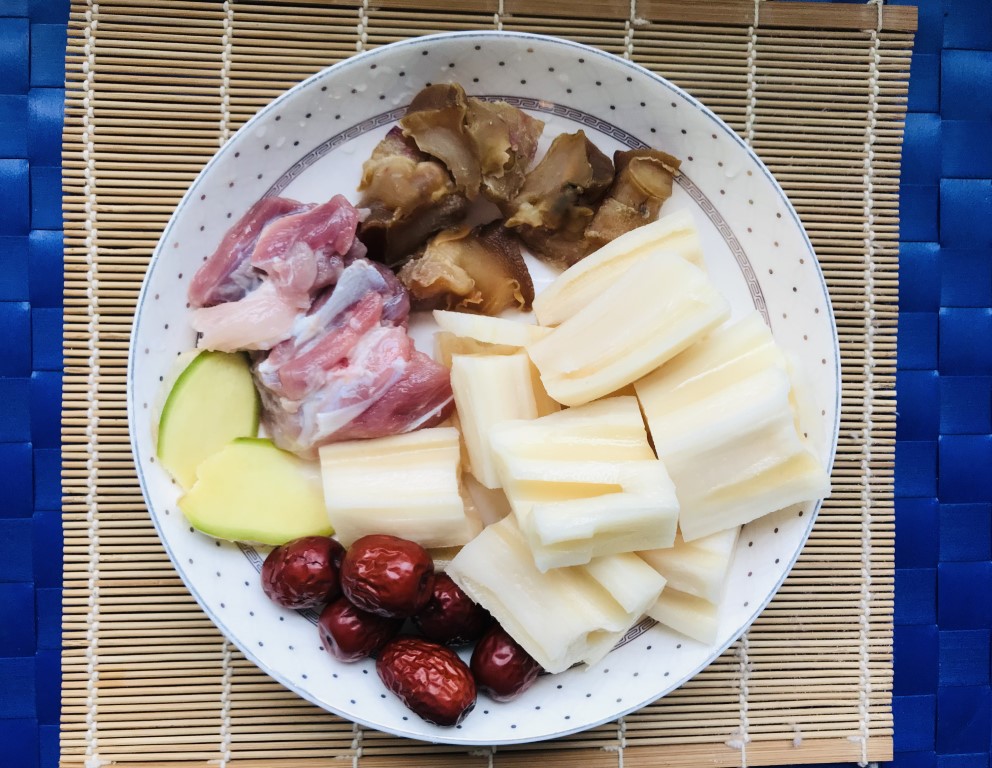
In short: Lotus Root, Grass Carp Tail and Four-Red Soup is a soup that Traditionally associated with nourishing blood and brightening complexion. It is most often made for skin & natural beauty, blood nourishment, everyday balance. Total time about 110 min. Key ingredients: lotus root, grass carp tail, ginger, adzuki beans.
Why people make this soup
Chronic mild anemia often goes unnoticed — the symptoms are easy to attribute to just being busy or tired: persistent fatigue, occasional dizziness, slight breathlessness, a complexion that has lost its color. But when the pattern becomes familiar, traditional food therapy offers a practical, nourishing response: the “four red” combination. The redness of adzuki beans, red-skin peanuts, red dates, and goji berries is not just visual — in Cantonese food traditions, these four ingredients are grouped together because they are each associated, in different ways, with supporting blood production and circulation. Lotus root brings a useful iron and calcium contribution from the vegetable kingdom, while grass carp tail adds the kind of rich, savory protein that makes the broth genuinely restorative. This is a soup people return to regularly, not just as a remedy but as a warming, substantial meal.
Method
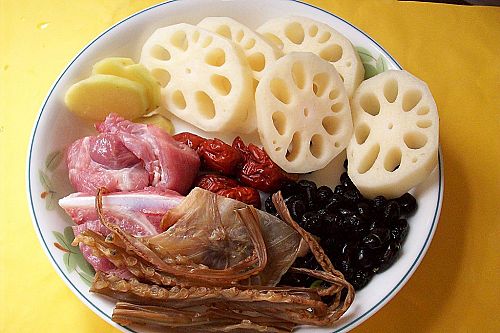
- Peel lotus root and cut into chunks.
- Clean and rinse the grass carp tail. Heat a little oil in a pan and lightly pan-fry the fish tail until golden on both sides. This step helps prevent the soup from turning murky and adds flavor.
- Soak and rinse adzuki beans and red-skin peanuts separately. Pit the red dates. Rinse goji berries.
- Place all ingredients in a pot with about 2.4 L of water. Bring to a boil.
- Lower heat and simmer for 1.5 hours until liquid reduces to approximately 1.2 L.
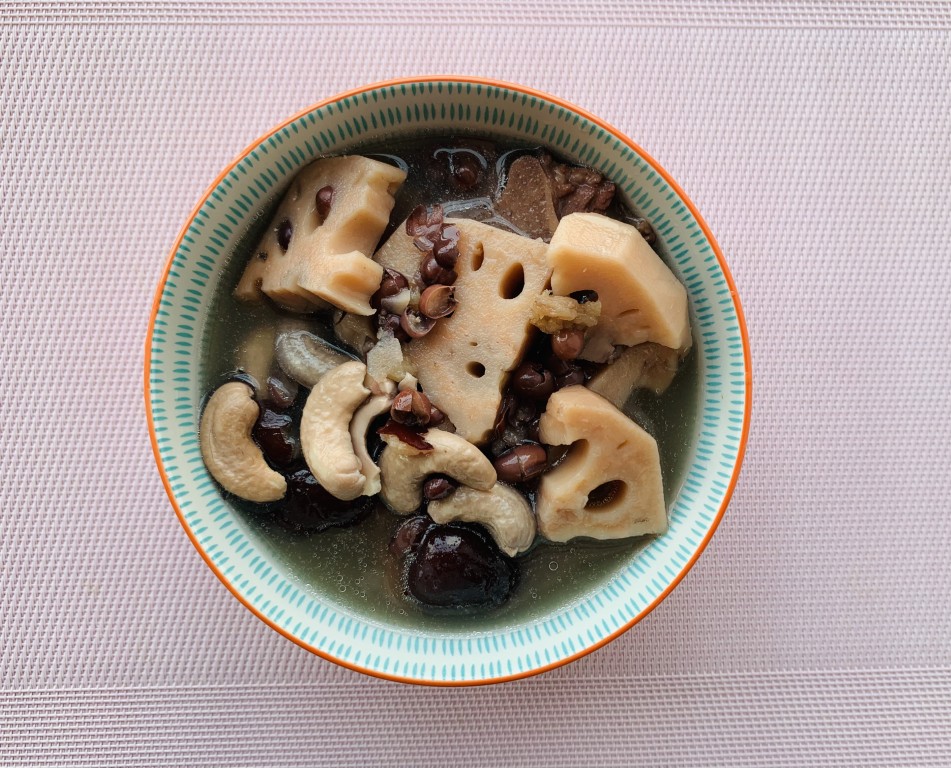
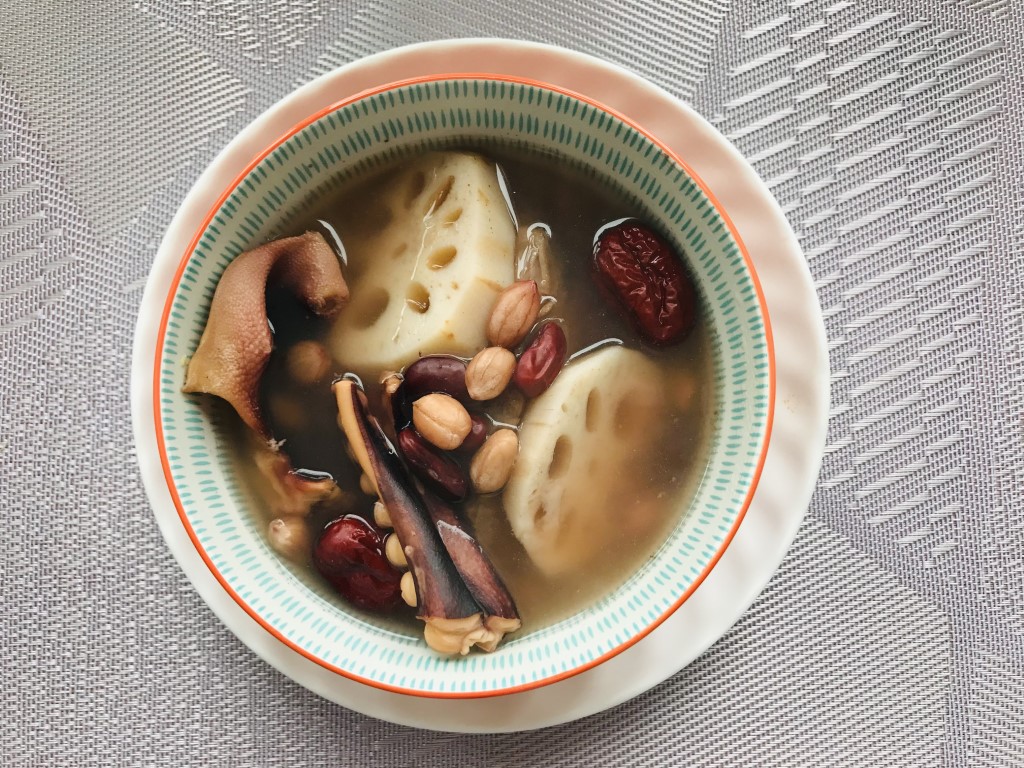
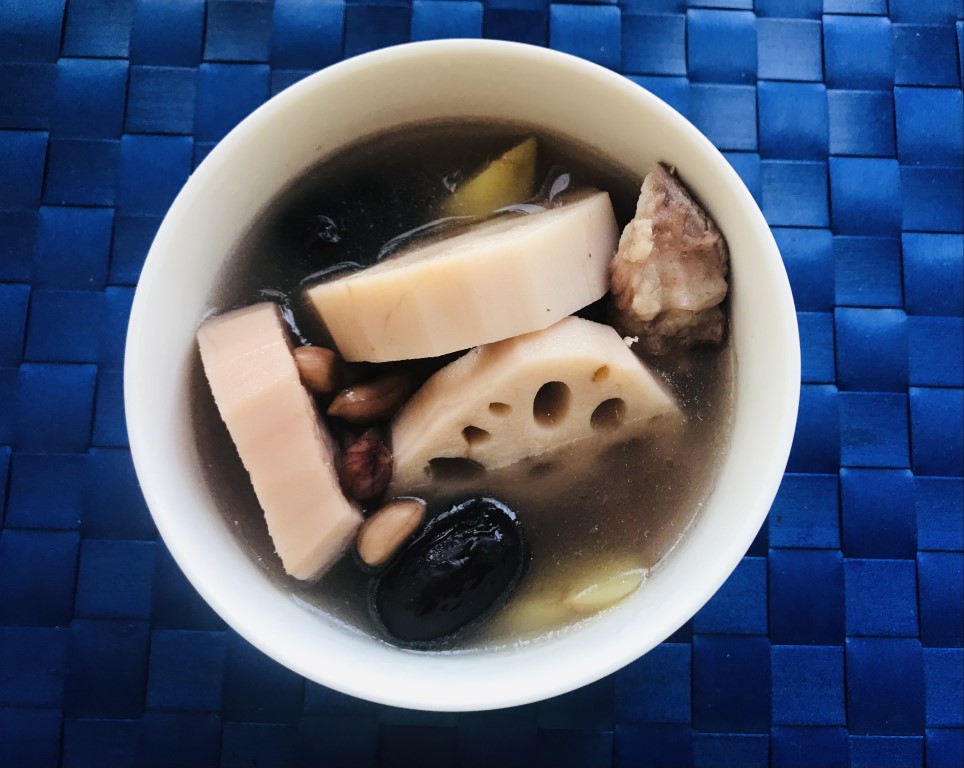
- Serve warm; eat both the soup and the solids.
Nourilo’s Tips
This soup is fragrant, clear, and pleasant to drink — suitable for the whole family, not just those who are unwell. The solids are worth eating: the lotus root and beans in particular contribute much of the nourishment.
Families supporting a member going through chemotherapy or radiotherapy may find this soup a useful, gentle addition to daily meals. The ingredients are all foods rather than strong herbs, so they complement rather than interfere with treatment. That said, always check with the treating physician if in doubt.
What studies say about the key ingredients
Traditional use is not the same as clinical proof. Here is the strongest human research we found for each ingredient, limitations included.
- Ginger
Overall, acute and delayed nausea and vomiting did not differ significantly between ginger and control groups. A subgroup taking 1 g/day or less for over four days had less acute vomiting (OR 0.30).Limitation: Clinical heterogeneity between trials required subgroup analyses, and the authors state that sufficiently large, high-quality RCTs are still needed.PubMed 36501010 · 3 more ginger studies - Adzuki beans
Adzuki bean meals had a low glycemic index (21–51 range reported with lotus seed), whereas other starchy foods did not differ significantly from rice. Adzuki bean hydrolysis index was lower than other test foods.Limitation: Only ten healthy participants and acute single-meal responses, so effects in people with diabetes or with regular intake are unknown.PubMed 30875961 · 1 more adzuki beans study - Red dates
Jujube was associated with significantly lower BMI and triglycerides, and lower fasting blood sugar in people with type 2 diabetes. LDL and total cholesterol fell only in some subgroups. HDL, AST and ALT did not change significantly.Limitation: The authors state the overall quality of the evidence is limited, and results varied significantly by dose, treatment duration and disease type.PubMed 40399274 · 3 more red dates studies
From the Nourilo Research Library. Findings come from specific doses, extracts and populations and may not apply to a home-cooked recipe.
Safety first — read before you cook
This is a traditional food, not a treatment. Please check with your doctor or pharmacist before making it a regular part of your diet if you:
- are pregnant or breastfeeding, or are cooking for a young child;
- take regular medicines — especially blood thinners, blood-pressure, diabetes or immune-suppressing drugs;
- have a kidney, liver or heart condition, or a known food allergy.
Ingredient notes for this recipe
- Goji berries: A few cases of raised INR (a bleeding-risk marker) have been reported in people taking warfarin after drinking concentrated goji tea or wine. If you take a blood thinner, check with your doctor. Source: Memorial Sloan Kettering — Lycium
Stop eating it and seek advice if you notice an allergic reaction or feel unwell. Safety notes reviewed 8 October 2026 · How we write safety notes
Comments
Join the conversation — sign in or create a free account to comment.
Continue with GoogleBy continuing with Google or email you confirm you are 16 or older and agree to our Terms of Use and Privacy Policy.
Loading comments…