Herbal & Flower Teas
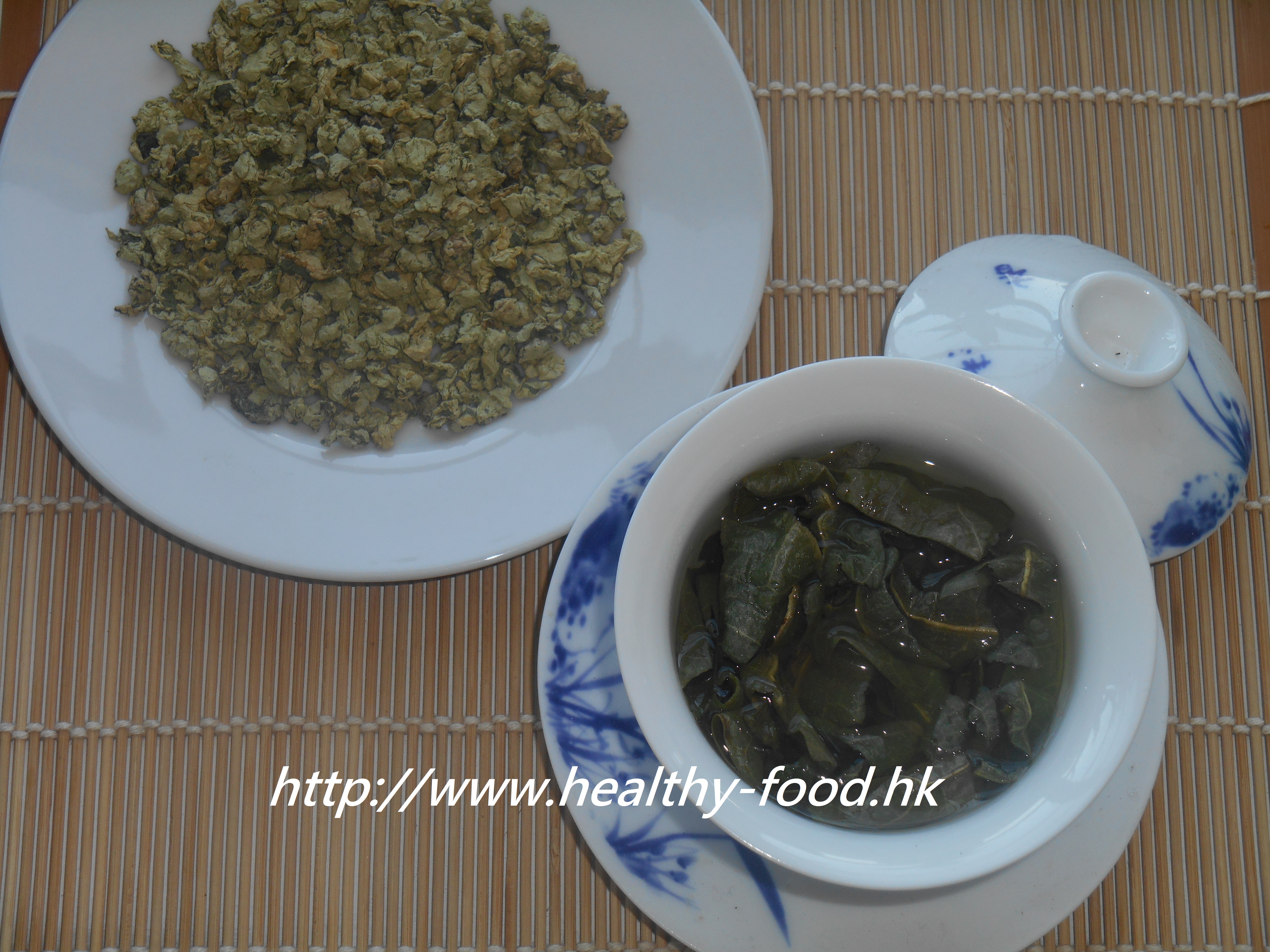
Lotus Leaf Tea
Traditionally associated with supporting fat metabolism, bowel movement, and reducing water retention
In short: Lotus Leaf Tea is a herbal & flower tea that Traditionally associated with supporting fat metabolism, bowel movement, and reducing water retention. It is most often made for digestive wellness, cleansing & regularity, weight & metabolism. Total time about 7 min. Key ingredients: lotus leaf.
Why people make this tea
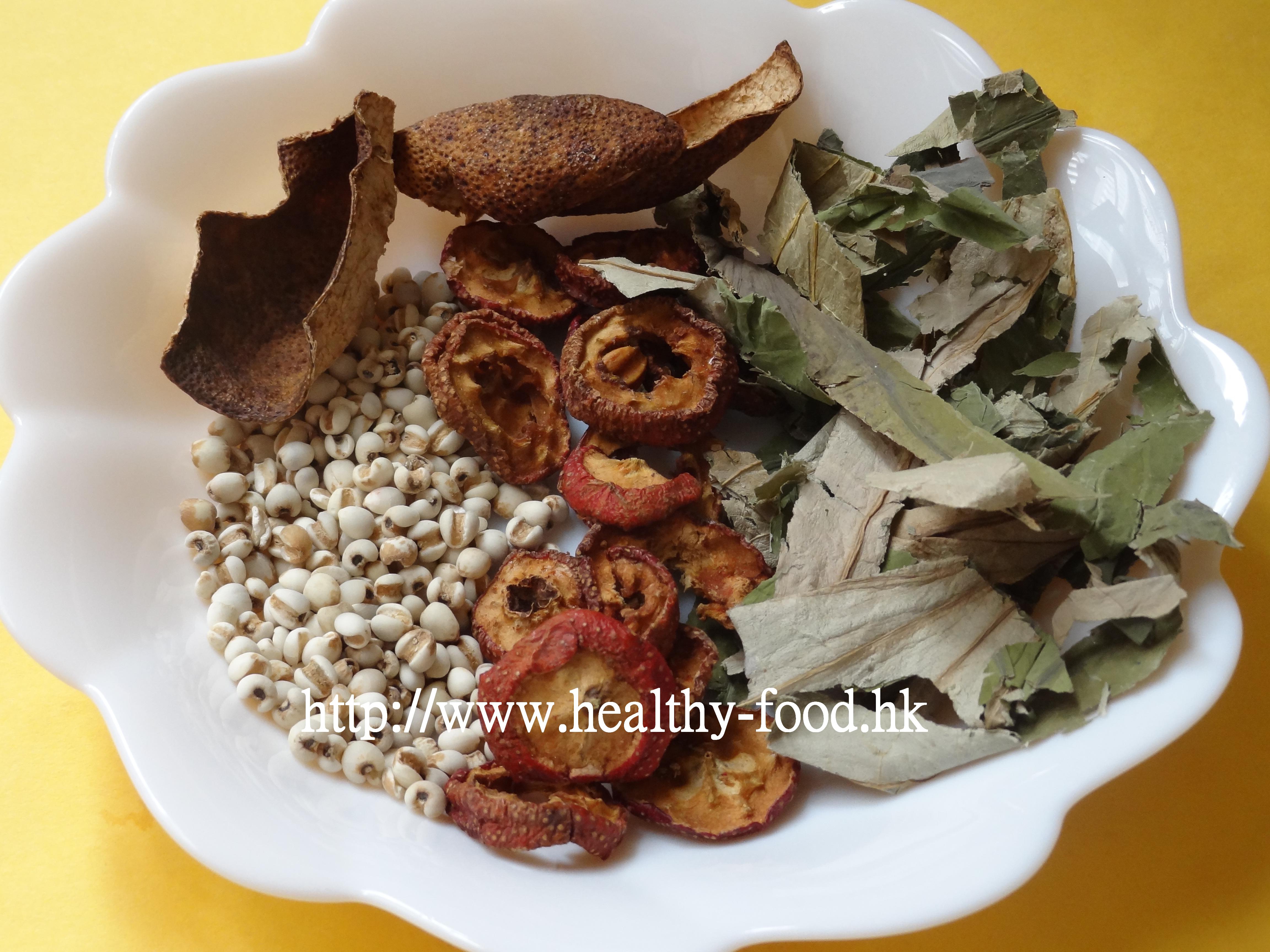
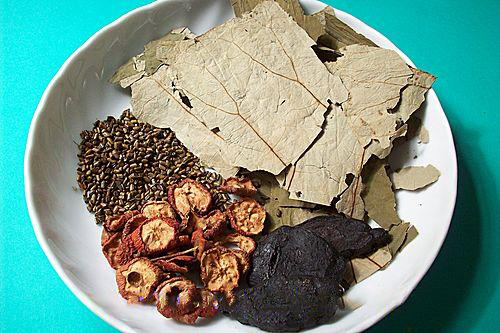
After Lunar New Year celebrations — with all the rich food and festive feasting — this simple one-ingredient tea is a classic Chinese household remedy for feeling lighter and more comfortable. The active alkaloids in lotus leaf are traditionally credited with helping the body break down and process fats, and the leaf also encourages bowel movement and mild diuresis, which helps ease the bloated, heavy feeling that follows days of indulgent eating. Nourilo recommends seeking out a pan-roasted version of lotus leaf tea — stir-fried much like Dragon Well (Longjing) green tea — which significantly reduces its cooling properties and makes it far more aromatic and stomach-friendly. This style can be found at well-stocked Chinese herb shops and some specialty tea shops, or online. If you cannot find the roasted version, ordinary dried lotus leaf from a Chinese herb shop can be briefly dry-roasted at home in a frying pan for five minutes to achieve a similar effect.
Safety first — read before you cook
This is a traditional food, not a treatment. Please check with your doctor or pharmacist before making it a regular part of your diet if you:
- are pregnant or breastfeeding, or are cooking for a young child;
- take regular medicines — especially blood thinners, blood-pressure, diabetes or immune-suppressing drugs;
- have a kidney, liver or heart condition, or a known food allergy.
Stop eating it and seek advice if you notice an allergic reaction or feel unwell. Safety notes reviewed 8 October 2026 · How we write safety notes
Members only
Unlock the full method & Nourilo's tips
One payment, lifetime access to every one of our 2,344 recipes — step-by-step methods, preparation tips and serving notes.
- Full step-by-step method for this and all 2,344 recipes
- Nourilo's Tips — sourcing, substitutions and serving notes
- One-time payment · card, Apple Pay or Google Pay · no subscription, no renewals
Checking your access…
$59.99 one-time · all recipes
Sign in or create a free account, then pay once by card, Apple Pay or Google Pay.
Continue with GoogleBy continuing with Google or email you confirm you are 16 or older and agree to our Terms of Use and Privacy Policy.
$59.99 one-time · all recipes
Signed in as ·
Secure checkout by Stripe. One-time payment, no renewals. Access is linked to your Nourilo account and never expires. By paying you agree to our Terms of Use; you can get a full refund within 14 days (refund policy).
Comments
Join the conversation — sign in or create a free account to comment.
Continue with GoogleBy continuing with Google or email you confirm you are 16 or older and agree to our Terms of Use and Privacy Policy.
Loading comments…