Soups
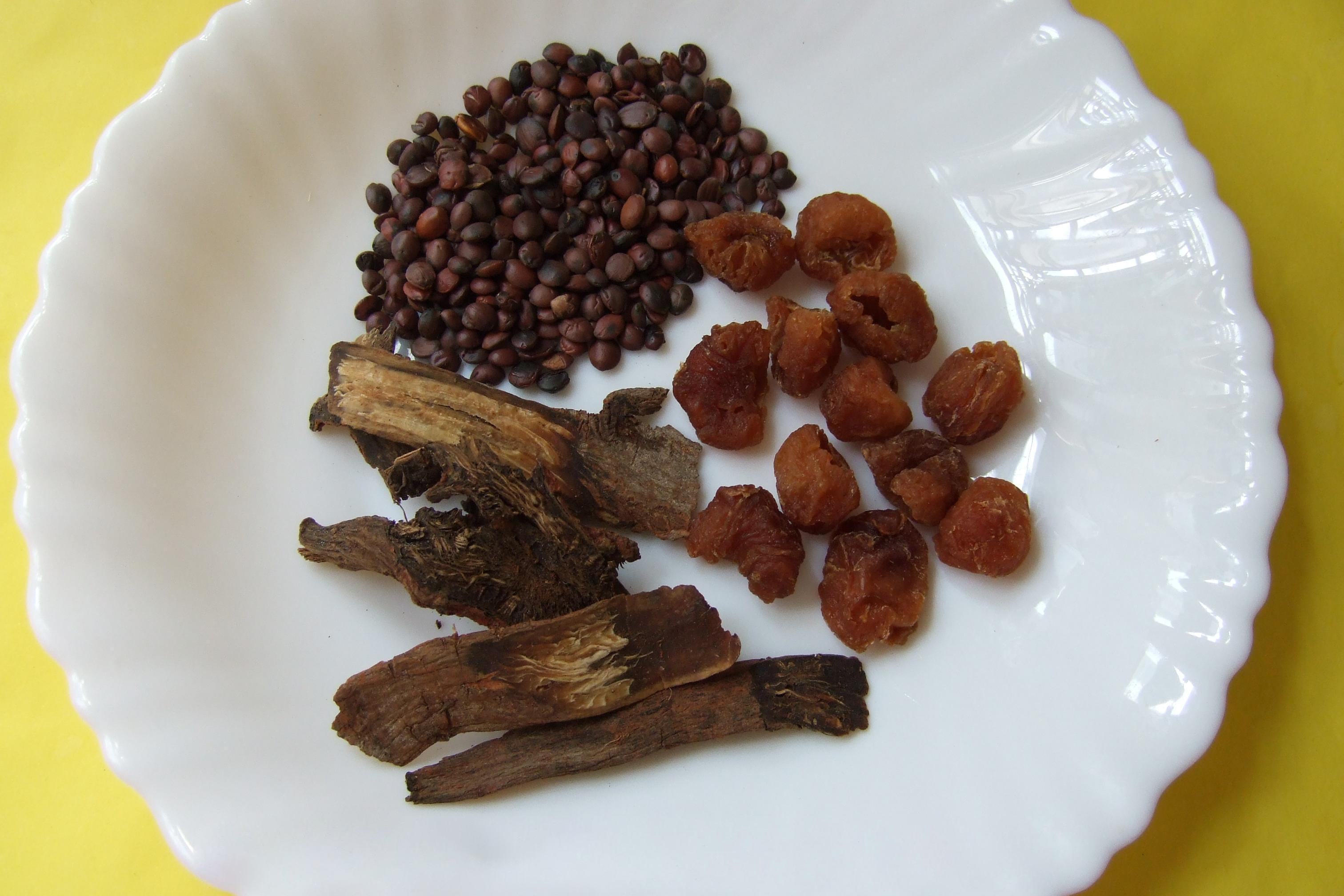
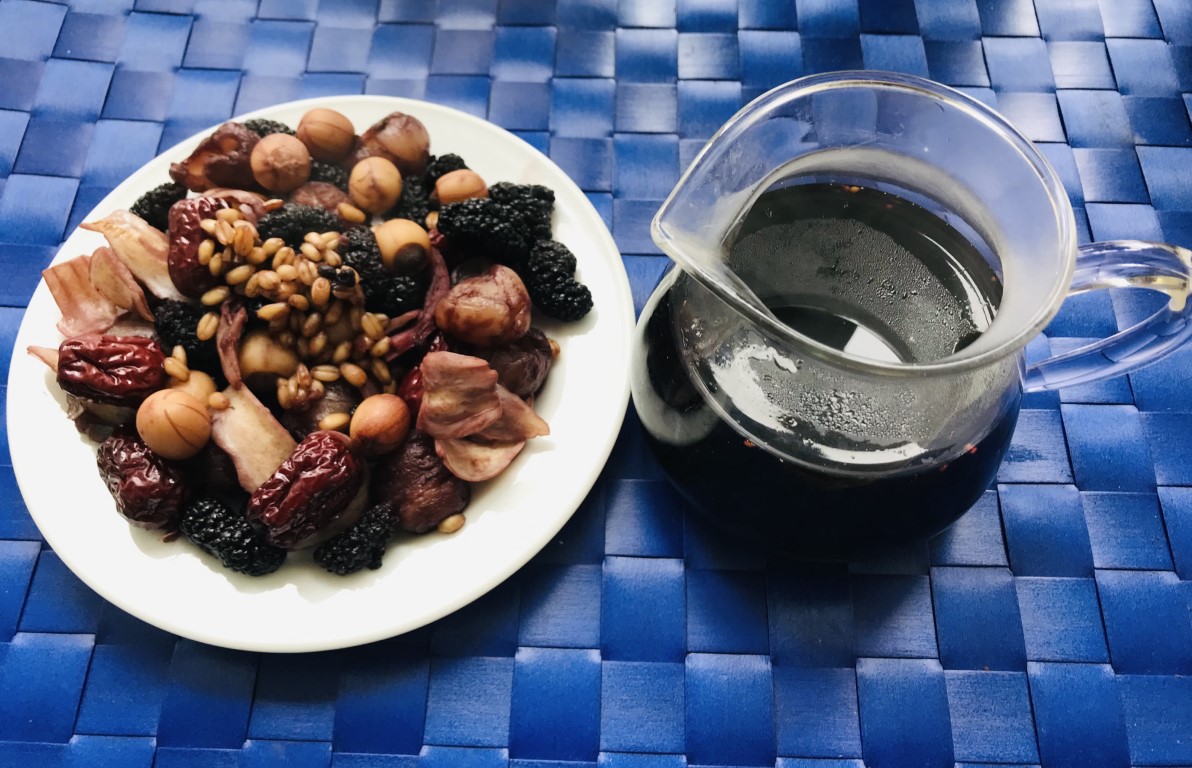
Longan and Toasted Sour Jujube Seed Brew
Traditionally used to nourish qi and blood and calm the mind; associated with support for those with epilepsy
In short: Longan and Toasted Sour Jujube Seed Brew is a soup that Traditionally used to nourish qi and blood and calm the mind; associated with support for those with epilepsy. It is most often made for sleep & calm, energy & vitality, blood nourishment. Total time about 70 min. Key ingredients: longan flesh, honey.
Why people make this brew
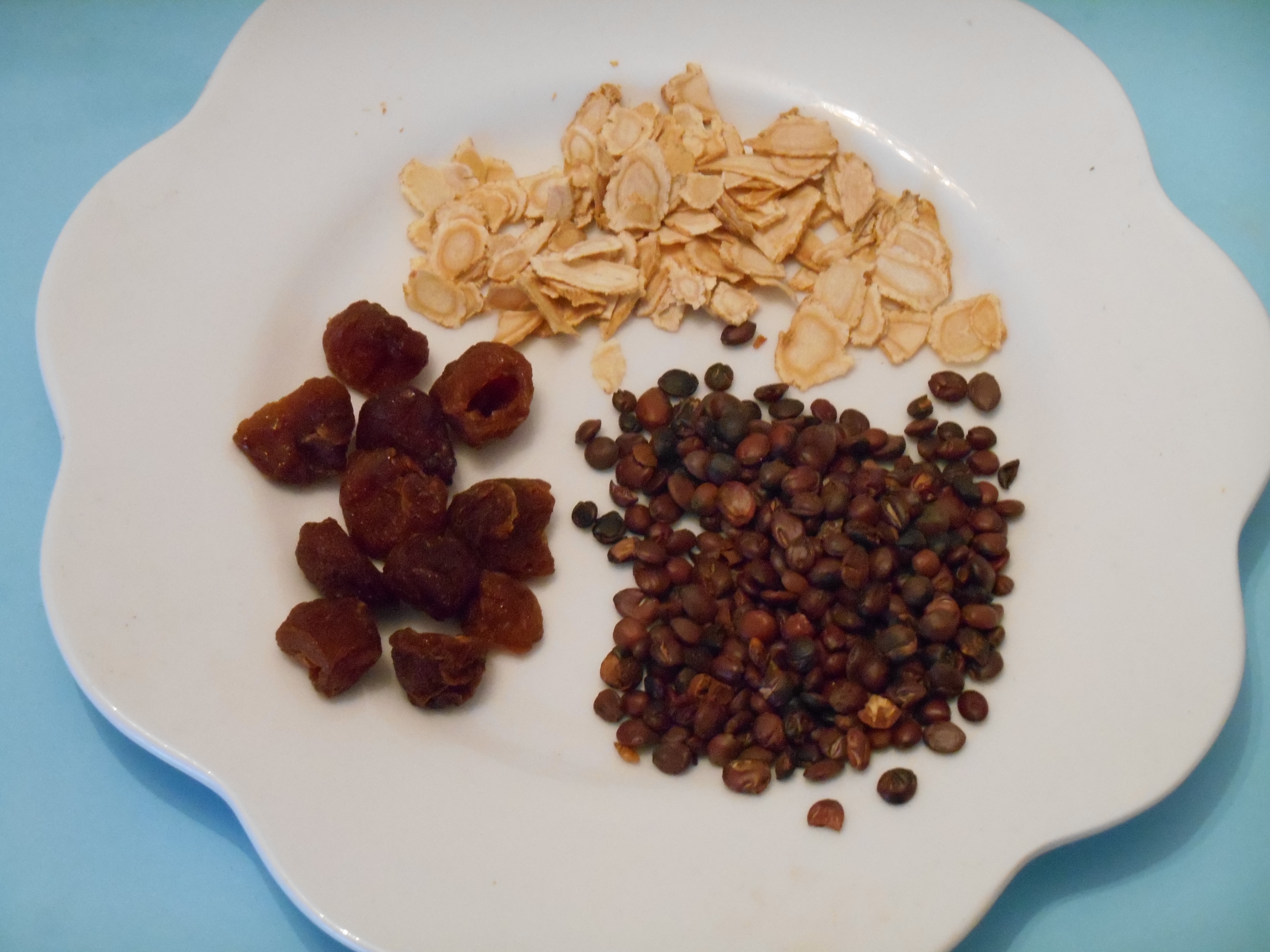
In traditional Chinese food-therapy thinking, epilepsy (particularly the pattern described as “spleen and kidney deficiency”) is associated with symptoms that worsen over time: pale complexion, mental fogginess, forgetfulness and fatigue. Longan flesh — mild, sweet and warming — has long been used in folk medicine to nourish brain and nervous function and is considered easy to eat daily, whether steeped as a tea or nibbled as a snack. Pairing it with toasted sour jujube seeds (which are traditionally associated with calming the heart and anchoring scattered shen / mental energy) and dan shen (red sage root, associated with invigorating blood circulation) makes a brew that addresses both the emotional and circulatory dimensions that traditional practitioners link to long-term qi-blood depletion.
Method
- Dry-toast the sour jujube seeds in a clean, ungreased wok over medium heat until lightly fragrant. Remove and set aside.
- Rinse all remaining ingredients.
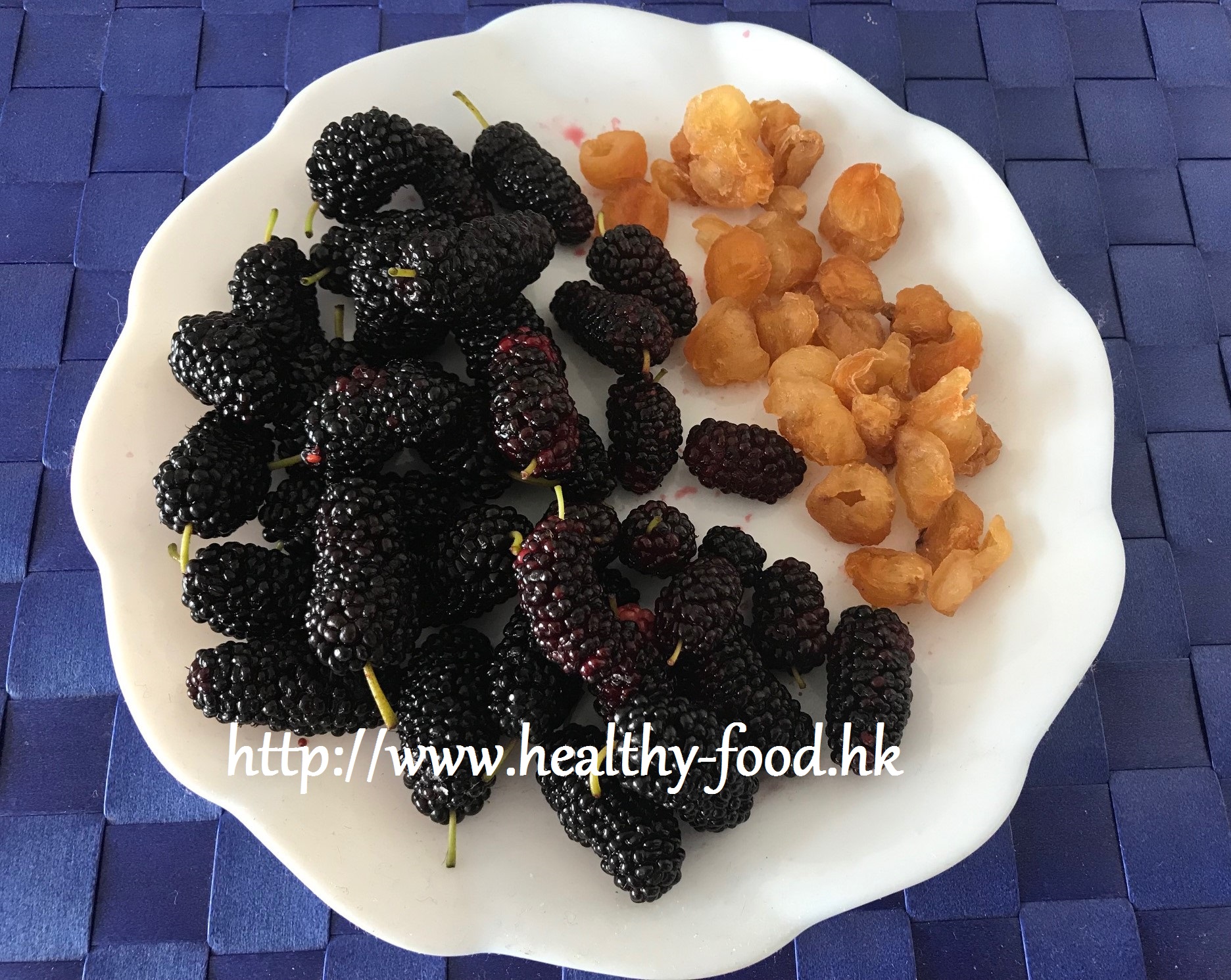
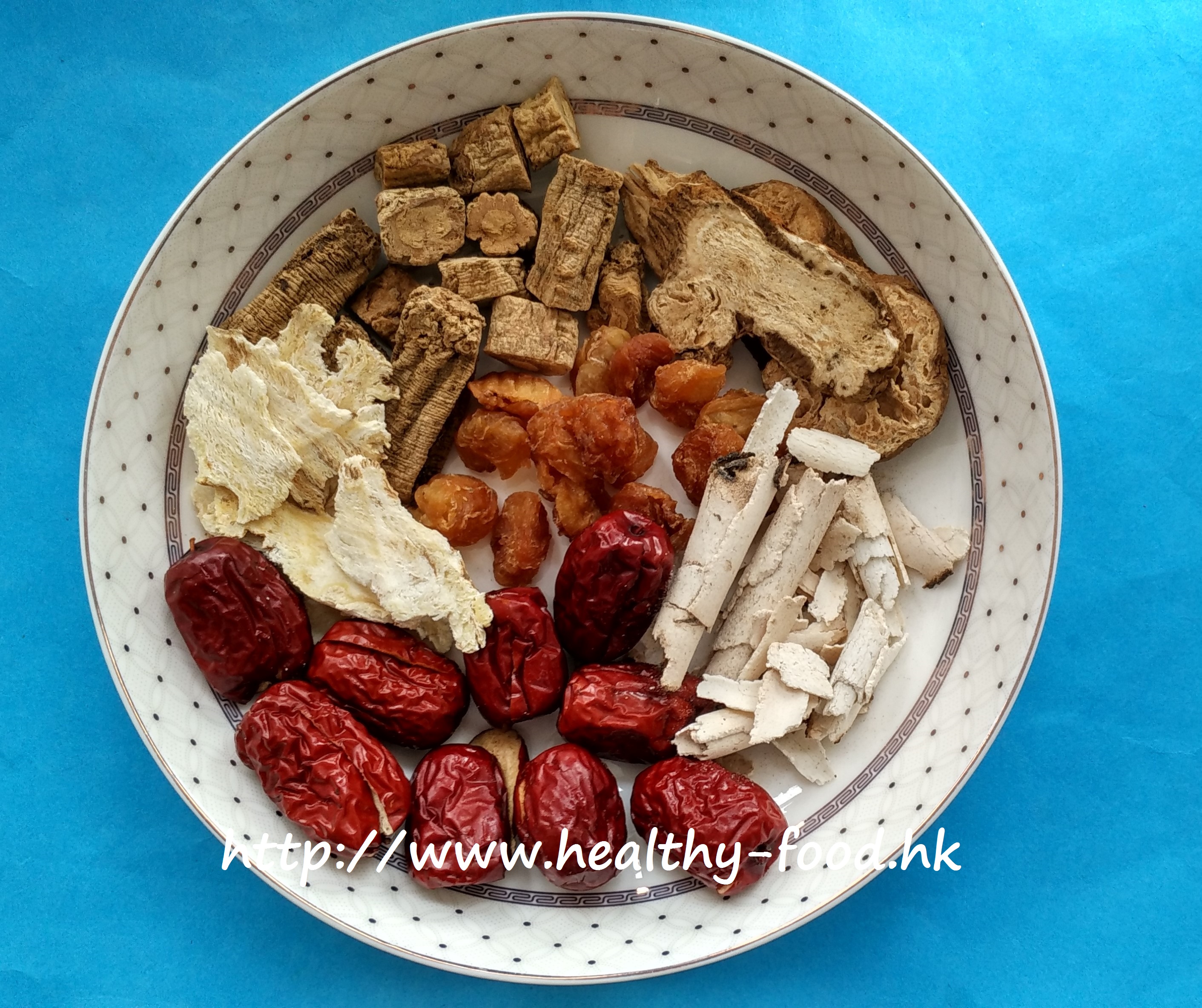
- Place the toasted zao ren, longan flesh and dan shen into a pot with 1.5 L of water.
- Bring to a boil, reduce heat and simmer for about 1 hour until reduced to approximately 600 ml.
- Remove from heat, allow to cool slightly, then stir in honey to taste.
- Take twice daily. A course of 2–3 servings per week is suggested.
Nourilo’s Tips
This brew can be taken regularly over a longer period — it is gentle enough for ongoing use. Beyond epilepsy support, it is widely helpful for nervous exhaustion, stress, poor sleep and mental fatigue from overwork or study. Children sitting examinations can also benefit. If you find longan too warming, simply reduce the amount. Honey can be replaced with red dates or mi zao (candied dates) if preferred. Use a glass pot when possible rather than metal — certain herbs can interact with reactive metals and a glass pot avoids any such concern.
What studies say about the key ingredients
Traditional use is not the same as clinical proof. Here is the strongest human research we found for each ingredient, limitations included.
- Red dates
Jujube was associated with significantly lower BMI and triglycerides, and lower fasting blood sugar in people with type 2 diabetes. LDL and total cholesterol fell only in some subgroups. HDL, AST and ALT did not change significantly.Limitation: The authors state the overall quality of the evidence is limited, and results varied significantly by dose, treatment duration and disease type.PubMed 40399274 · 3 more red dates studies - Honey
Compared with usual care, honey was associated with lower combined symptom scores, cough frequency and cough severity. In two pooled placebo-controlled studies, the difference in combined symptoms was not statistically significant.Limitation: Only two studies compared honey with placebo, with high heterogeneity (I2=91%); the review calls for higher-quality placebo-controlled trials.PubMed 32817011 · 3 more honey studies
From the Nourilo Research Library. Findings come from specific doses, extracts and populations and may not apply to a home-cooked recipe.
Safety first — read before you cook
This is a traditional food, not a treatment. Please check with your doctor or pharmacist before making it a regular part of your diet if you:
- are pregnant or breastfeeding, or are cooking for a young child;
- take regular medicines — especially blood thinners, blood-pressure, diabetes or immune-suppressing drugs;
- have a kidney, liver or heart condition, or a known food allergy.
Ingredient notes for this recipe
- Honey: Never give honey to babies under 1 year old — it can cause infant botulism, a very serious illness. Source: NHS — Foods to avoid giving babies
Stop eating it and seek advice if you notice an allergic reaction or feel unwell. Safety notes reviewed 8 October 2026 · How we write safety notes
Comments
Join the conversation — sign in or create a free account to comment.
Continue with GoogleBy continuing with Google or email you confirm you are 16 or older and agree to our Terms of Use and Privacy Policy.
Loading comments…