Soups
He Shou Wu and Catfish Soup
traditionally used to nourish liver, kidney, and support hair vitality
In short: He Shou Wu and Catfish Soup is a soup that traditionally used to nourish liver, kidney, and support hair vitality. It is most often made for children's wellness, skin & natural beauty, liver wellness. Total time about 110 min. Key ingredients: black soybeans, honey dates, ginger, tangerine peel.

Why people make this soup
In traditional Chinese food therapy, hair is understood to reflect the state of the liver, kidneys, and blood. When these are well nourished, hair tends to be thick and lustrous; when they are depleted — often through stress, overwork, or simply ageing — the hair may thin or grey earlier than expected. This warming soup pairs he shou wu, one of the most celebrated herbs for supporting kidney and liver essence, with protein-rich catfish and black soybeans to create a deeply nourishing pot that many families brew during periods of stress-related or age-related hair thinning. It is also traditionally associated with supporting ear health.
Note: he shou wu should not be cooked in stainless-steel pots; use a clay pot, glass pot, or ceramic pot for best results.
Method
- Clean the fish thoroughly. Pan-fry in a little oil until lightly golden on both sides — this removes the muddy smell and enriches the broth.
- Blanch the pork neck bones in boiling water for a few minutes, then drain and rinse.
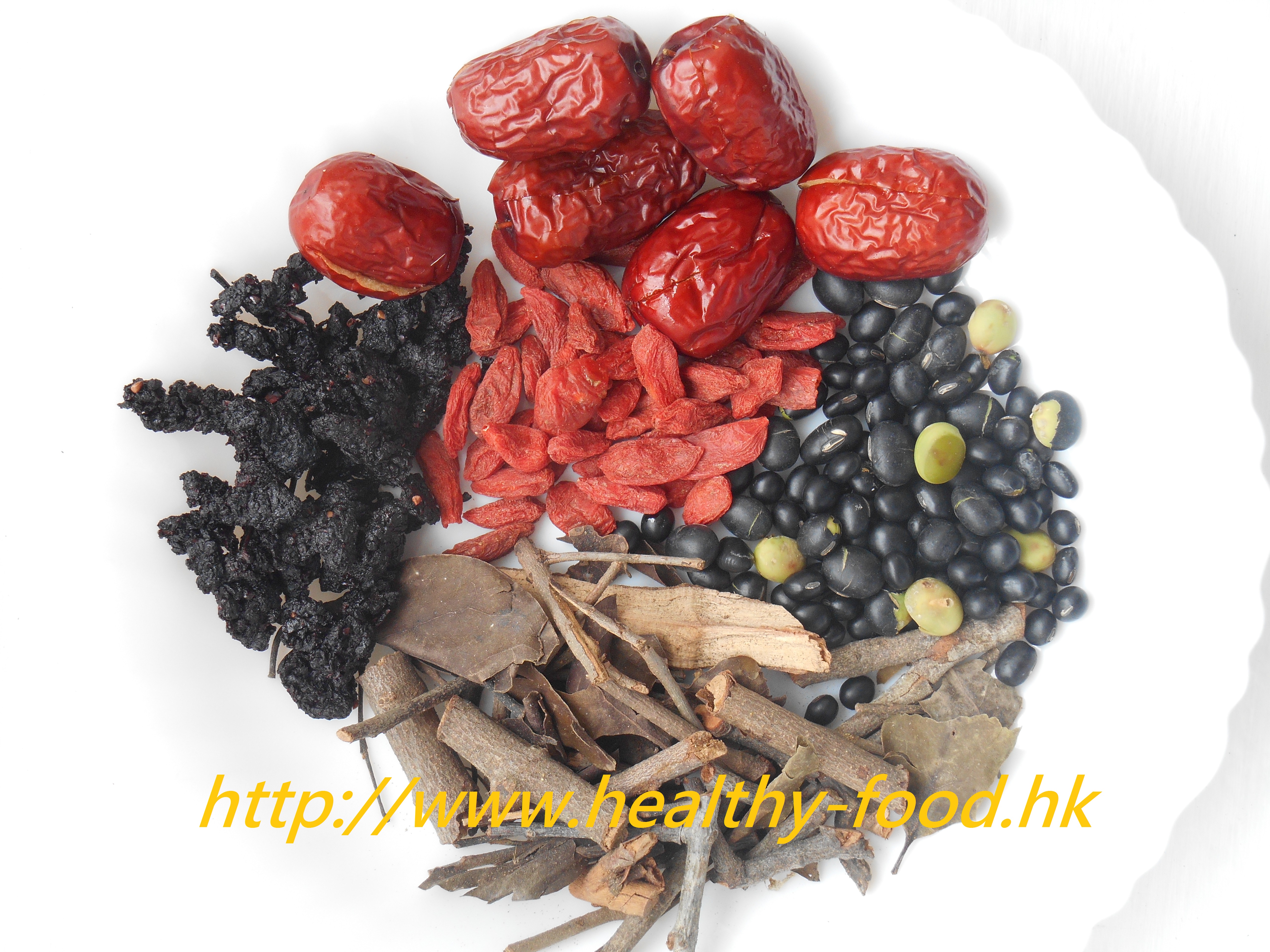
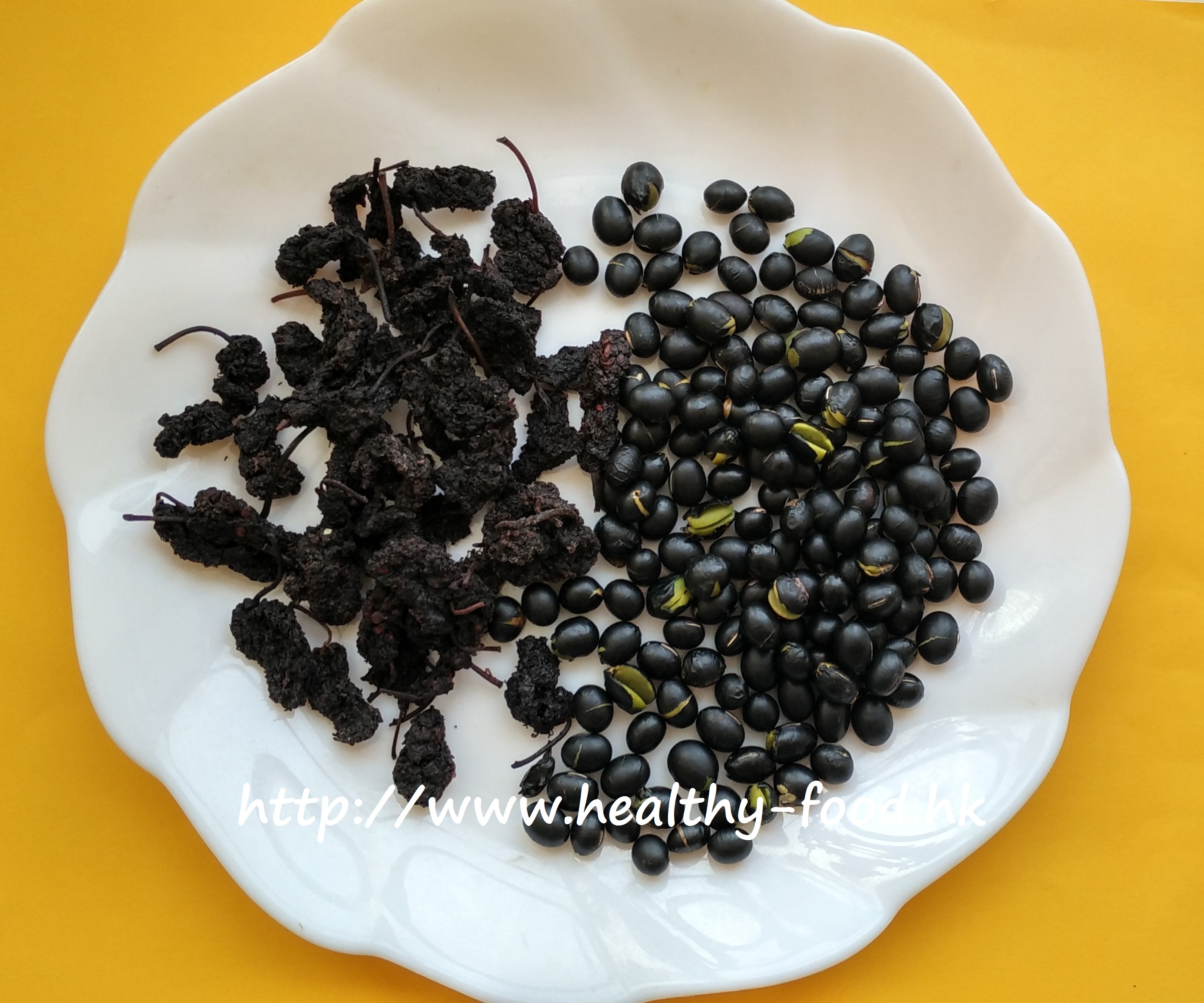
- Rinse and soak the he shou wu, black soybeans, honey dates, and tangerine peel in clean water for 15 minutes.
- Combine all ingredients in a clay or ceramic pot. Add 2.4 L of water.
- Bring to the boil, then reduce heat and simmer for about 1.5 hours.
- Serve warm. Drink the broth and eat the black soybeans and dates.
Nourilo’s Tips
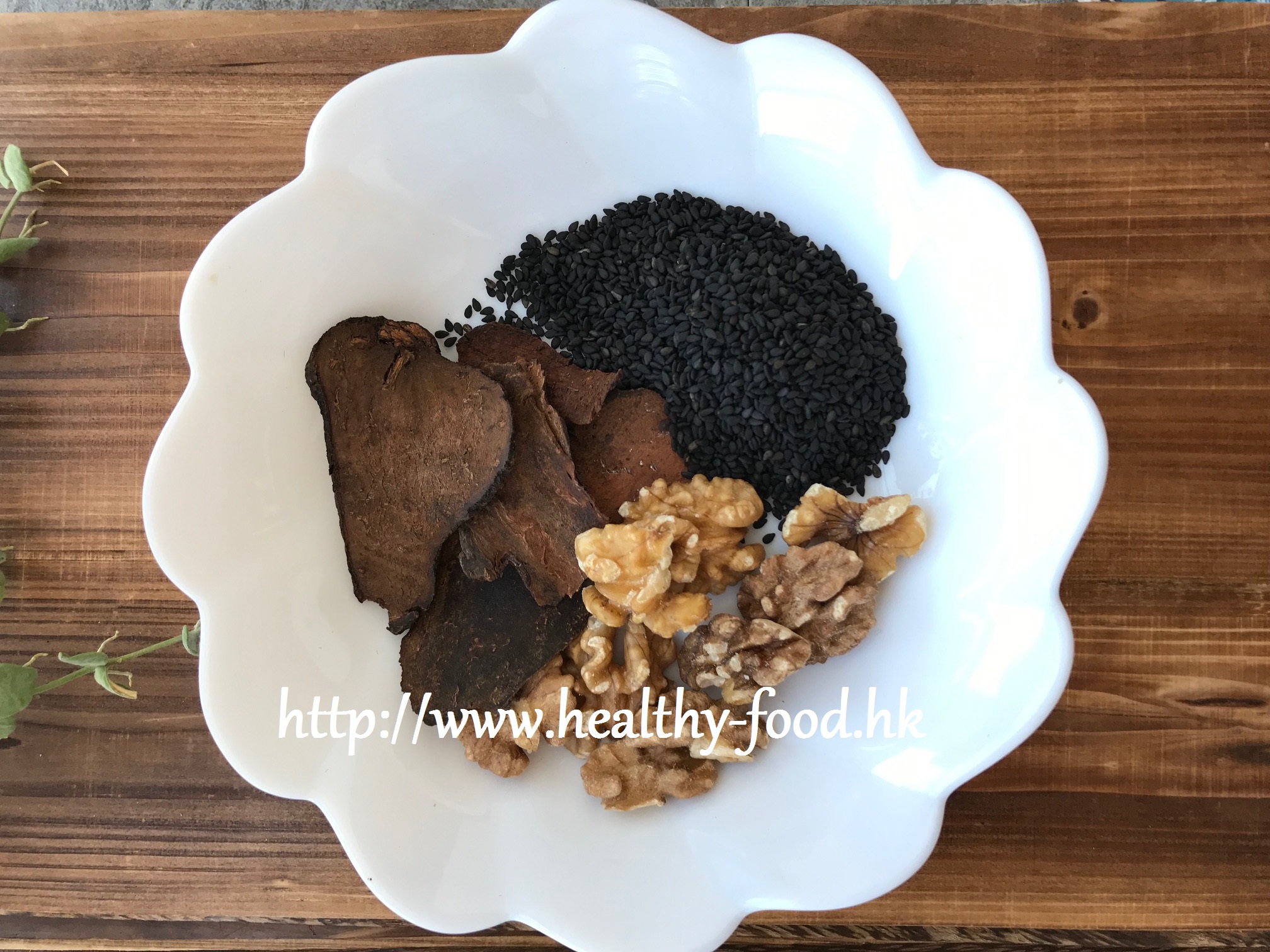
Wild river fish are noticeably sweeter and more flavorful than farmed fish. A quick way to tell them apart: wild fish tend to have a head that looks slightly large relative to the body, and their coloring is more vivid — because they swim constantly in search of food, they naturally have a leaner, more elongated build. If you cannot find catfish or river perch, any fresh river fish works. He shou wu must not be cooked in metal pots; use clay, glass, or ceramic only. Those with gout should swap black soybeans for 19 g of black sesame seeds in a muslin bag.
What studies say about the key ingredients
Traditional use is not the same as clinical proof. Here is the strongest human research we found for each ingredient, limitations included.
- Black soybeans
Systolic blood pressure fell more in the black soy peptide group (-9.69 mm Hg) than in the placebo group (-2.91 mm Hg) after baseline adjustment. Plasma malondialdehyde decreased and superoxide dismutase activity increased compared with placebo.Limitation: Used an isolated peptide supplement rather than whole black soybeans, and followed participants for only 8 weeks, so the results may not apply to food intake.PubMed 23924691 - Ginger
Overall, acute and delayed nausea and vomiting did not differ significantly between ginger and control groups. A subgroup taking 1 g/day or less for over four days had less acute vomiting (OR 0.30).Limitation: Clinical heterogeneity between trials required subgroup analyses, and the authors state that sufficiently large, high-quality RCTs are still needed.PubMed 36501010 · 3 more ginger studies - Tangerine peel
The tangerine peel drink group showed significant reductions in body weight and triglycerides after the intervention compared with the control group (p < 0.05). Safety markers showed no adverse effects. Gut microbiota and serum metabolite profiles also differed.Limitation: Small pilot trial with only 55 of 72 participants completing. The fermented product is not the same as plain tangerine peel, and the control group is not described.PubMed 40225325
From the Nourilo Research Library. Findings come from specific doses, extracts and populations and may not apply to a home-cooked recipe.
Safety first — read before you cook
This is a traditional food, not a treatment. Please check with your doctor or pharmacist before making it a regular part of your diet if you:
- are pregnant or breastfeeding, or are cooking for a young child;
- take regular medicines — especially blood thinners, blood-pressure, diabetes or immune-suppressing drugs;
- have a kidney, liver or heart condition, or a known food allergy.
Stop eating it and seek advice if you notice an allergic reaction or feel unwell. Safety notes reviewed 8 October 2026 · How we write safety notes
Comments
Join the conversation — sign in or create a free account to comment.
Continue with GoogleBy continuing with Google or email you confirm you are 16 or older and agree to our Terms of Use and Privacy Policy.
Loading comments…