Congee & Porridge
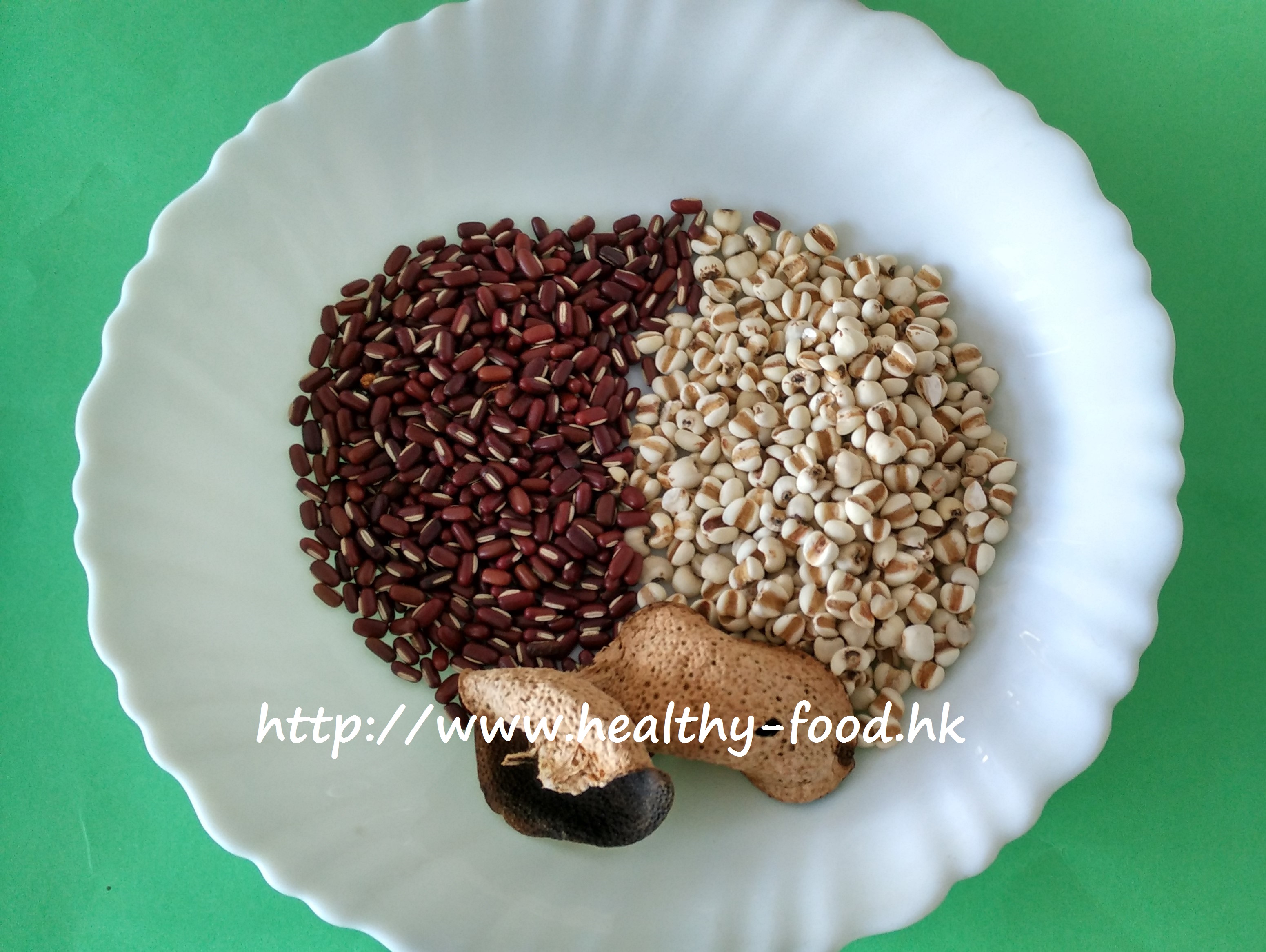
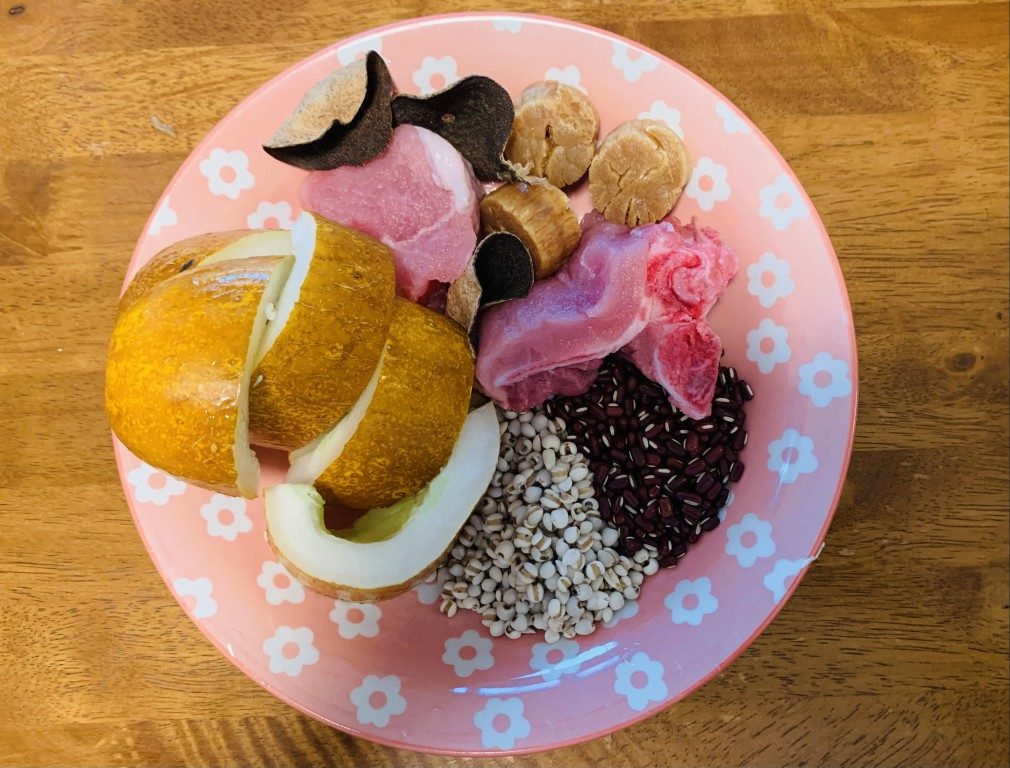
Adzuki Bean, Coix Seed and Dried Tangerine Peel Congee (Chi Xiao Dou Yi Mi Chen Pi Zhou)
traditionally associated with reducing uric acid buildup, relieving water retention, and supporting gout management
In short: Adzuki Bean, Coix Seed and Dried Tangerine Peel Congee (Chi Xiao Dou Yi Mi Chen Pi Zhou) is a congee & porridge that traditionally associated with reducing uric acid buildup, relieving water retention, and supporting gout management. It is most often made for kidney & urinary wellness, bone & joint wellness, everyday balance. Total time about 1 hr 10 min. Key ingredients: adzuki beans, coix seed / job's tears, tangerine peel, rock sugar.
Why people make this congee
Gout is becoming more common — affecting both men and women — and the pain it brings can be debilitating. It results from uric acid crystallising in the joints, typically striking first in the big toe in the middle of the night with what feels like an intense burning sensation. Because the pain often comes and goes quickly, it is easy to ignore until attacks become more frequent and severe.
Managing gout requires limiting dietary purines — the compounds that break down into uric acid in the body. Most beans are high in purines and are therefore traditionally cautioned for gout sufferers. Adzuki beans are a notable exception: they are low in purines and have traditionally been used in Chinese food therapy to help the kidneys manage water and reduce uric acid levels. Paired with coix seed, one of the most widely used Cantonese ingredients for supporting water metabolism, and dried tangerine peel to warm the digestion and help the other ingredients work more efficiently, this is a gentle, practical, everyday congee for those managing gout or joint swelling.
Method
- Soak the adzuki beans, coix seed, and dried tangerine peel separately in cold water for 20–30 minutes. Drain and rinse.
- Place all three ingredients in a pot with 1.8 L of water.
- Bring to a boil over high heat, then reduce to a gentle simmer.
- Cook for about 1 hour, stirring occasionally, until the beans and coix seed are soft and the mixture has a congee-like consistency.
- Add rock sugar to taste, stir until dissolved, and serve.
Nourilo’s Tips
Beyond this congee, those managing gout should aim to drink at least 6–8 glasses of water per day — hydration helps dilute uric acid and reduce crystallisation in the joints. High-purine foods to limit include shellfish (oysters, scallops, clams, mussels), animal organ meats, beer and other yeast-based products, mushrooms (including cloud ear and snow fungus), most other beans, and asparagus. Rich, concentrated slow-cooked broths and chicken essence drinks are also best avoided. During periods when gout is not flaring, small amounts of these foods are generally acceptable. Adzuki beans are the one bean that is safe to eat regularly.
What studies say about the key ingredients
Traditional use is not the same as clinical proof. Here is the strongest human research we found for each ingredient, limitations included.
- Adzuki beans
Adzuki bean meals had a low glycemic index (21–51 range reported with lotus seed), whereas other starchy foods did not differ significantly from rice. Adzuki bean hydrolysis index was lower than other test foods.Limitation: Only ten healthy participants and acute single-meal responses, so effects in people with diabetes or with regular intake are unknown.PubMed 30875961 · 1 more adzuki beans study - Job's tears (coix)
Myeloperoxidase activity rose significantly in the placebo group after 8 weeks but showed no significant change in the adlay tea group. Vascular endothelial function improved in the adlay group, especially in those over 40.Limitation: Participants were healthy adults and the outcomes were surrogate markers, so the results say little about clinical disease outcomes. Tea is a polyphenol-rich extract, not whole grain.PubMed 38945894 · 2 more job's tears (coix) studies - Tangerine peel
The tangerine peel drink group showed significant reductions in body weight and triglycerides after the intervention compared with the control group (p < 0.05). Safety markers showed no adverse effects. Gut microbiota and serum metabolite profiles also differed.Limitation: Small pilot trial with only 55 of 72 participants completing. The fermented product is not the same as plain tangerine peel, and the control group is not described.PubMed 40225325
From the Nourilo Research Library. Findings come from specific doses, extracts and populations and may not apply to a home-cooked recipe.
Safety first — read before you cook
This is a traditional food, not a treatment. Please check with your doctor or pharmacist before making it a regular part of your diet if you:
- are pregnant or breastfeeding, or are cooking for a young child;
- take regular medicines — especially blood thinners, blood-pressure, diabetes or immune-suppressing drugs;
- have a kidney, liver or heart condition, or a known food allergy.
Stop eating it and seek advice if you notice an allergic reaction or feel unwell. Safety notes reviewed 8 October 2026 · How we write safety notes
Comments
Join the conversation — sign in or create a free account to comment.
Continue with GoogleBy continuing with Google or email you confirm you are 16 or older and agree to our Terms of Use and Privacy Policy.
Loading comments…