Herbal & Flower Teas
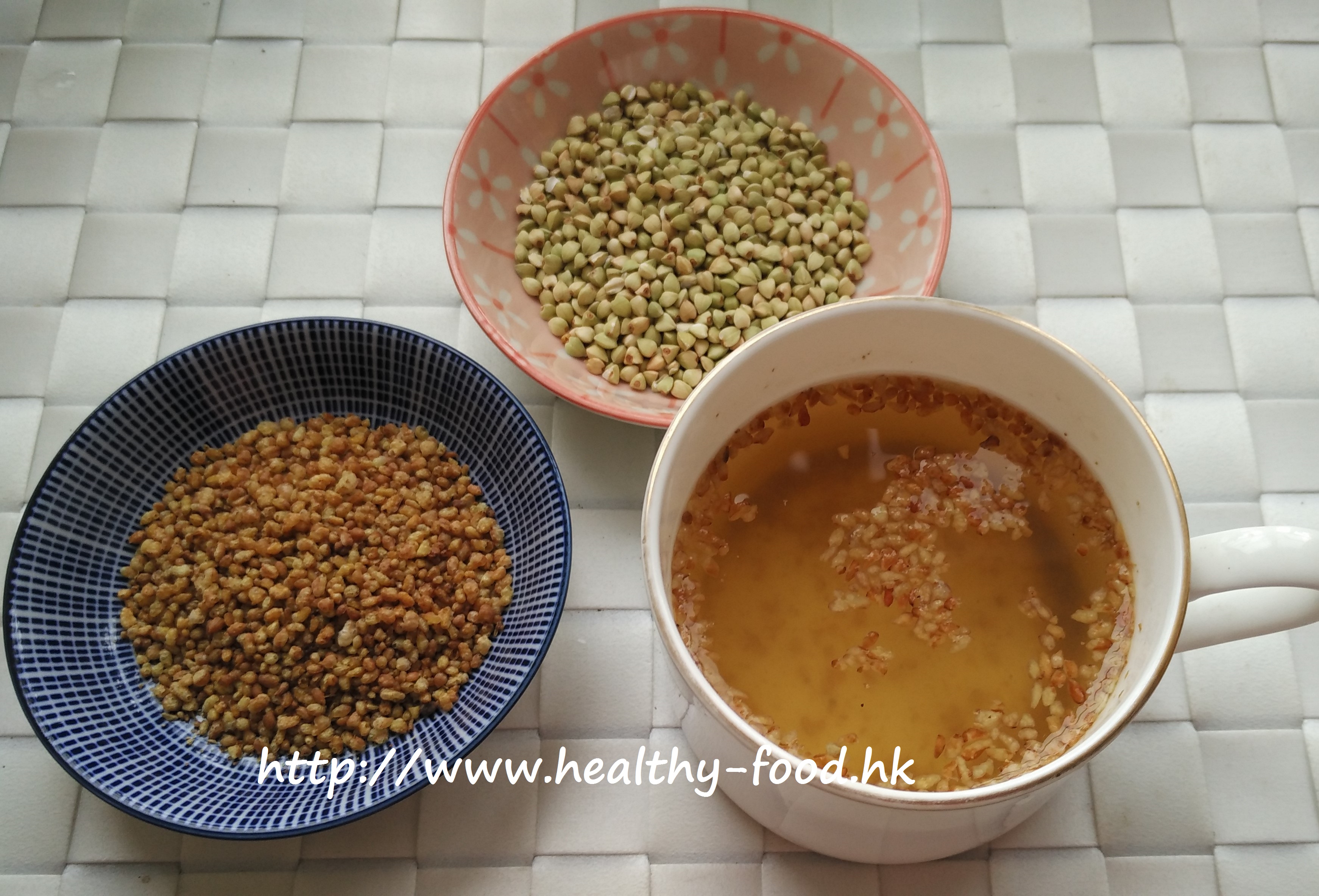
Golden Buckwheat Tea
traditionally supports fat metabolism, blood pressure, vision and antioxidant defence
In short: Golden Buckwheat Tea is a herbal & flower tea that traditionally supports fat metabolism, blood pressure, vision and antioxidant defence. It is most often made for skin & natural beauty, weight & metabolism, heart & circulation. Total time about 7 min.
Why people make this tea
Buckwheat tea has become increasingly popular across East Asia as a gentle everyday wellness drink, and for good reason. But not all buckwheat is the same: the common sweet buckwheat found in most supermarkets is used mainly for cooking porridge, while golden buckwheat — also called bitter buckwheat or tartary buckwheat — is a distinct variety with a significantly richer nutritional profile. Research has found that golden buckwheat contains many times more rutin (a bioflavonoid associated with vascular health), over twenty types of amino acids, and higher concentrations of antioxidant compounds than its sweet counterpart. The result is a lightly fragrant, slightly cooling tea that has earned a strong following among those watching their blood pressure, blood sugar or weight.
Safety first — read before you cook
This is a traditional food, not a treatment. Please check with your doctor or pharmacist before making it a regular part of your diet if you:
- are pregnant or breastfeeding, or are cooking for a young child;
- take regular medicines — especially blood thinners, blood-pressure, diabetes or immune-suppressing drugs;
- have a kidney, liver or heart condition, or a known food allergy.
Stop eating it and seek advice if you notice an allergic reaction or feel unwell. Safety notes reviewed 8 October 2026 · How we write safety notes
Members only
Unlock the full method & Nourilo's tips
One payment, lifetime access to every one of our 2,344 recipes — step-by-step methods, preparation tips and serving notes.
- Full step-by-step method for this and all 2,344 recipes
- Nourilo's Tips — sourcing, substitutions and serving notes
- One-time payment · card, Apple Pay or Google Pay · no subscription, no renewals
Checking your access…
$59.99 one-time · all recipes
Sign in or create a free account, then pay once by card, Apple Pay or Google Pay.
Continue with GoogleBy continuing with Google or email you confirm you are 16 or older and agree to our Terms of Use and Privacy Policy.
$59.99 one-time · all recipes
Signed in as ·
Secure checkout by Stripe. One-time payment, no renewals. Access is linked to your Nourilo account and never expires. By paying you agree to our Terms of Use; you can get a full refund within 14 days (refund policy).
Comments
Join the conversation — sign in or create a free account to comment.
Continue with GoogleBy continuing with Google or email you confirm you are 16 or older and agree to our Terms of Use and Privacy Policy.
Loading comments…