Herbal & Flower Teas
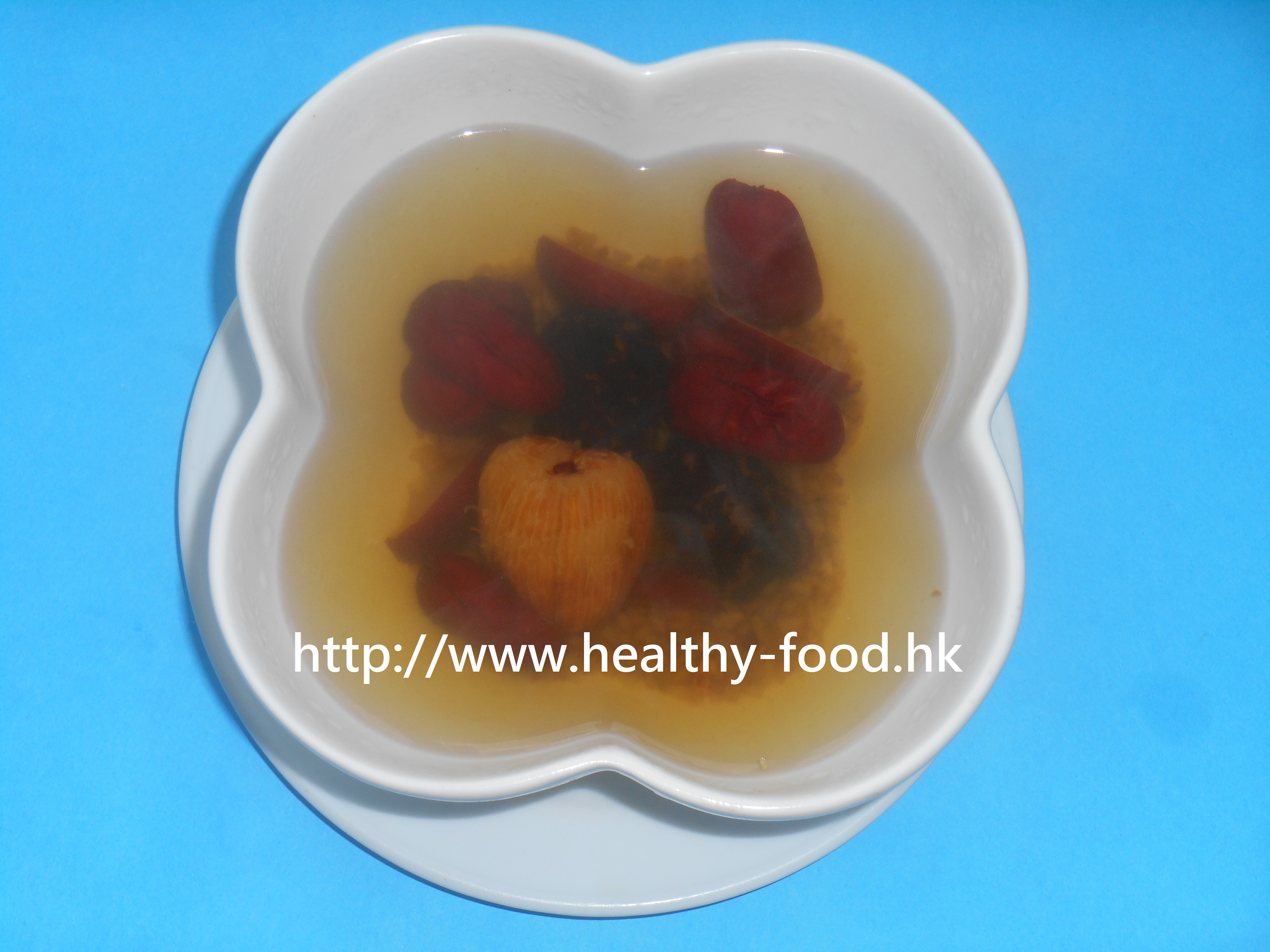
Three-Date Buckwheat Tea
traditionally associated with supporting vitality, healthy ageing and immune balance
In short: Three-Date Buckwheat Tea is a herbal & flower tea that traditionally associated with supporting vitality, healthy ageing and immune balance. It is most often made for skin & natural beauty, heart & circulation, energy & vitality. Total time about 40 min. Key ingredients: red dates, honey dates.
Why people make this tea
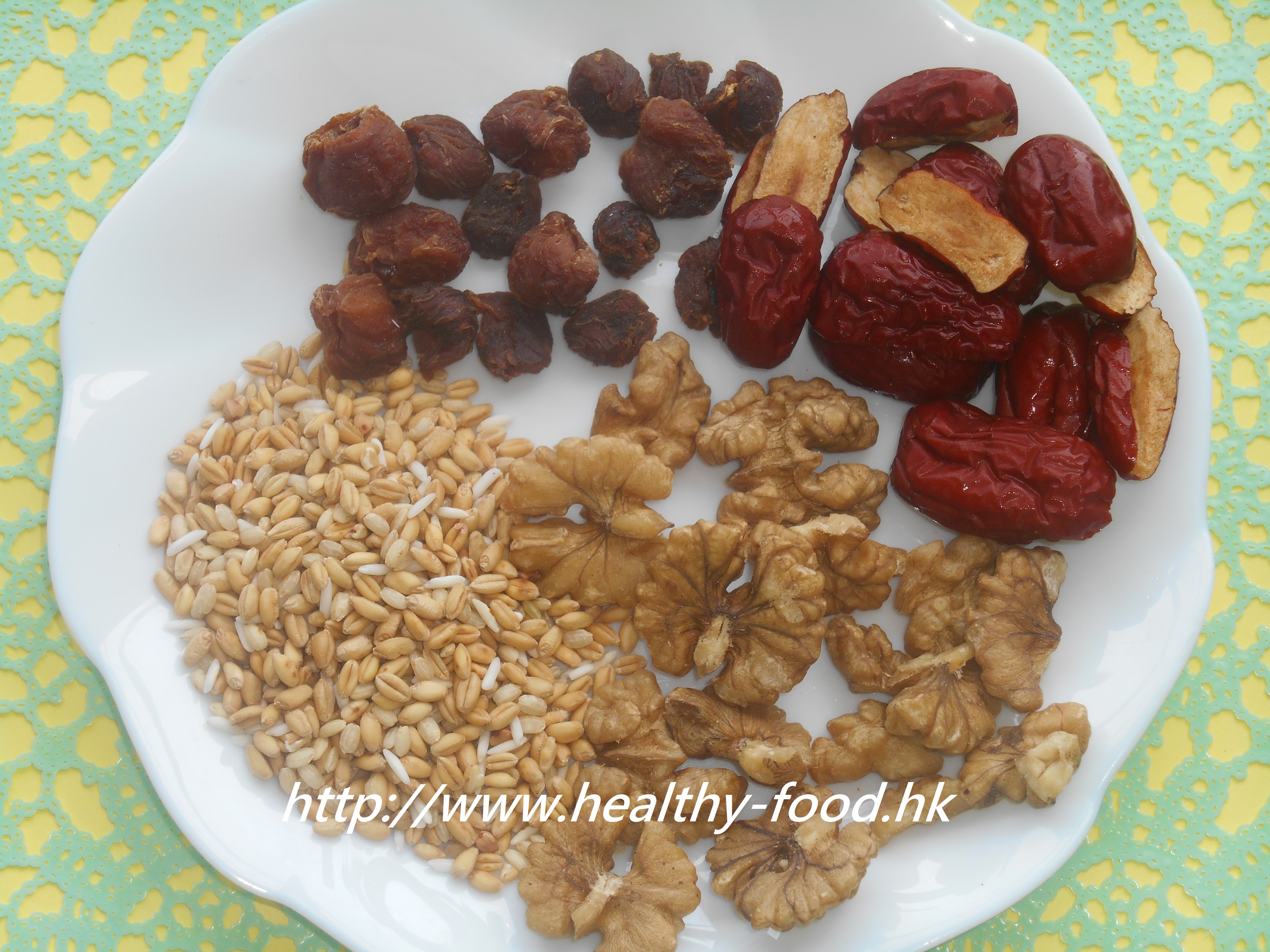
Nourilo has featured a “three-date tea” before, and it became a firm favourite with his readers — appreciated for its beautiful warming sweetness and its association with improving complexion and managing allergic sensitivities. This version adds golden buckwheat (jin qiao mai), also called tartary or bitter buckwheat, and the result is even more satisfying: the natural sweetness of the dates mingles with buckwheat’s nutty, toasty aroma, and the combination sits warmly in the stomach. Buckwheat is a remarkable grain — it contains a high concentration of vitamins, minerals and trace elements compared with many grains commonly consumed, earning it the traditional title of ‘king of the five grains.’ Modern research has increasingly focused on buckwheat’s rutin content and its associations with blood sugar balance, blood pressure and blood lipid levels. The three types of dates each contribute their own nuance: red dates warm and nourish blood; southern (black) dates are cooler and less drying; honey dates moderate and sweeten without excess heat. Together they are balanced, drinkable year-round, and — crucially — buckwheat is said to counteract the drying quality that dates can sometimes cause.
Method
- Pit and slice the red dates; rinse the southern dates and honey date.
- Rinse the buckwheat.
- Place all ingredients into a pot with 1.5 L of water.
- Bring to a boil over high heat, then reduce to a medium-low simmer and cook for 30 minutes, until 900 ml of tea remain.
- Serve warm. You can eat the dates along with the tea.
- Alternatively, this can be made in a thermal flask: steep all ingredients in boiling water for 20–30 minutes.
Nourilo’s Tips
This tea is genuinely for everyone — including children, for whom the buckwheat is thought to support healthy brain development and growth. If you cannot find tartary (bitter) buckwheat, regular sweet buckwheat works too — its nutritional profile is also excellent. Honey dates can be substituted with dried figs (wu hua guo), which are similarly sweet and add a gentle bowel-moving quality. Diabetics must avoid this tea due to the natural sugar content of the dates; instead, try a lotus leaf, cassia seed and chrysanthemum tea. Black dates can substitute for southern dates outside of Hong Kong. Store any pre-mixed batches in an airtight jar, away from moisture.
What studies say about the key ingredients
Traditional use is not the same as clinical proof. Here is the strongest human research we found for each ingredient, limitations included.
- Red dates
Jujube was associated with significantly lower BMI and triglycerides, and lower fasting blood sugar in people with type 2 diabetes. LDL and total cholesterol fell only in some subgroups. HDL, AST and ALT did not change significantly.Limitation: The authors state the overall quality of the evidence is limited, and results varied significantly by dose, treatment duration and disease type.PubMed 40399274 · 3 more red dates studies
From the Nourilo Research Library. Findings come from specific doses, extracts and populations and may not apply to a home-cooked recipe.
Safety first — read before you cook
This is a traditional food, not a treatment. Please check with your doctor or pharmacist before making it a regular part of your diet if you:
- are pregnant or breastfeeding, or are cooking for a young child;
- take regular medicines — especially blood thinners, blood-pressure, diabetes or immune-suppressing drugs;
- have a kidney, liver or heart condition, or a known food allergy.
Stop eating it and seek advice if you notice an allergic reaction or feel unwell. Safety notes reviewed 8 October 2026 · How we write safety notes

Comments
Join the conversation — sign in or create a free account to comment.
Continue with GoogleBy continuing with Google or email you confirm you are 16 or older and agree to our Terms of Use and Privacy Policy.
Loading comments…