Congee & Porridge
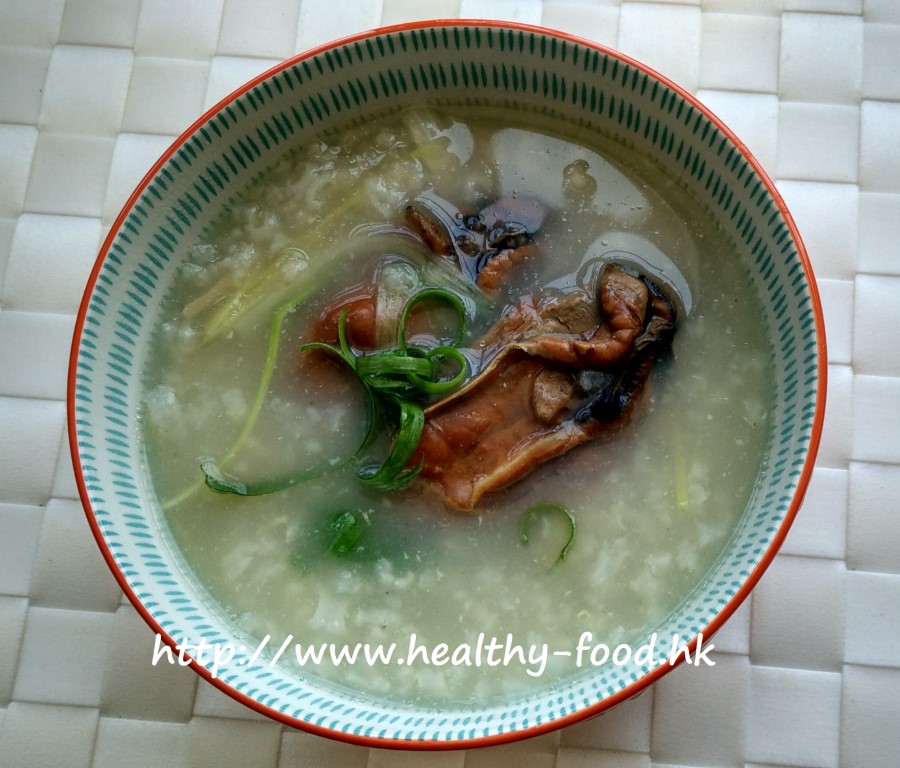
Ginger, Scallion & Dried Oyster Congee
Traditionally associated with enriching blood, strengthening a depleted constitution, and supporting recovery
In short: Ginger, Scallion & Dried Oyster Congee is a congee & porridge that Traditionally associated with enriching blood, strengthening a depleted constitution, and supporting recovery. It is most often made for energy & vitality, blood nourishment, immune support. Total time about 1 hr. Key ingredients: ginger, white rice, stock, shaoxing rice wine.
Why people make this congee
In Hong Kong, the months of November and December bring something special to the dried seafood shops: big, fat, golden dried oysters (jin hao) — fragrant, deeply savoury, and at their nutritional peak. Oysters are uniquely concentrated in glycogen, vitamin B12, and protein, and interestingly, these all reach their highest levels in the oyster’s body during the winter months. Glycogen supports liver function, and the natural sweetness it imparts gives dried oysters their distinctive, almost caramel-like aroma.
In Chinese food therapy, dried oysters are considered an excellent tonic for people who are generally weak but “cannot tolerate tonics” — that particular constitution where richer or more warming supplements cause discomfort. Oysters are balanced and gentle enough to nourish without overwhelming. This congee is particularly valued for those recovering from illness, managing conditions involving the lymph nodes (historically including tuberculosis), and for cancer patients whose blood cell counts have dropped following chemotherapy or radiotherapy. Nourilo suggests regular portions as a complementary supportive measure. It is also associated with supporting fertility, and is considered helpful for women going through menopause who experience dryness symptoms (dry mouth, eyes, skin, and vaginal dryness).
Method
- Rinse the dried oysters and marinate in a splash of Shaoxing wine for 30 minutes.
- Wash the white rice and season with a pinch of salt and a drizzle of oil (this helps create a silkier congee).
- In a pot, combine the seasoned rice with 3 times its volume of water, add the stock, ginger shreds, and the marinated oysters.
- Bring to a boil, then reduce to a low simmer, stirring occasionally to prevent sticking.
- Cook for about 30–40 minutes until the rice grains have fully bloomed into a smooth, thick congee.
- Add scallion greens and season with salt, white pepper, and a few drops of sesame oil.
- Serve immediately.
Nourilo’s Tips
When shopping for dried oysters, look for ones that are plump and full-bodied, with a deep golden-yellow colour, clean edges, and a rich fragrant smell — avoid any that smell fishy or have visible sand. The quality of the oyster makes a big difference to this congee. This dish also has a traditionally recognised mild fertility-supporting quality — suitable for both men and women. Menopausal women experiencing dry mouth, dry eyes, dry skin, or vaginal dryness may find regular consumption particularly beneficial. (Nourilo notes: menopause brings a state of yin deficiency that can cause dryness throughout the body — including reduced gastric acid, which may affect digestion; it is worth paying attention to.)
What studies say about the key ingredients
Traditional use is not the same as clinical proof. Here is the strongest human research we found for each ingredient, limitations included.
- Ginger
Overall, acute and delayed nausea and vomiting did not differ significantly between ginger and control groups. A subgroup taking 1 g/day or less for over four days had less acute vomiting (OR 0.30).Limitation: Clinical heterogeneity between trials required subgroup analyses, and the authors state that sufficiently large, high-quality RCTs are still needed.PubMed 36501010 · 3 more ginger studies
From the Nourilo Research Library. Findings come from specific doses, extracts and populations and may not apply to a home-cooked recipe.
Safety first — read before you cook
This is a traditional food, not a treatment. Please check with your doctor or pharmacist before making it a regular part of your diet if you:
- are pregnant or breastfeeding, or are cooking for a young child;
- take regular medicines — especially blood thinners, blood-pressure, diabetes or immune-suppressing drugs;
- have a kidney, liver or heart condition, or a known food allergy.
Ingredient notes for this recipe
- Rice wine / alcohol: This recipe contains alcohol. If you are pregnant or planning a pregnancy, the NHS recommends not drinking alcohol; leave it out or choose another recipe. Source: NHS — Alcohol in pregnancy
Stop eating it and seek advice if you notice an allergic reaction or feel unwell. Safety notes reviewed 8 October 2026 · How we write safety notes
Comments
Join the conversation — sign in or create a free account to comment.
Continue with GoogleBy continuing with Google or email you confirm you are 16 or older and agree to our Terms of Use and Privacy Policy.
Loading comments…