Soups
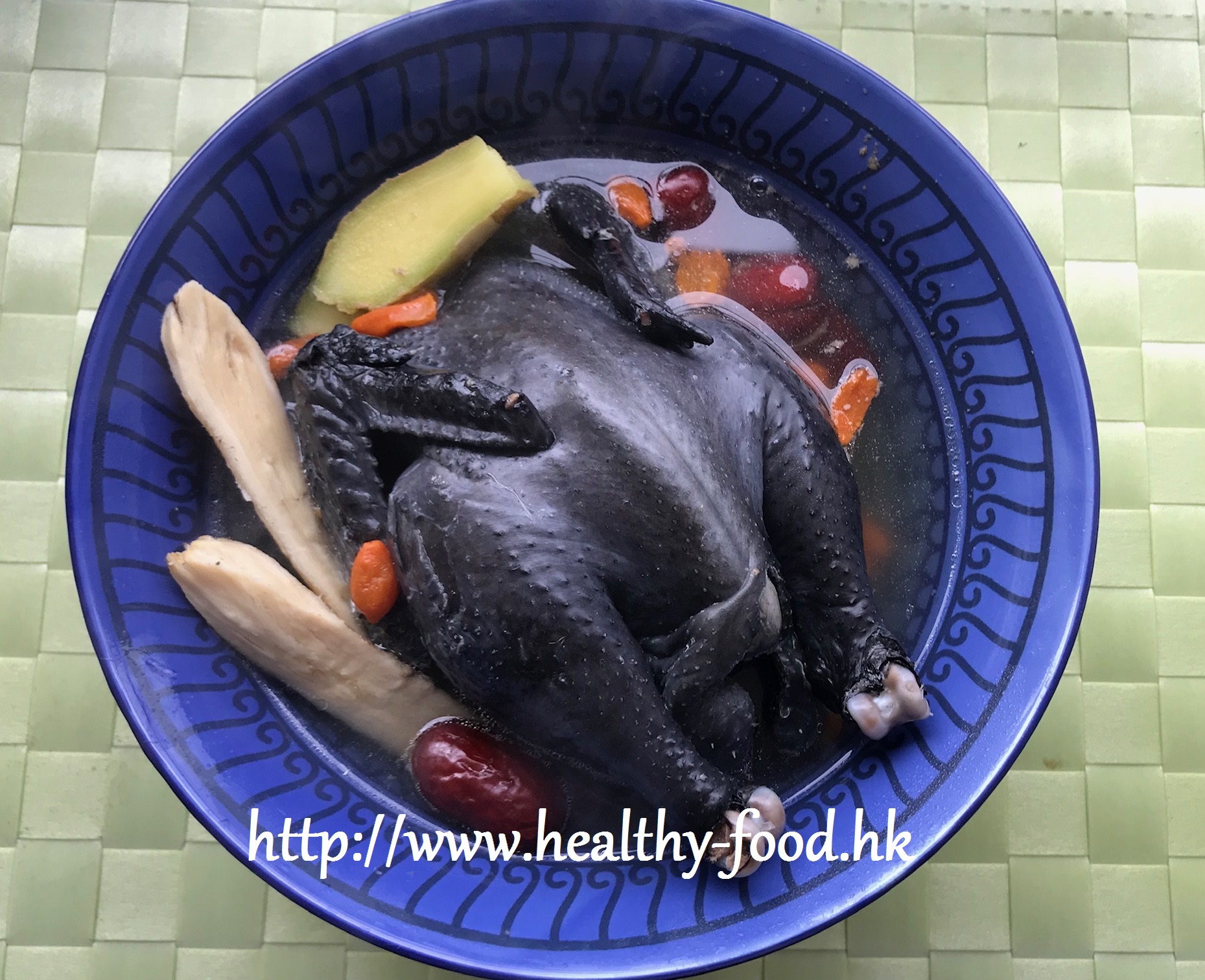
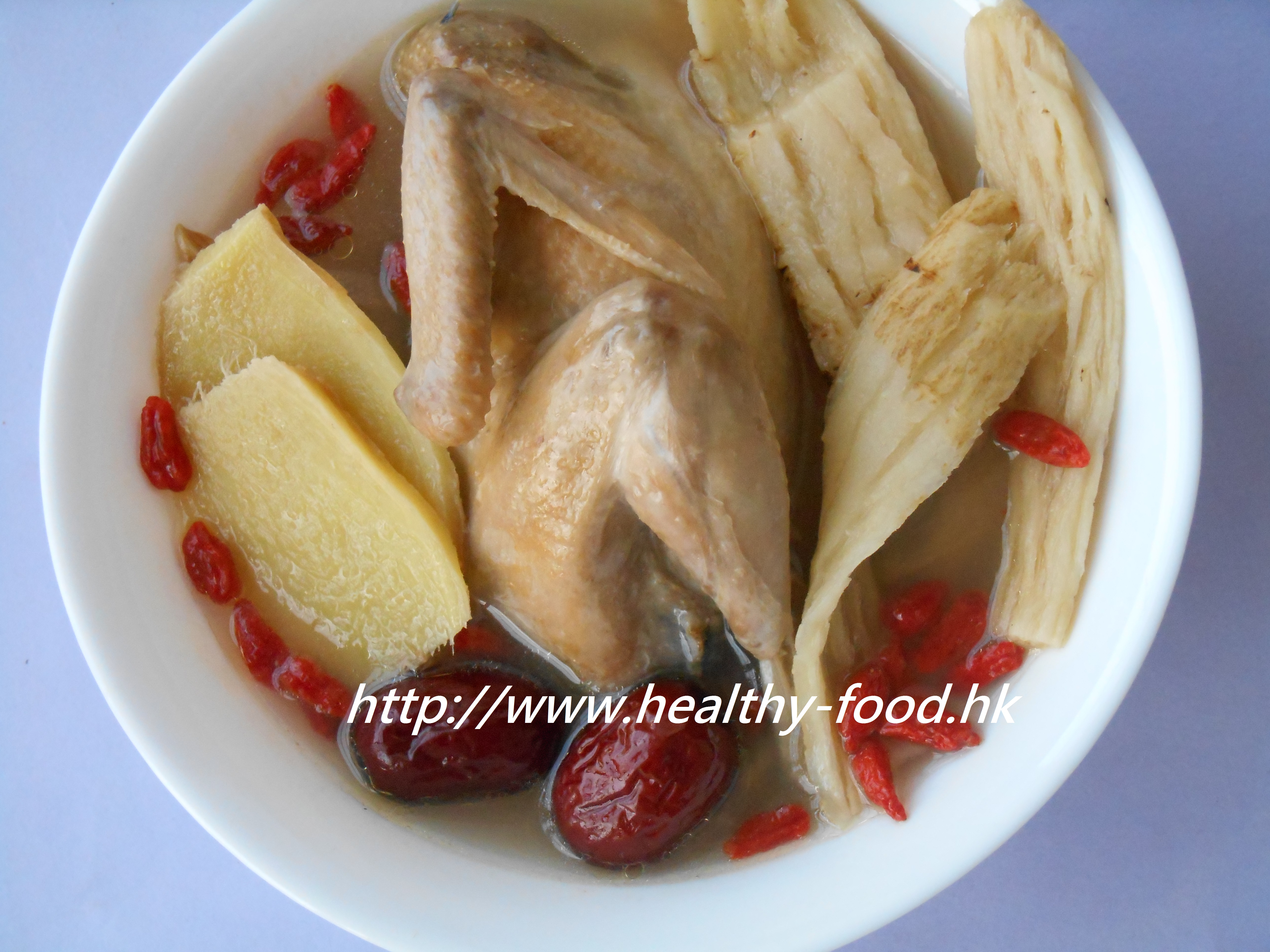
Astragalus, Fresh Chinese Yam, Wolfberry & Red Date Pork Shin Soup
traditionally used to strengthen qi, nourish blood, and support the body's natural immune defences
In short: Astragalus, Fresh Chinese Yam, Wolfberry & Red Date Pork Shin Soup is a soup that traditionally used to strengthen qi, nourish blood, and support the body's natural immune defences. It is most often made for energy & vitality, blood nourishment, immune support. Total time about 140 min. Key ingredients: astragalus root, chinese yam, red dates.
Why people make this soup
When the weather turns cold and you want something that genuinely supports your body’s resilience, this is one of Nourilo’s go-to recommendations for the whole family. The key insight behind this recipe is that many tonic herbs are too warm, too stimulating, or too specialised for everyday general use — but the four ingredients at the heart of this soup (astragalus, yam, goji, and red dates) hit a sweet spot: they are nourishing without dryness, warming without being harsh, and safe for children, adults, and the elderly alike.
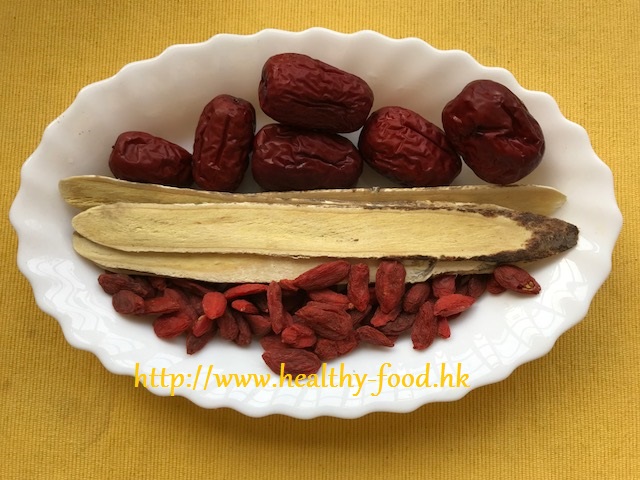
Astragalus (huang qi / bei qi) is one of the most widely researched herbs in traditional Chinese medicine. Its role here is to strengthen the body’s “wei qi” — the defensive energy that circulates at the surface and keeps pathogens from taking hold. Combined with yam (which supports the digestive system so that the tonic nourishment can actually be absorbed), goji (which nourishes the liver and kidneys while also brightening the eyes), and red dates (which build blood and calm the spirit), this soup is as well-rounded as everyday food therapy gets.
Method
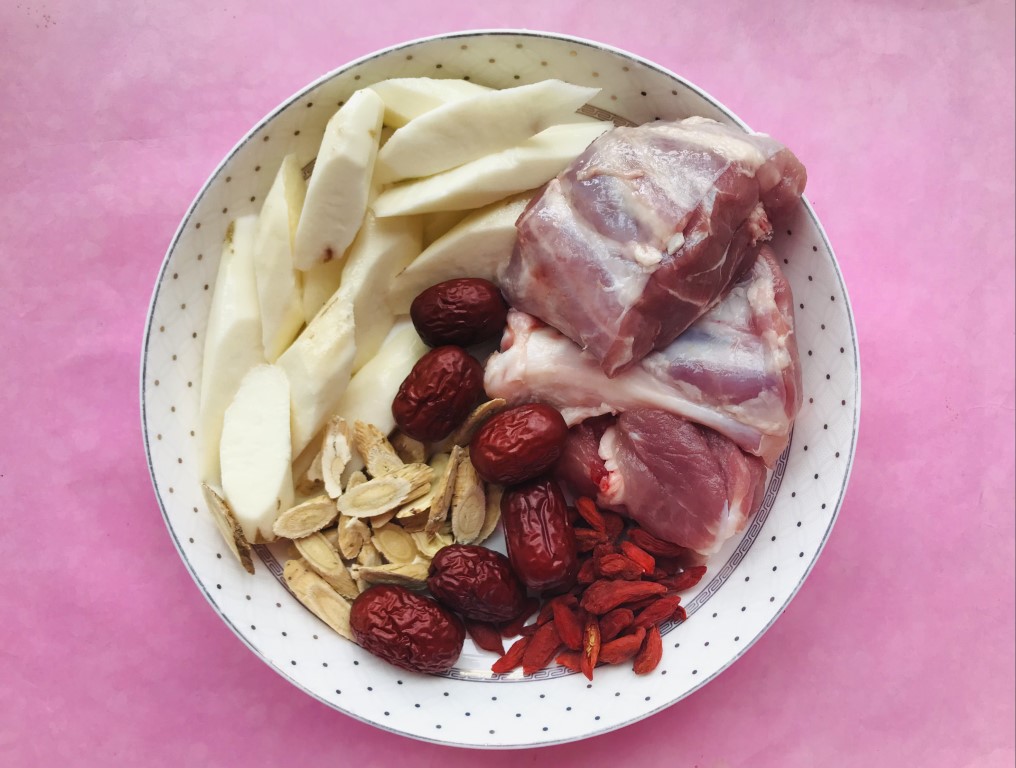
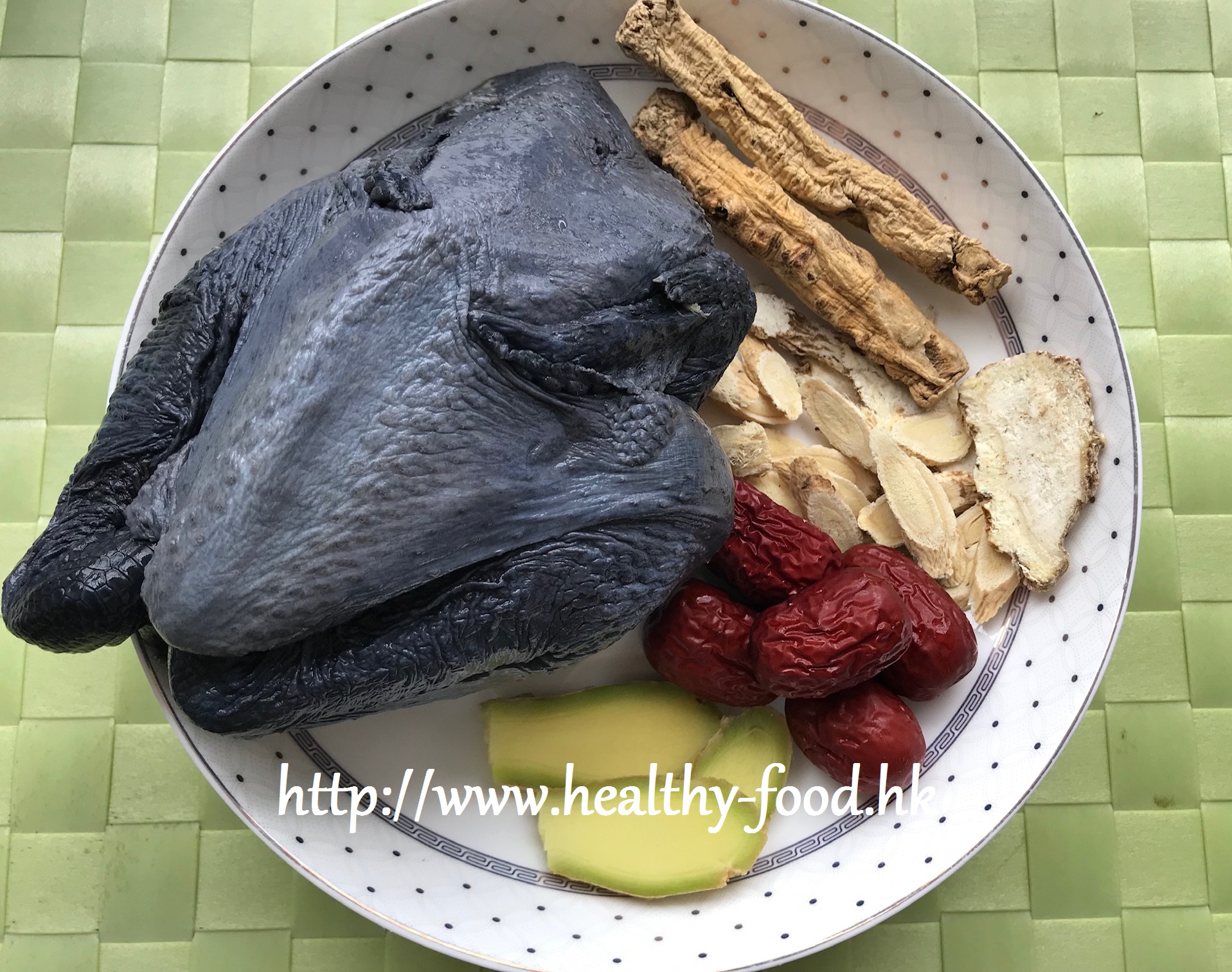
- Soak and rinse the astragalus. Peel the fresh Chinese yam and cut into sections.
- Rinse the goji berries well. Remove the pits from the red dates.
- Cut the pork shin into chunks and blanch in boiling water; drain and rinse.
- Combine all ingredients in a pot with 2.7 L of water (goji berries can be added at the start or in the last 20 minutes if you prefer them to retain their shape and colour).
- Bring to a boil, then reduce to a steady simmer for 2 hours until reduced to about 1.2 L.
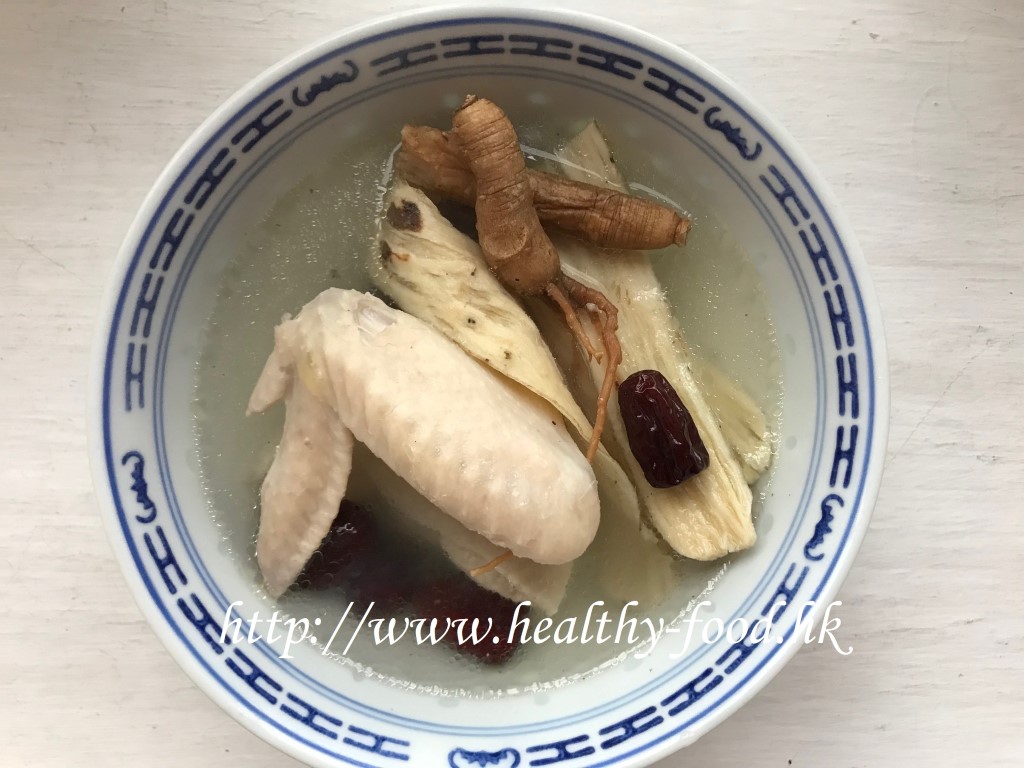
- Serve and eat both the soup and the solid ingredients.
Nourilo’s Tips
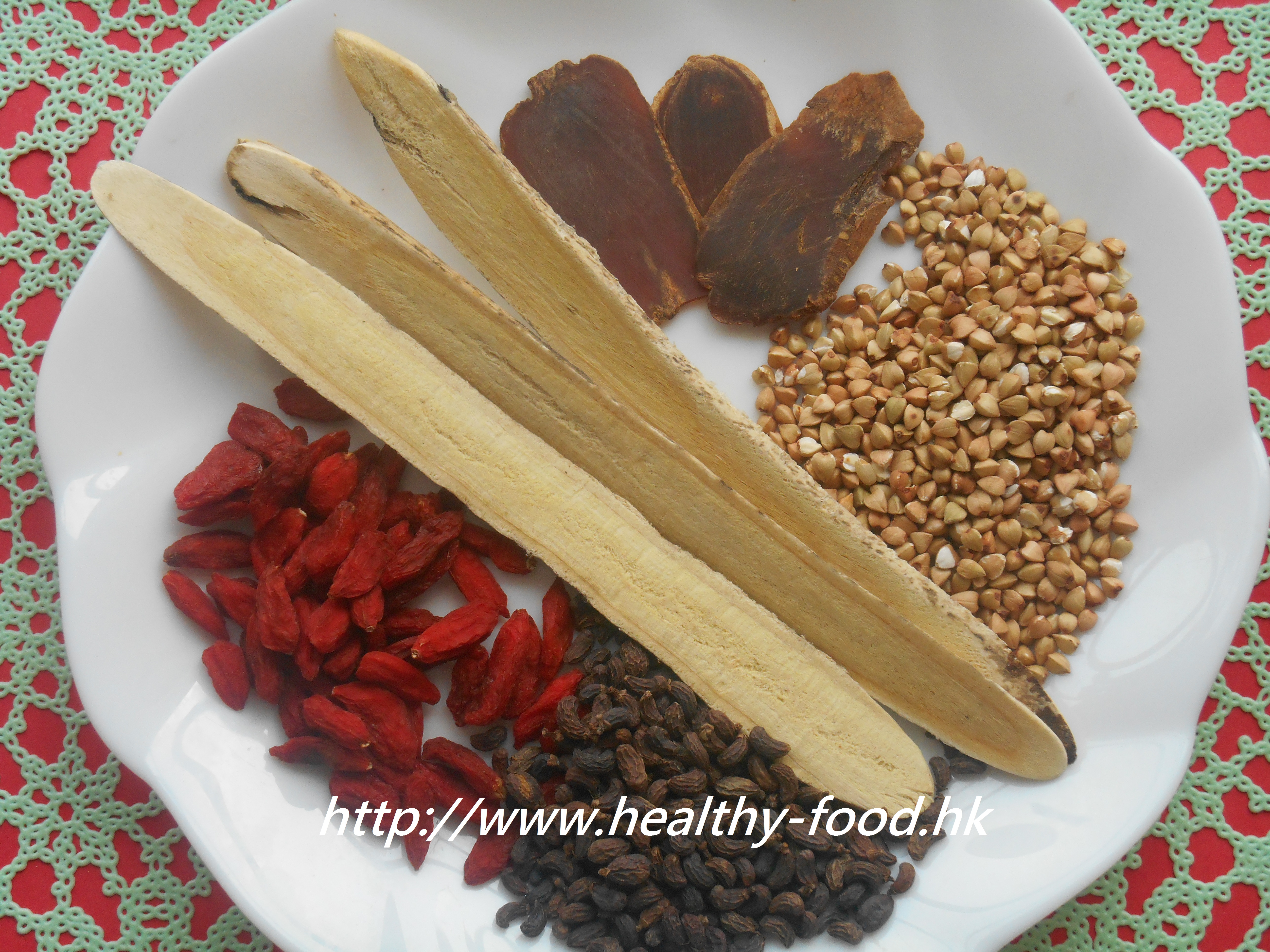
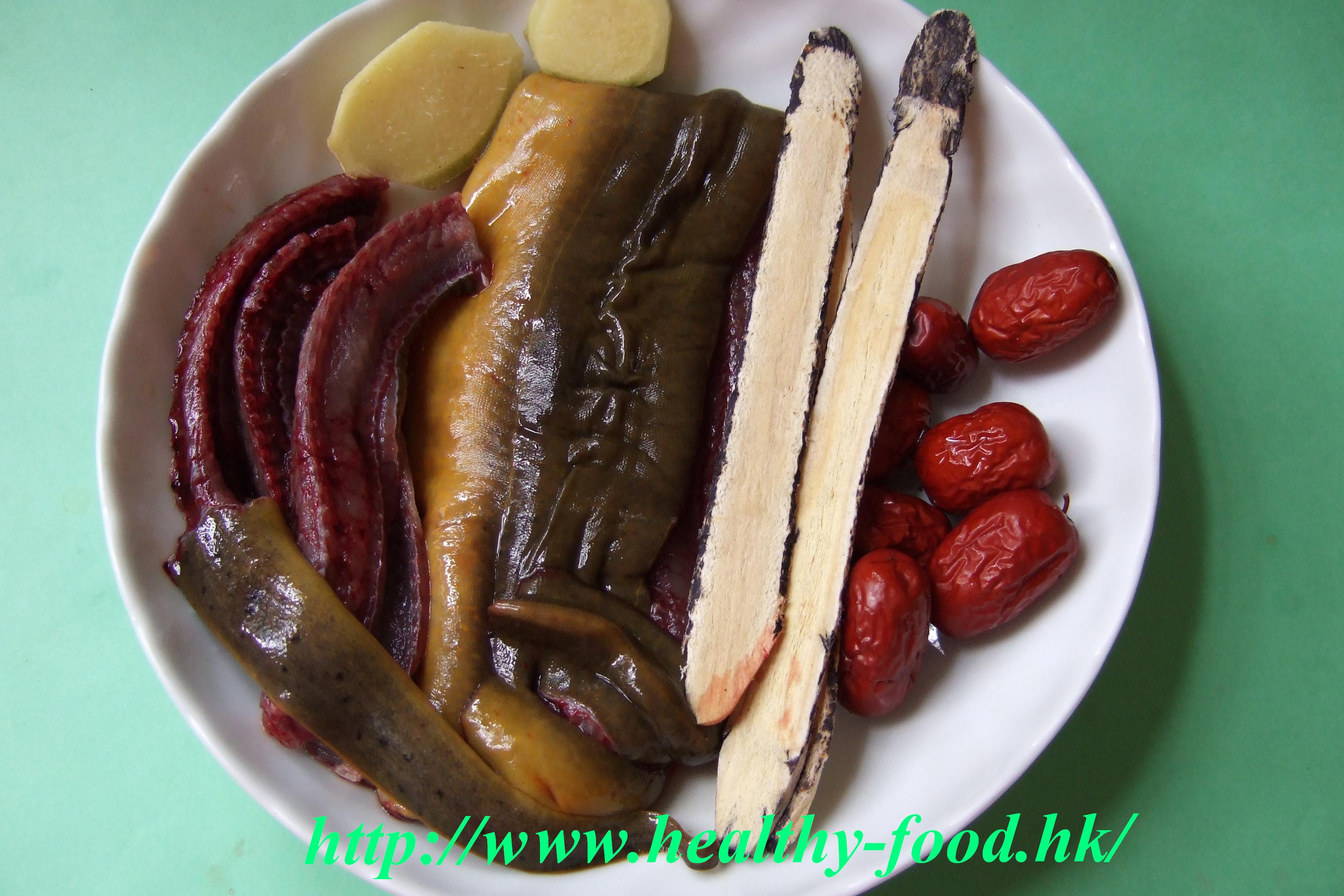
The photo in the original article shows thinly sliced astragalus — which Nourilo notes he used because he happened to have extra. For this soup, the traditional long-strip form of bei qi (with the characteristic dark outer edge and yellow inner flesh) is more potent and gives a slightly deeper flavour to the broth. If using dry yam instead of fresh, use 38 g (about 38 g). If cooking vegetarian, carrot and corn make a good base, or use cashews and almonds for added protein. One consistent reminder from Nourilo: never drink this tonic soup when you are coming down with a cold or fever — let the illness resolve completely first.
What studies say about the key ingredients
Traditional use is not the same as clinical proof. Here is the strongest human research we found for each ingredient, limitations included.
- Astragalus root
TA-65 was associated with longer leukocyte telomeres compared with controls, but the meta-analysis found no significant improvement in frailty measures or inflammatory markers (CRP/IL-6). Mild gastrointestinal effects were reported.Limitation: Industry-funded trials reported larger effects than others, and the compound is a purified extract at doses not comparable to eating Astragalus root.PubMed 41286474 · 3 more astragalus root studies - Goji berries
Compared with placebo (n=80), the goji juice group (n=81) reported greater improvements in several self-rated symptoms, including stress, mental acuity, sleep quality and overall well-being, under a random effects model.Limitation: Outcomes were self-reported symptom questionnaires, and several symptoms showed significant heterogeneity across the four pooled trials of a single branded juice.PubMed 22897500 · 3 more goji berries studies - Red dates
Jujube was associated with significantly lower BMI and triglycerides, and lower fasting blood sugar in people with type 2 diabetes. LDL and total cholesterol fell only in some subgroups. HDL, AST and ALT did not change significantly.Limitation: The authors state the overall quality of the evidence is limited, and results varied significantly by dose, treatment duration and disease type.PubMed 40399274 · 3 more red dates studies
From the Nourilo Research Library. Findings come from specific doses, extracts and populations and may not apply to a home-cooked recipe.
Safety first — read before you cook
This is a traditional food, not a treatment. Please check with your doctor or pharmacist before making it a regular part of your diet if you:
- are pregnant or breastfeeding, or are cooking for a young child;
- take regular medicines — especially blood thinners, blood-pressure, diabetes or immune-suppressing drugs;
- have a kidney, liver or heart condition, or a known food allergy.
Ingredient notes for this recipe
- Goji berries: A few cases of raised INR (a bleeding-risk marker) have been reported in people taking warfarin after drinking concentrated goji tea or wine. If you take a blood thinner, check with your doctor. Source: Memorial Sloan Kettering — Lycium
- Astragalus: May interact with medicines that suppress the immune system. A thorough safety evaluation has not been done, and little is known about its safety in pregnancy or breastfeeding. Source: NIH NCCIH — Astragalus
Stop eating it and seek advice if you notice an allergic reaction or feel unwell. Safety notes reviewed 8 October 2026 · How we write safety notes
Comments
Join the conversation — sign in or create a free account to comment.
Continue with GoogleBy continuing with Google or email you confirm you are 16 or older and agree to our Terms of Use and Privacy Policy.
Loading comments…