Soups
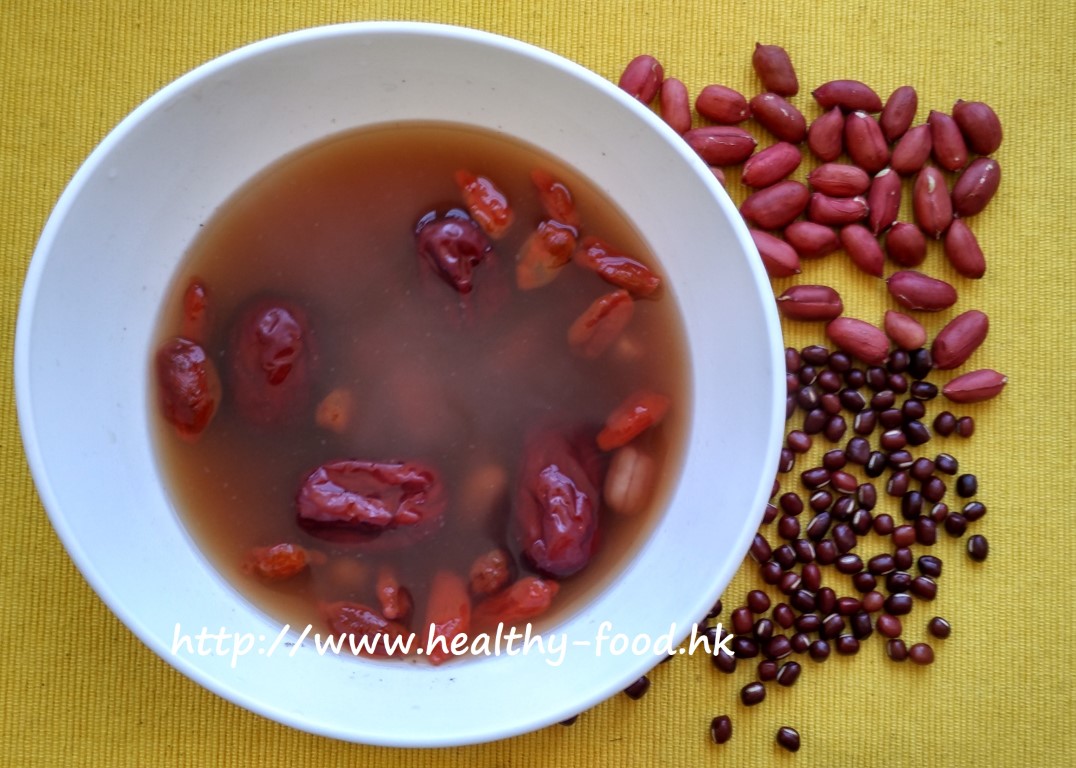
Four Red Soup (Si Hong Tang)
Traditionally used to nourish blood, support heart qi, and brighten complexion
In short: Four Red Soup (Si Hong Tang) is a soup that Traditionally used to nourish blood, support heart qi, and brighten complexion. It is most often made for skin & natural beauty, heart & circulation, energy & vitality. Total time about 1 hr 10 min. Key ingredients: red dates, red adzuki beans, goji berries.
Why people make this soup
Nourilo often notices that women who work desk jobs tend to worry a great deal about their weight — sometimes skipping meals or cutting back on food in ways that do more harm than good. Extreme calorie restriction can lead to low blood sugar, poor circulation, cold hands and feet, hormonal disruption, and a washed-out, pallid complexion. True wellness, Nourilo believes, isn’t about being as thin as possible — it’s about having good colour, energy, and warmth in the body.
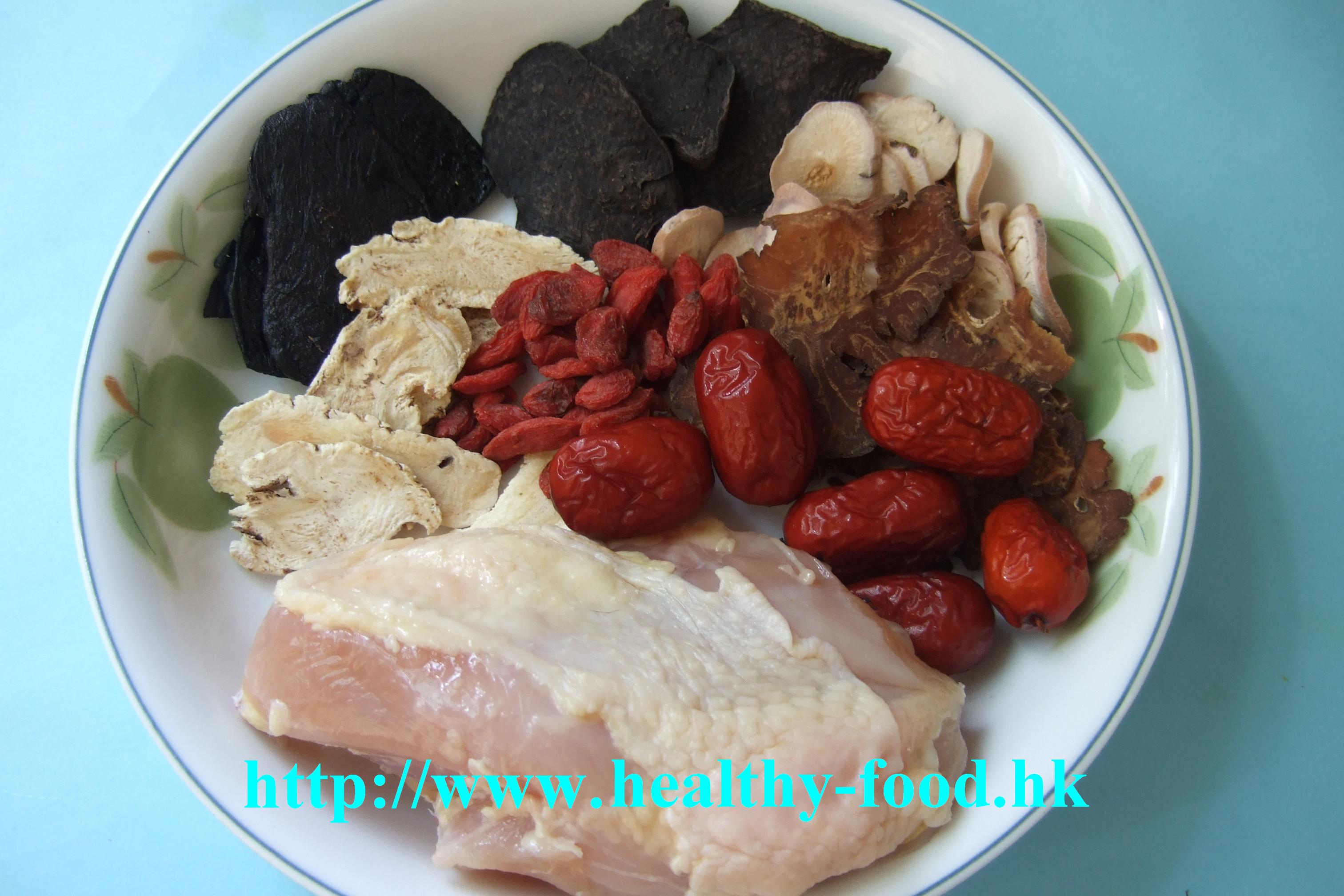
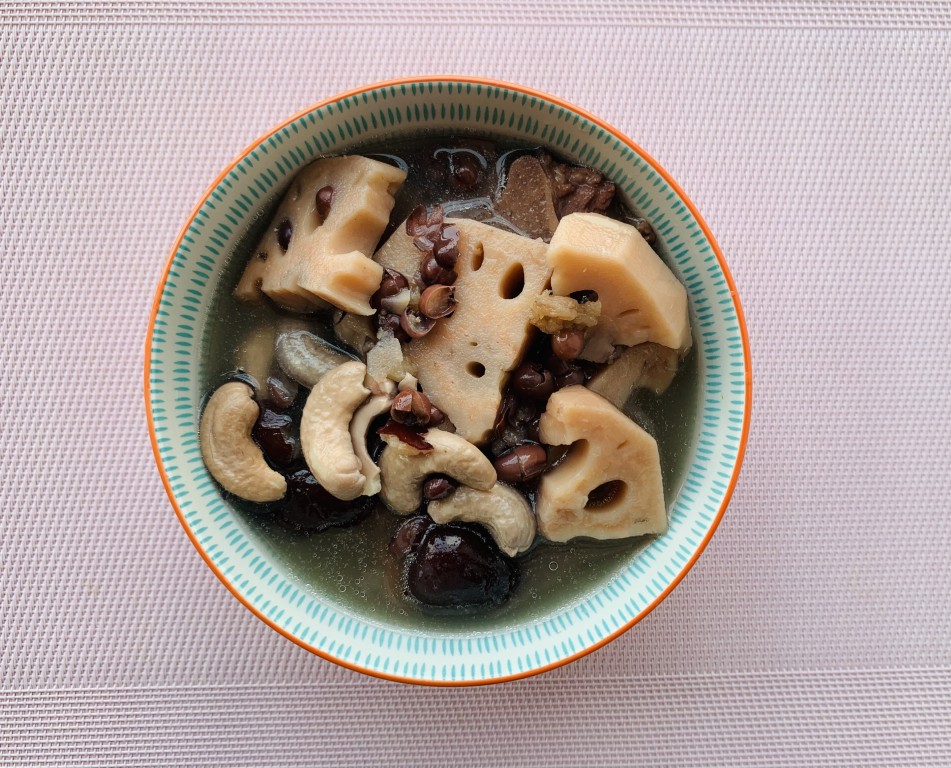
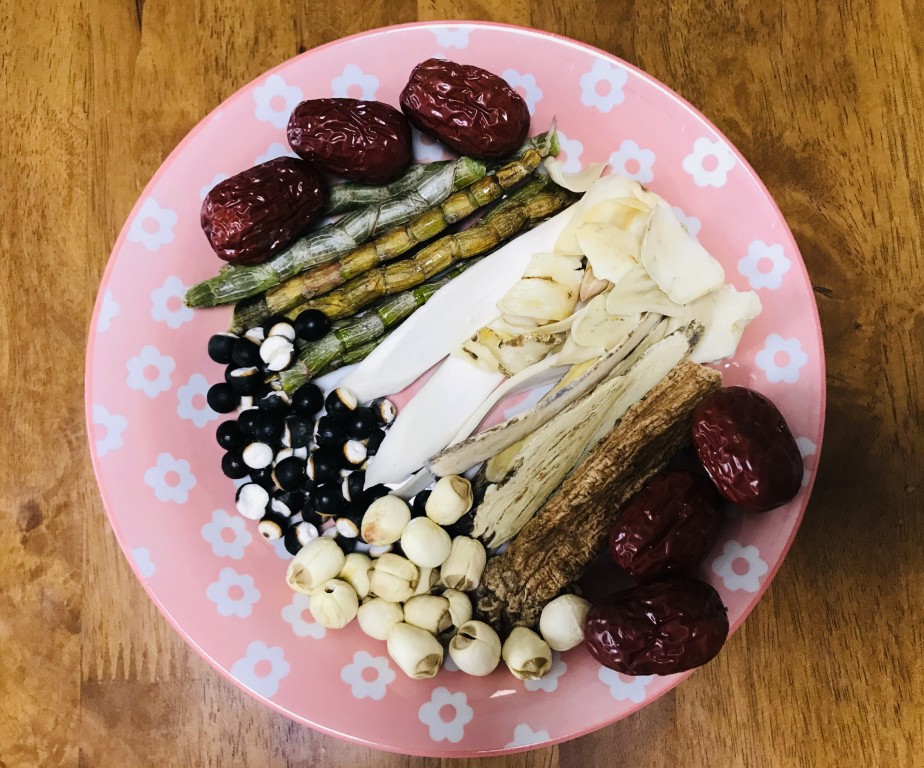
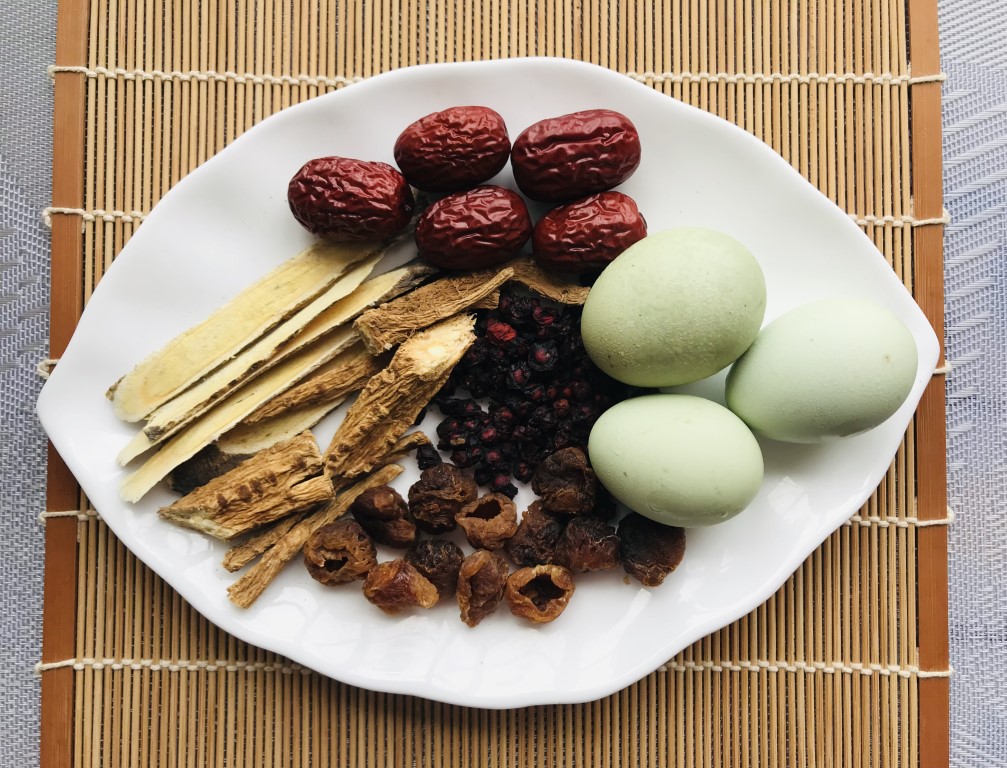
That is where the Four Red Soup comes in. It gets its name from the four naturally red or reddish ingredients: red dates, red adzuki beans, red-skinned peanuts, and goji berries. Each one has a long tradition in Chinese food therapy as a blood-nourishing ingredient. Together, the soup is mild, naturally sweet, deeply coloured, and genuinely pleasant to drink — particularly in the cooler months. It can also support recovery after surgery, significant blood loss, or following chemotherapy when blood cell counts may be lowered.
Method
- Soak the adzuki beans and peanuts in cold water for 20–30 minutes; rinse.
- Pit the red dates.
- Rinse the goji berries.
- Combine all ingredients in a pot with 1.8 L of water. Bring to a boil over high heat, then reduce to a low simmer.
- Cook for about 1 hour, until the liquid reduces to 600–900 ml.
- Serve warm and eat the cooked beans, peanuts, and dates for maximum benefit.
Nourilo’s Tips
This soup works well as a warming drink on its own, but the real goodness is in the ingredients — eat the beans, peanuts, and dates, not just the liquid. For women with very cold constitution who feel pallid and always chilly, adding 2–3 slices of fresh ginger and a small handful of brown sugar during cooking transforms this into a very warming blood-building drink. The soup is also considered supportive after surgery, heavy blood loss, or during cancer treatment recovery when blood cell counts are suppressed — always continue any prescribed medical treatment alongside food therapy in those situations; please see your doctor.
What studies say about the key ingredients
Traditional use is not the same as clinical proof. Here is the strongest human research we found for each ingredient, limitations included.
- Red dates
Jujube was associated with significantly lower BMI and triglycerides, and lower fasting blood sugar in people with type 2 diabetes. LDL and total cholesterol fell only in some subgroups. HDL, AST and ALT did not change significantly.Limitation: The authors state the overall quality of the evidence is limited, and results varied significantly by dose, treatment duration and disease type.PubMed 40399274 · 3 more red dates studies - Adzuki beans
Adzuki bean meals had a low glycemic index (21–51 range reported with lotus seed), whereas other starchy foods did not differ significantly from rice. Adzuki bean hydrolysis index was lower than other test foods.Limitation: Only ten healthy participants and acute single-meal responses, so effects in people with diabetes or with regular intake are unknown.PubMed 30875961 · 1 more adzuki beans study - Goji berries
Compared with placebo (n=80), the goji juice group (n=81) reported greater improvements in several self-rated symptoms, including stress, mental acuity, sleep quality and overall well-being, under a random effects model.Limitation: Outcomes were self-reported symptom questionnaires, and several symptoms showed significant heterogeneity across the four pooled trials of a single branded juice.PubMed 22897500 · 3 more goji berries studies
From the Nourilo Research Library. Findings come from specific doses, extracts and populations and may not apply to a home-cooked recipe.
Safety first — read before you cook
This is a traditional food, not a treatment. Please check with your doctor or pharmacist before making it a regular part of your diet if you:
- are pregnant or breastfeeding, or are cooking for a young child;
- take regular medicines — especially blood thinners, blood-pressure, diabetes or immune-suppressing drugs;
- have a kidney, liver or heart condition, or a known food allergy.
Ingredient notes for this recipe
- Goji berries: A few cases of raised INR (a bleeding-risk marker) have been reported in people taking warfarin after drinking concentrated goji tea or wine. If you take a blood thinner, check with your doctor. Source: Memorial Sloan Kettering — Lycium
Stop eating it and seek advice if you notice an allergic reaction or feel unwell. Safety notes reviewed 8 October 2026 · How we write safety notes
Comments
Join the conversation — sign in or create a free account to comment.
Continue with GoogleBy continuing with Google or email you confirm you are 16 or older and agree to our Terms of Use and Privacy Policy.
Loading comments…