Soups
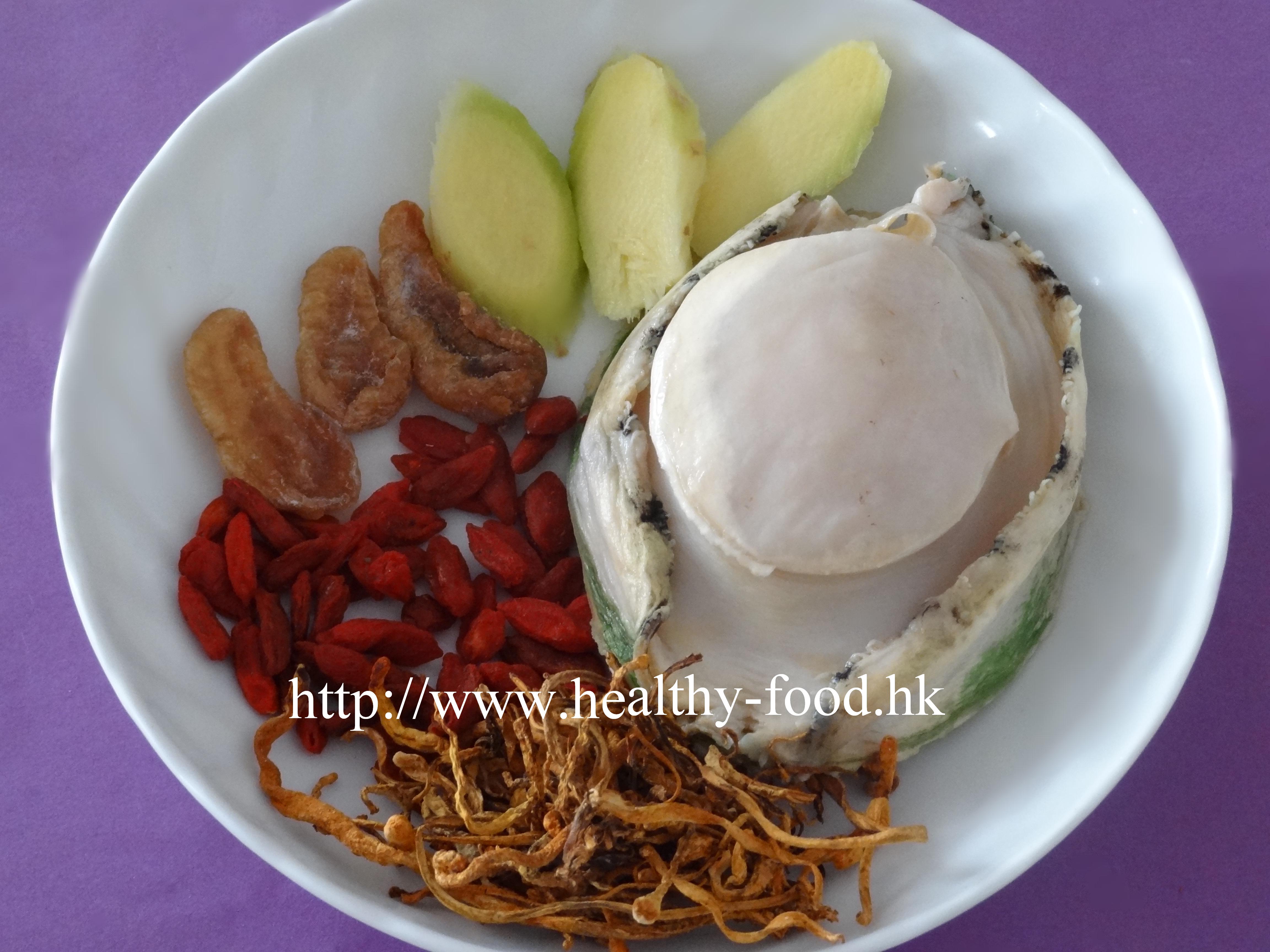
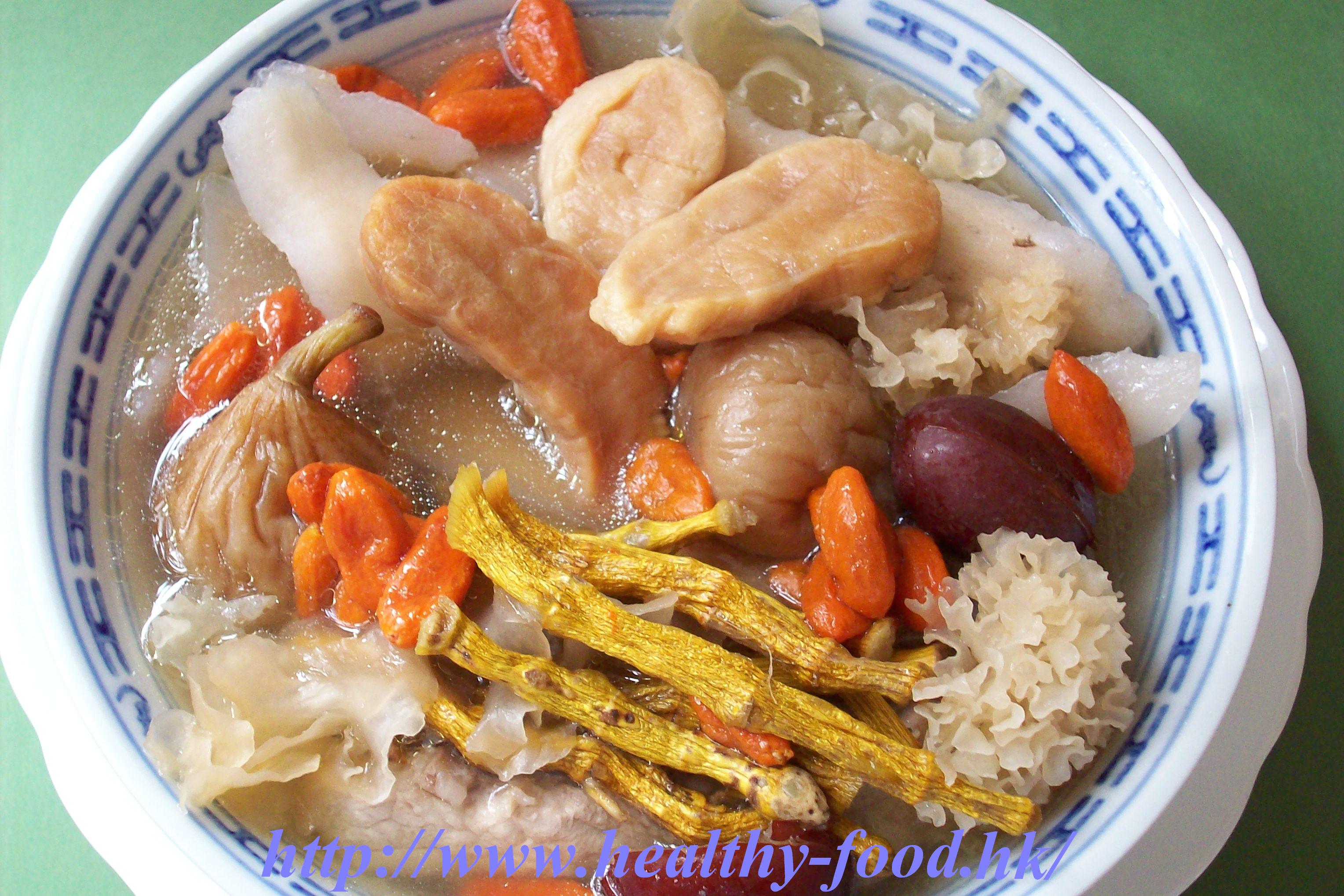
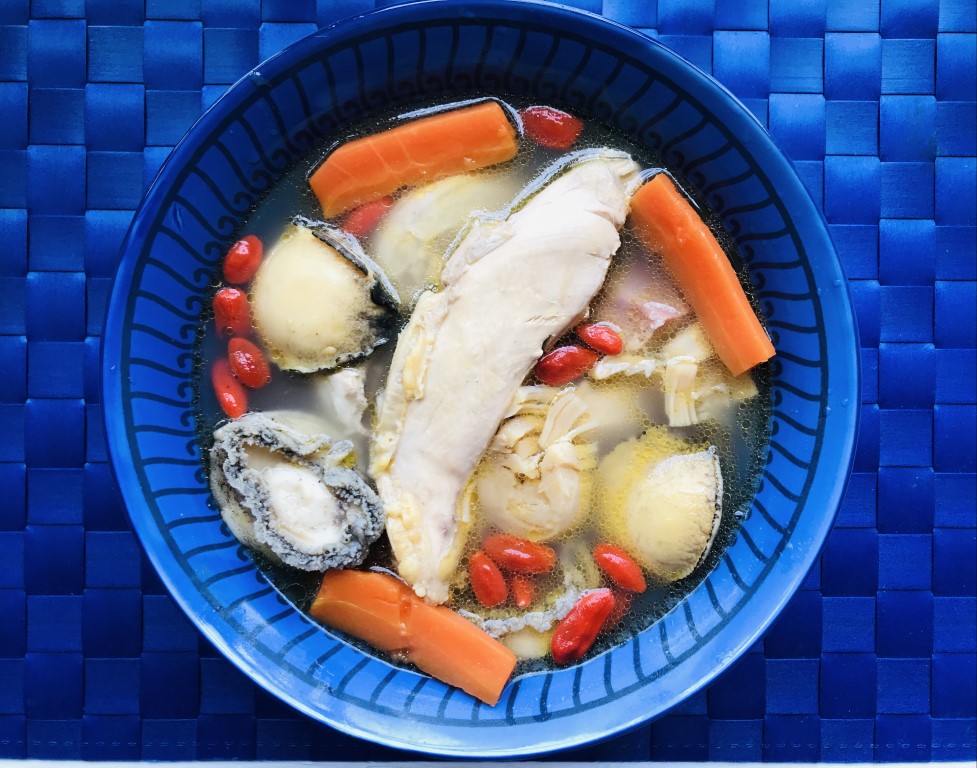
Cordyceps Flower, Pearl Oyster Meat and Green-Lip Abalone Soup
traditionally used to nourish the liver, support eye health, and promote general vitality
In short: Cordyceps Flower, Pearl Oyster Meat and Green-Lip Abalone Soup is a soup that traditionally used to nourish the liver, support eye health, and promote general vitality. It is most often made for liver wellness, energy & vitality, eye wellness. Total time about 3 hr 30 min. Key ingredients: cordyceps flower, ginger.
Why people make this soup
Abalone has long been known in Cantonese cuisine as “ming mu yu” — the eye-brightening fish — and in traditional food therapy it is associated with calming internal heat, nourishing the liver and supporting comfortable vision. Combined with pearl oyster meat, which is deeply nourishing and associated with the eyes and kidneys, and cordyceps flower, which adds kidney-protecting and anti-fatigue properties, the result is a soup that is exceptional in both flavour and nourishing effect. Rich and beautifully fragrant, it is one of those recipes reserved for when you want to give someone — or yourself — a genuine boost.
Method
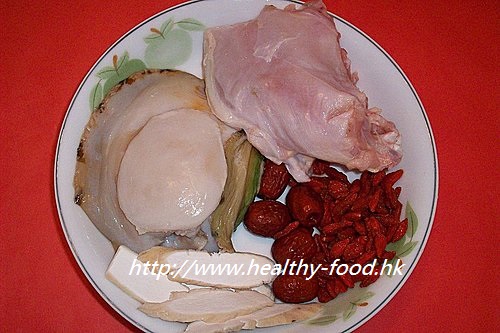
- Rinse the cordyceps flower and soak briefly in cold water for 10–15 minutes.
- Soak the pearl oyster meat in cold water until fully softened (30–60 minutes or longer).
- Defrost the frozen green-lip abalone. Trim away the intestinal sac (the dark portion). Blanch briefly in boiling water to remove impurities.
- Place all ingredients together in a pot with 2.4 L of water.
- Bring to the boil over high heat, then reduce to a low simmer.
- Cook for 3 hours, until the broth reduces to about 1.2 L.
- The abalone must be cooked whole and only sliced into pieces to serve at the table — cutting it before cooking makes the flesh tough and chewy.
- Drink the broth and eat the abalone, pearl meat and cordyceps flower.
Nourilo’s Tips
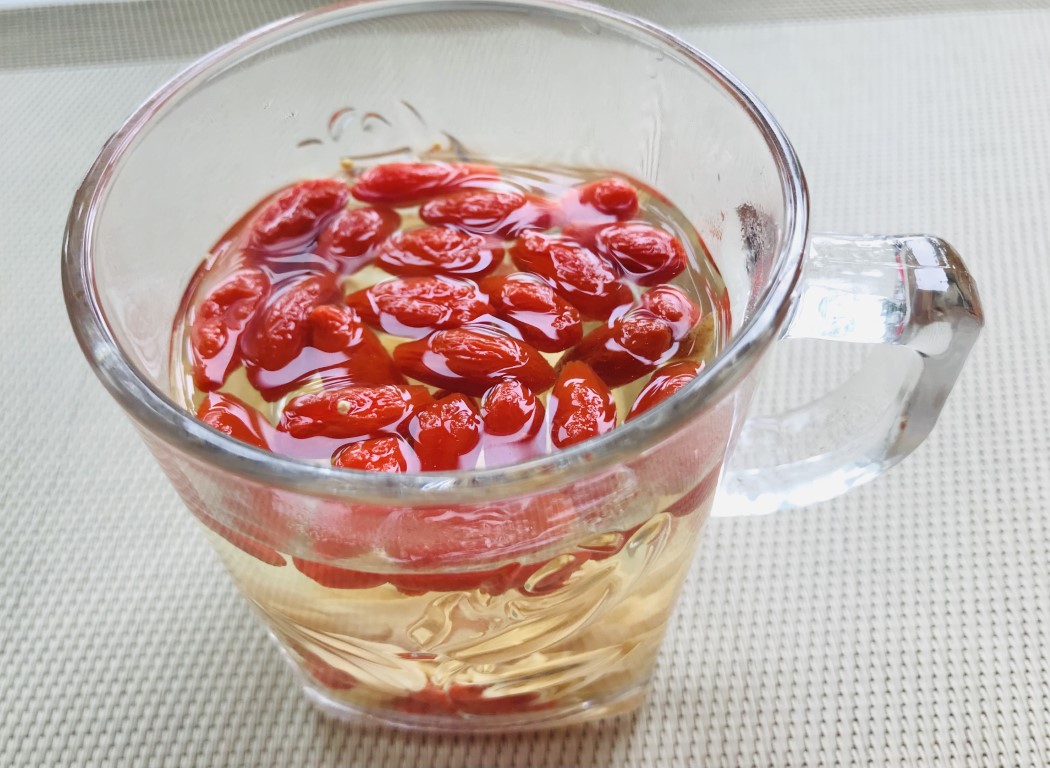
- When selecting cordyceps flower, look for pieces that are dry, aromatic and deep orange in colour. The yellow colouring that appears when you soak it is natural pigment — perfectly normal, just like the yellow from goji berries.
- The green-lip abalone must be cooked whole throughout the simmering process. Slice it only when you are about to eat — this is the key to keeping the flesh tender rather than rubbery.
- If pearl oyster meat is not available or too expensive, you can substitute dried whelk (xiang luo gan) or dried scallop column (yao zhu), or simply add extra goji berries and skip the pearl meat. Pearl oyster meat is available at Chinese or Asian dry-goods stores or online.
- This soup is also suitable as a restorative after surgery or serious illness. It can be made more substantial by adding lean pork or pork shank for a larger group.
What studies say about the key ingredients
Traditional use is not the same as clinical proof. Here is the strongest human research we found for each ingredient, limitations included.
- Cordyceps flower
Compared with placebo capsules, the C. militaris group had greater increases from baseline in NK cell activity, lymphocyte proliferation, IL-2 and IFN-γ. No statistically significant adverse reactions were reported.Limitation: Only healthy men were studied, for 4 weeks, with 39 and 40 per group. Findings are immune-marker changes rather than clinical outcomes, and the capsules were an ethanol-treated preparation.PubMed 26284906 · 2 more cordyceps flower studies - Ginger
Overall, acute and delayed nausea and vomiting did not differ significantly between ginger and control groups. A subgroup taking 1 g/day or less for over four days had less acute vomiting (OR 0.30).Limitation: Clinical heterogeneity between trials required subgroup analyses, and the authors state that sufficiently large, high-quality RCTs are still needed.PubMed 36501010 · 3 more ginger studies
From the Nourilo Research Library. Findings come from specific doses, extracts and populations and may not apply to a home-cooked recipe.
Safety first — read before you cook
This is a traditional food, not a treatment. Please check with your doctor or pharmacist before making it a regular part of your diet if you:
- are pregnant or breastfeeding, or are cooking for a young child;
- take regular medicines — especially blood thinners, blood-pressure, diabetes or immune-suppressing drugs;
- have a kidney, liver or heart condition, or a known food allergy.
Stop eating it and seek advice if you notice an allergic reaction or feel unwell. Safety notes reviewed 8 October 2026 · How we write safety notes
Comments
Join the conversation — sign in or create a free account to comment.
Continue with GoogleBy continuing with Google or email you confirm you are 16 or older and agree to our Terms of Use and Privacy Policy.
Loading comments…