Soups
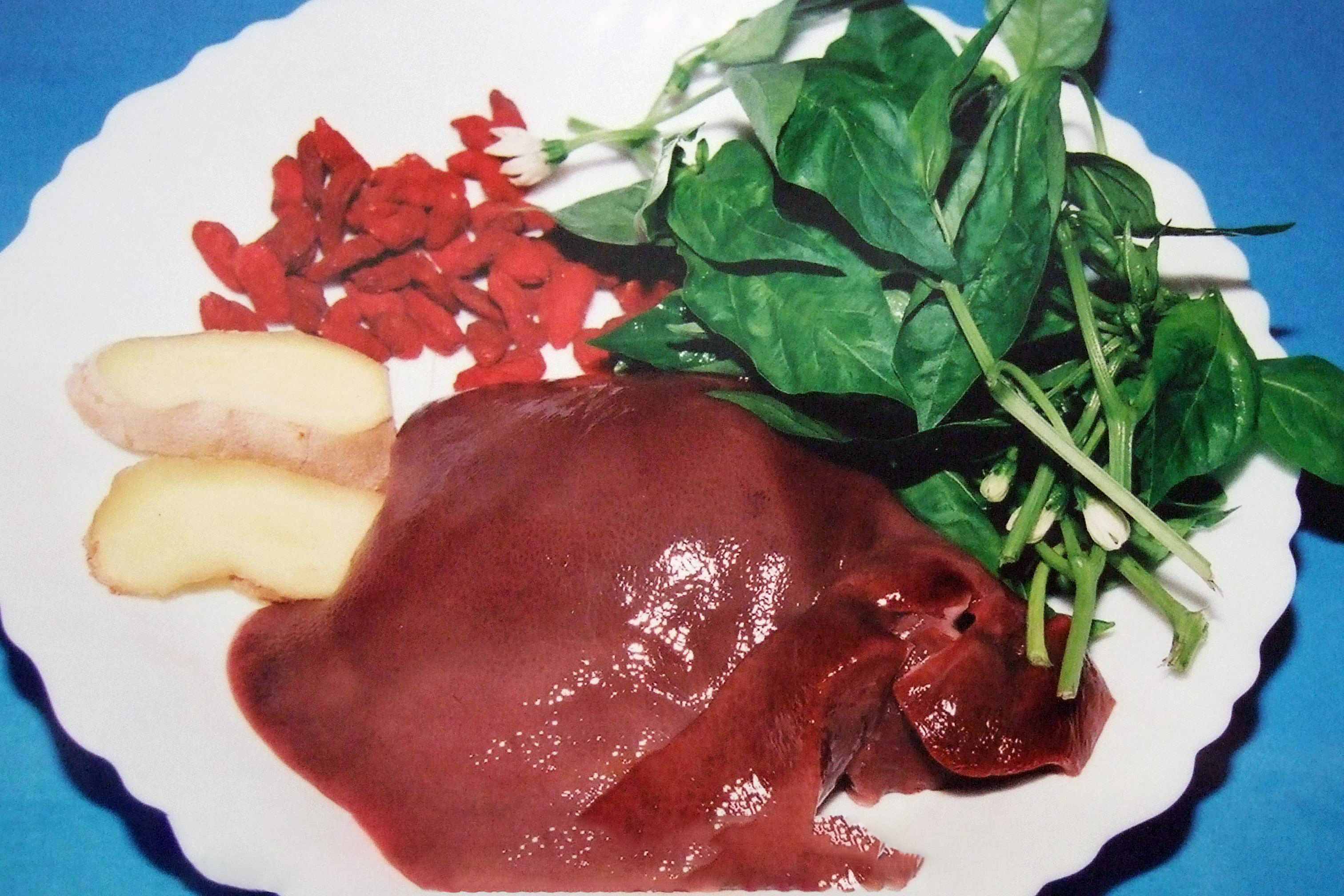
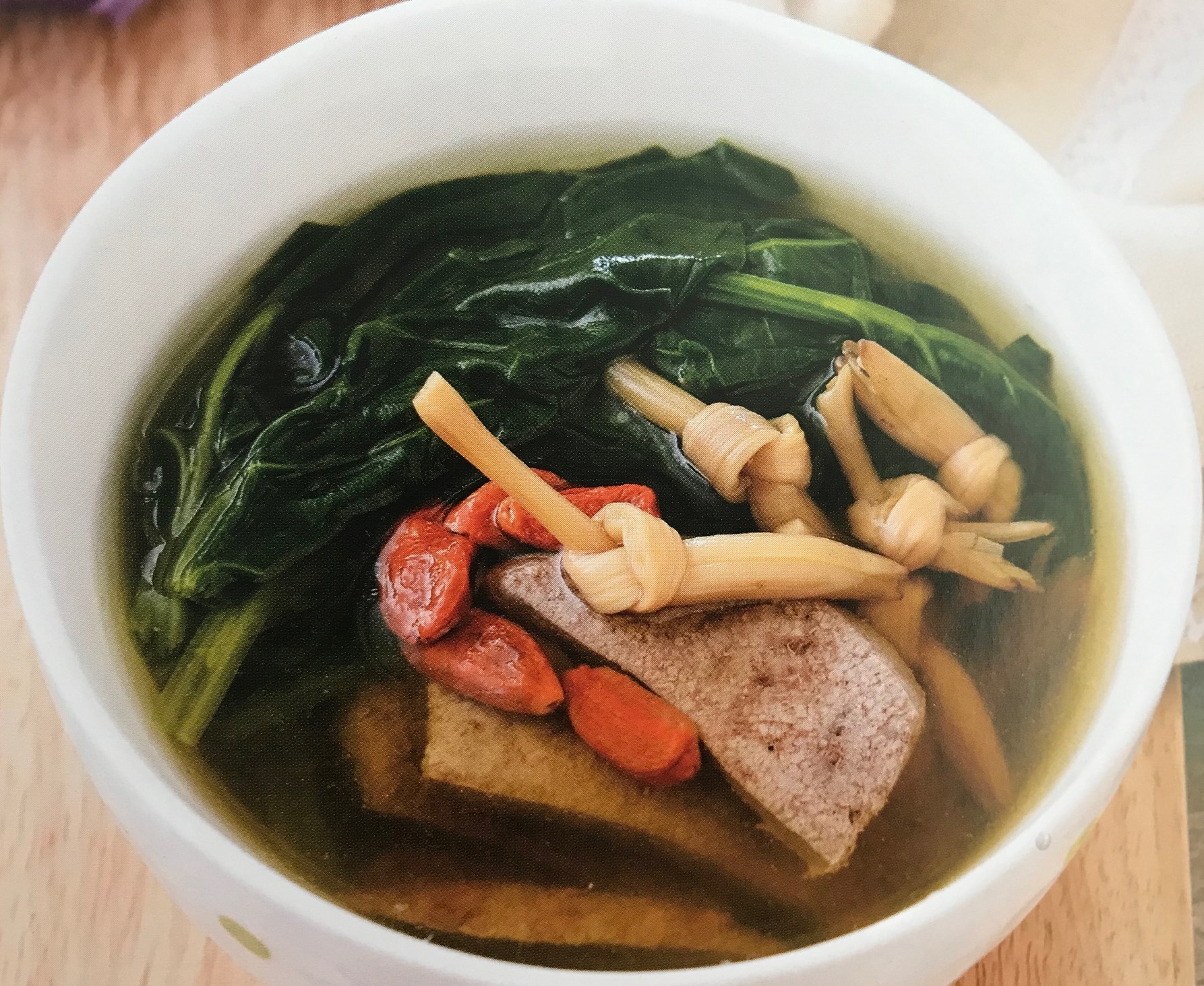
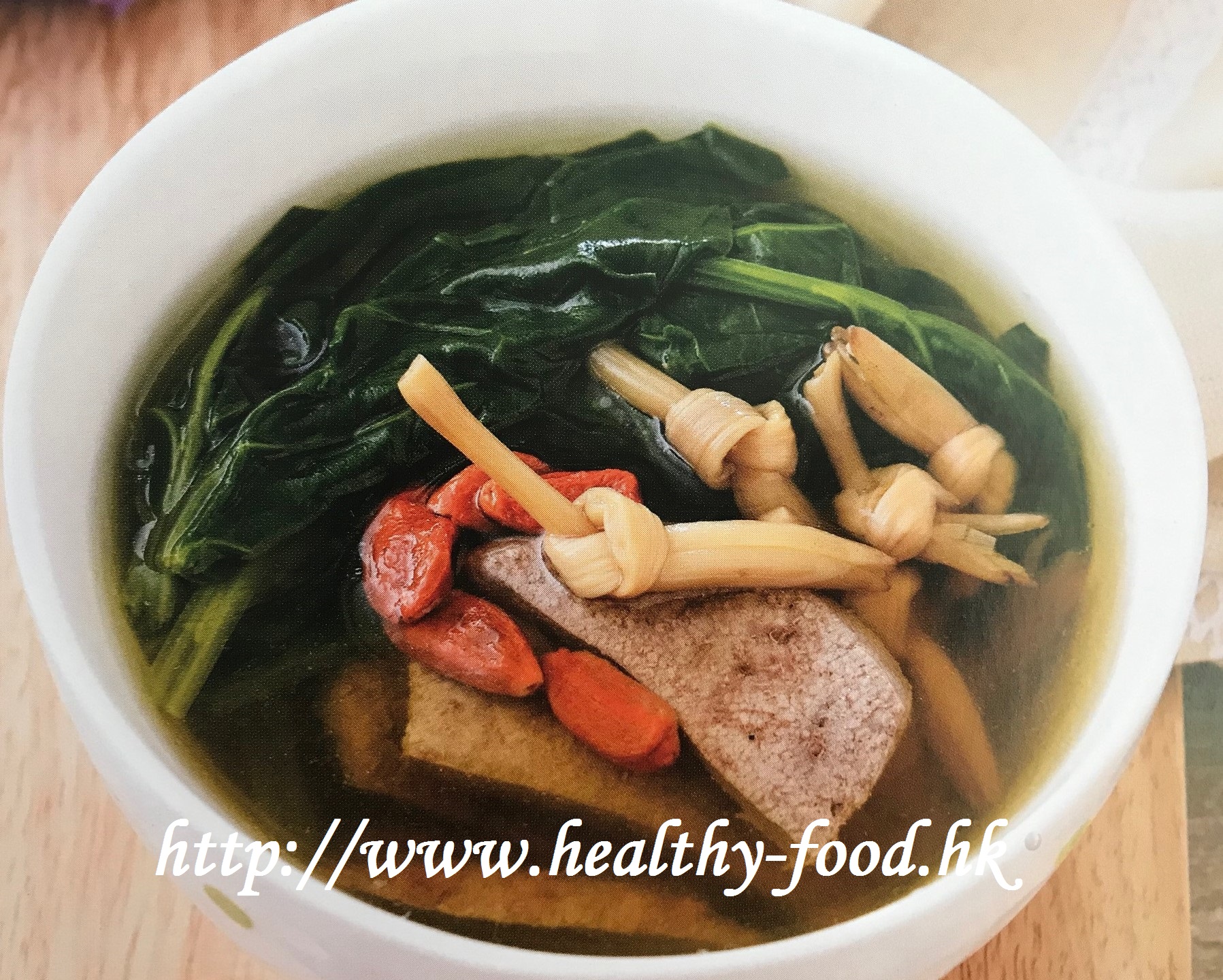
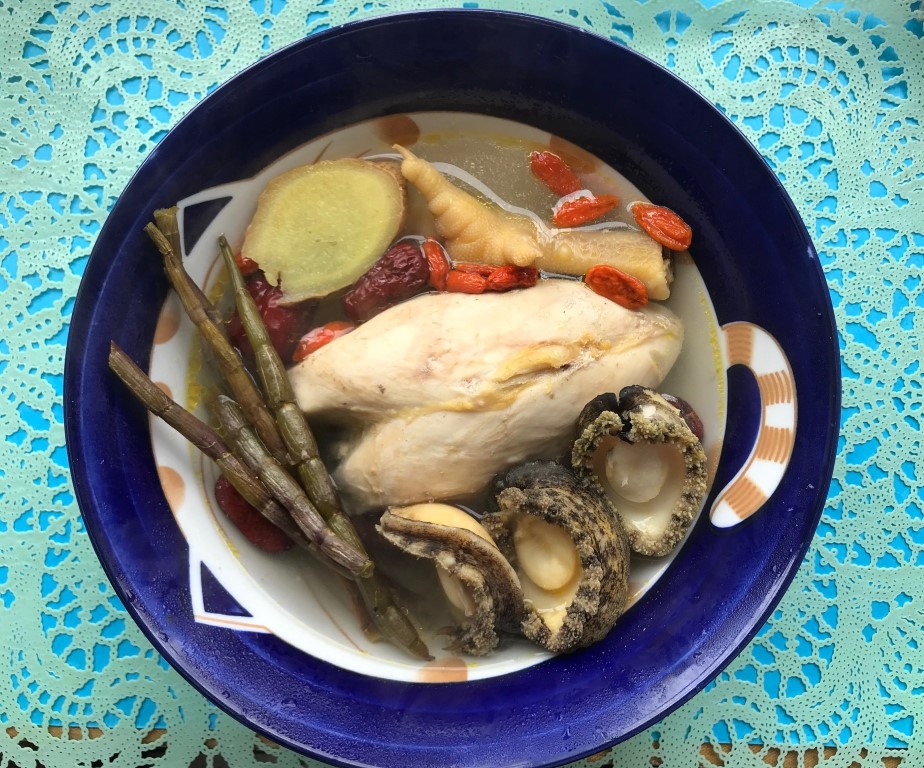
Chili Leaf, Goji Berry and Pork Liver Soup
traditionally associated with nourishing the liver, supporting eye health, and easing age-related vision decline
In short: Chili Leaf, Goji Berry and Pork Liver Soup is a soup that traditionally associated with nourishing the liver, supporting eye health, and easing age-related vision decline. It is most often made for liver wellness, eye wellness, everyday balance. Total time about 30 min. Key ingredients: goji berries, pork liver, ginger.
Why people make this soup
In TCM, the liver and the eyes are closely connected — the liver is said to “open to the eyes,” meaning that the health of the liver directly influences the quality of vision. By around age 43 for women and 45 for men, most people begin to notice their near vision softening; for older adults, blurrier sight is simply a part of life. Traditional Cantonese food therapy recommends regularly eating ingredients that nourish the liver as a gentle, dietary way to support the eyes from within.
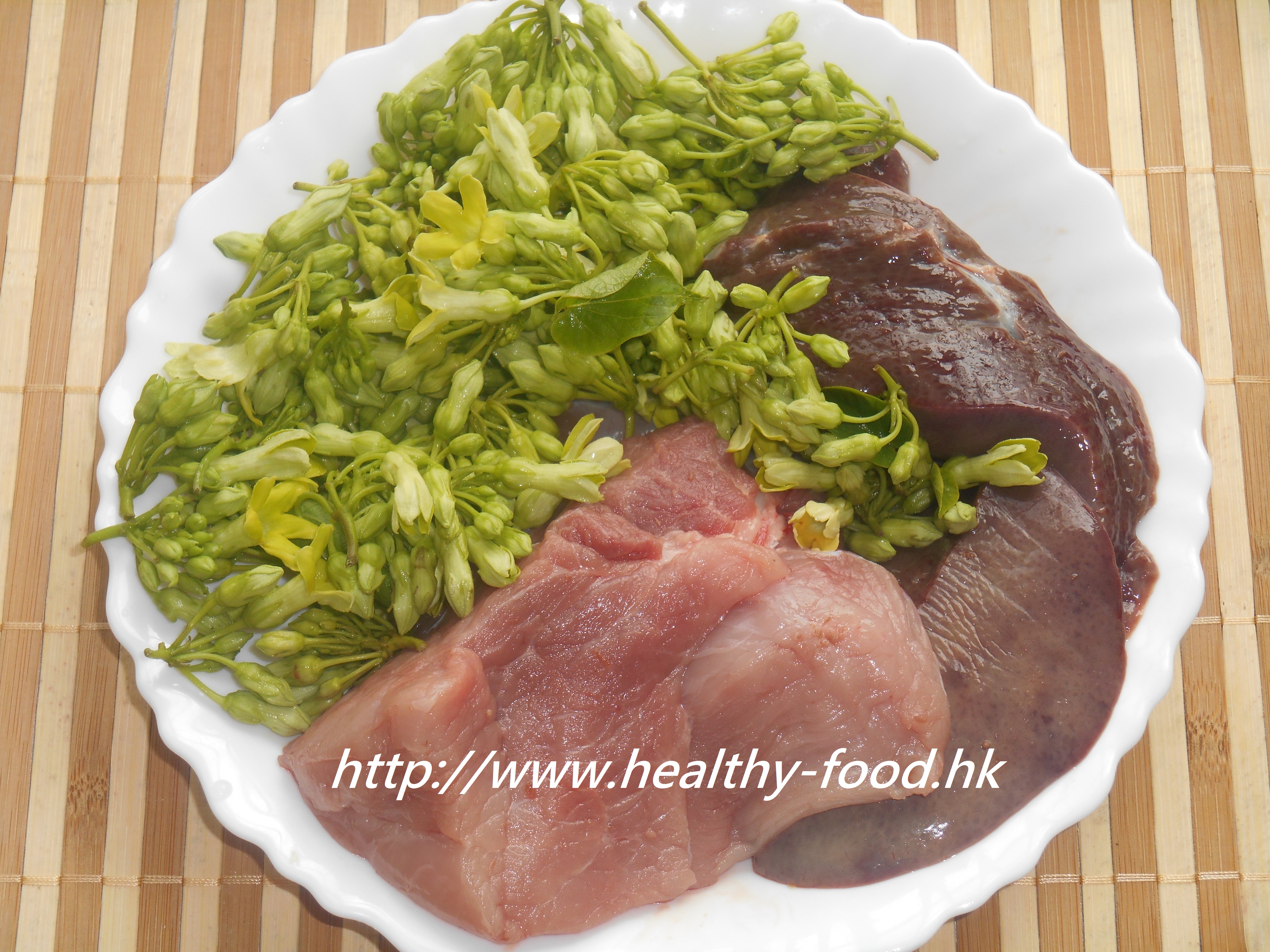
Chili leaves — the fresh, tender leaves from the chili plant — are a seasonal vegetable that also happen to be a practical food-therapy ingredient. They are rich in calcium, carotenoids, and multiple vitamins, and have a mild warming quality that is good for the stomach. Paired with goji berries and pork liver, both long used in Chinese food therapy as allies for liver and eye health, this simple soup is quick to make, naturally sweet and savoury, and suitable for the whole family.
Method
- Remove the tough stems from the chili leaves; keep the tender leaves, flowers, and any small fruits — all are edible and nutritious. Rinse well.
- Soak the goji berries in cold water for a few minutes; drain.
- Slice the pork liver thinly and rinse thoroughly under cold water.
- In a pot, bring 1.5 L of water to a boil. Add the pork liver, ginger, and goji berries.
- Cook over medium heat for about 15 minutes.
- Add the chili leaves and simmer for a further 5 minutes until just wilted.
- Serve and eat the broth and all the ingredients.
Nourilo’s Tips
Chili leaves can be enjoyed as a vegetable in their own right — stir-fried with garlic and ginger, they are fragrant and delicious. When using them in soup, including the flowers and small fruits (even the tiny peppers) adds extra nutrition. The leaves are not spicy at all, even when they come from hot-pepper varieties like bird’s eye chilli. If you are unable to find chili leaves at your local market, ask the vegetable stall — during the season, larger stalls usually carry them.
What studies say about the key ingredients
Traditional use is not the same as clinical proof. Here is the strongest human research we found for each ingredient, limitations included.
- Goji berries
Compared with placebo (n=80), the goji juice group (n=81) reported greater improvements in several self-rated symptoms, including stress, mental acuity, sleep quality and overall well-being, under a random effects model.Limitation: Outcomes were self-reported symptom questionnaires, and several symptoms showed significant heterogeneity across the four pooled trials of a single branded juice.PubMed 22897500 · 3 more goji berries studies - Ginger
Overall, acute and delayed nausea and vomiting did not differ significantly between ginger and control groups. A subgroup taking 1 g/day or less for over four days had less acute vomiting (OR 0.30).Limitation: Clinical heterogeneity between trials required subgroup analyses, and the authors state that sufficiently large, high-quality RCTs are still needed.PubMed 36501010 · 3 more ginger studies
From the Nourilo Research Library. Findings come from specific doses, extracts and populations and may not apply to a home-cooked recipe.
Safety first — read before you cook
This is a traditional food, not a treatment. Please check with your doctor or pharmacist before making it a regular part of your diet if you:
- are pregnant or breastfeeding, or are cooking for a young child;
- take regular medicines — especially blood thinners, blood-pressure, diabetes or immune-suppressing drugs;
- have a kidney, liver or heart condition, or a known food allergy.
Ingredient notes for this recipe
- Goji berries: A few cases of raised INR (a bleeding-risk marker) have been reported in people taking warfarin after drinking concentrated goji tea or wine. If you take a blood thinner, check with your doctor. Source: Memorial Sloan Kettering — Lycium
- Liver: Liver is very high in vitamin A, which can harm an unborn baby. Avoid this dish during pregnancy. Source: NHS — Foods to avoid in pregnancy
Stop eating it and seek advice if you notice an allergic reaction or feel unwell. Safety notes reviewed 8 October 2026 · How we write safety notes
Comments
Join the conversation — sign in or create a free account to comment.
Continue with GoogleBy continuing with Google or email you confirm you are 16 or older and agree to our Terms of Use and Privacy Policy.
Loading comments…