Soups
Watercress, Preserved Duck Kidney and Pork Bone Soup
traditionally supports yin nourishment and helps cool internal heat
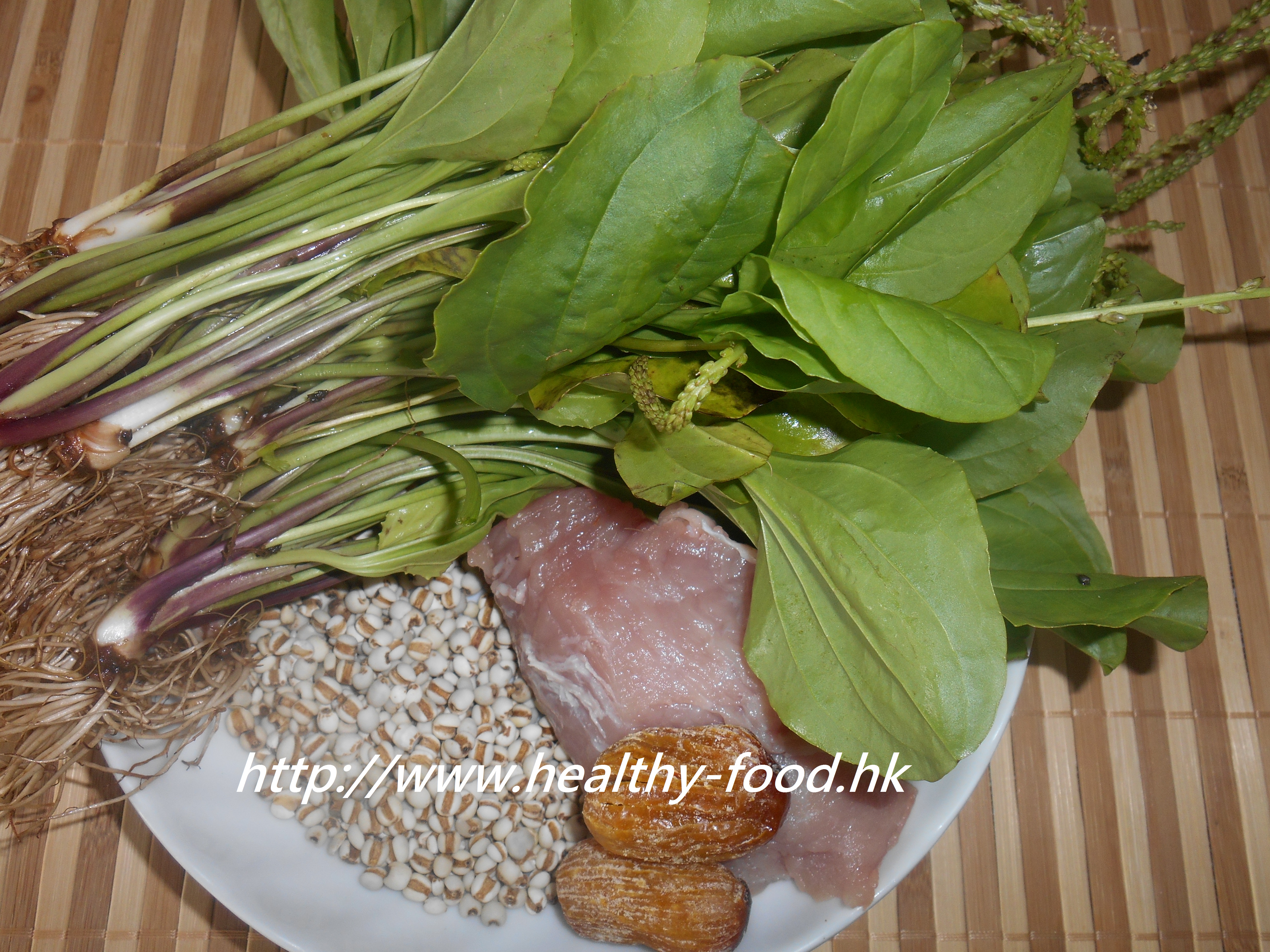
In short: Watercress, Preserved Duck Kidney and Pork Bone Soup is a soup that traditionally supports yin nourishment and helps cool internal heat. It is most often made for cooling & summer heat, children's wellness, kidney & urinary wellness. Total time about 1 hr 45 min. Key ingredients: watercress, pork bones, honey dates, ginger.
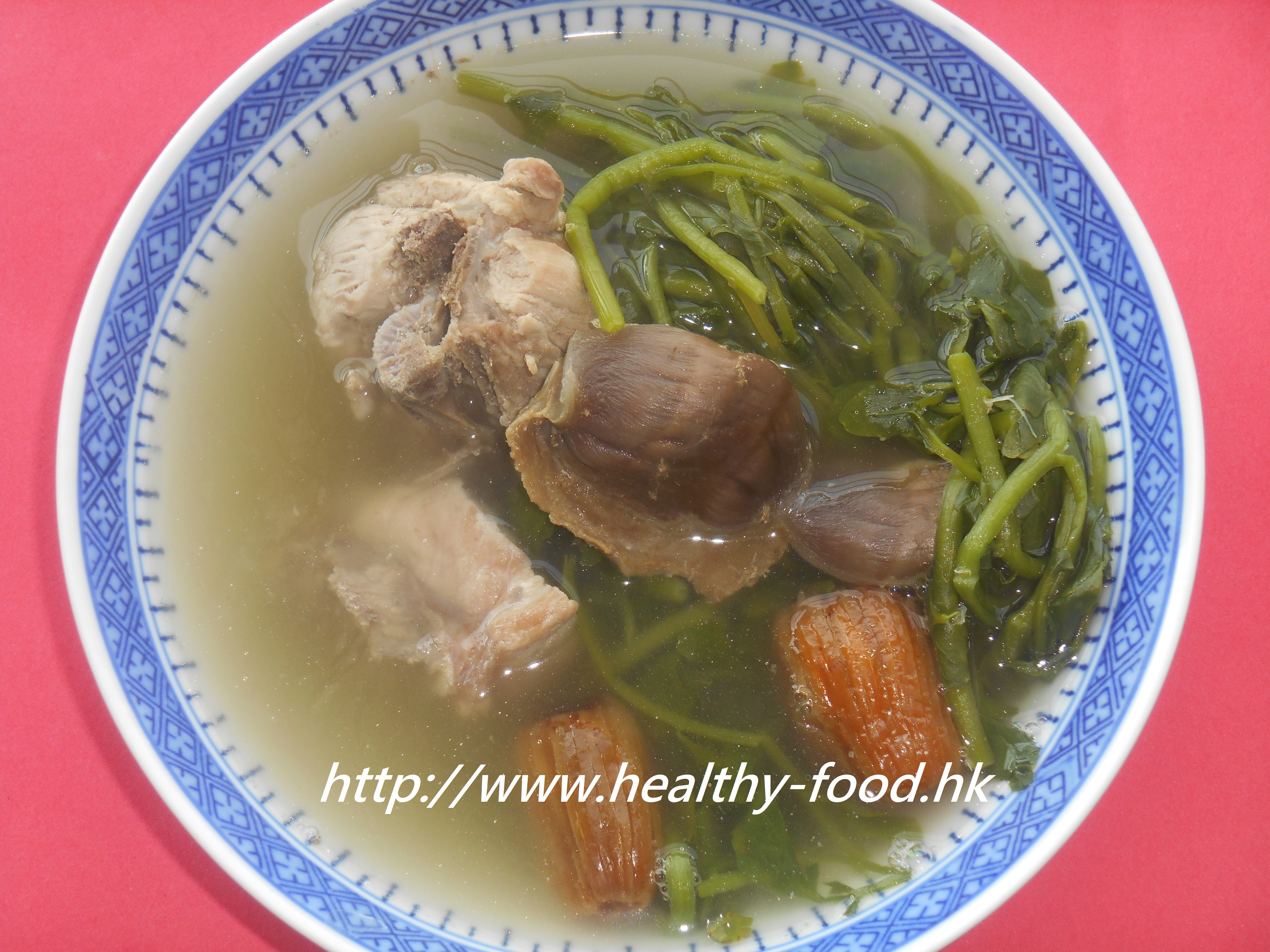
Why people make this soup
After indulging in a few too many lychees — that deliciously warming fruit — the familiar telltale signs can appear: a dry, scratchy throat and a slight feverish feeling that the Chinese tradition calls “internal heat.” Rather than reaching for something cold and harsh, this gentle, nourishing soup is a traditional remedy the whole family can enjoy. It is clear, slightly sweet, and genuinely cooling without being aggressive.
Watercress is a leafy green that traditional Chinese food therapy considers cool in nature, associated with moistening the lungs and easing dry coughs. Combined with the mild, savoury depth of preserved duck kidney, which is traditionally valued for nourishing yin and supporting the spleen, this is a soup that soothes rather than shocks.
Method
- Blanch the pork bones and duck kidneys in boiling water for a few minutes, then drain and rinse — this removes any off-flavours and ensures a clear broth.
- Soak the watercress in water and rinse it well to clean thoroughly.
- Add the pork bones, preserved duck kidneys, honey dates, and ginger slices to a pot with 3 L of cold water. Bring to a full boil over high heat.
- Once boiling, add the watercress to the pot.
- Reduce to a gentle simmer and cook for about 1.5 hours. Serve the soup and enjoy the tender vegetables alongside.
Nourilo’s Tips
Always add the watercress into boiling water — if you start it in cold water, the soup can develop a bitter, astringent taste. This soup is suitable for the whole family, young and old. For anyone with dry, sluggish bowels or constipation, try adding a carrot and a few dried figs to the pot — they make the soup even more helpful for relieving that kind of discomfort. You can also add raw fish or carrot as variations.
What studies say about the key ingredients
Traditional use is not the same as clinical proof. Here is the strongest human research we found for each ingredient, limitations included.
- Ginger
Overall, acute and delayed nausea and vomiting did not differ significantly between ginger and control groups. A subgroup taking 1 g/day or less for over four days had less acute vomiting (OR 0.30).Limitation: Clinical heterogeneity between trials required subgroup analyses, and the authors state that sufficiently large, high-quality RCTs are still needed.PubMed 36501010 · 3 more ginger studies
From the Nourilo Research Library. Findings come from specific doses, extracts and populations and may not apply to a home-cooked recipe.
Safety first — read before you cook
This is a traditional food, not a treatment. Please check with your doctor or pharmacist before making it a regular part of your diet if you:
- are pregnant or breastfeeding, or are cooking for a young child;
- take regular medicines — especially blood thinners, blood-pressure, diabetes or immune-suppressing drugs;
- have a kidney, liver or heart condition, or a known food allergy.
Stop eating it and seek advice if you notice an allergic reaction or feel unwell. Safety notes reviewed 8 October 2026 · How we write safety notes


Comments
Join the conversation — sign in or create a free account to comment.
Continue with GoogleBy continuing with Google or email you confirm you are 16 or older and agree to our Terms of Use and Privacy Policy.
Loading comments…