Herbal & Flower Teas
Tian Qi Flower Tea (Notoginseng Flower Tea)
traditionally used to calm liver heat, support healthy blood pressure, and ease heat-related headache, acne, and restlessness
In short: Tian Qi Flower Tea (Notoginseng Flower Tea) is a herbal & flower tea that traditionally used to calm liver heat, support healthy blood pressure, and ease heat-related headache, acne, and restlessness. It is most often made for skin & natural beauty, heart & circulation, liver wellness. Total time about 3 min.
Why people make this tea
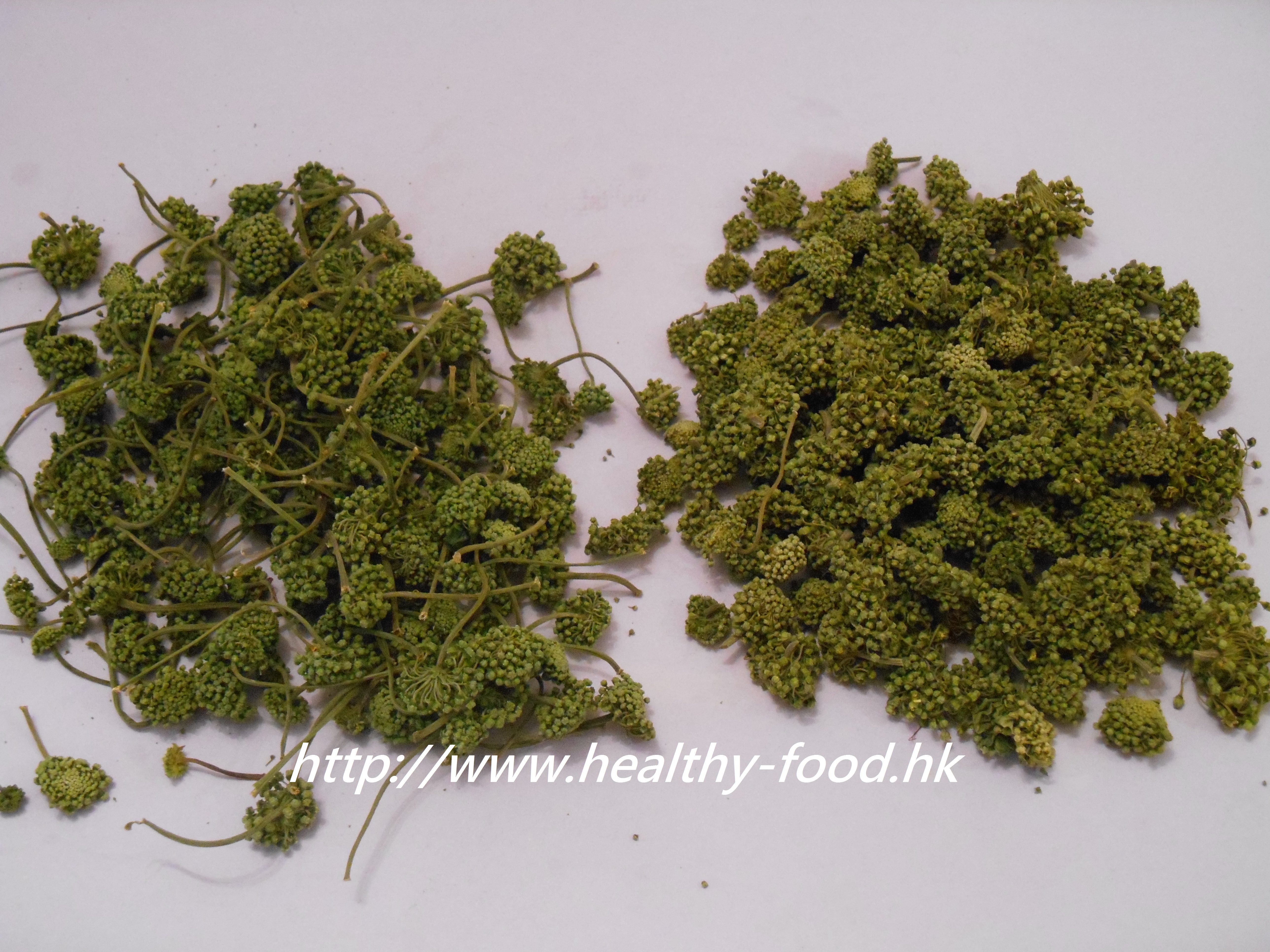
Tian qi (also known as notoginseng or san qi) is one of the most celebrated herbs in traditional Chinese medicine, prized above all for its ability to support healthy blood circulation, stop bleeding, and dissolve blood stasis. The flower of the tian qi plant is gentler than the root — cooling rather than warming — and is particularly associated with clearing heat that has risen to the head, liver, and eyes. At Chinese herb shops, two types are commonly available: small stemless flower “pearls” (tian qi hua zhu), and larger stemmed flowers at a lower price. The three-year stemless variety is generally considered of higher quality than the two-year stemmed type, though both are useful.
This tea is one of the simplest possible preparations — just steep a few flowers in boiling water for three minutes. It has a mild, slightly bitter and clean flavour.
Method
- Place the tian qi flowers in a cup or small teapot.
- Pour a small amount of boiling water over the flowers, swirl briefly, and discard this first rinse (this removes any dust).
- Add fresh boiling water and allow to steep for about 3 minutes.
- Drink when comfortable to sip. The flowers can be re-steeped 2 to 3 times, adding fresh boiling water each time, until the flavour is no longer present.
Nourilo’s Tips
- Choose tian qi flowers carefully: stemless “pearls” (tian qi hua zhu) are the three-year flowers and are considered more potent. Stemmed flowers are from two-year plants and cost less but still have good effect. Both types are available at Chinese herb shops.
- Be careful not to buy ginseng flowers sold as a substitute — the two look almost identical, but ginseng flowers are warming while tian qi flowers are cooling. Ginseng flower buds tend to be slightly smaller. If in doubt, buy from a reputable herb shop and ask.
- For readers who want a more targeted approach to blood pressure and cholesterol, Nourilo recommends the patent Chinese medicine “Compound Danshen Tablets” (fu fang dan shen pian), available at reputable Chinese herbal pharmacies — these are primarily composed of tian qi (notoginseng) and danshen (salvia root) and are suitable for ongoing use.
- For a reader who experienced recurring lip sores, Nourilo confirmed that tian qi flower tea is safe and suitable to drink. To further support immune resilience, combine astragalus (bei qi, 11 g), ophiopogon (mai dong, 11 g), and honeysuckle flowers (jin yin hua, 1 tablespoon) — simmer in water for 15 minutes and drink as a tea.
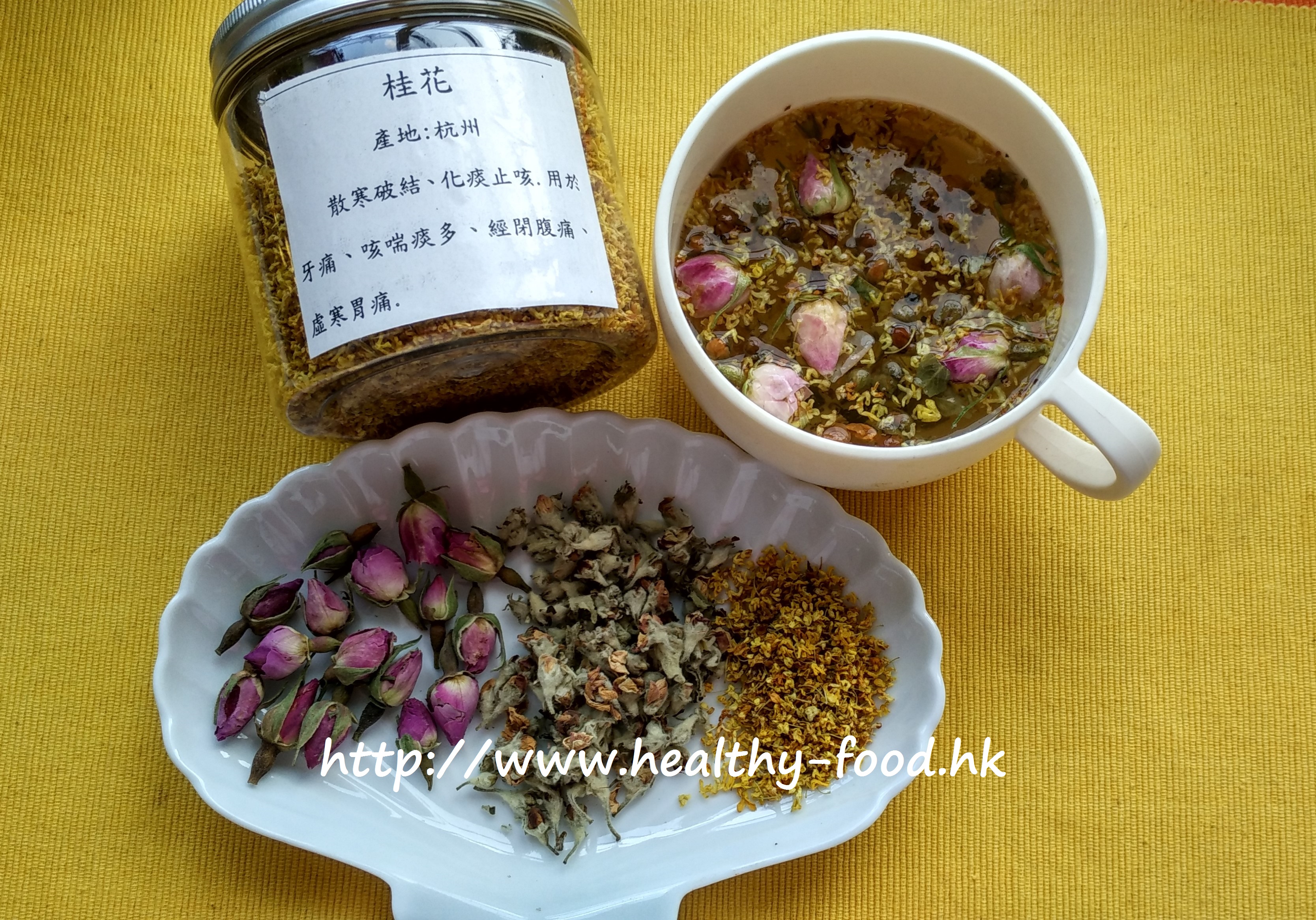
- During menstruation, switch to rose flower (mei gui hua), albizzia flower (he huan hua), or osmanthus flower (gui hua) tea — these are nature-neutral or mildly warming and are more appropriate for that time of the month.
Safety first — read before you cook
This is a traditional food, not a treatment. Please check with your doctor or pharmacist before making it a regular part of your diet if you:
- are pregnant or breastfeeding, or are cooking for a young child;
- take regular medicines — especially blood thinners, blood-pressure, diabetes or immune-suppressing drugs;
- have a kidney, liver or heart condition, or a known food allergy.
Ingredient notes for this recipe
- Ginseng: May interfere with blood clotting, might lower blood sugar and may worsen autoimmune conditions. Some experts advise against it for children and during pregnancy or breastfeeding. Source: NIH NCCIH — Asian Ginseng
Stop eating it and seek advice if you notice an allergic reaction or feel unwell. Safety notes reviewed 8 October 2026 · How we write safety notes
Comments
Join the conversation — sign in or create a free account to comment.
Continue with GoogleBy continuing with Google or email you confirm you are 16 or older and agree to our Terms of Use and Privacy Policy.
Loading comments…