Soups
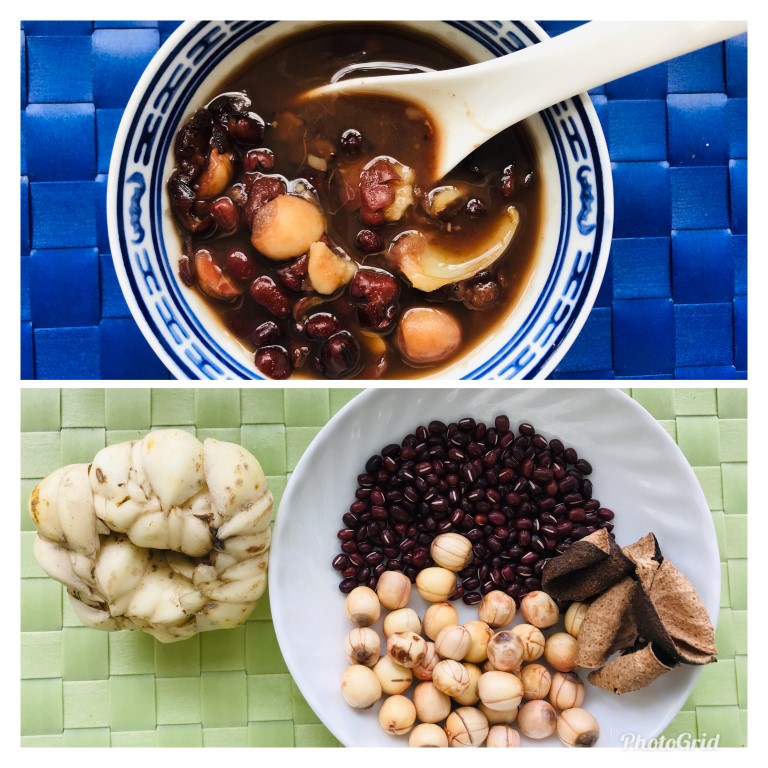
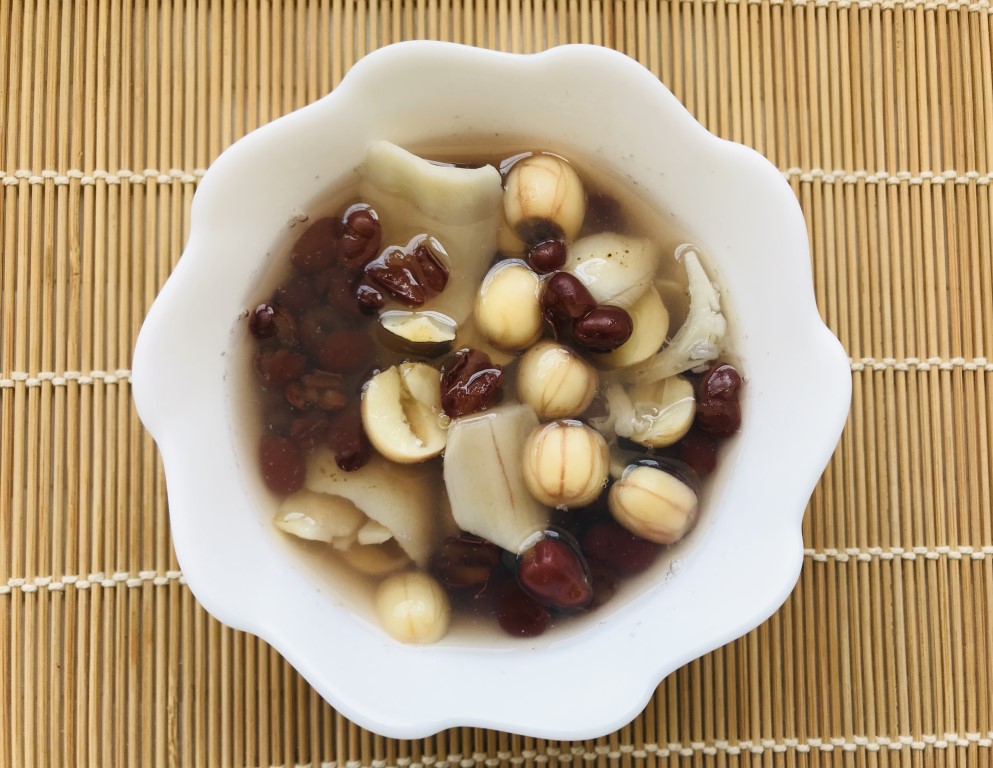
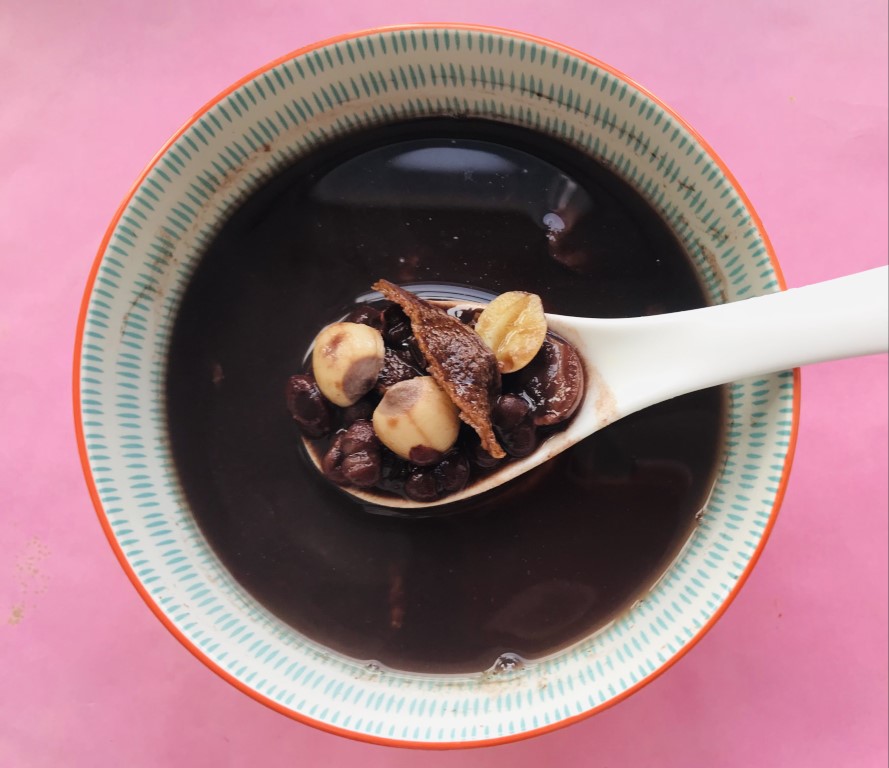
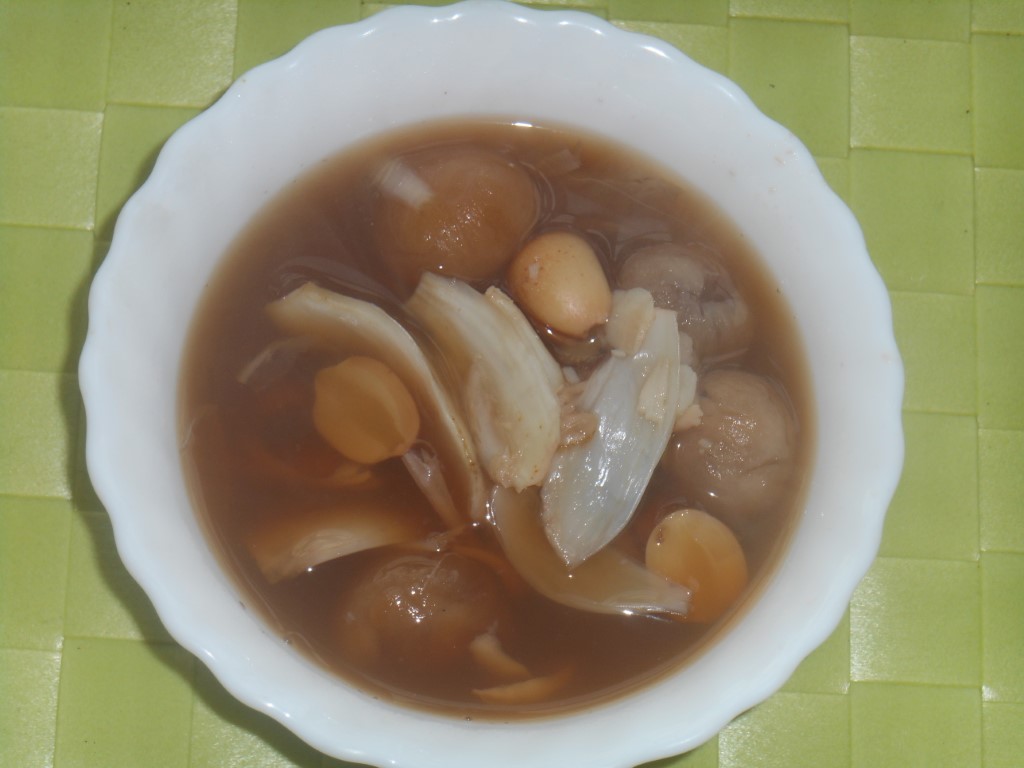
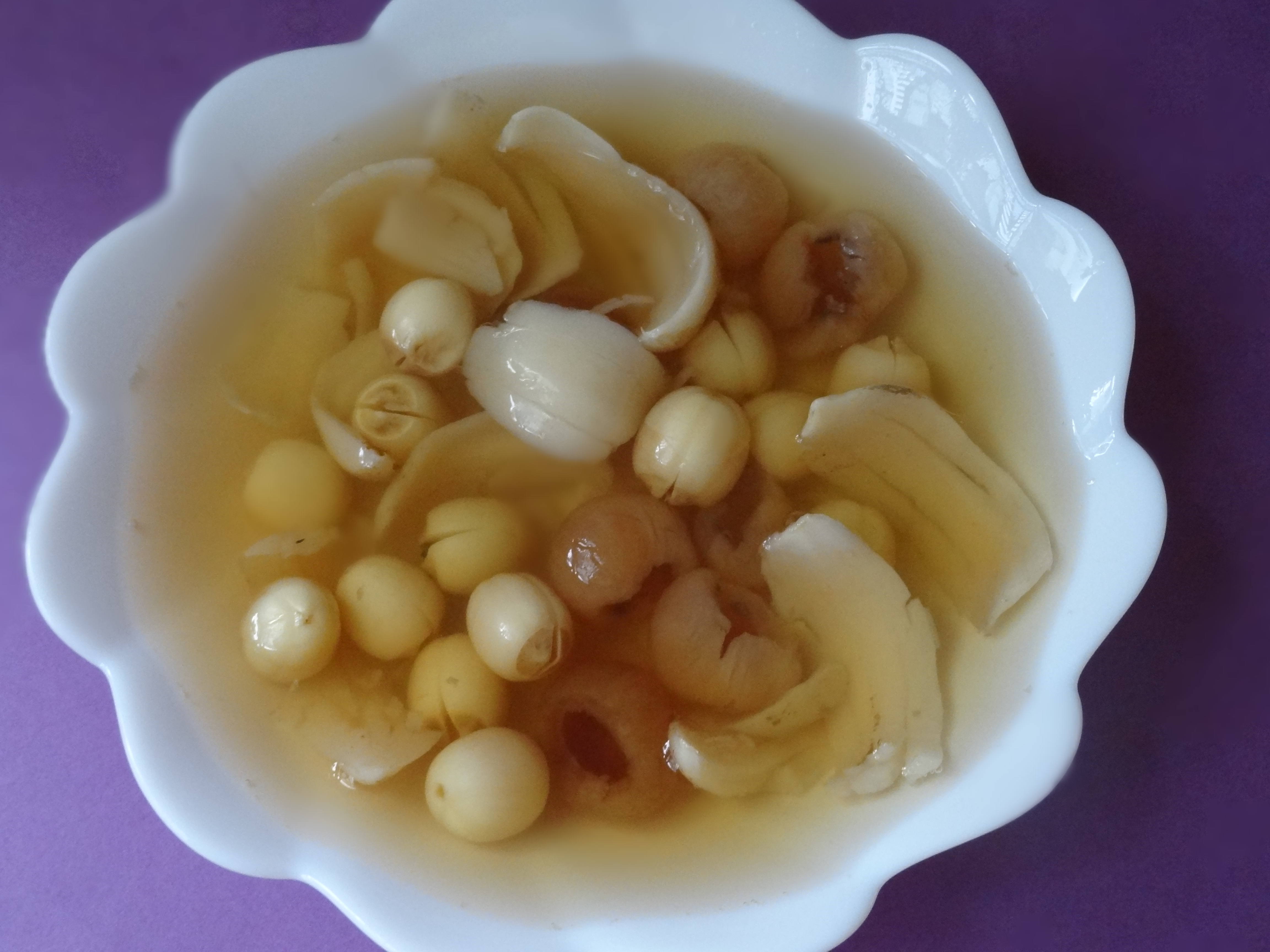
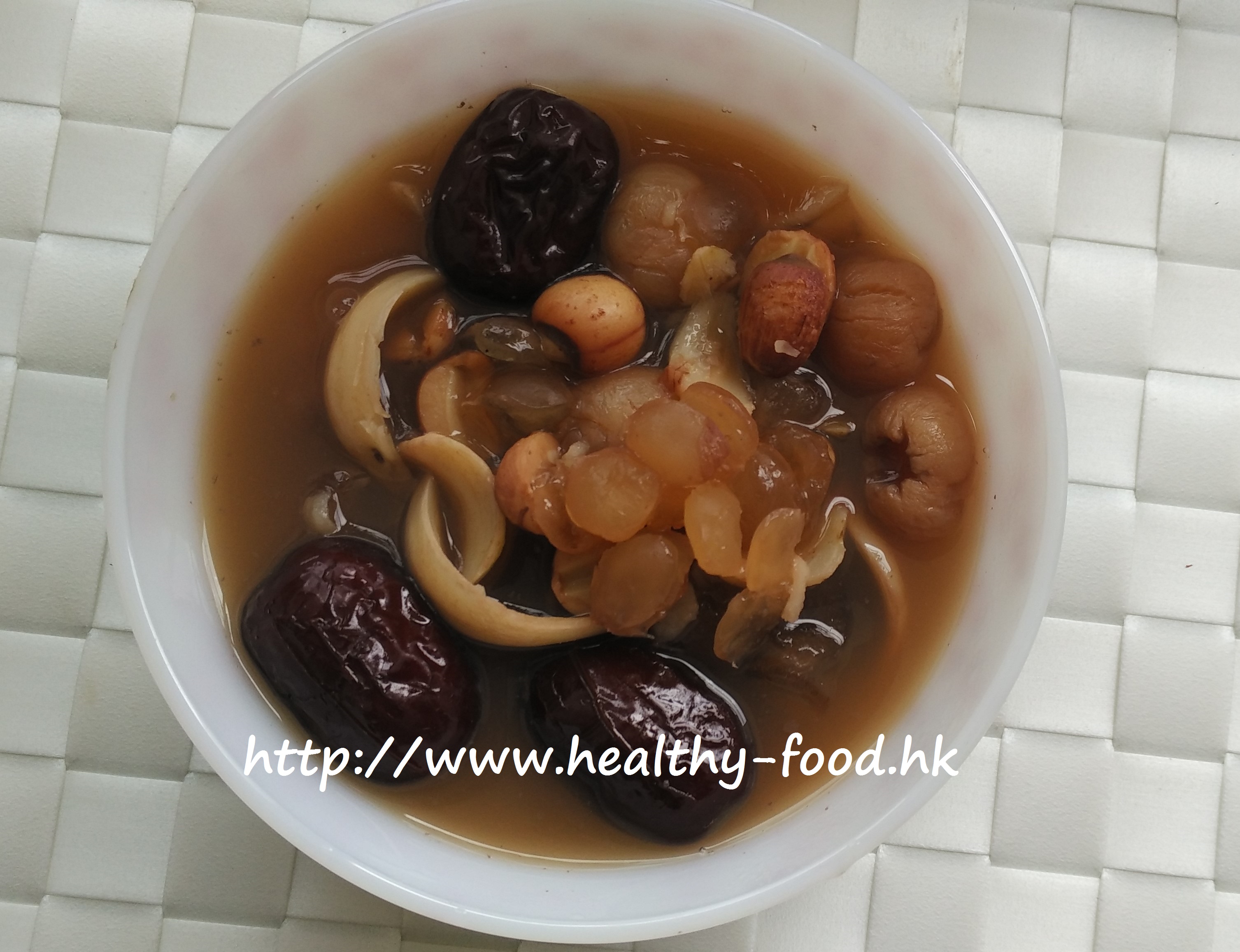
Fresh Lotus Seed, Lily Bulb and Red Bean Sweet Soup
Traditionally used to nourish blood, brighten complexion, and support restful sleep
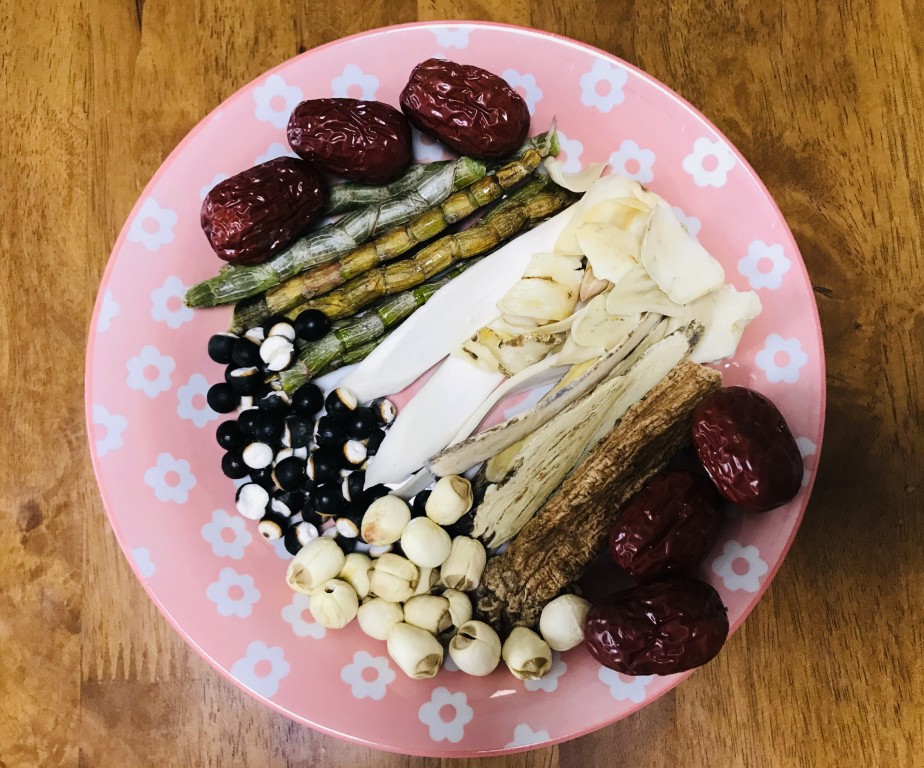
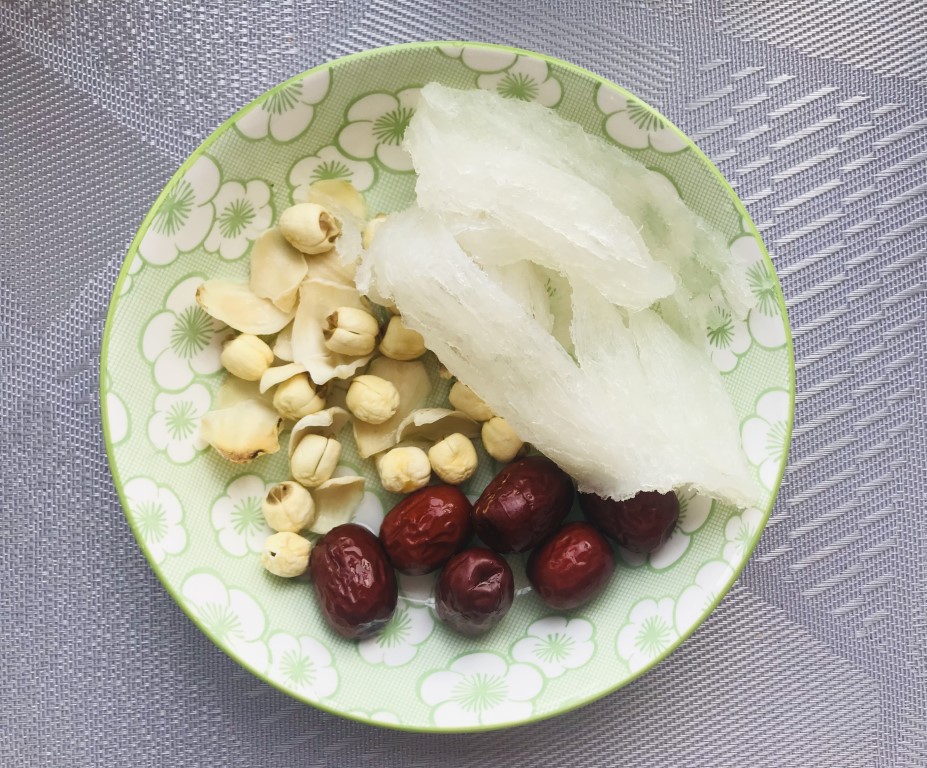
In short: Fresh Lotus Seed, Lily Bulb and Red Bean Sweet Soup is a soup that Traditionally used to nourish blood, brighten complexion, and support restful sleep. It is most often made for skin & natural beauty, sleep & calm, blood nourishment. Total time about 1 hr 15 min. Key ingredients: lotus seeds, lily bulb, red beans, tangerine peel.
Why people make this sweet soup
When fresh lotus seeds and fresh lily bulbs appear together in the mid-autumn season, Nourilo knows exactly what to make: a classic Cantonese sweet soup (tang shui) that is as enjoyable to eat as it is nourishing. In traditional food-therapy thinking, this combination is said to calm the heart-mind, support the blood, and brighten the complexion — a nice counterpoint to the dehydrating effects of air-conditioning and late nights. Red beans add a beautiful colour, earthy sweetness, and a tradition of their own as a blood-nourishing ingredient. A piece of tangerine peel ties the whole pot together, aiding digestion and reducing any gassy feeling from the beans.
Method
- Separate the fresh lily bulb into individual petals and rinse well.
- Remove the green core from each fresh lotus seed and rinse.
- Rinse the red beans and soak them for several hours or overnight — this helps them break down into a soft, sandy texture.
- Soak the tangerine peel until soft, then scrape off the white pith on the inside.
- Place the red beans, tangerine peel, and lotus seeds in a pot with 2.1–2.4 L of water.
- Bring to a boil, then simmer over medium-low heat for about 50 minutes until the beans are soft.
- Add the lily bulb petals and continue cooking for a further 10 minutes.
- Add rock sugar to taste, stir until dissolved, and serve warm or at room temperature.
Nourilo’s Tips
The green core inside fresh lotus seeds has a cooling, bitter flavour and can be saved and steeped as a tea in summer — it is traditionally associated with clearing heart fire and supporting healthy blood pressure. Whenever you cook beans, always add a piece of tangerine peel: it reduces bloating, aids digestion, and lifts the overall flavour. If fresh lotus seeds are unavailable, dried lotus seeds (soaked beforehand) work well too. For the best sandy texture from the red beans, look for Tianjin-style red beans, or soak them overnight before cooking.
What studies say about the key ingredients
Traditional use is not the same as clinical proof. Here is the strongest human research we found for each ingredient, limitations included.
- Lotus seeds
Lotus seed meals had a low glycemic index (GI 21–51 across the lotus seed and adzuki bean meals), while several other starchy foods did not differ significantly from rice. Lotus seed's in vitro hydrolysis index was also lower than that of other test foods.Limitation: Only ten healthy participants and acute single-meal tests, so findings may not apply to people with diabetes or to long-term intake.PubMed 30875961 - Adzuki beans
Adzuki bean meals had a low glycemic index (21–51 range reported with lotus seed), whereas other starchy foods did not differ significantly from rice. Adzuki bean hydrolysis index was lower than other test foods.Limitation: Only ten healthy participants and acute single-meal responses, so effects in people with diabetes or with regular intake are unknown.PubMed 30875961 · 1 more adzuki beans study - Tangerine peel
The tangerine peel drink group showed significant reductions in body weight and triglycerides after the intervention compared with the control group (p < 0.05). Safety markers showed no adverse effects. Gut microbiota and serum metabolite profiles also differed.Limitation: Small pilot trial with only 55 of 72 participants completing. The fermented product is not the same as plain tangerine peel, and the control group is not described.PubMed 40225325
From the Nourilo Research Library. Findings come from specific doses, extracts and populations and may not apply to a home-cooked recipe.
Safety first — read before you cook
This is a traditional food, not a treatment. Please check with your doctor or pharmacist before making it a regular part of your diet if you:
- are pregnant or breastfeeding, or are cooking for a young child;
- take regular medicines — especially blood thinners, blood-pressure, diabetes or immune-suppressing drugs;
- have a kidney, liver or heart condition, or a known food allergy.
Stop eating it and seek advice if you notice an allergic reaction or feel unwell. Safety notes reviewed 8 October 2026 · How we write safety notes
Comments
Join the conversation — sign in or create a free account to comment.
Continue with GoogleBy continuing with Google or email you confirm you are 16 or older and agree to our Terms of Use and Privacy Policy.
Loading comments…