Soups
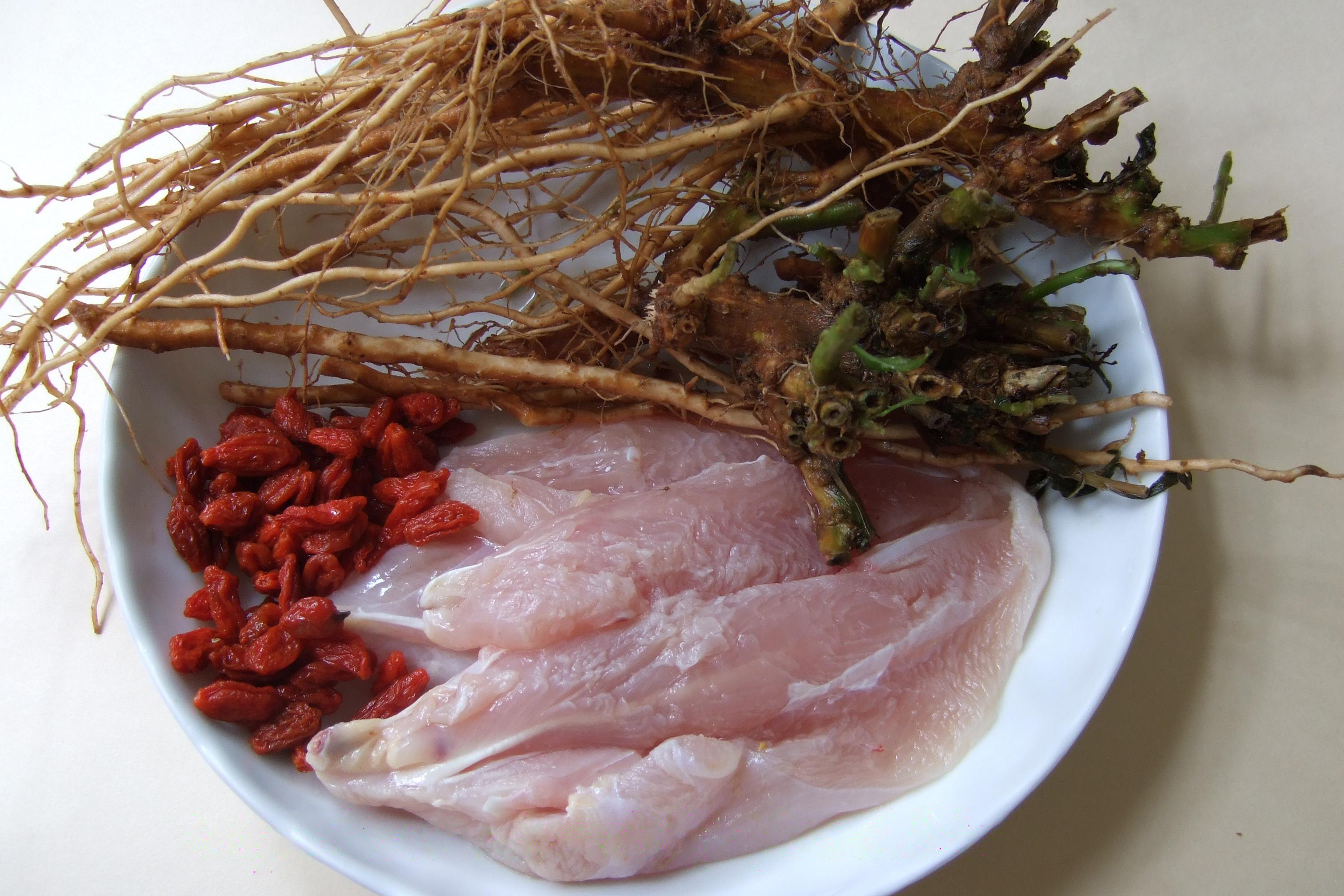
Fresh Morinda Root & Loranthus Chicken Soup
Traditionally associated with nourishing the liver and kidneys and strengthening sinews and bones
In short: Fresh Morinda Root & Loranthus Chicken Soup is a soup that Traditionally associated with nourishing the liver and kidneys and strengthening sinews and bones. It is most often made for women's wellness, children's wellness, liver wellness. Total time about 3 hr 15 min. Key ingredients: morinda root, chicken.

Why people make this soup
Menopause is often thought of as a women’s experience, but Chinese medicine recognises that men go through a similar transition — typically between 55 and 65 — marked by fatigue, poor sleep, forgetfulness, irritability, lower back weakness, and gradually declining vitality. Women’s transition, often starting in the late 40s to mid-50s, can bring a similar pattern of symptoms. In both cases, the underlying pattern in Chinese food medicine points to a gradual depletion of liver and kidney essence — which is the same system that supports the health of tendons, bones, and hair.
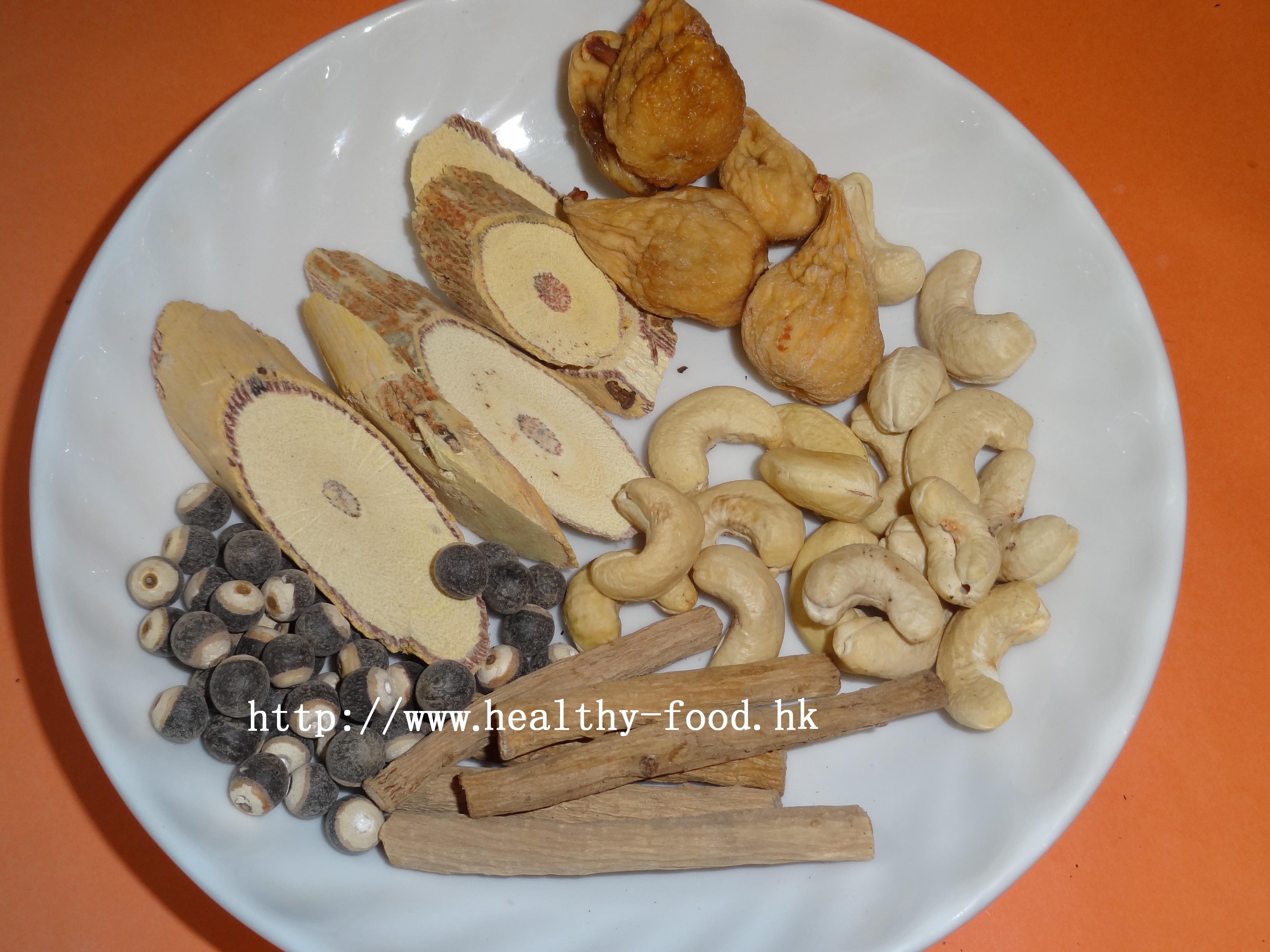
Nourilo chose this soup precisely because it addresses both the common female and male menopausal experience from this root. The combination of fresh morinda root and loranthus is one of the most traditional pairings in Cantonese cooking for kidney and liver support, and adding black-skinned green soybeans (a variety particularly prized for kidney nourishment) makes it richer and more complete. The soup is also associated in Chinese tradition with supporting hair health — both supporting natural hair colour and encouraging hair vitality — which adds to its appeal for middle-aged adults.
Method
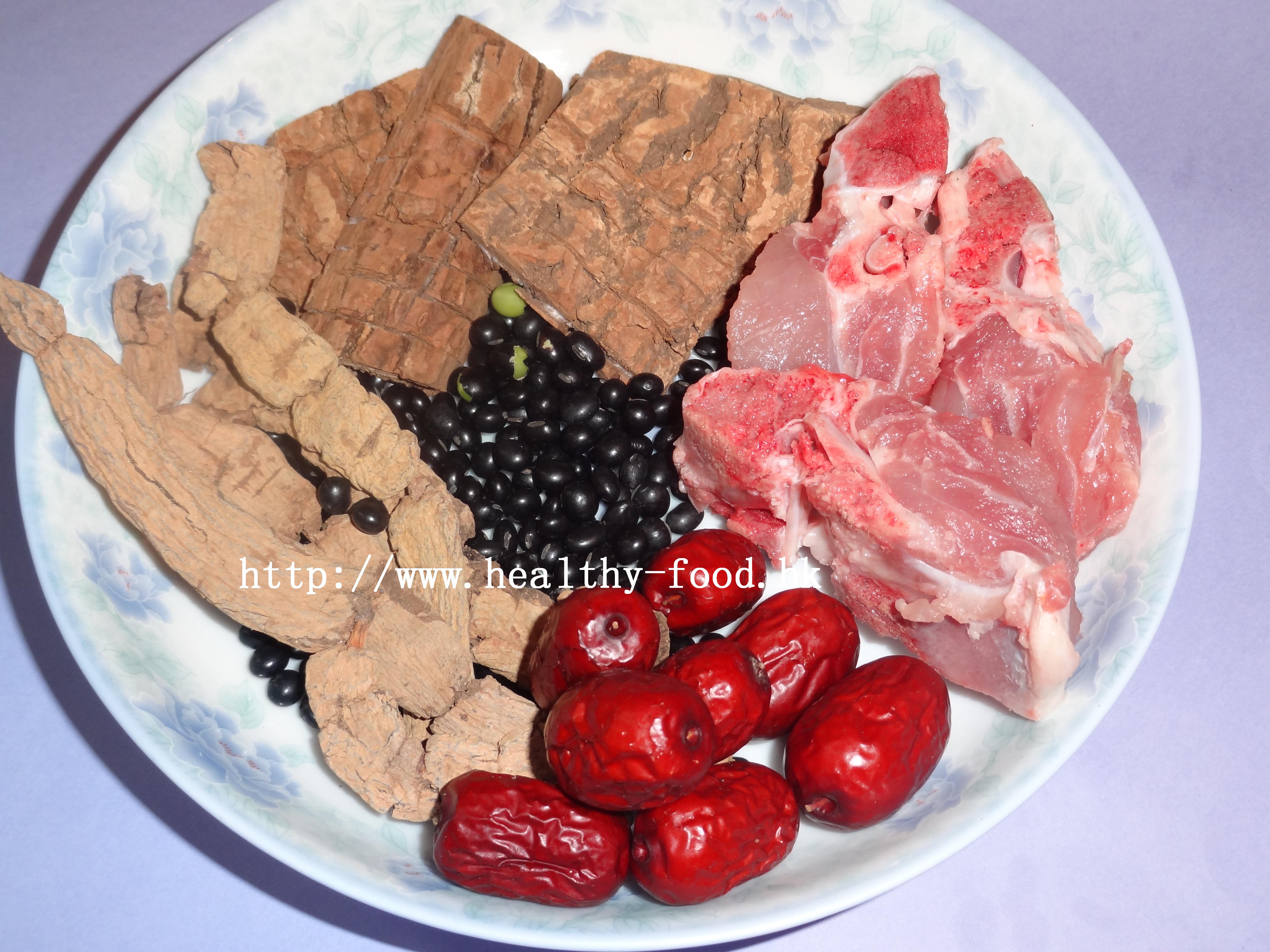
- Blanch the chicken breast briefly in boiling water; drain and rinse.
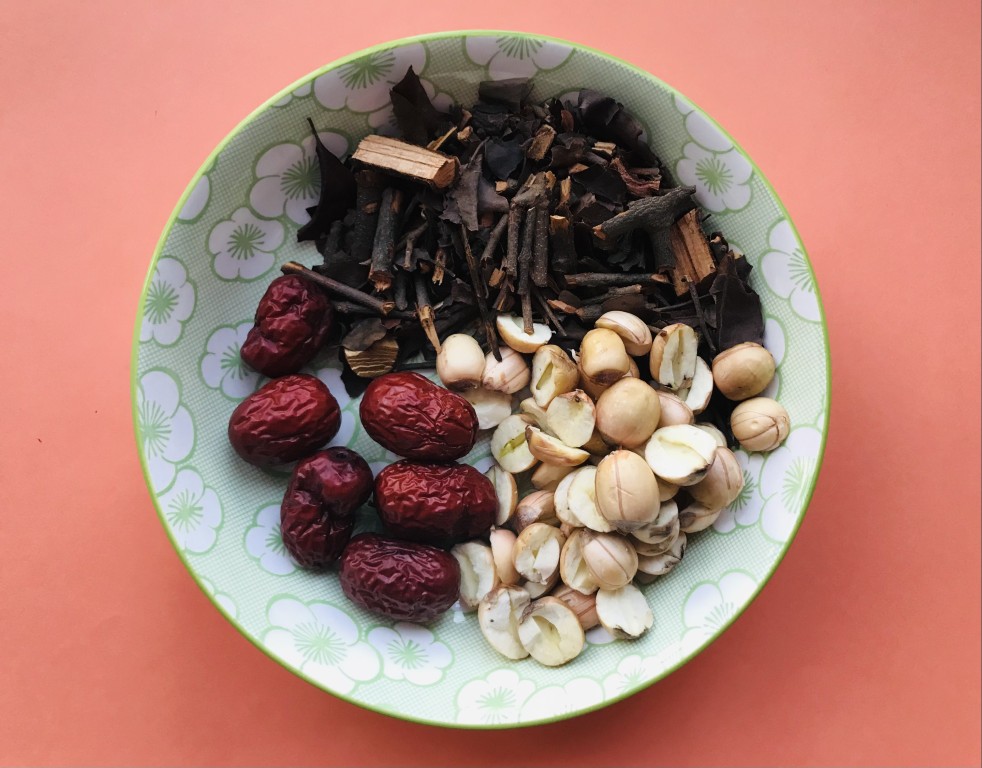
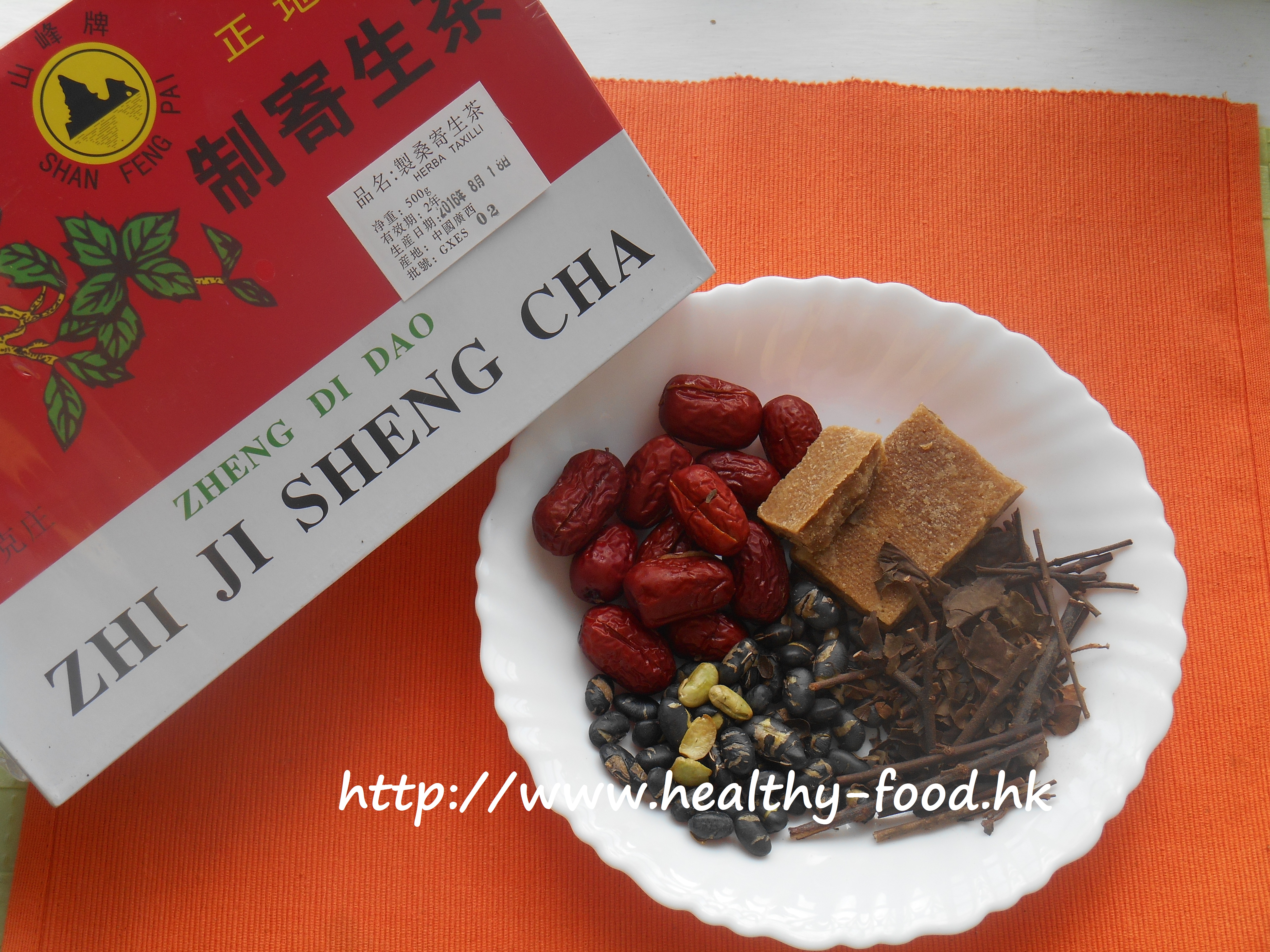
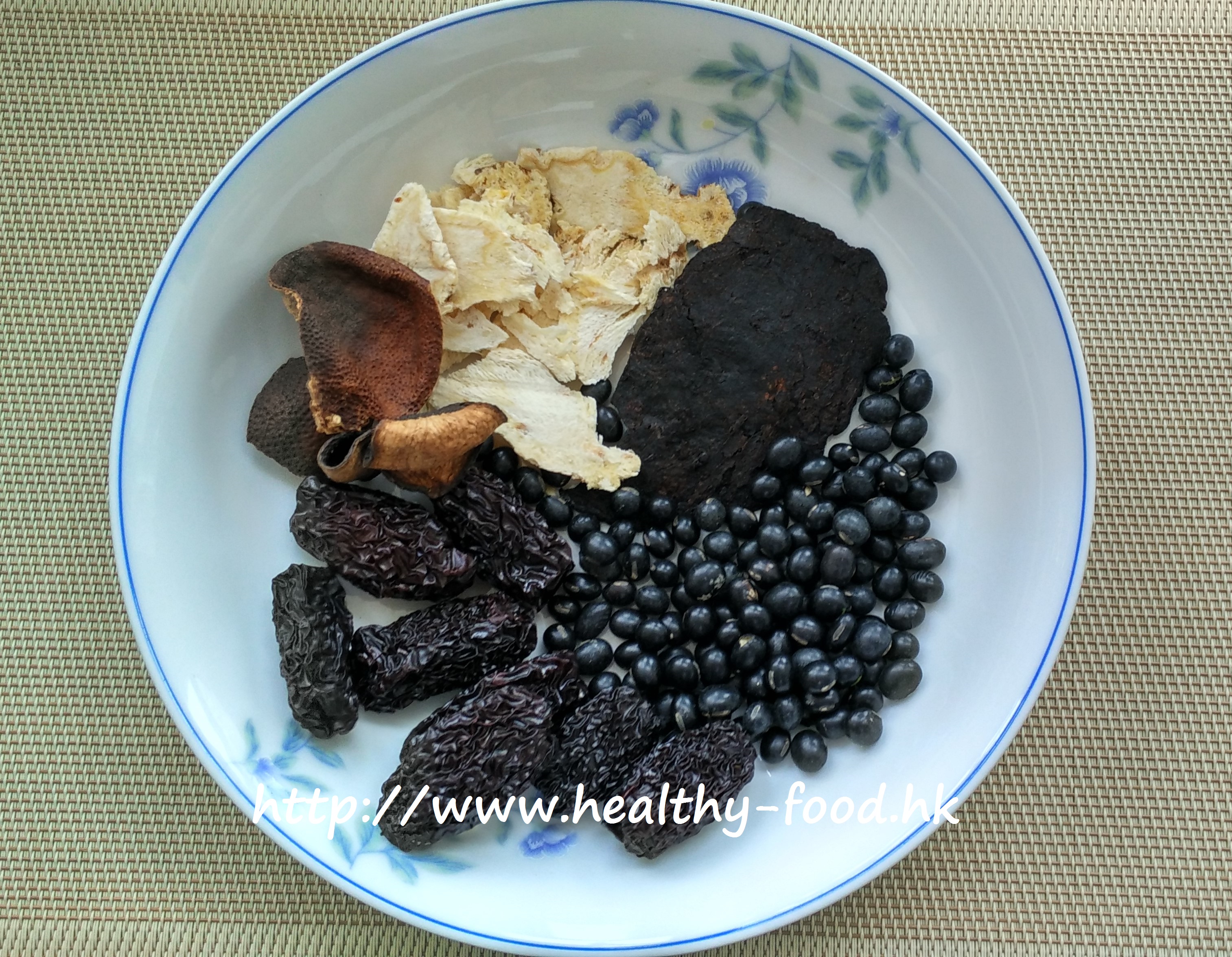
- Rinse and soak the morinda root, loranthus, black soybeans, and nan dates.
- Place all ingredients in a pot with 1.8–2.1 L of water.
- Bring to a boil, then reduce to a gentle simmer and cook for approximately 3 hours until reduced to about 1.2 L.
- Serve and eat the broth and soup ingredients together.
Nourilo’s Tips
This soup is nourishing for both men and women, and Nourilo notes it has additional benefits for middle-aged and older adults: it is associated in Chinese tradition with supporting skin elasticity, slowing visible signs of ageing, and maintaining hair colour and lustre — a set of benefits that makes it popular with those in their 40s and 50s. Roasted black soybeans have even stronger kidney-supporting effects and can be substituted freely for raw ones.
If the soup causes a slightly dry or warm feeling in the throat (indicating it may be a touch too warming for a particular person’s constitution), brew some American ginseng (hua qi shen) and a small piece of monk fruit (luo han guo) as a simple balancing tea to counteract the effect.
What studies say about the key ingredients
Traditional use is not the same as clinical proof. Here is the strongest human research we found for each ingredient, limitations included.
- Red dates
Jujube was associated with significantly lower BMI and triglycerides, and lower fasting blood sugar in people with type 2 diabetes. LDL and total cholesterol fell only in some subgroups. HDL, AST and ALT did not change significantly.Limitation: The authors state the overall quality of the evidence is limited, and results varied significantly by dose, treatment duration and disease type.PubMed 40399274 · 3 more red dates studies
From the Nourilo Research Library. Findings come from specific doses, extracts and populations and may not apply to a home-cooked recipe.
Safety first — read before you cook
This is a traditional food, not a treatment. Please check with your doctor or pharmacist before making it a regular part of your diet if you:
- are pregnant or breastfeeding, or are cooking for a young child;
- take regular medicines — especially blood thinners, blood-pressure, diabetes or immune-suppressing drugs;
- have a kidney, liver or heart condition, or a known food allergy.
Stop eating it and seek advice if you notice an allergic reaction or feel unwell. Safety notes reviewed 8 October 2026 · How we write safety notes


Comments
Join the conversation — sign in or create a free account to comment.
Continue with GoogleBy continuing with Google or email you confirm you are 16 or older and agree to our Terms of Use and Privacy Policy.
Loading comments…