Soups
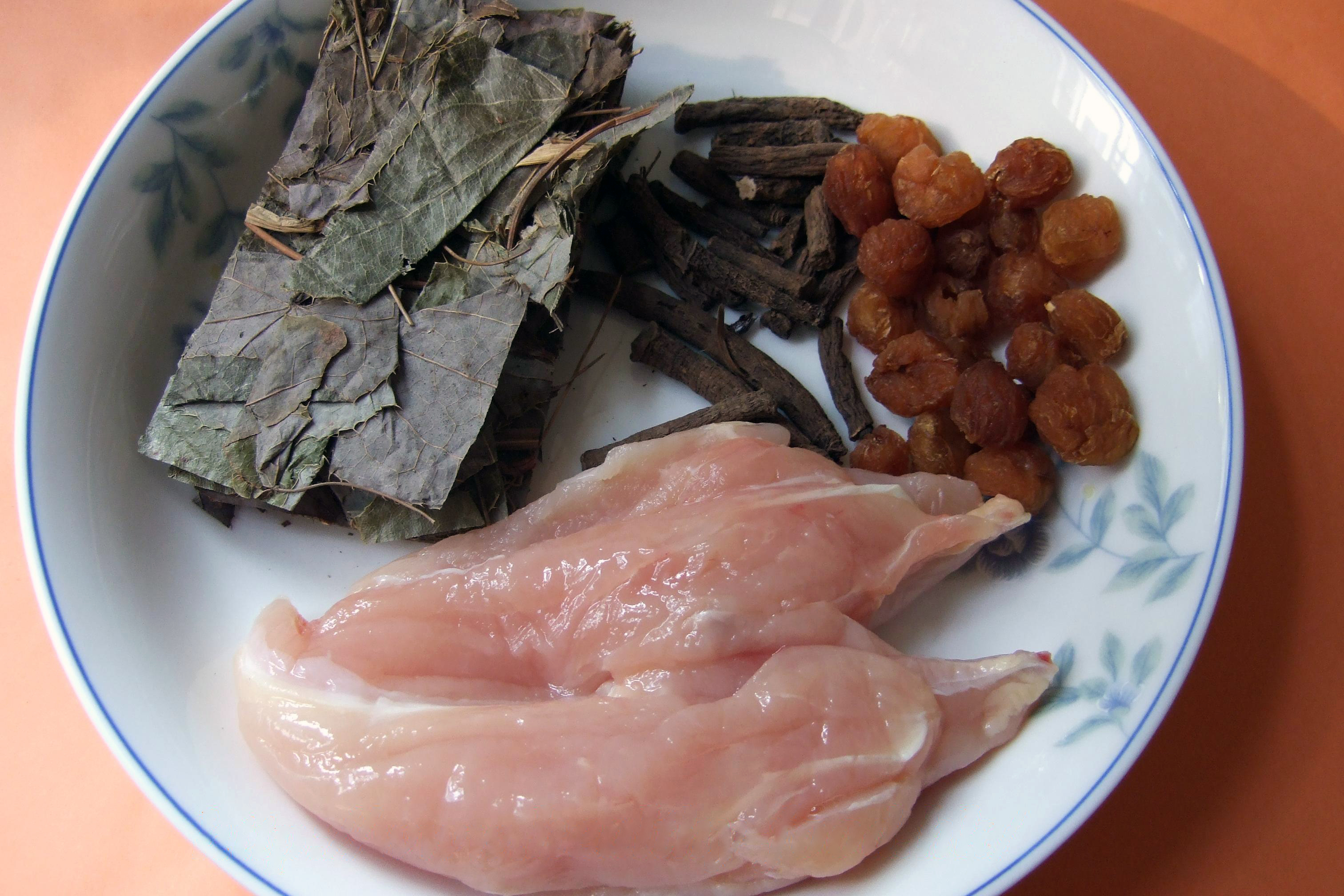
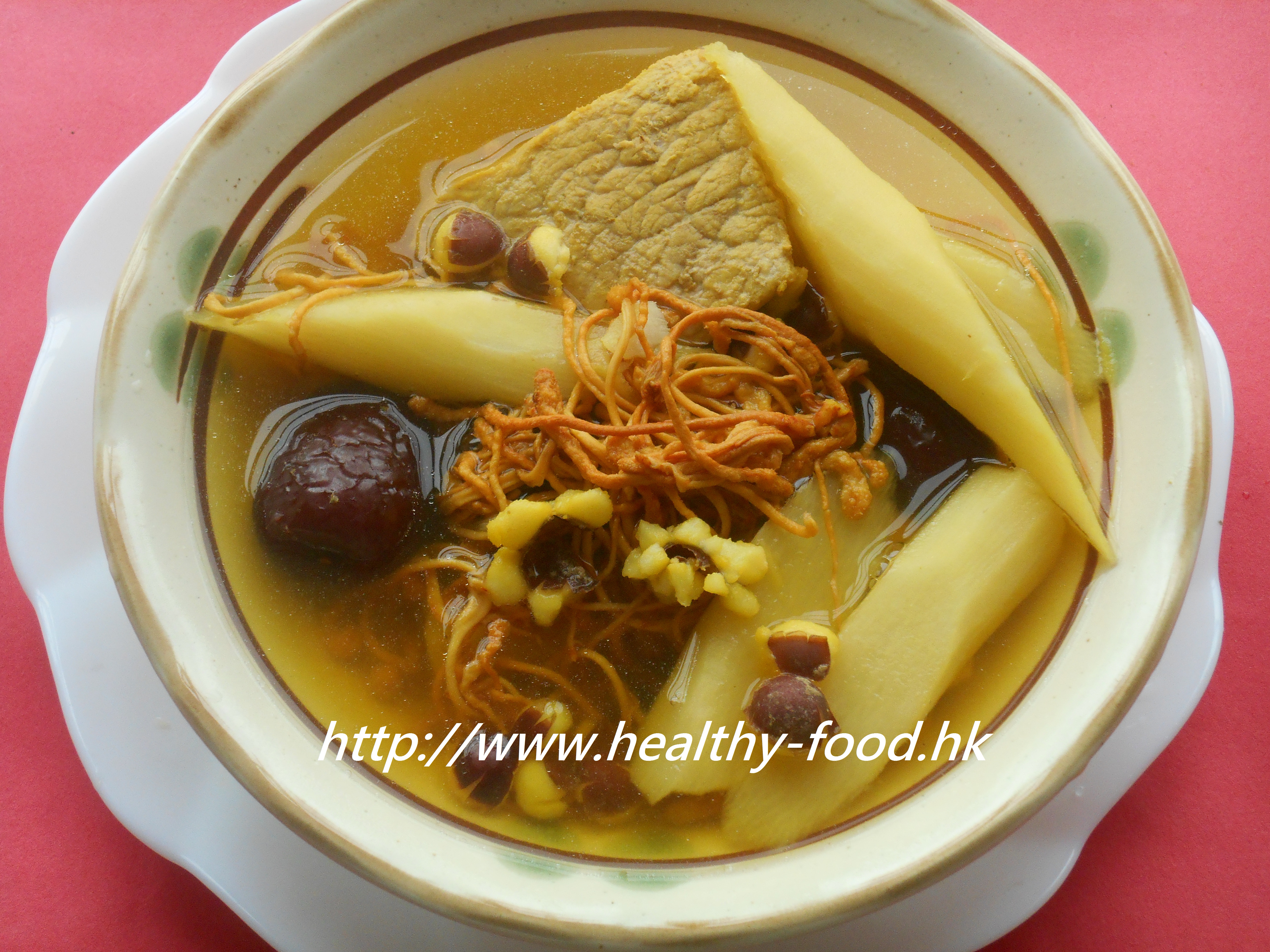
Xianmao, Epimedium and Organic Chicken Breast Soup
Traditionally associated with warming kidney yang and supporting women through menopausal symptoms
In short: Xianmao, Epimedium and Organic Chicken Breast Soup is a soup that Traditionally associated with warming kidney yang and supporting women through menopausal symptoms. It is most often made for women's wellness, children's wellness, kidney & urinary wellness. Total time about 135 min.
Why people make this soup
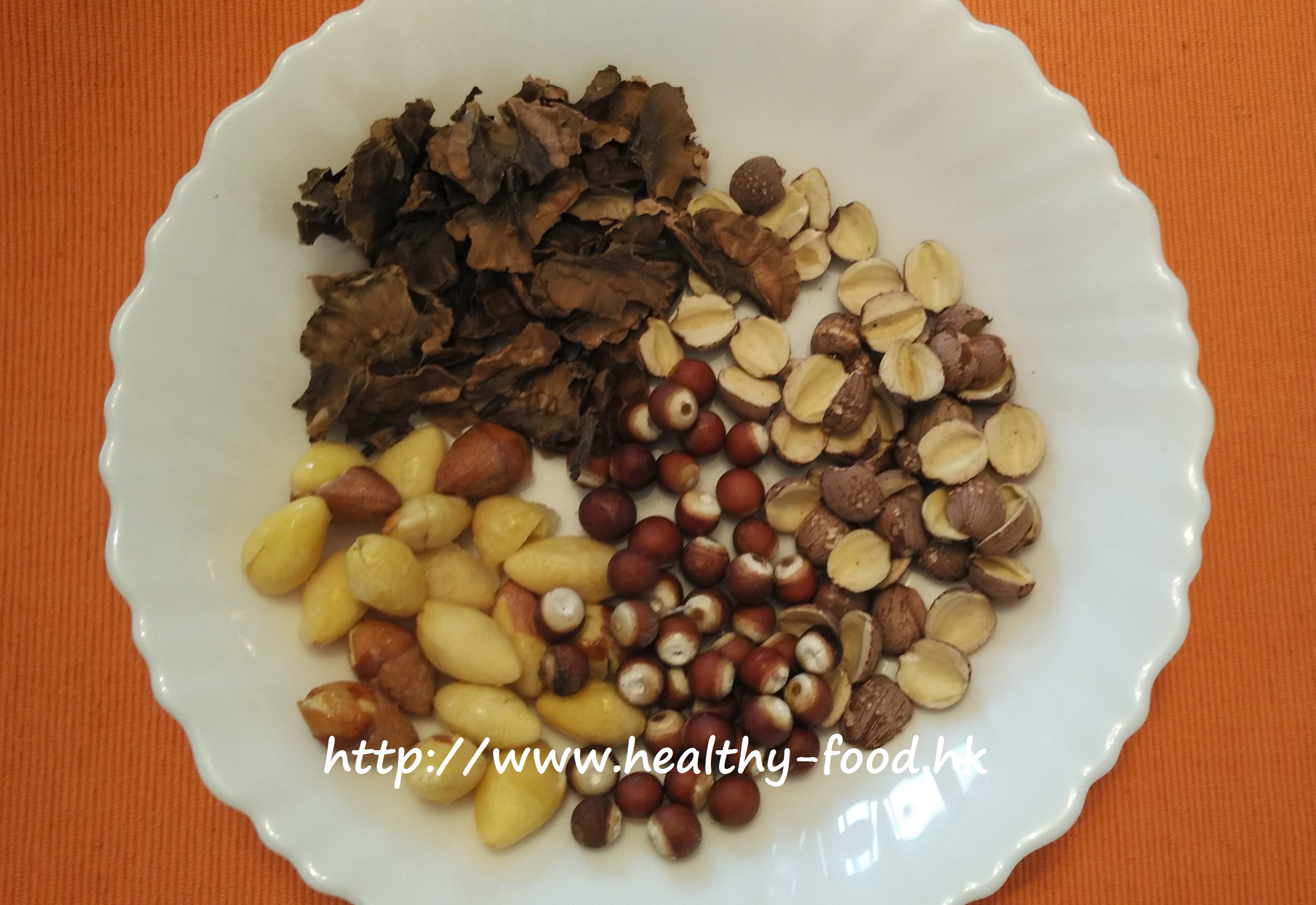
Statistics suggest that 75–85% of women experience some symptoms of menopause, from irregular periods and hot flushes to palpitations, insomnia and emotional changes. In Chinese medicine, menopause is understood as a natural but sometimes difficult transition in which the body’s reserves of yin and yang become gradually depleted, particularly in the kidneys. This soup is aimed specifically at women whose menopause presents with what practitioners call a “kidney yang deficiency” pattern: a dull or puffy complexion, swelling in the face and limbs, hot flushes followed by chills, diminished appetite, loose stools, frequent urination, and periods that arrive irregularly, too early or too late. Xianmao and epimedium (the latter also known in the West as “horny goat weed” for its traditionally recognized effects on sexual function) are two of Chinese medicine’s key kidney-warming herbs, combined here with longan flesh for nourishing the blood and free-range chicken breast for gentle nourishment. Nourilo notes these herbs are on the potent side, so this soup is not an everyday staple — once or twice a week is appropriate.
Safety first — read before you cook
This is a traditional food, not a treatment. Please check with your doctor or pharmacist before making it a regular part of your diet if you:
- are pregnant or breastfeeding, or are cooking for a young child;
- take regular medicines — especially blood thinners, blood-pressure, diabetes or immune-suppressing drugs;
- have a kidney, liver or heart condition, or a known food allergy.
Stop eating it and seek advice if you notice an allergic reaction or feel unwell. Safety notes reviewed 8 October 2026 · How we write safety notes
Members only
Unlock the full method & Nourilo's tips
One payment, lifetime access to every one of our 2,344 recipes — step-by-step methods, preparation tips and serving notes.
- Full step-by-step method for this and all 2,344 recipes
- Nourilo's Tips — sourcing, substitutions and serving notes
- One-time payment · card, Apple Pay or Google Pay · no subscription, no renewals
Checking your access…
$59.99 one-time · all recipes
Sign in or create a free account, then pay once by card, Apple Pay or Google Pay.
Continue with GoogleBy continuing with Google or email you confirm you are 16 or older and agree to our Terms of Use and Privacy Policy.
$59.99 one-time · all recipes
Signed in as ·
Secure checkout by Stripe. One-time payment, no renewals. Access is linked to your Nourilo account and never expires. By paying you agree to our Terms of Use; you can get a full refund within 14 days (refund policy).
Comments
Join the conversation — sign in or create a free account to comment.
Continue with GoogleBy continuing with Google or email you confirm you are 16 or older and agree to our Terms of Use and Privacy Policy.
Loading comments…