Congee & Porridge
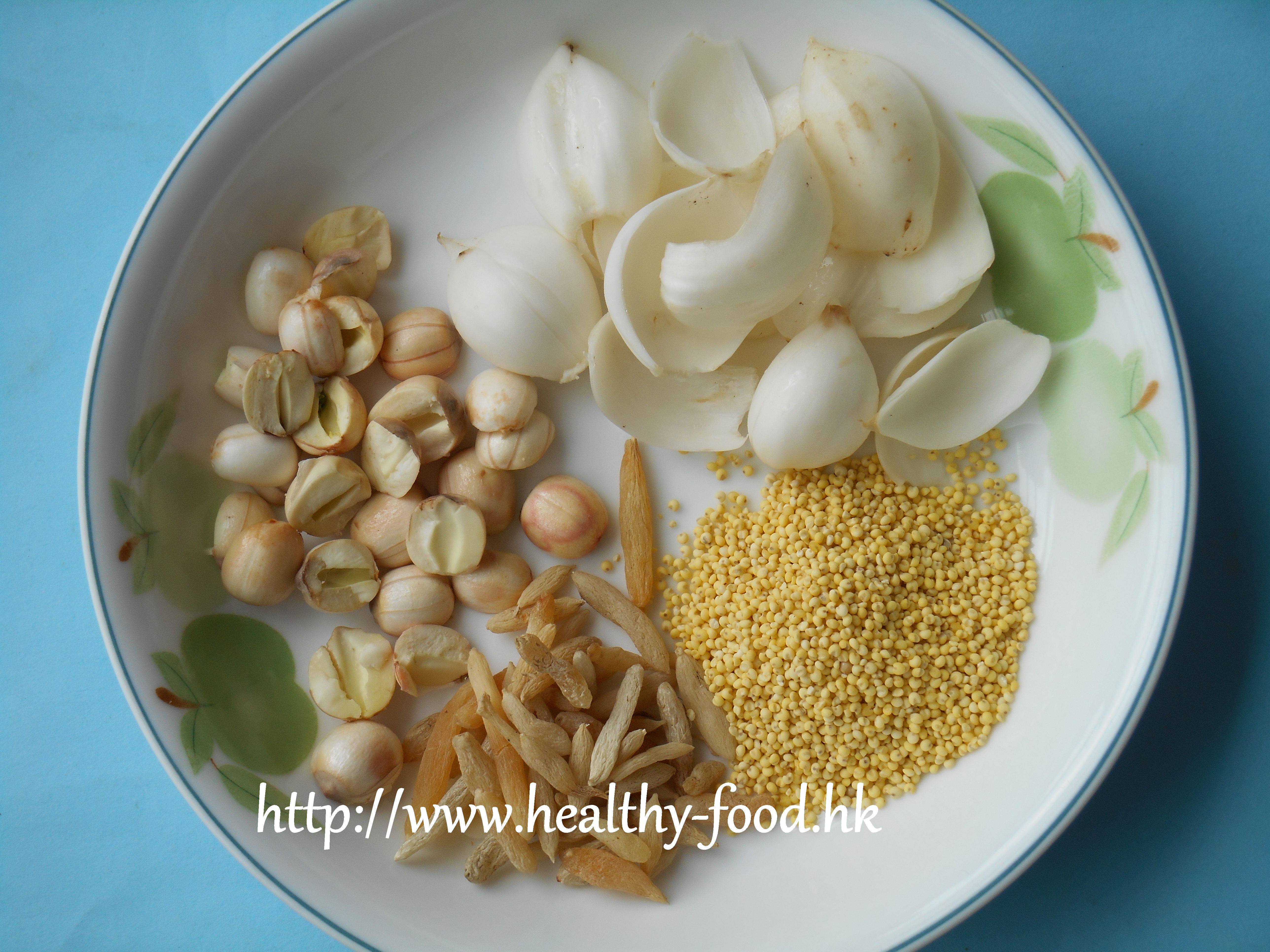
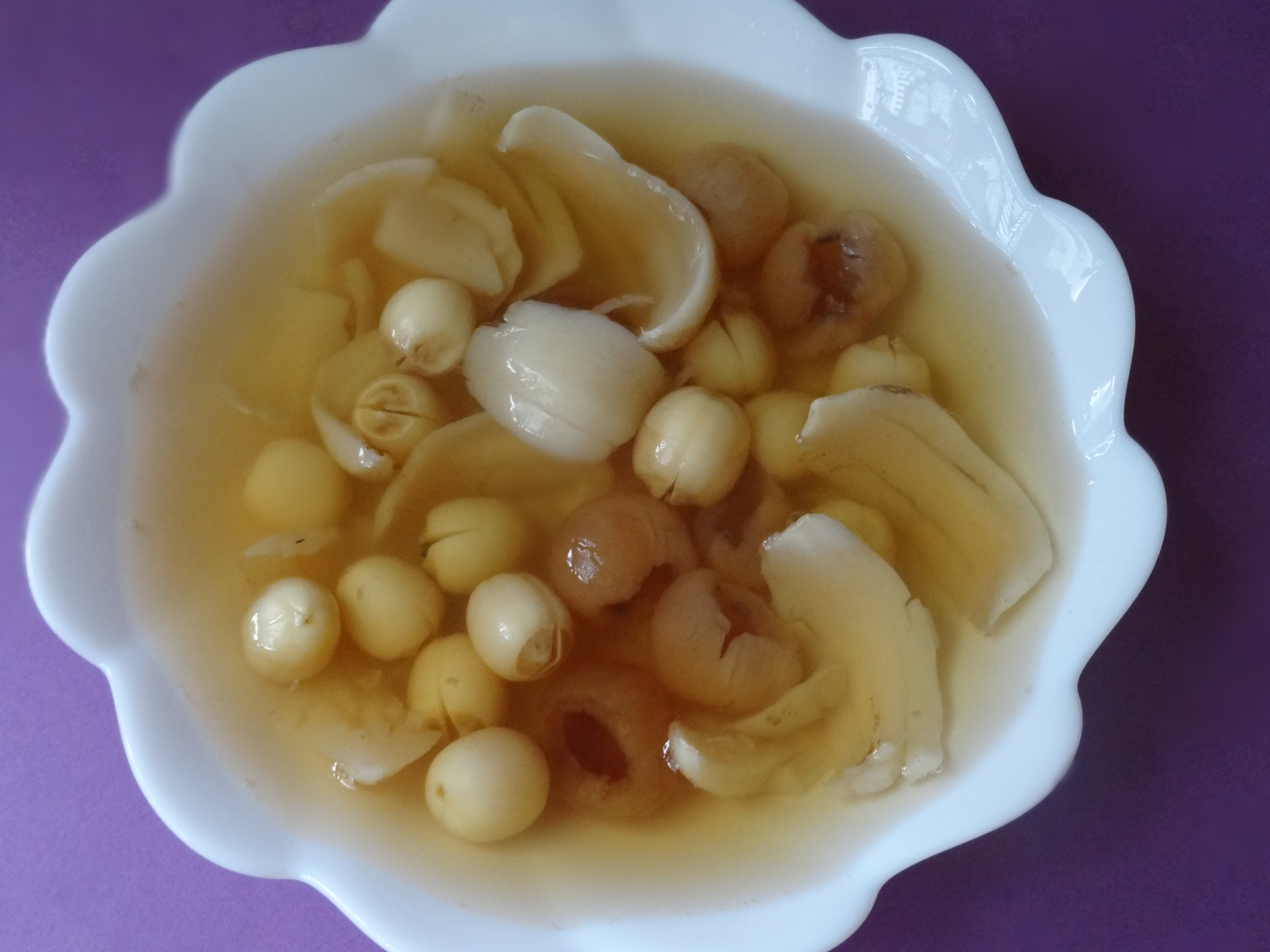
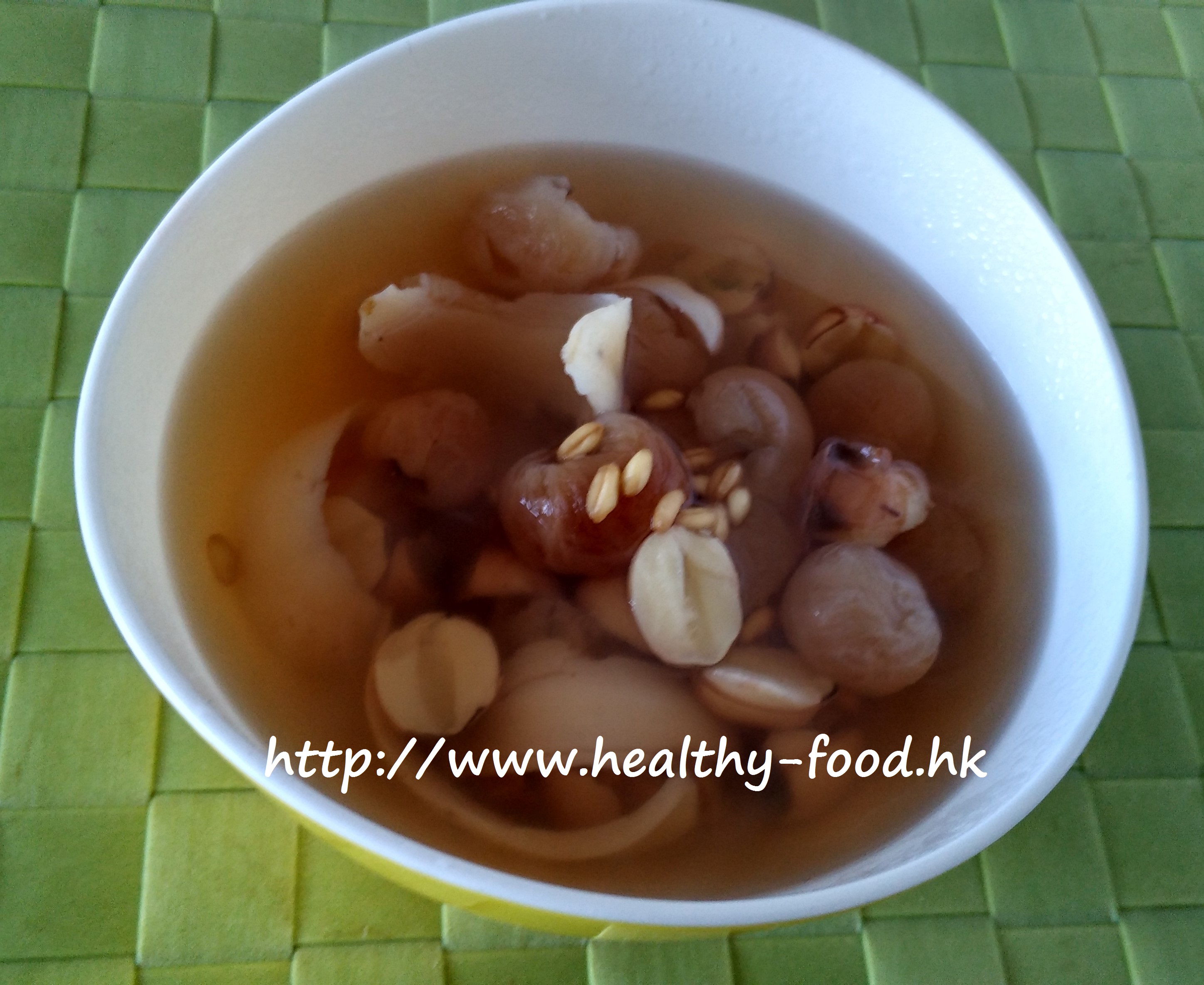
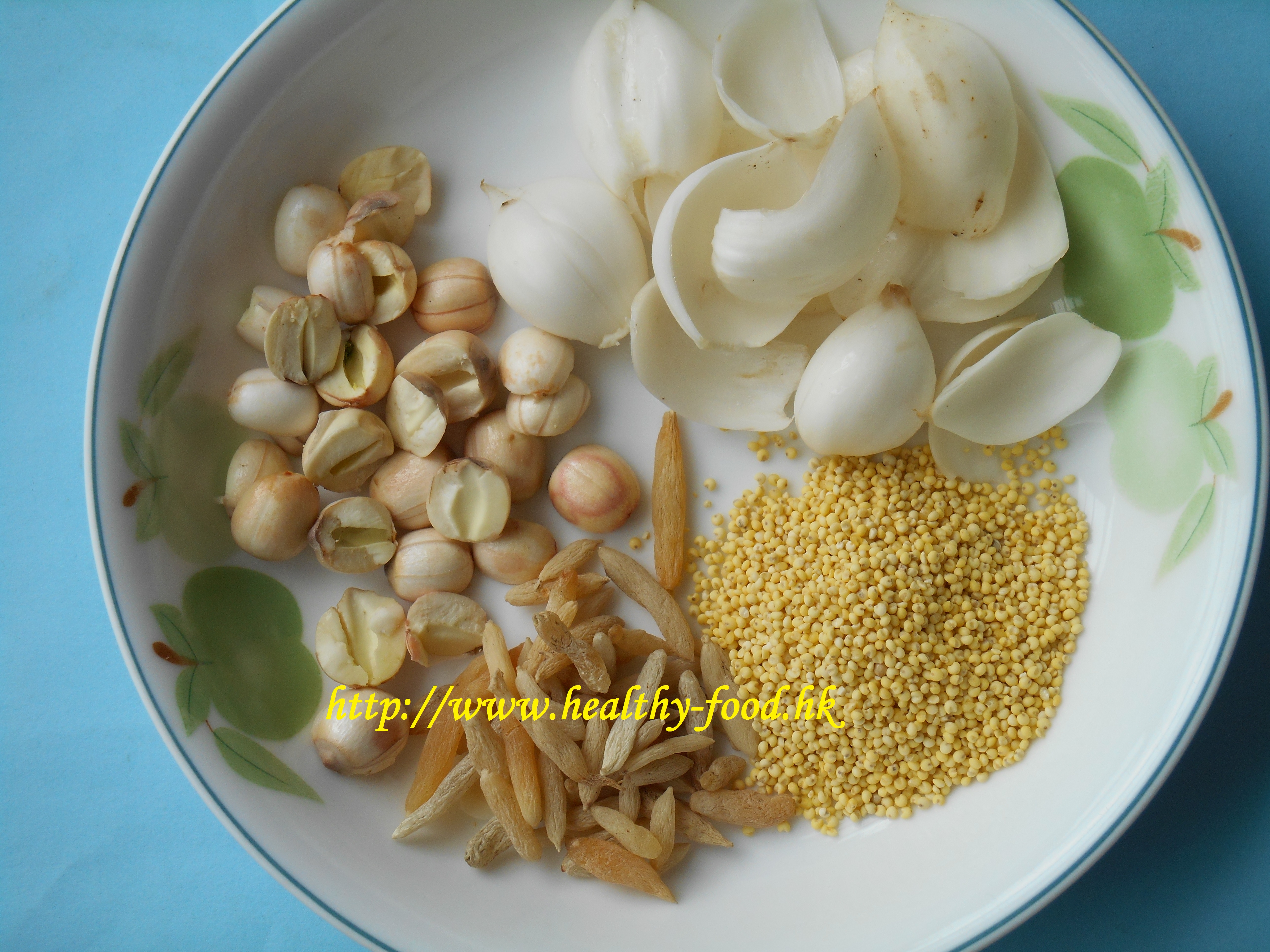
Fresh Lotus Seed, Lily, Ophiopogon and Millet Congee
traditionally used to nourish the heart and mind, support restful sleep, and ease anxiety and mild forgetfulness
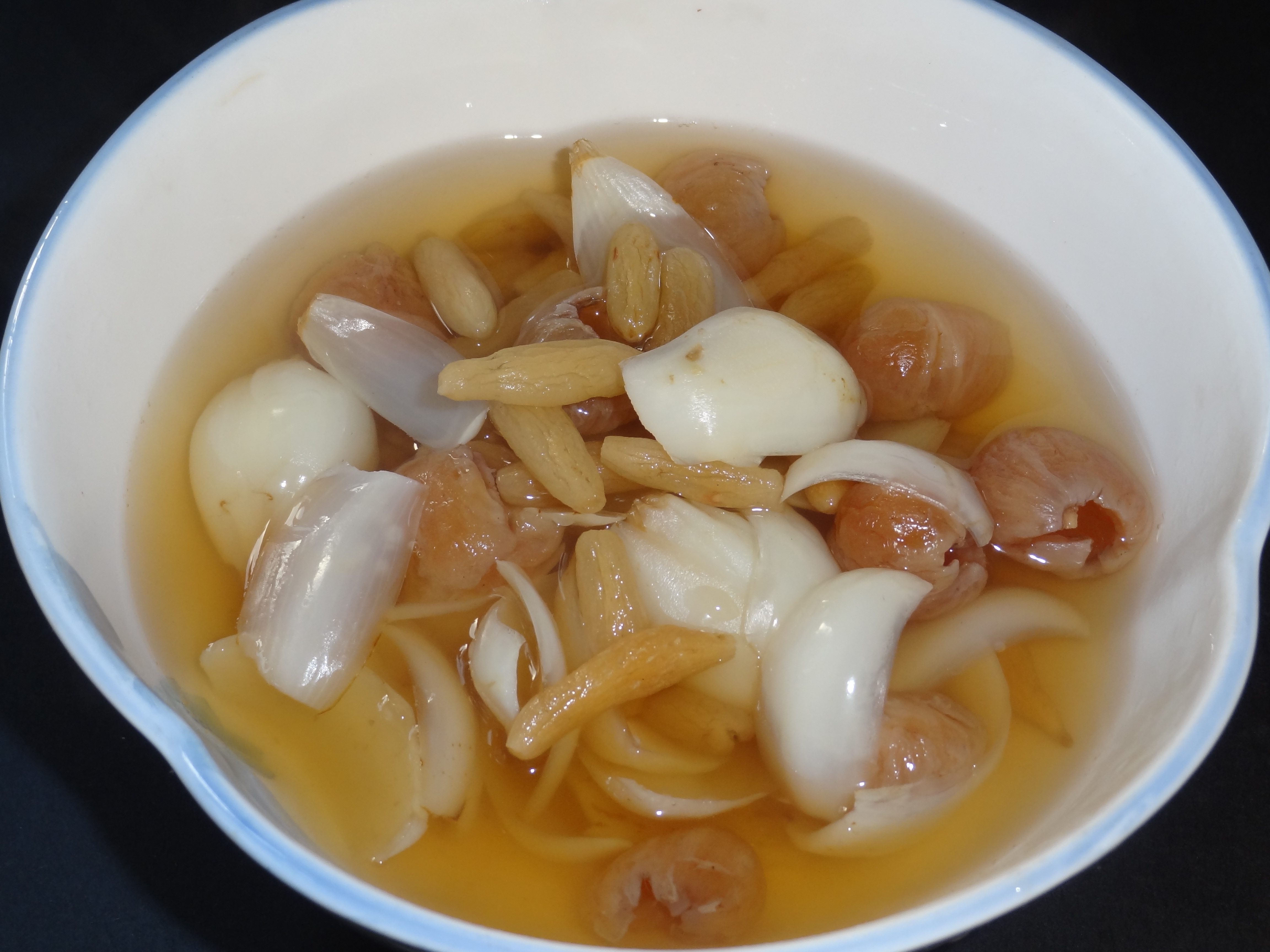
In short: Fresh Lotus Seed, Lily, Ophiopogon and Millet Congee is a congee & porridge that traditionally used to nourish the heart and mind, support restful sleep, and ease anxiety and mild forgetfulness. It is most often made for heart & circulation, sleep & calm, everyday balance. Total time about 55 min. Key ingredients: lotus seeds, lily bulb, ophiopogon root, millet.
Why people make this congee
Sleep in traditional Chinese food therapy is often described like recharging a battery — the quality of rest determines the quality of waking. When anxiety, stress, or overthinking prevent that recharge from happening properly, a different kind of nourishment is needed: not a sedative, but a gentle, slow-building support for the heart and mind. This congee is one of Nourilo’s go-to preparations for that purpose. Millet — one of the oldest cultivated grains in East Asia — is considered especially nourishing for the spleen and stomach, with a light, warming quality that supports the whole digestive system. Combined with lotus seed (which calms the heart), lily bulb (which nourishes the lungs and settles the mind), and ophiopogon (which replenishes fluids and cooling energy in the body), it creates a peaceful, slightly sweet porridge that is appropriate for the whole family.
Method
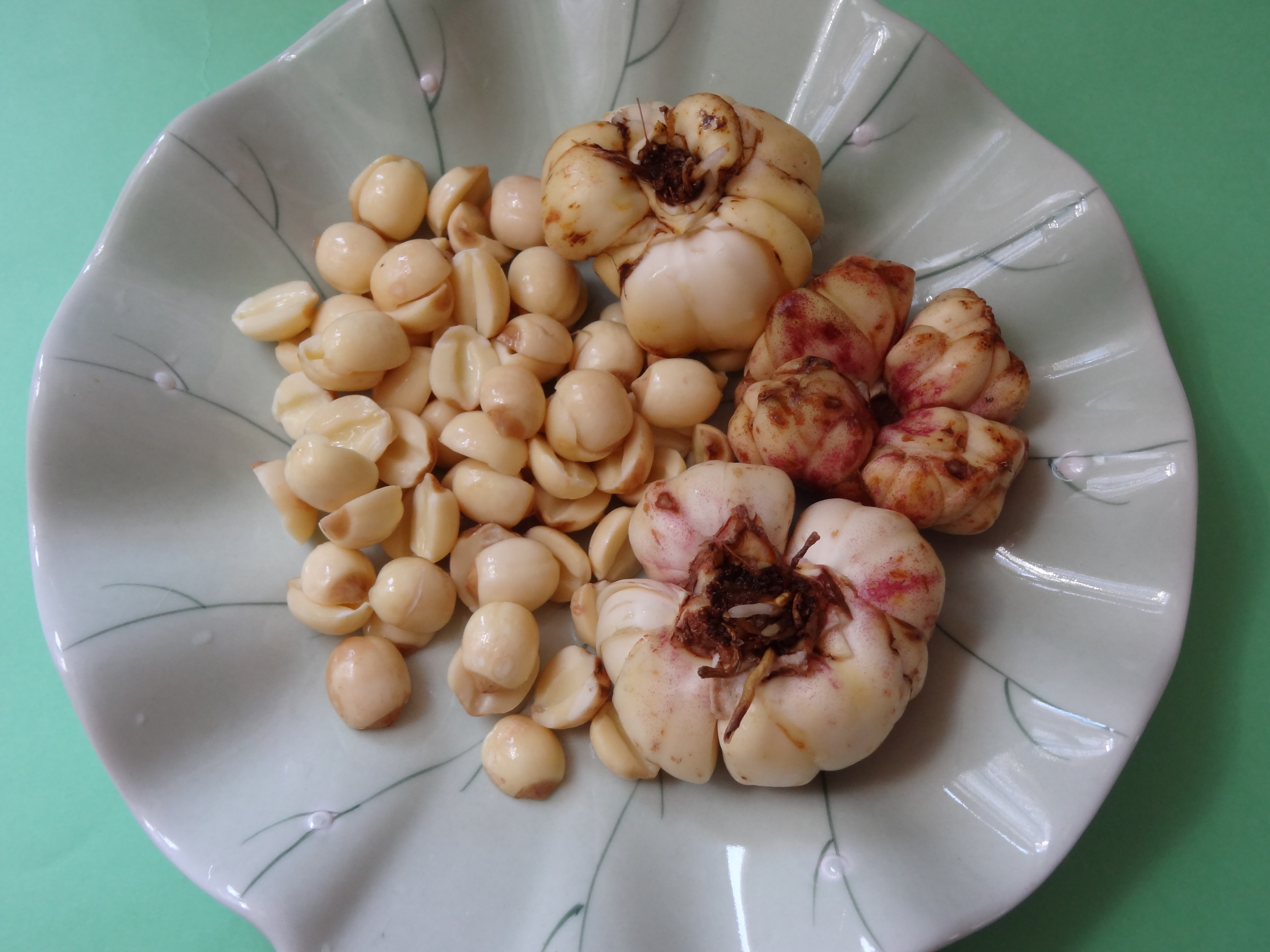
- Rinse all ingredients. If using fresh lotus seeds, remove the green pith. Rinse millet gently.
- Place all ingredients in a pot with 2.1 L of water.
- Bring to a boil, then reduce to a low simmer.
- Cook for 45 minutes, stirring occasionally, until the congee has thickened and the volume has reduced to approximately 1.2–1.5 L.
- Stir in rock sugar to taste and dissolve. Serve warm.
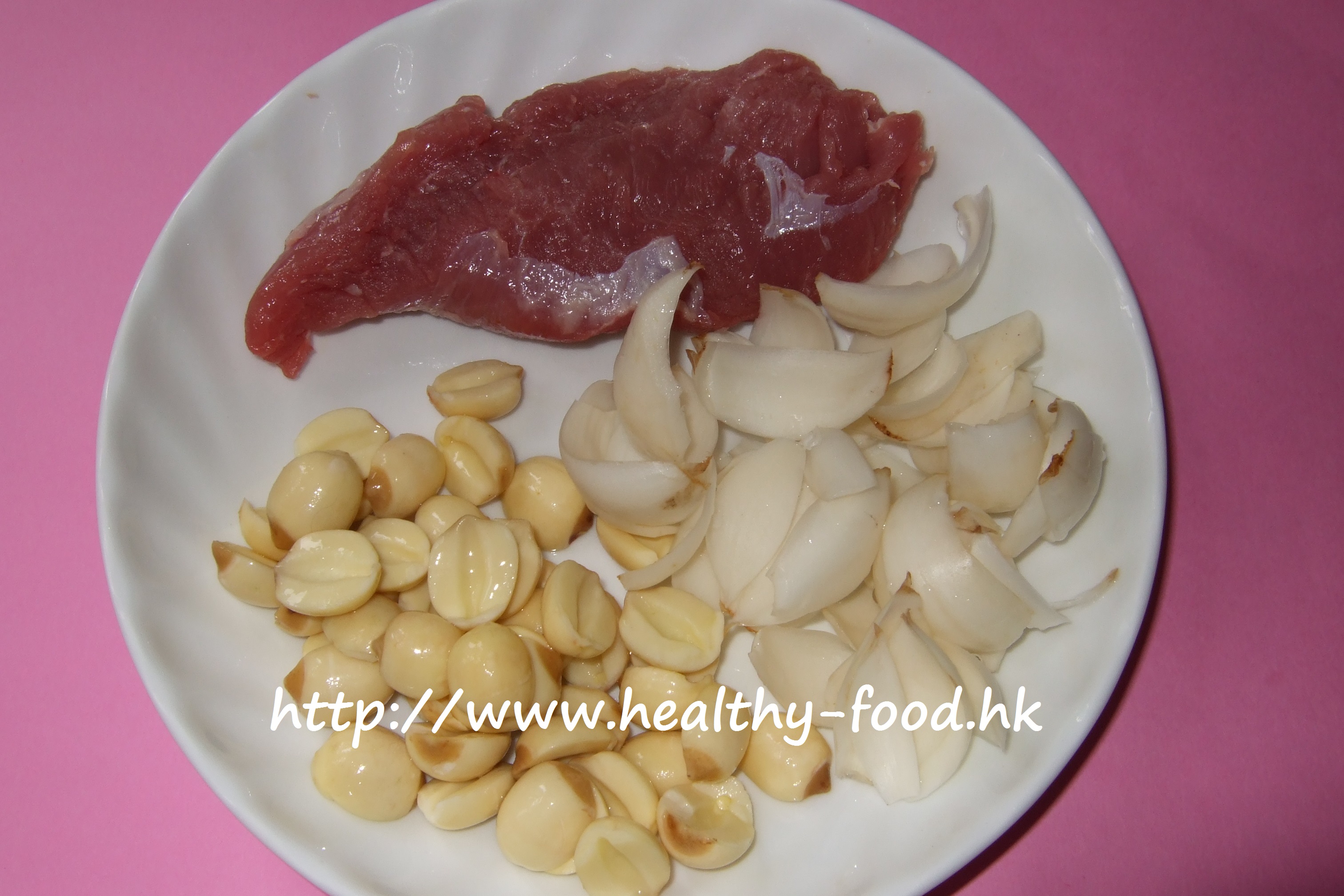
- This can also be made as a savoury congee by adding lean pork and omitting the rock sugar.
Nourilo’s Tips
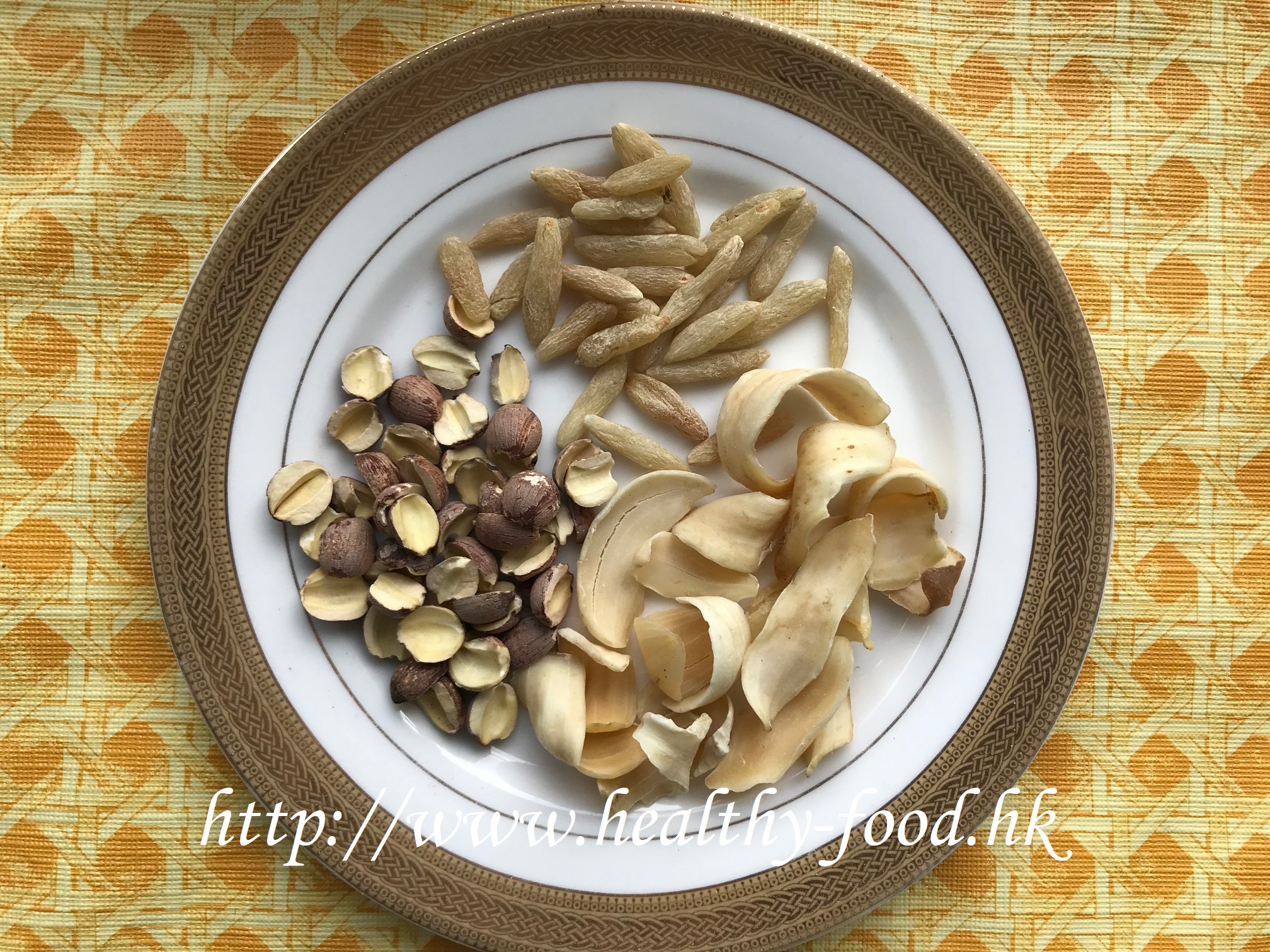
This congee is naturally fragrant and mild — the kind of dish that works just as well for breakfast as it does for a light evening meal. If neither fresh lotus seeds nor fresh lily bulbs are available, the dried versions work well; use roughly 38 g (38 g) of each. When Nourilo gets messages from readers with more severe insomnia or those who overthink constantly, he often recommends adding fu shen (poria heartwood) 19 g or replacing ordinary poria with fu shen for stronger heart-calming support. Consistent practice — eating this congee 3–4 times per week — tends to yield better results than occasional use.
What studies say about the key ingredients
Traditional use is not the same as clinical proof. Here is the strongest human research we found for each ingredient, limitations included.
- Lotus seeds
Lotus seed meals had a low glycemic index (GI 21–51 across the lotus seed and adzuki bean meals), while several other starchy foods did not differ significantly from rice. Lotus seed's in vitro hydrolysis index was also lower than that of other test foods.Limitation: Only ten healthy participants and acute single-meal tests, so findings may not apply to people with diabetes or to long-term intake.PubMed 30875961
From the Nourilo Research Library. Findings come from specific doses, extracts and populations and may not apply to a home-cooked recipe.
Safety first — read before you cook
This is a traditional food, not a treatment. Please check with your doctor or pharmacist before making it a regular part of your diet if you:
- are pregnant or breastfeeding, or are cooking for a young child;
- take regular medicines — especially blood thinners, blood-pressure, diabetes or immune-suppressing drugs;
- have a kidney, liver or heart condition, or a known food allergy.
Stop eating it and seek advice if you notice an allergic reaction or feel unwell. Safety notes reviewed 8 October 2026 · How we write safety notes
Comments
Join the conversation — sign in or create a free account to comment.
Continue with GoogleBy continuing with Google or email you confirm you are 16 or older and agree to our Terms of Use and Privacy Policy.
Loading comments…