Soups
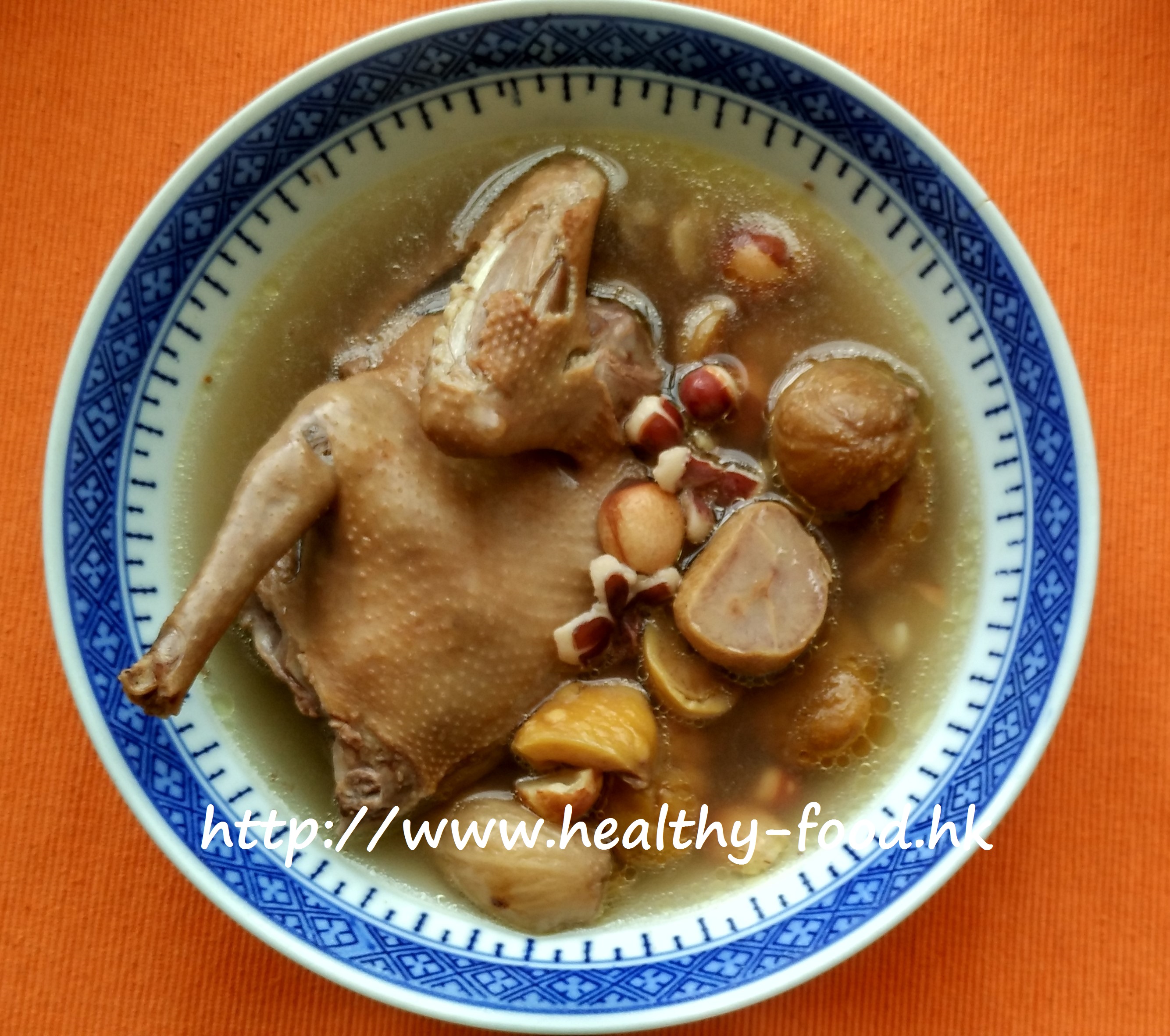
Green Papaya, Peanut, Moth Bean and Shiitake Soup
Traditionally used to support breast milk production and nourish the stomach after childbirth
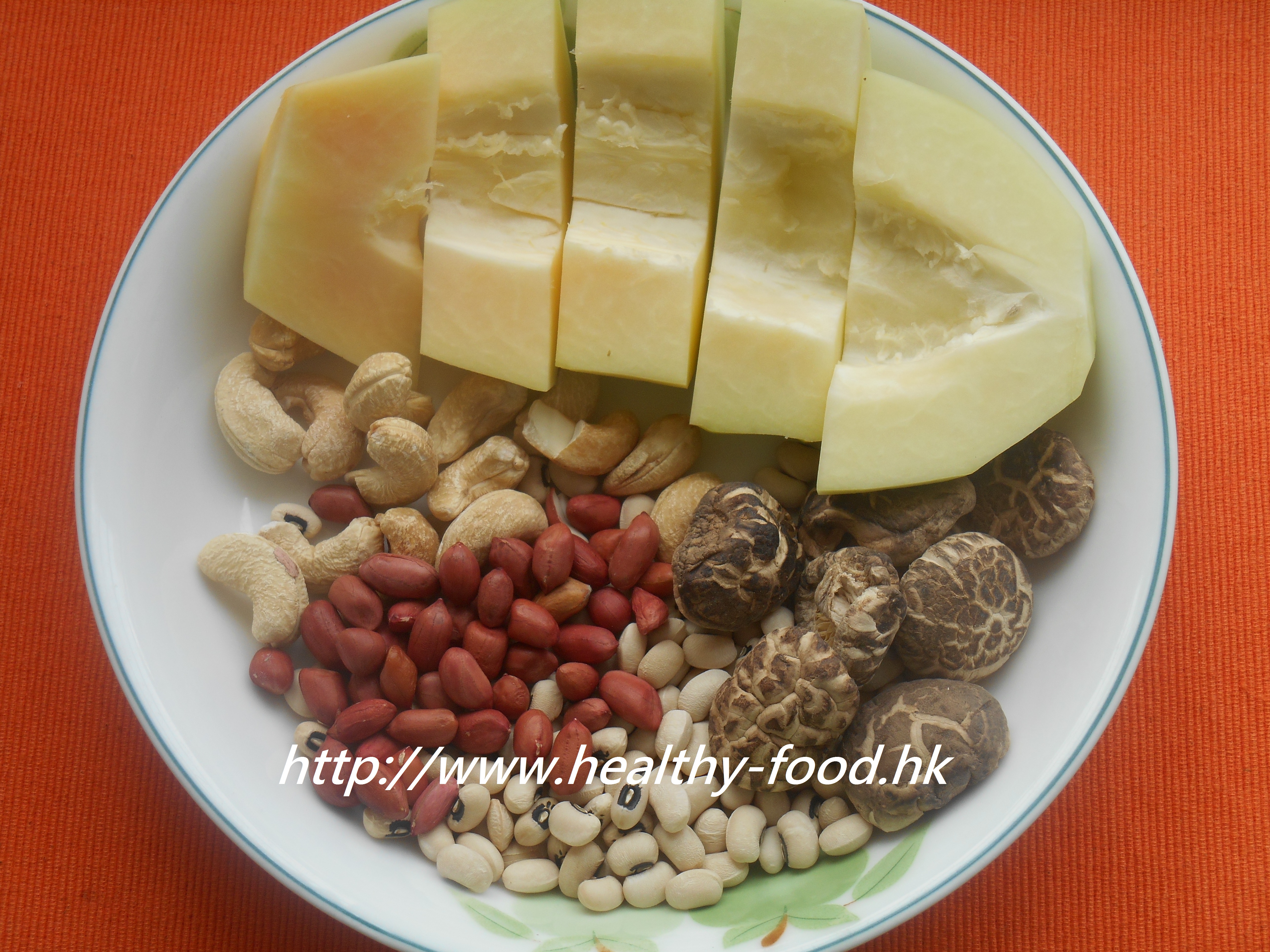
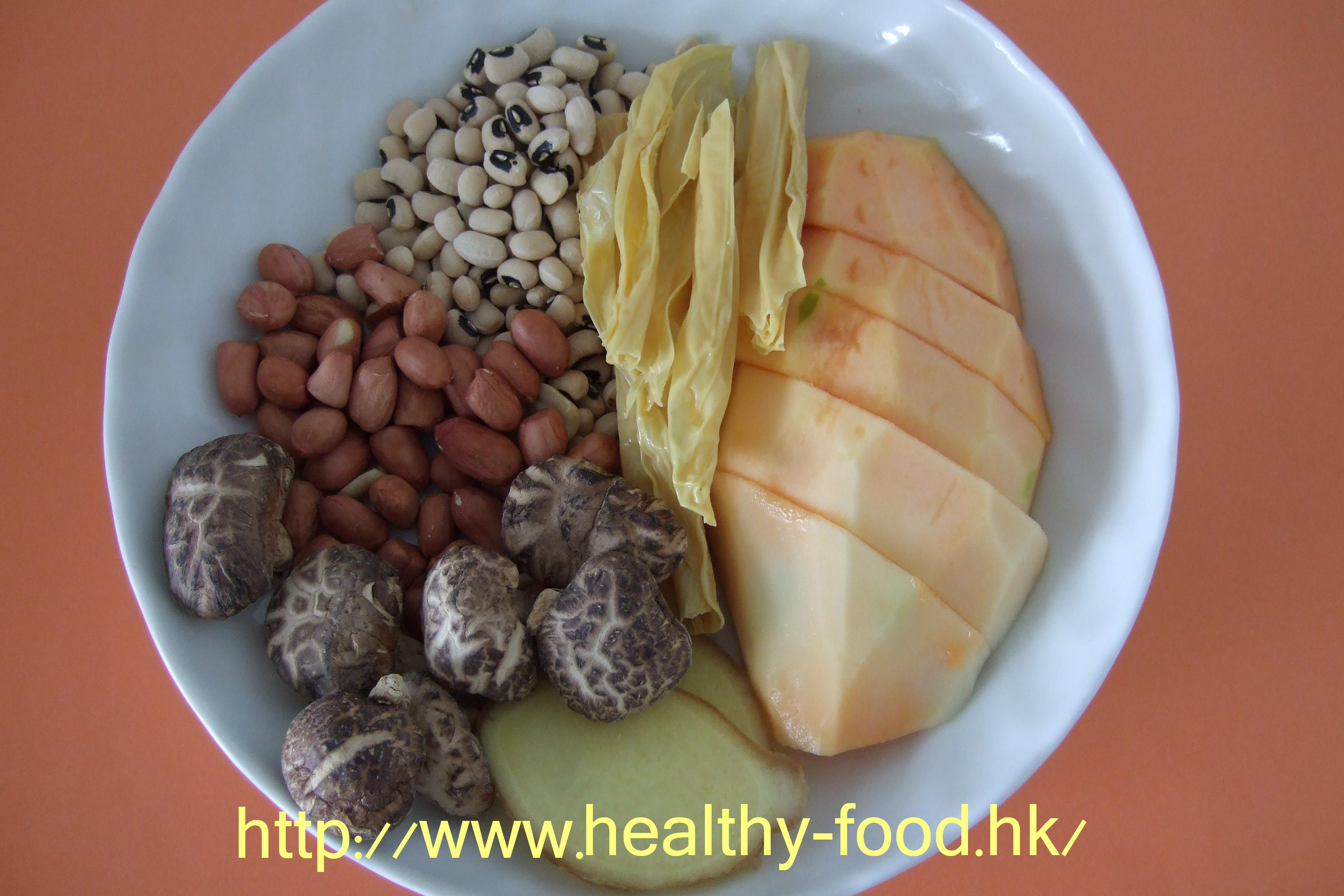
In short: Green Papaya, Peanut, Moth Bean and Shiitake Soup is a soup that Traditionally used to support breast milk production and nourish the stomach after childbirth. It is most often made for digestive wellness, women's wellness, children's wellness. Total time about 110 min. Key ingredients: green papaya, peanuts, cashews, shiitake mushrooms.
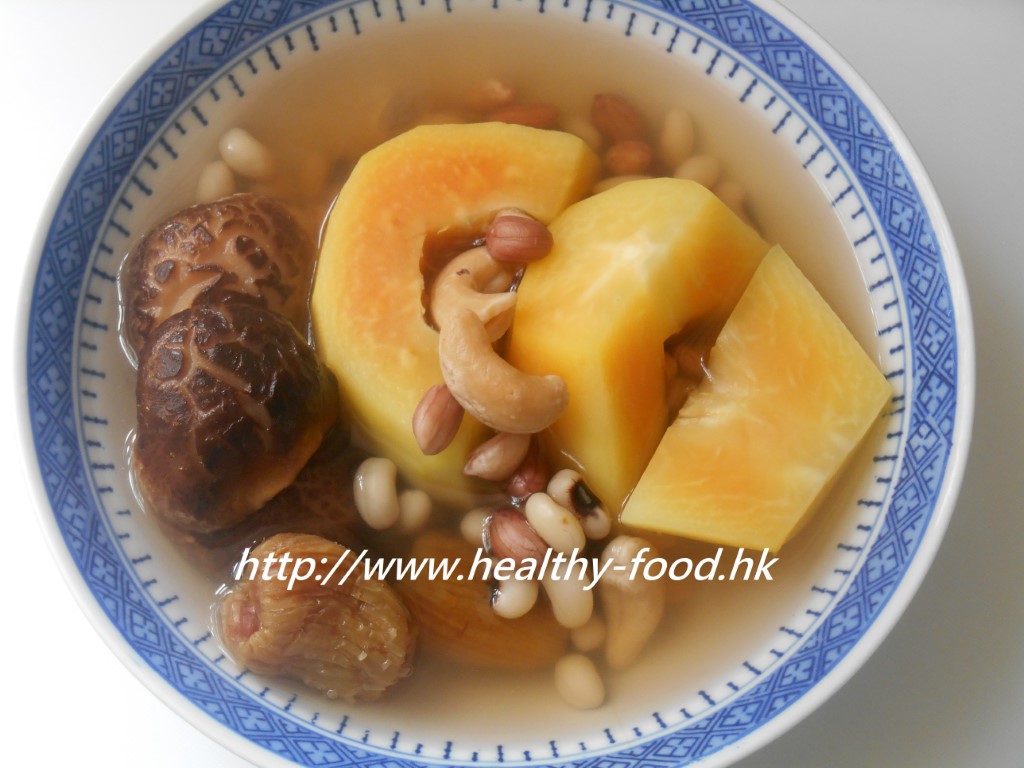
Why people make this soup
Breastfeeding mothers in Cantonese-speaking communities have long turned to papaya soup when milk supply is the concern. Green, unripe papaya is especially valued here — it differs from ripe red-fleshed papaya in several practical ways. The green variety is higher in proteolytic enzymes, vitamin C and complex carbohydrates, and lower in sugar — which makes it very suitable for nursing mothers trying to avoid blood sugar spikes. Its fibre content is also notable, supporting good digestion and gut health during the demanding postpartum period. Beyond lactation, green papaya is associated with anti-inflammatory properties, supporting the joints and the cardiovascular system. This particular version of the soup is completely plant-based — no meat — which makes it one of the few easy catalactagogue soups for vegetarian mothers. The combination of peanuts, moth beans and cashews provides good protein and a satisfying, creamy depth that the soup would otherwise lack without meat.
What studies say about the key ingredients
Traditional use is not the same as clinical proof. Here is the strongest human research we found for each ingredient, limitations included.
- Shiitake mushrooms
Daily shiitake intake was associated with increased ex vivo proliferation of γδ-T and NK-T cells, higher salivary sIgA and lower serum CRP, along with changes in cytokine patterns. The comparison was before versus after intake in two dose groups.Limitation: Parallel 5 g and 10 g dose groups with no placebo or non-mushroom control. Short 4-week study in healthy young adults, with mostly ex vivo immune markers.PubMed 25866155 · 2 more shiitake mushrooms studies
From the Nourilo Research Library. Findings come from specific doses, extracts and populations and may not apply to a home-cooked recipe.
Safety first — read before you cook
This is a traditional food, not a treatment. Please check with your doctor or pharmacist before making it a regular part of your diet if you:
- are pregnant or breastfeeding, or are cooking for a young child;
- take regular medicines — especially blood thinners, blood-pressure, diabetes or immune-suppressing drugs;
- have a kidney, liver or heart condition, or a known food allergy.
Stop eating it and seek advice if you notice an allergic reaction or feel unwell. Safety notes reviewed 8 October 2026 · How we write safety notes
Members only
Unlock the full method & Nourilo's tips
One payment, lifetime access to every one of our 2,344 recipes — step-by-step methods, preparation tips and serving notes.
- Full step-by-step method for this and all 2,344 recipes
- Nourilo's Tips — sourcing, substitutions and serving notes
- One-time payment · card, Apple Pay or Google Pay · no subscription, no renewals
Checking your access…
$59.99 one-time · all recipes
Sign in or create a free account, then pay once by card, Apple Pay or Google Pay.
Continue with GoogleBy continuing with Google or email you confirm you are 16 or older and agree to our Terms of Use and Privacy Policy.
$59.99 one-time · all recipes
Signed in as ·
Secure checkout by Stripe. One-time payment, no renewals. Access is linked to your Nourilo account and never expires. By paying you agree to our Terms of Use; you can get a full refund within 14 days (refund policy).
Comments
Join the conversation — sign in or create a free account to comment.
Continue with GoogleBy continuing with Google or email you confirm you are 16 or older and agree to our Terms of Use and Privacy Policy.
Loading comments…