Congee & Porridge
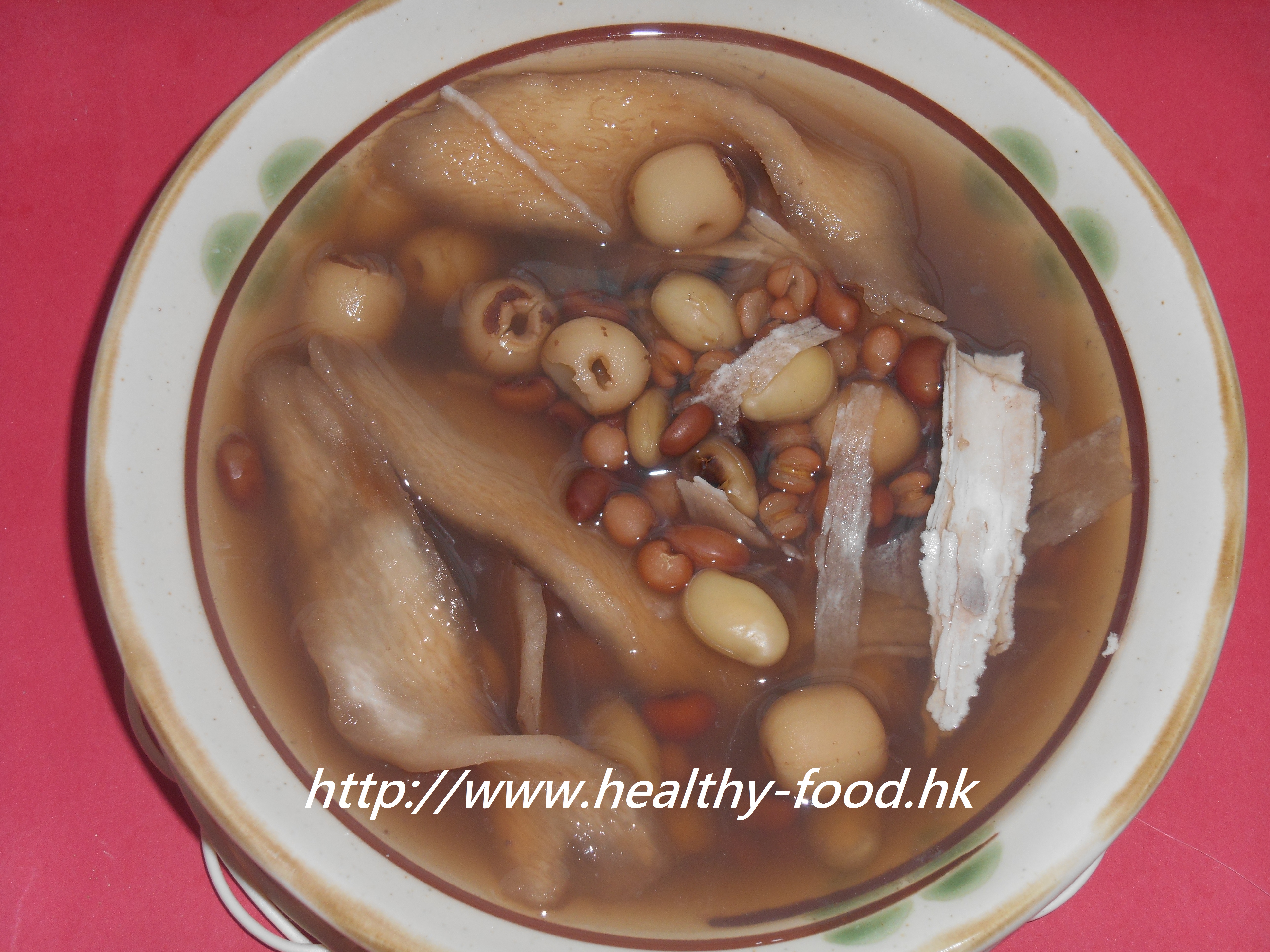
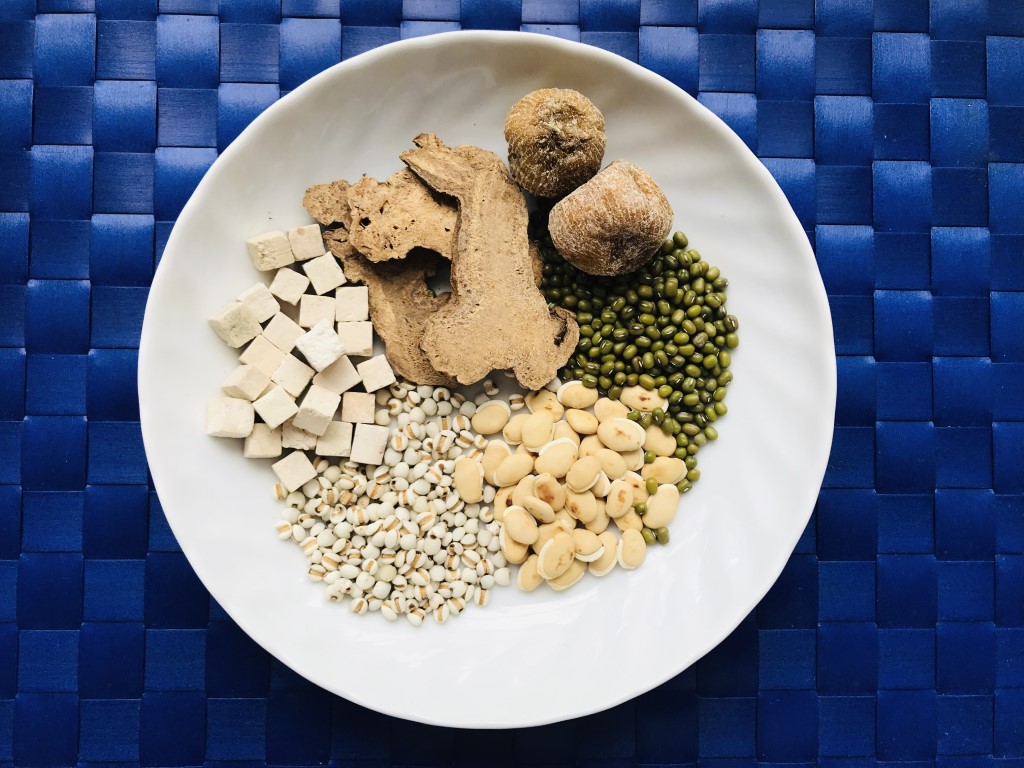
Eight-Treasure Beauty and Blemish-Reducing Congee (Ba Bao Mei Yan Qu Ban Zhou)
traditionally associated with strengthening the spleen, clearing dampness, and supporting an even complexion and reduction of pigmentation spots
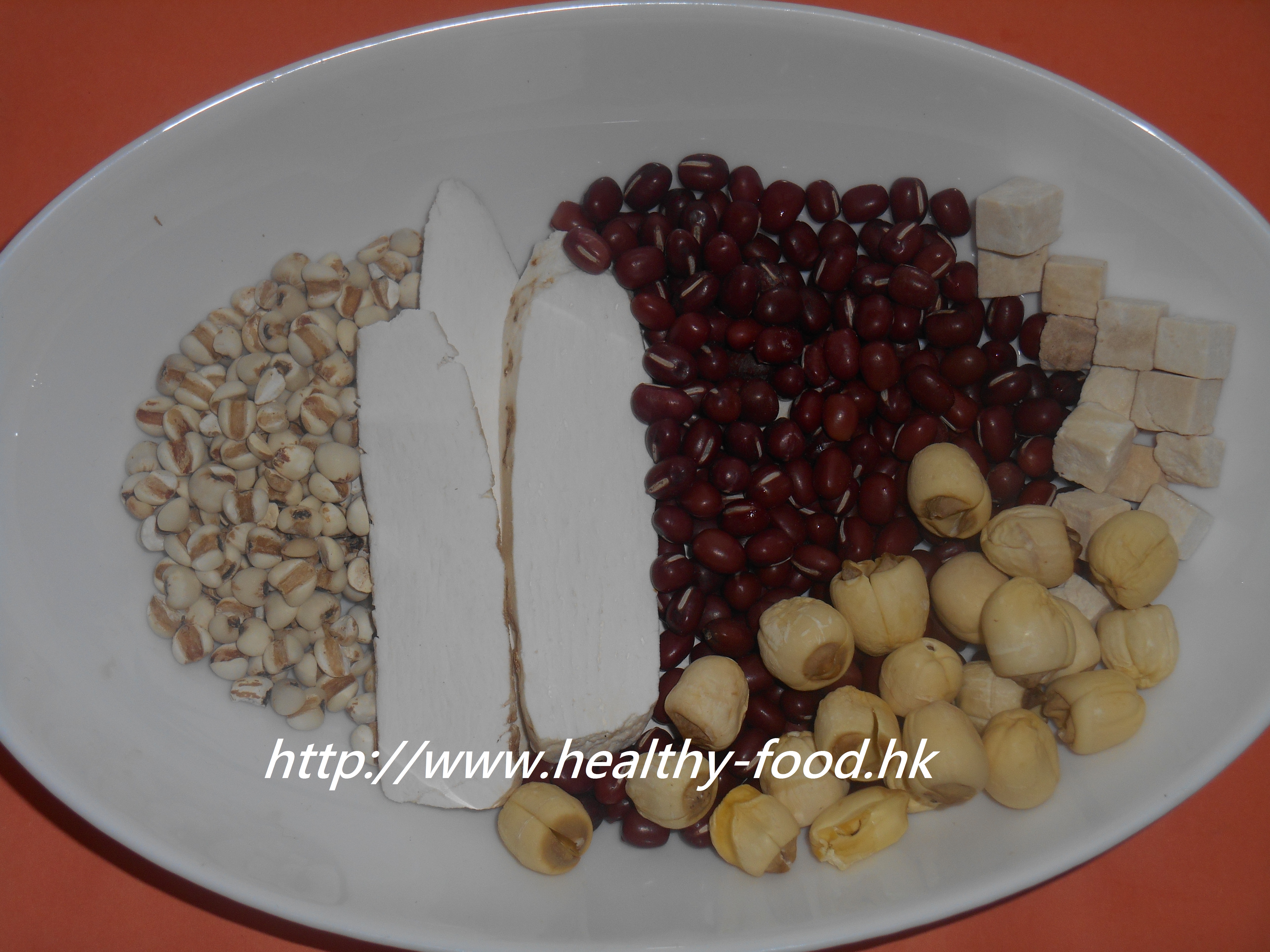
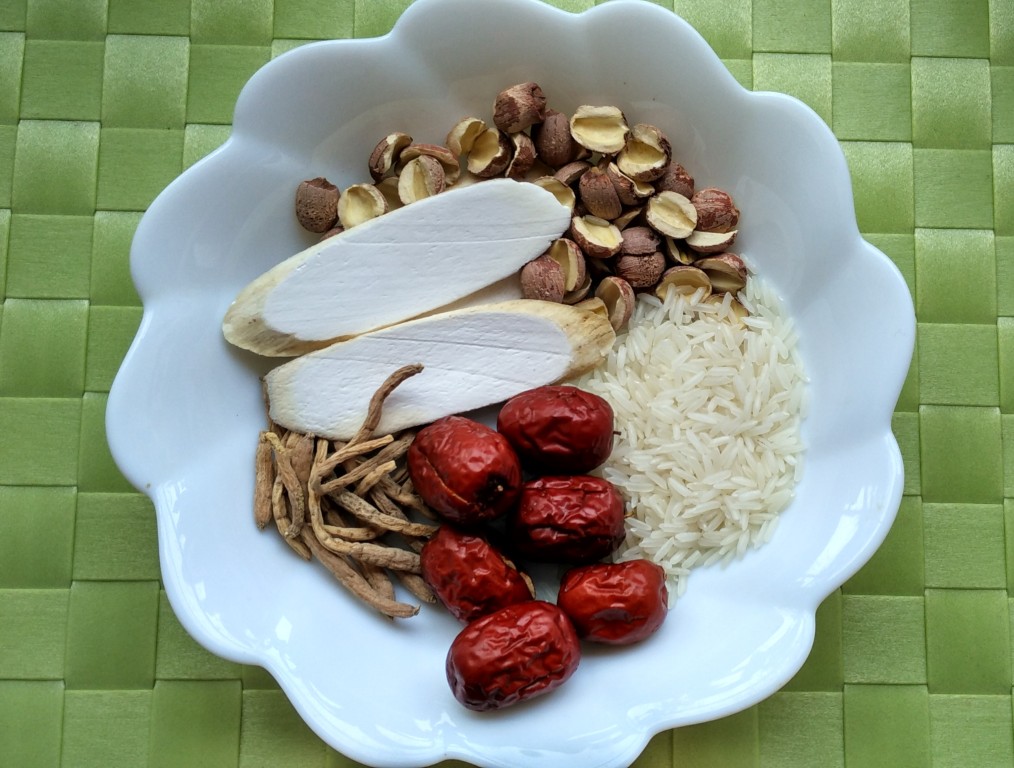
In short: Eight-Treasure Beauty and Blemish-Reducing Congee (Ba Bao Mei Yan Qu Ban Zhou) is a congee & porridge that traditionally associated with strengthening the spleen, clearing dampness, and supporting an even complexion and reduction of pigmentation spots. It is most often made for digestive wellness, cooling & summer heat, skin & natural beauty. Total time about 105 min. Key ingredients: chinese yam, job's tears (coix), lotus seeds, poria.
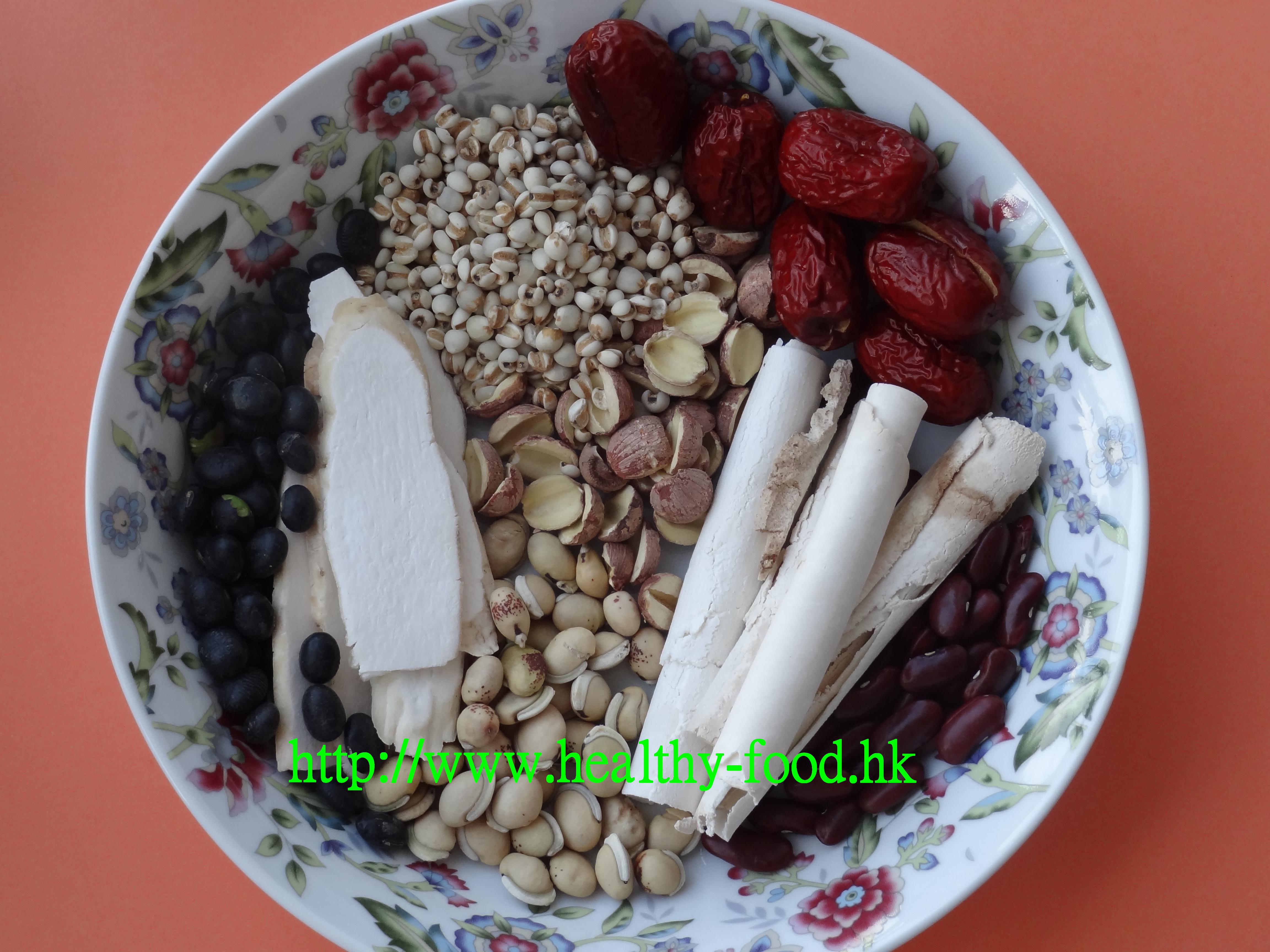
Why people make this congee
Melasma — the brownish, butterfly-shaped patches that appear on the cheeks and forehead — is a surprisingly common concern, especially for women during and after pregnancy, those taking hormonal contraceptives, or those experiencing hormonal fluctuations. In Western medicine it is understood as a pigmentation disorder; in traditional Chinese food therapy, patterns like these are often linked to liver qi stagnation and spleen weakness, leading to an accumulation of internal dampness and heat that manifests on the skin. This congee does not target the spots directly in a pharmaceutical sense. Rather, it works from the inside out: a blend of eight classic spleen-supporting, dampness-clearing ingredients that are traditionally associated with supporting the body conditions from which a clearer, more radiant complexion can emerge. It is gentle, entirely food-based, and tasty enough to eat regularly. Healthy people can enjoy it too as a nourishing everyday food.
What studies say about the key ingredients
Traditional use is not the same as clinical proof. Here is the strongest human research we found for each ingredient, limitations included.
- Job's tears (coix)
Myeloperoxidase activity rose significantly in the placebo group after 8 weeks but showed no significant change in the adlay tea group. Vascular endothelial function improved in the adlay group, especially in those over 40.Limitation: Participants were healthy adults and the outcomes were surrogate markers, so the results say little about clinical disease outcomes. Tea is a polyphenol-rich extract, not whole grain.PubMed 38945894 · 2 more job's tears (coix) studies - Lotus seeds
Lotus seed meals had a low glycemic index (GI 21–51 across the lotus seed and adzuki bean meals), while several other starchy foods did not differ significantly from rice. Lotus seed's in vitro hydrolysis index was also lower than that of other test foods.Limitation: Only ten healthy participants and acute single-meal tests, so findings may not apply to people with diabetes or to long-term intake.PubMed 30875961 - Black soybeans
Systolic blood pressure fell more in the black soy peptide group (-9.69 mm Hg) than in the placebo group (-2.91 mm Hg) after baseline adjustment. Plasma malondialdehyde decreased and superoxide dismutase activity increased compared with placebo.Limitation: Used an isolated peptide supplement rather than whole black soybeans, and followed participants for only 8 weeks, so the results may not apply to food intake.PubMed 23924691
From the Nourilo Research Library. Findings come from specific doses, extracts and populations and may not apply to a home-cooked recipe.
Safety first — read before you cook
This is a traditional food, not a treatment. Please check with your doctor or pharmacist before making it a regular part of your diet if you:
- are pregnant or breastfeeding, or are cooking for a young child;
- take regular medicines — especially blood thinners, blood-pressure, diabetes or immune-suppressing drugs;
- have a kidney, liver or heart condition, or a known food allergy.
Stop eating it and seek advice if you notice an allergic reaction or feel unwell. Safety notes reviewed 8 October 2026 · How we write safety notes
Members only
Unlock the full method & Nourilo's tips
One payment, lifetime access to every one of our 2,344 recipes — step-by-step methods, preparation tips and serving notes.
- Full step-by-step method for this and all 2,344 recipes
- Nourilo's Tips — sourcing, substitutions and serving notes
- One-time payment · card, Apple Pay or Google Pay · no subscription, no renewals
Checking your access…
$59.99 one-time · all recipes
Sign in or create a free account, then pay once by card, Apple Pay or Google Pay.
Continue with GoogleBy continuing with Google or email you confirm you are 16 or older and agree to our Terms of Use and Privacy Policy.
$59.99 one-time · all recipes
Signed in as ·
Secure checkout by Stripe. One-time payment, no renewals. Access is linked to your Nourilo account and never expires. By paying you agree to our Terms of Use; you can get a full refund within 14 days (refund policy).

Comments
Join the conversation — sign in or create a free account to comment.
Continue with GoogleBy continuing with Google or email you confirm you are 16 or older and agree to our Terms of Use and Privacy Policy.
Loading comments…