Soups
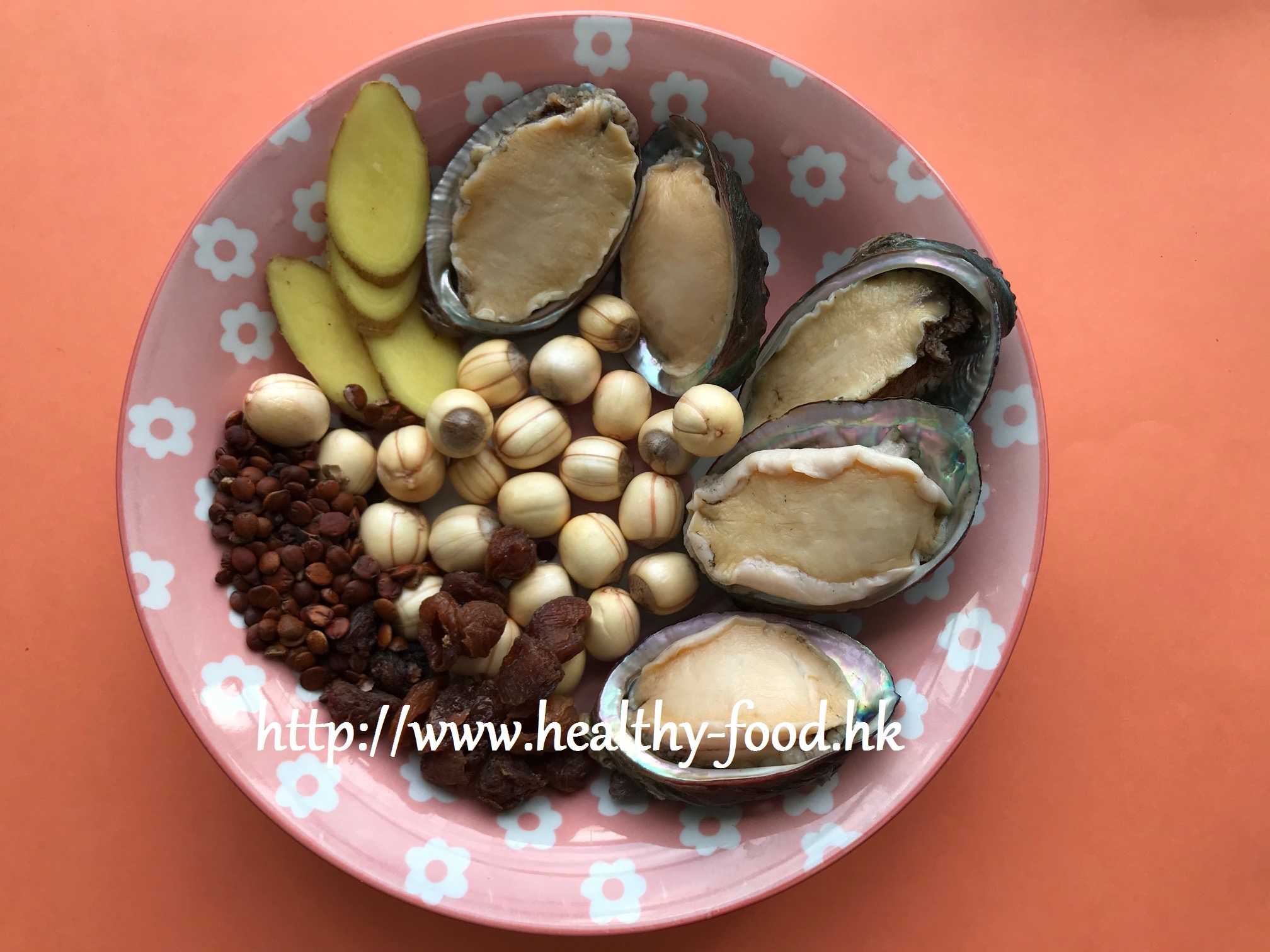
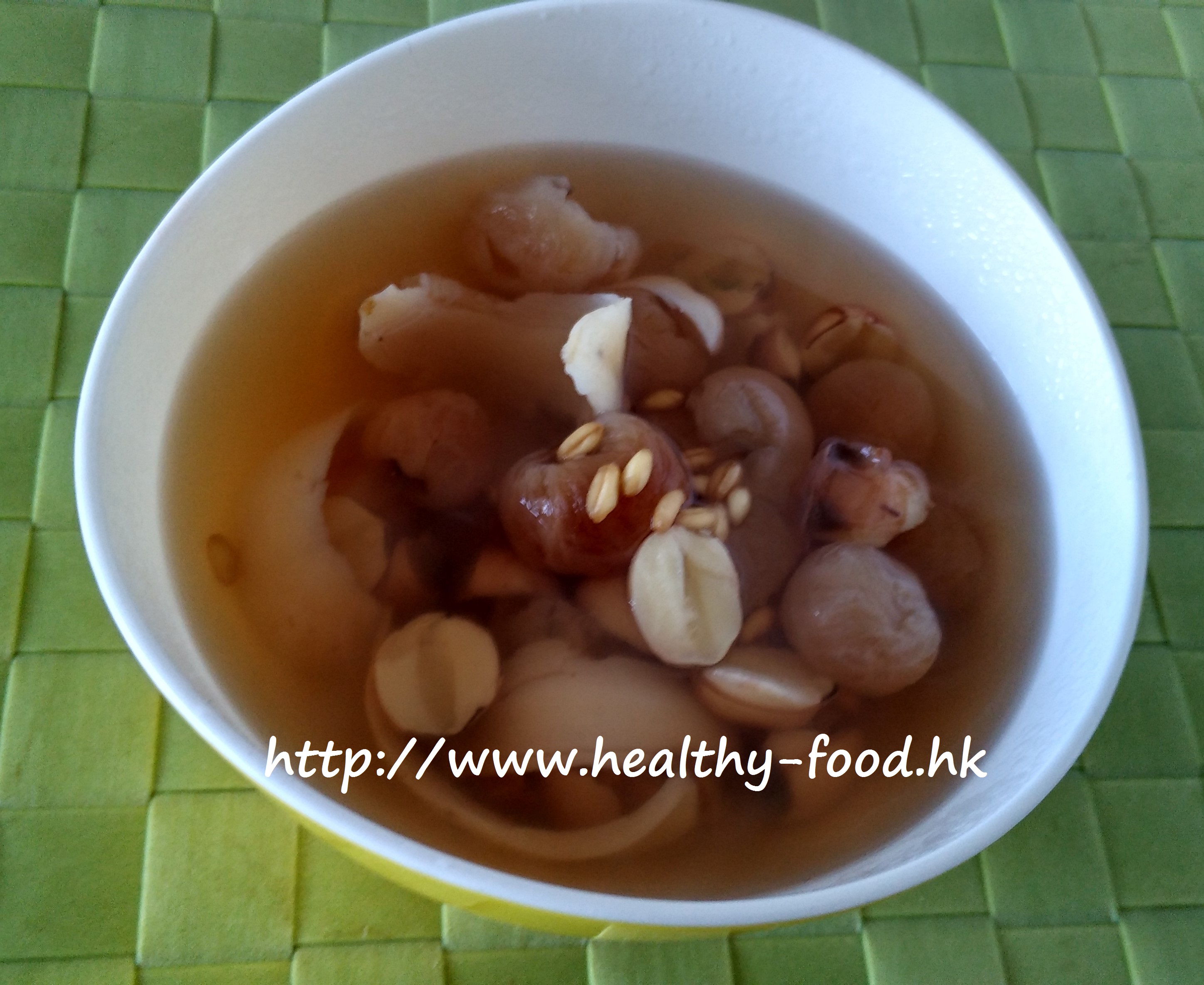
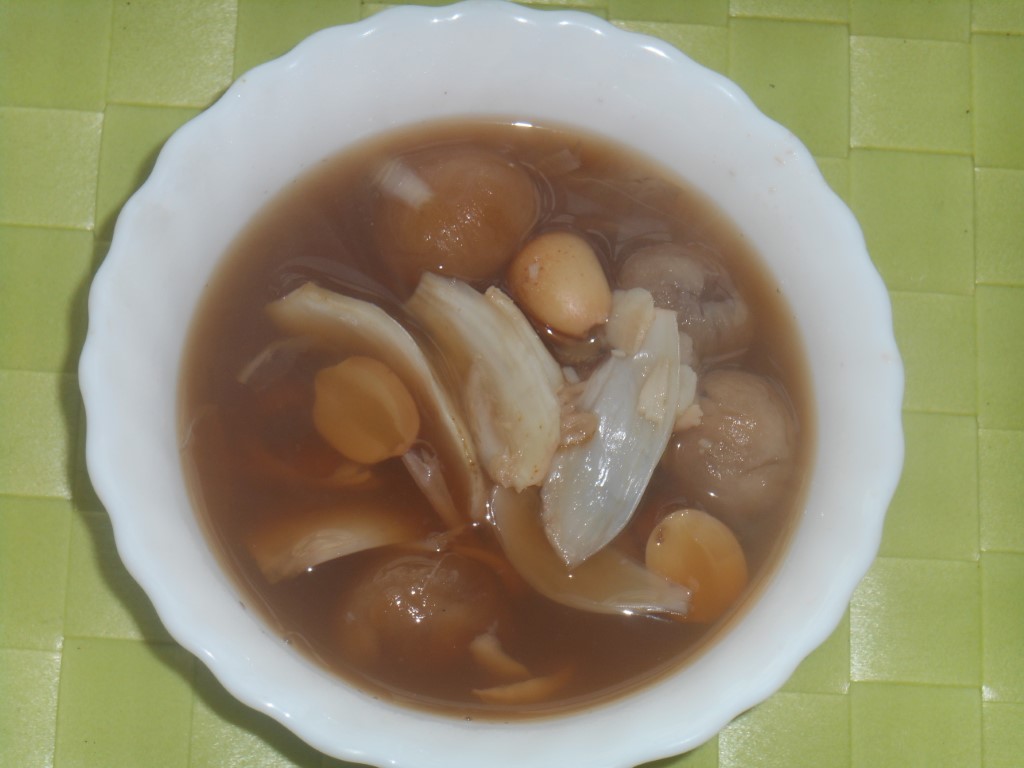
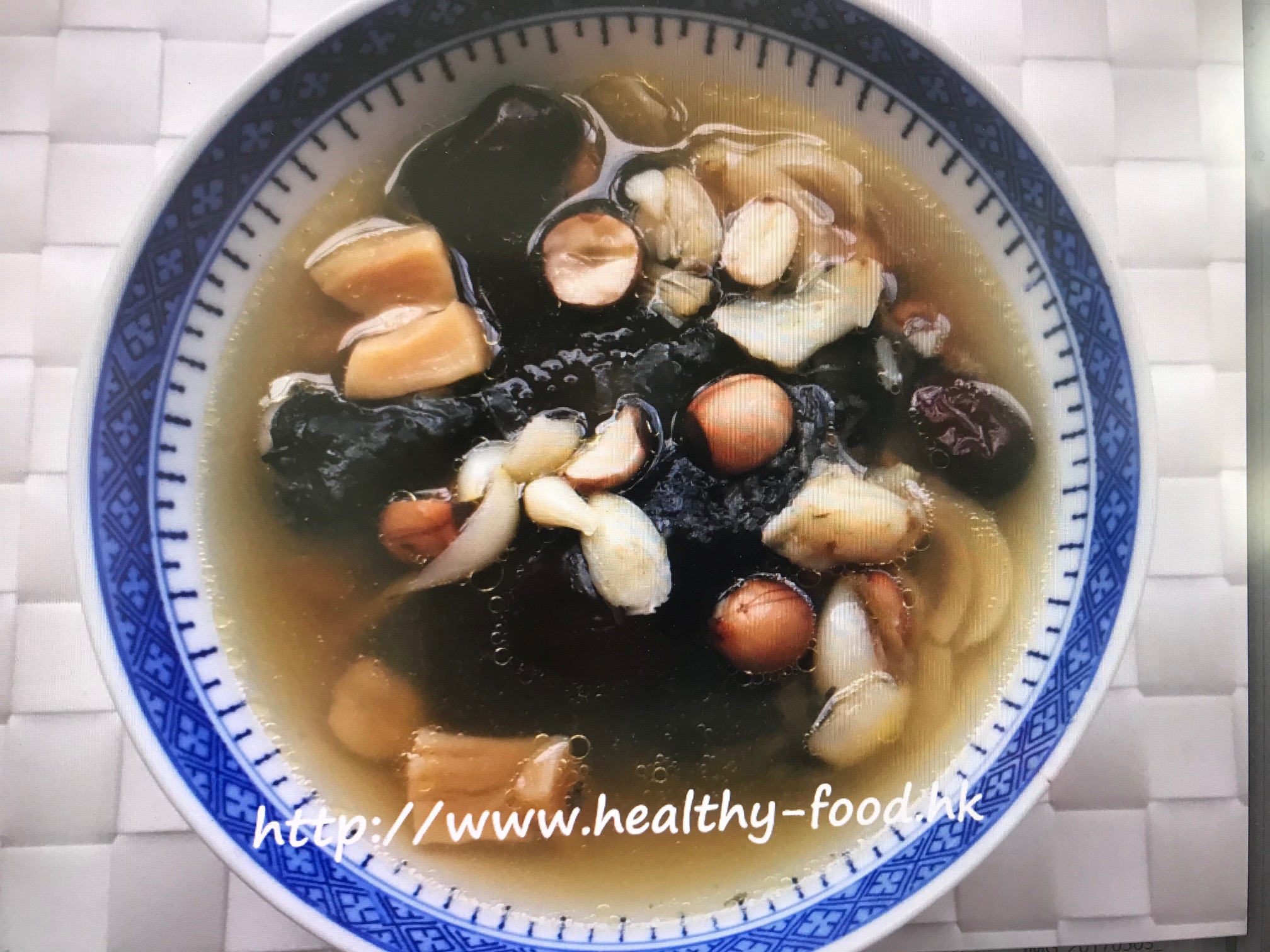
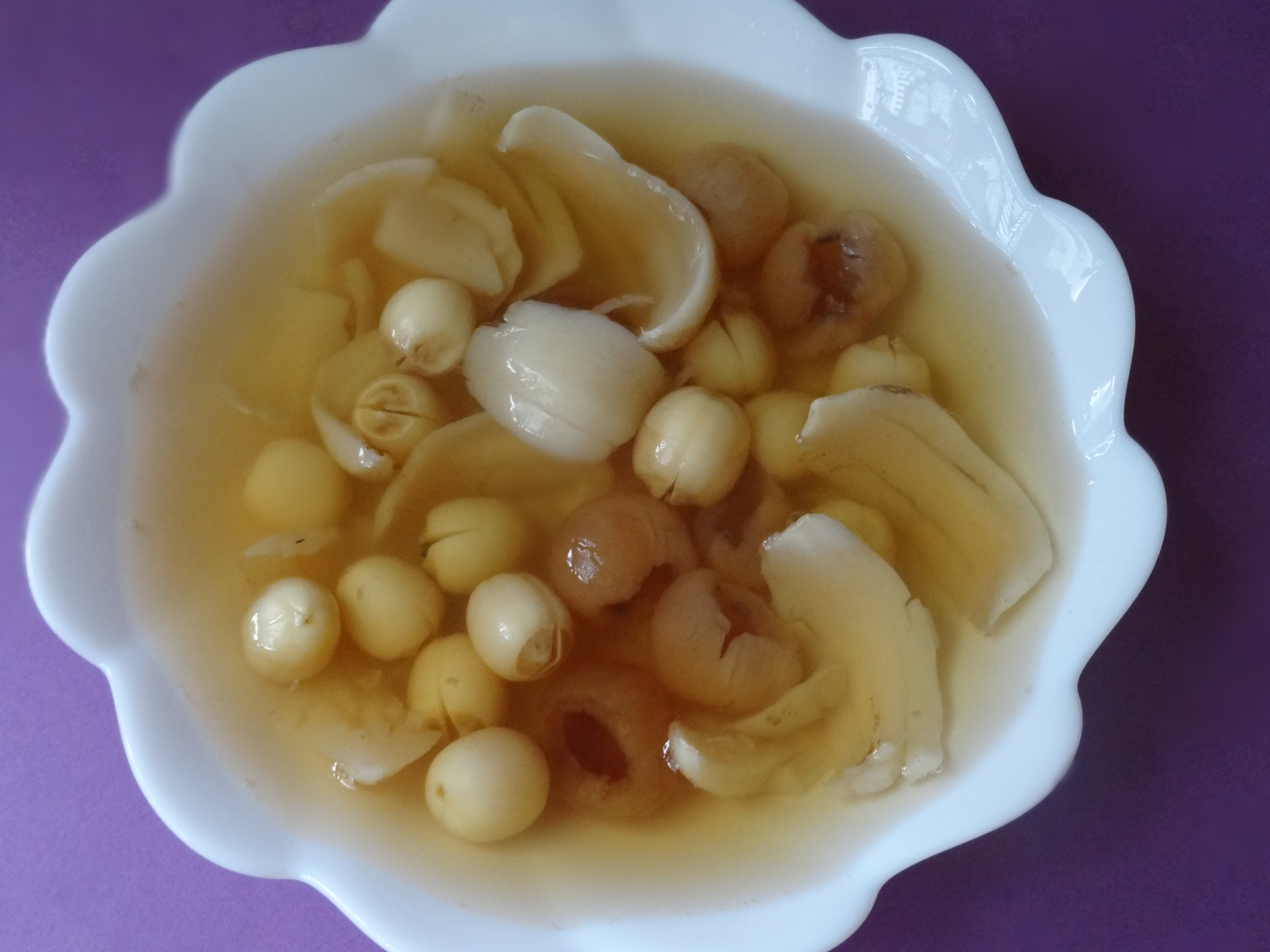
Longan, Lotus Seed, Sour Jujube Seed, and Fresh Baby Abalone Soup
Traditionally used to nourish the heart and calm the mind, supporting emotional wellbeing and sleep
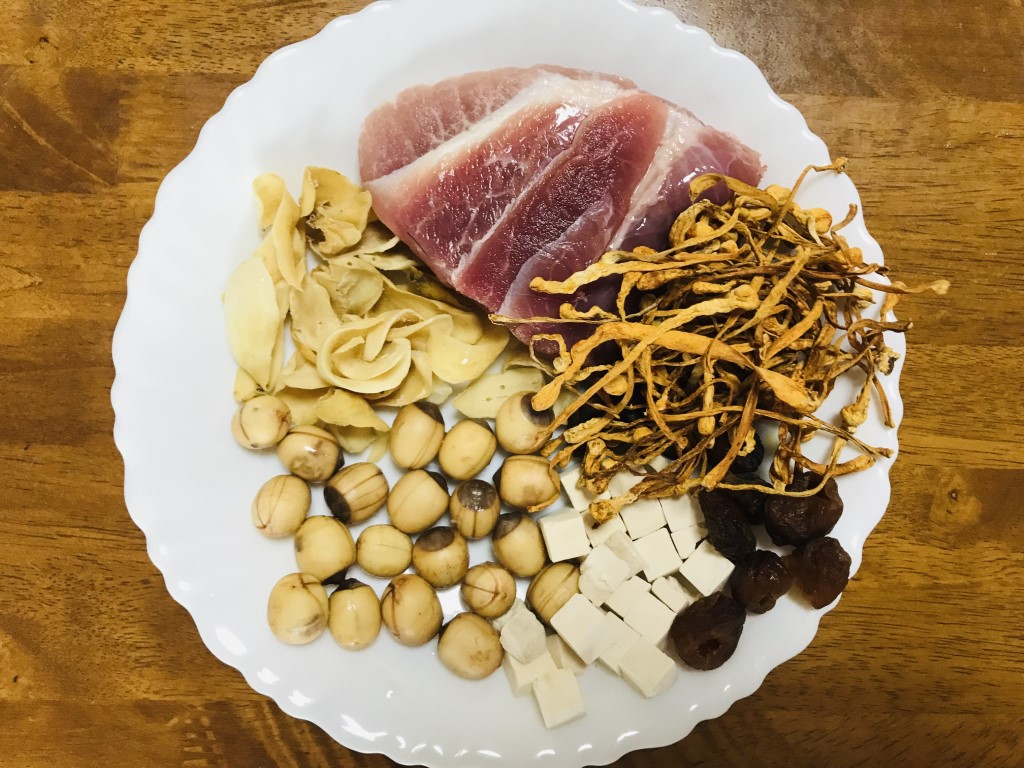
In short: Longan, Lotus Seed, Sour Jujube Seed, and Fresh Baby Abalone Soup is a soup that Traditionally used to nourish the heart and calm the mind, supporting emotional wellbeing and sleep. It is most often made for heart & circulation, sleep & calm, everyday balance. Total time about 110 min. Key ingredients: longan flesh, lotus seeds, sour jujube seed, ginger.
Why people make this soup
City living brings enormous pressures. When stress becomes chronic and the mind feels perpetually unsettled, it is common in Chinese food therapy to look for ways to nourish the heart and calm the spirit from within. Traditional Chinese medicine recognises a pattern called heart-spleen deficiency, in which prolonged worry, overthinking, or emotional strain depletes both the heart (which governs the spirit and sleep) and the spleen (which governs digestion and blood production). The result is a cluster of familiar modern complaints: persistent low mood, difficulty concentrating, anxious thoughts, poor sleep, forgetfulness, pallor, and fatigue. This soup was designed for exactly that pattern. Longan flesh, lotus seeds, and sour jujube seed are three of the most respected ingredients in Chinese food therapy for calming the mind and supporting restful sleep; the baby abalone adds delicate nourishment. Together the soup is pleasant to eat, and many families make it regularly as a stress-period tonic.
Method
- Remove the green embryo from each fresh lotus seed; rinse the lotus seeds clean.
- Rinse and briefly soak the sour jujube seed; set aside.
- Clean the baby abalone thoroughly, removing any viscera; blanch briefly in boiling water and drain.
- Place all ingredients except the abalone into a pot with 2.1 L of water.
- Bring to a boil, then reduce to a gentle simmer.
- After 1 hour, add the abalone to the pot.
- Continue simmering for another 30 minutes until liquid reduces to 1.2 L.
- Serve the soup and eat the solid ingredients together.
Nourilo’s Tips
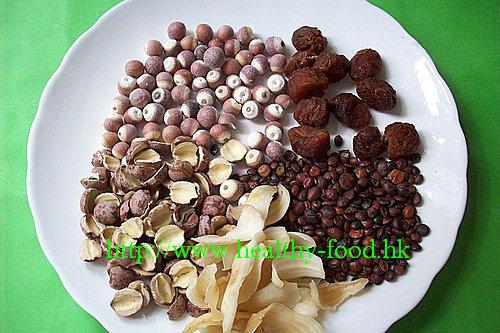
Longan flesh is a wonderful ingredient for nourishing the blood and calming the spirit, and it makes this soup naturally sweet. However, if you or the person you are making it for is pregnant or diabetic, swap the longan for 38 g of dried lily bulb (bai he) — it is a good substitute that also calms the mind without the warming, sweet properties of longan. This soup is best eaten regularly over a period of time rather than as a one-off — emotional and nervous exhaustion takes time to recover from, and consistent nourishment helps.
What studies say about the key ingredients
Traditional use is not the same as clinical proof. Here is the strongest human research we found for each ingredient, limitations included.
- Lotus seeds
Lotus seed meals had a low glycemic index (GI 21–51 across the lotus seed and adzuki bean meals), while several other starchy foods did not differ significantly from rice. Lotus seed's in vitro hydrolysis index was also lower than that of other test foods.Limitation: Only ten healthy participants and acute single-meal tests, so findings may not apply to people with diabetes or to long-term intake.PubMed 30875961 - Red dates
Jujube was associated with significantly lower BMI and triglycerides, and lower fasting blood sugar in people with type 2 diabetes. LDL and total cholesterol fell only in some subgroups. HDL, AST and ALT did not change significantly.Limitation: The authors state the overall quality of the evidence is limited, and results varied significantly by dose, treatment duration and disease type.PubMed 40399274 · 3 more red dates studies - Ginger
Overall, acute and delayed nausea and vomiting did not differ significantly between ginger and control groups. A subgroup taking 1 g/day or less for over four days had less acute vomiting (OR 0.30).Limitation: Clinical heterogeneity between trials required subgroup analyses, and the authors state that sufficiently large, high-quality RCTs are still needed.PubMed 36501010 · 3 more ginger studies
From the Nourilo Research Library. Findings come from specific doses, extracts and populations and may not apply to a home-cooked recipe.
Safety first — read before you cook
This is a traditional food, not a treatment. Please check with your doctor or pharmacist before making it a regular part of your diet if you:
- are pregnant or breastfeeding, or are cooking for a young child;
- take regular medicines — especially blood thinners, blood-pressure, diabetes or immune-suppressing drugs;
- have a kidney, liver or heart condition, or a known food allergy.
Stop eating it and seek advice if you notice an allergic reaction or feel unwell. Safety notes reviewed 8 October 2026 · How we write safety notes
Comments
Join the conversation — sign in or create a free account to comment.
Continue with GoogleBy continuing with Google or email you confirm you are 16 or older and agree to our Terms of Use and Privacy Policy.
Loading comments…