Herbal & Flower Teas
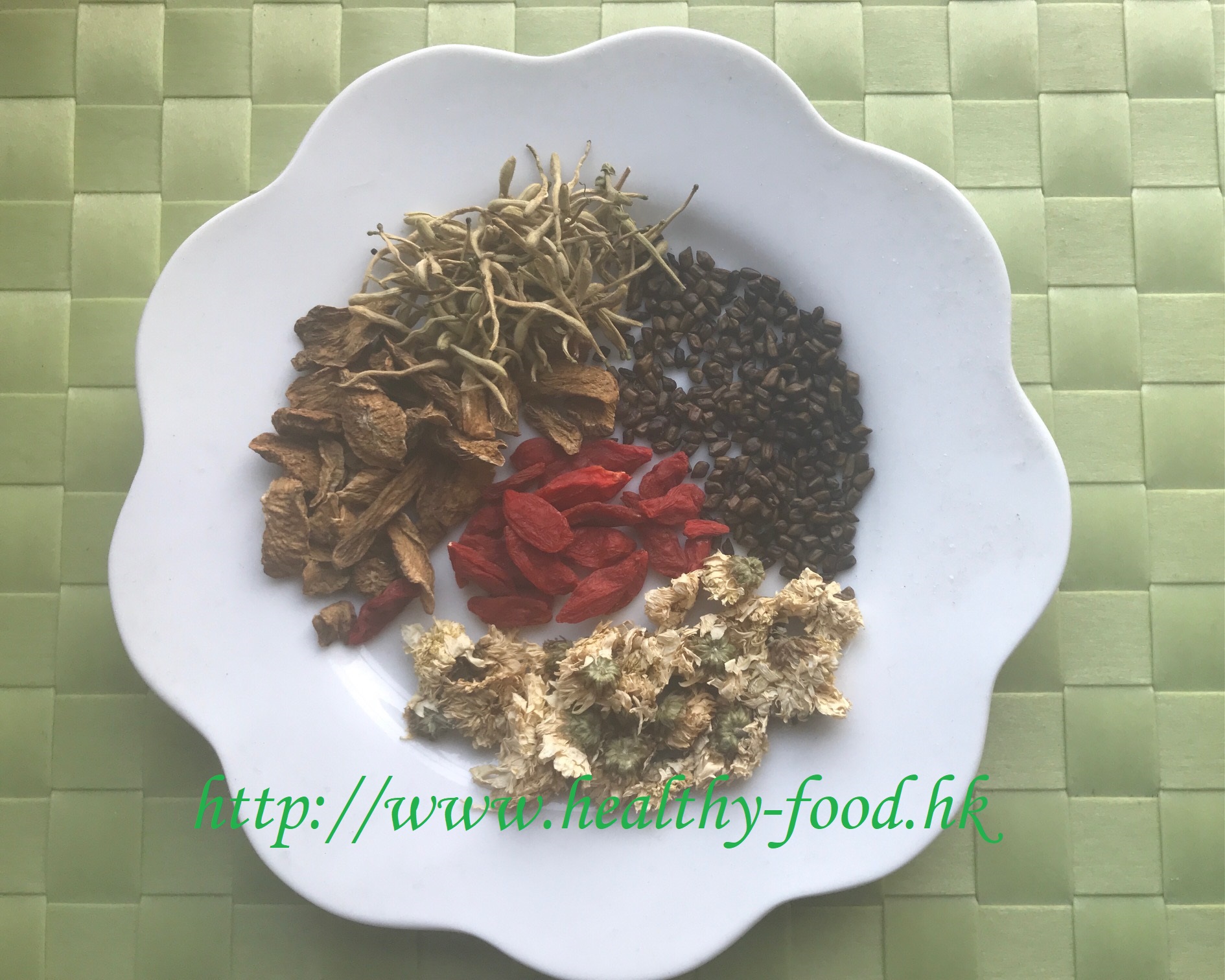
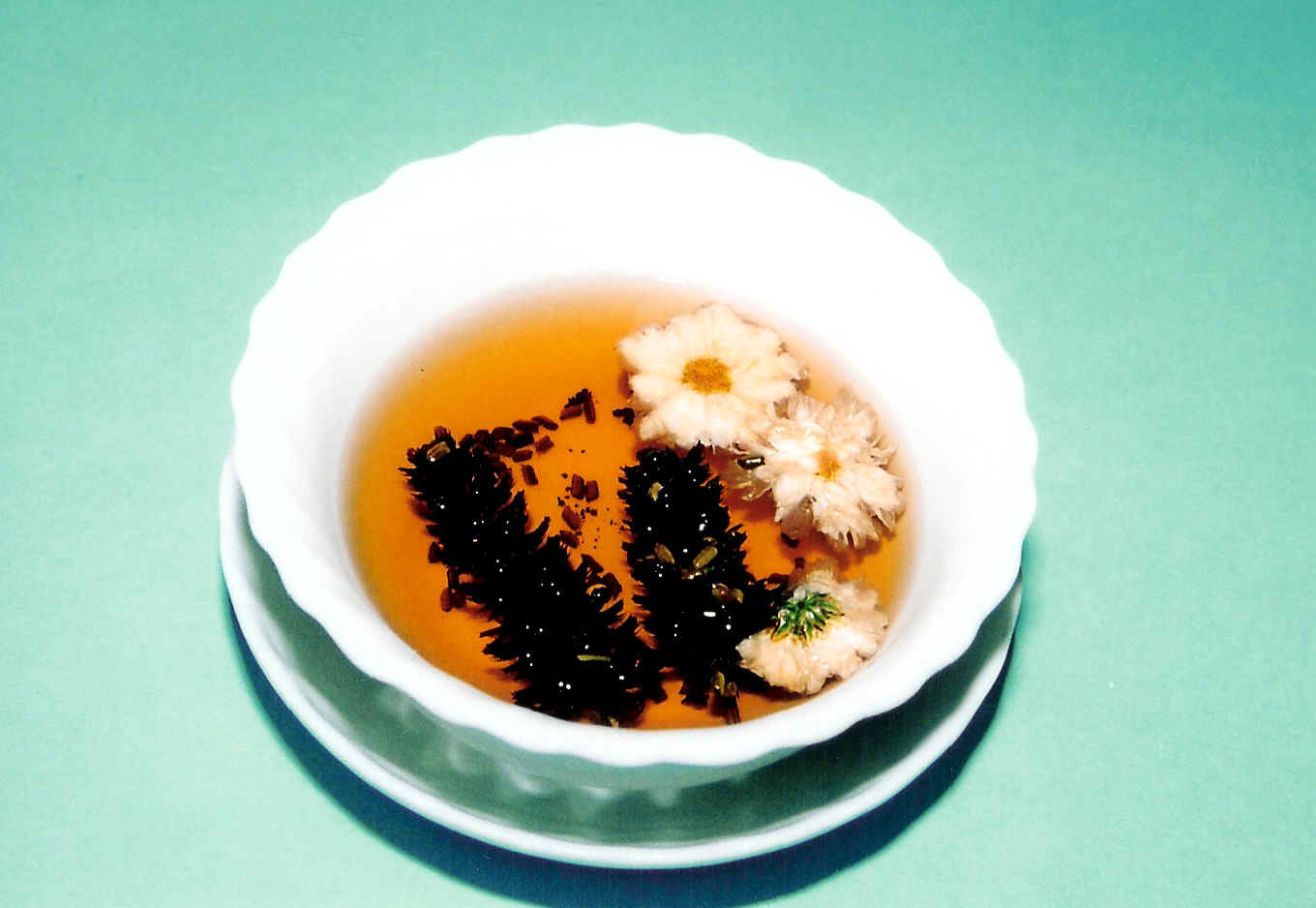
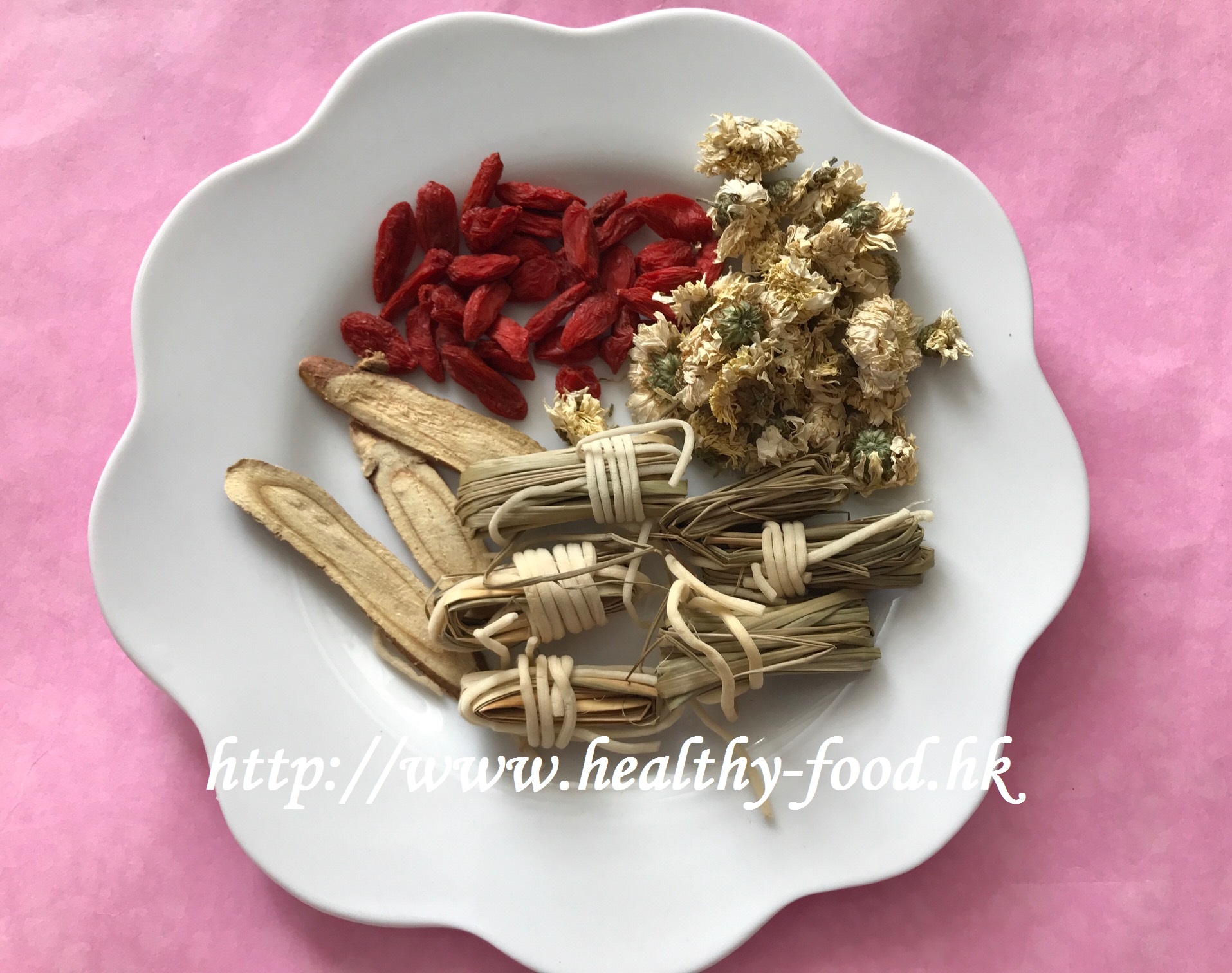
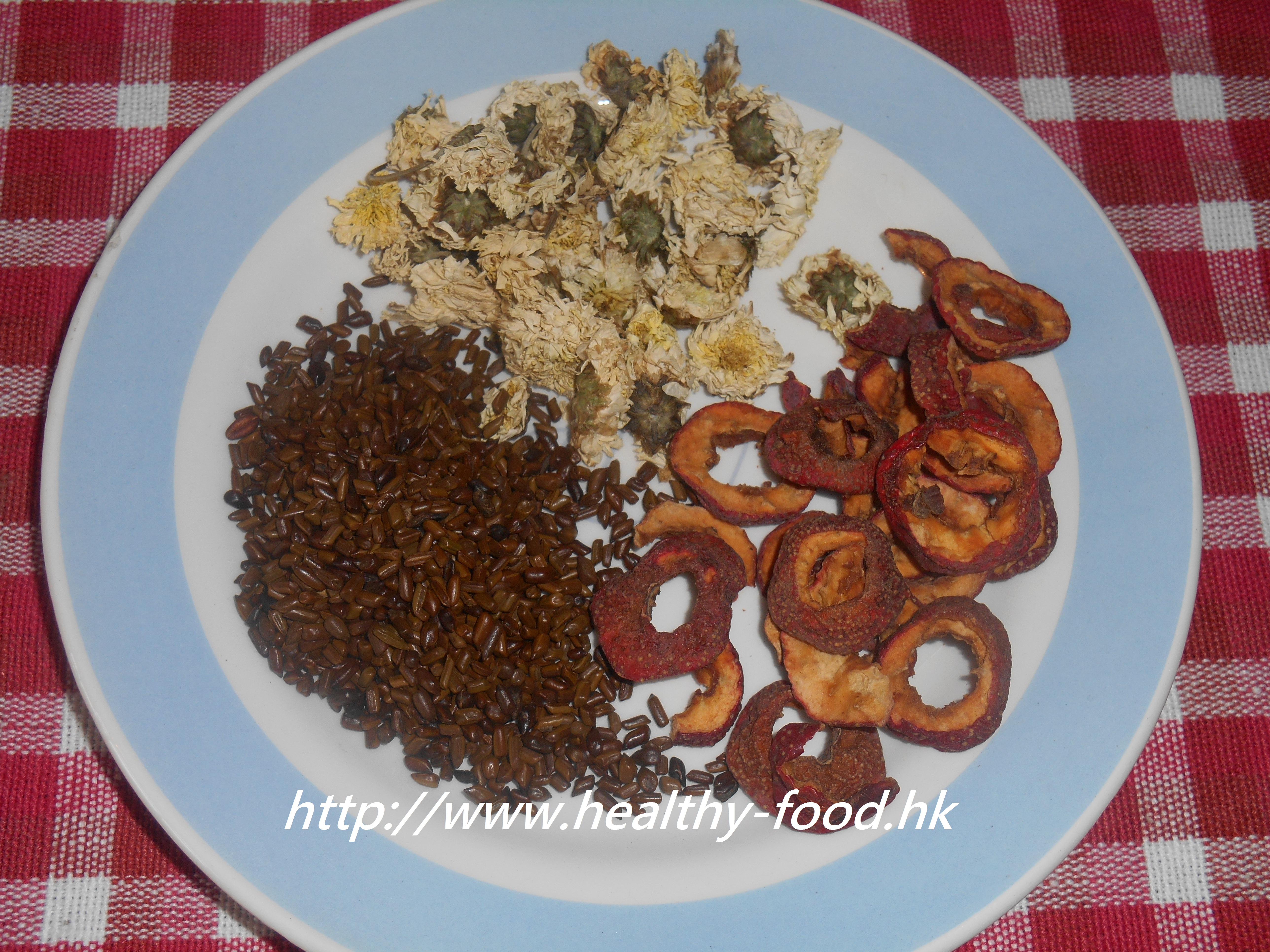
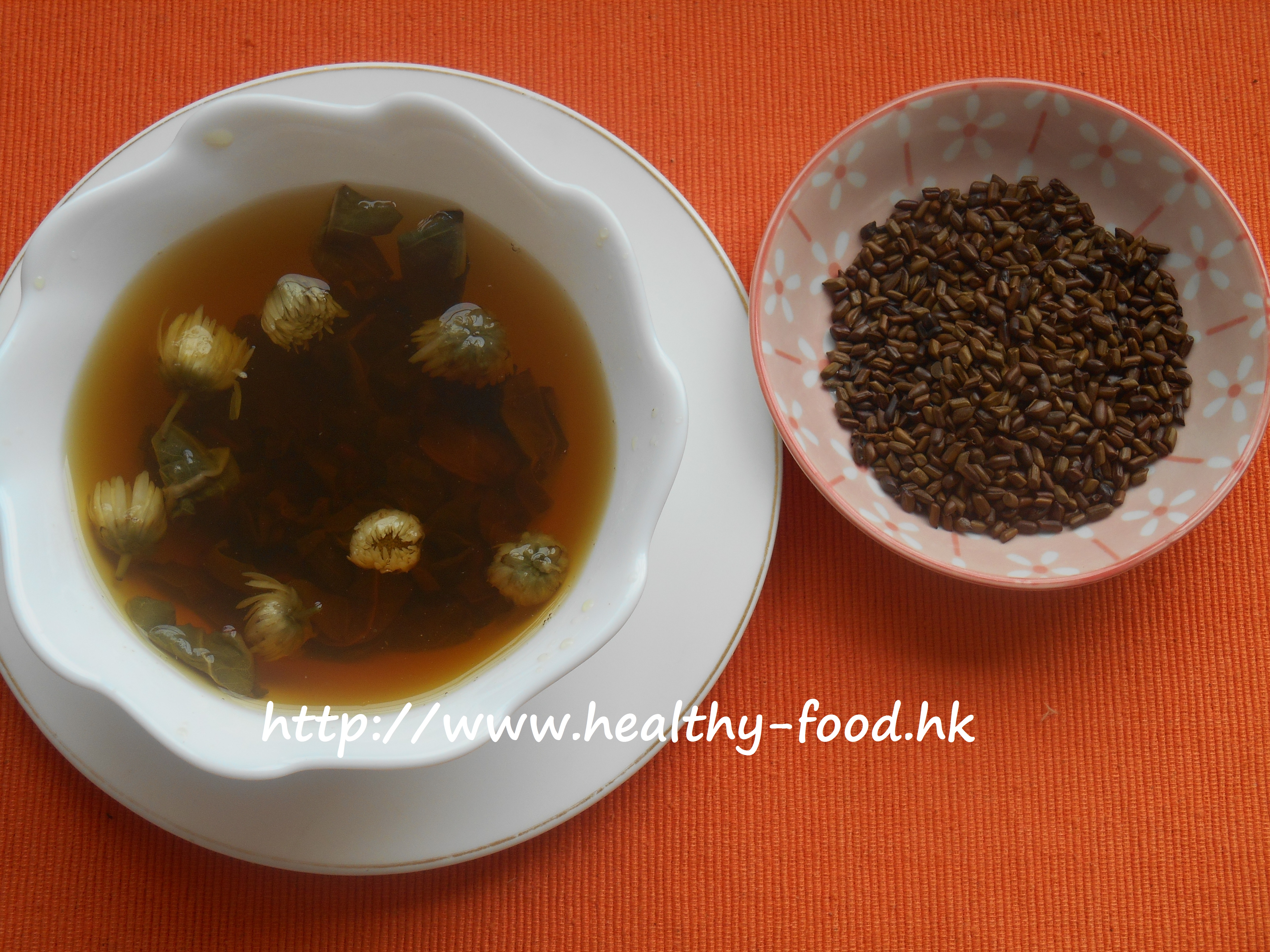
Burdock Cassia Honeysuckle Goji Chrysanthemum Tea
Traditionally supports liver function, brightens the eyes, and promotes bowel regularity
In short: Burdock Cassia Honeysuckle Goji Chrysanthemum Tea is a herbal & flower tea that Traditionally supports liver function, brightens the eyes, and promotes bowel regularity. It is most often made for cleansing & regularity, liver wellness, eye wellness. Total time about 20 min. Key ingredients: burdock root, cassia seeds, honeysuckle flowers, chrysanthemum.
Why people make this tea
Spring, in traditional Chinese wellness thinking, is the season associated with the liver. Late nights, overwork, and too much fried or spicy food are believed to generate “liver heat” — a pattern that can show up as bad breath, a bitter taste in the mouth, red or itchy eyes, short-temperedness, difficulty sleeping, and constipation. Nourilo recommends this five-ingredient tea as a gentle seasonal habit for spring — clearing accumulated heat, supporting the liver, and giving the eyes a rest.
The flavour is refreshing: slightly bitter from the cassia seeds, floral from the chrysanthemum and honeysuckle, earthy from the burdock, and sweet from the goji berries. It can be brewed as a pot of tea or packed into individual reusable tea bags for convenience at work.
What studies say about the key ingredients
Traditional use is not the same as clinical proof. Here is the strongest human research we found for each ingredient, limitations included.
- Burdock root
Compared with placebo, root powder was associated with higher superoxide dismutase and catalase, lower malondialdehyde and C-reactive protein, and smaller ovarian volumes. Hirsutism and menstrual frequency results are not reported in the abstract.Limitation: Small single-centre trial of 60 women, recruited by convenience sampling. The 460 mg/day dose is much smaller than typical food intake.PubMed 41757842 · 2 more burdock root studies - Chrysanthemum
Compared with the high-fat meal alone, the extract group had lower postprandial glucose at 1 hour and higher antioxidant markers (T-AOC, SOD, GSH), with lower MDA. Incremental area under the curve did not differ significantly between groups.Limitation: Small sample of healthy young adults given a single high-fat meal, so longer-term effects and effects in people with metabolic conditions are unknown.PubMed 36677639 · 1 more chrysanthemum study - Goji berries
Compared with placebo (n=80), the goji juice group (n=81) reported greater improvements in several self-rated symptoms, including stress, mental acuity, sleep quality and overall well-being, under a random effects model.Limitation: Outcomes were self-reported symptom questionnaires, and several symptoms showed significant heterogeneity across the four pooled trials of a single branded juice.PubMed 22897500 · 3 more goji berries studies
From the Nourilo Research Library. Findings come from specific doses, extracts and populations and may not apply to a home-cooked recipe.
Safety first — read before you cook
This is a traditional food, not a treatment. Please check with your doctor or pharmacist before making it a regular part of your diet if you:
- are pregnant or breastfeeding, or are cooking for a young child;
- take regular medicines — especially blood thinners, blood-pressure, diabetes or immune-suppressing drugs;
- have a kidney, liver or heart condition, or a known food allergy.
Ingredient notes for this recipe
- Goji berries: A few cases of raised INR (a bleeding-risk marker) have been reported in people taking warfarin after drinking concentrated goji tea or wine. If you take a blood thinner, check with your doctor. Source: Memorial Sloan Kettering — Lycium
Stop eating it and seek advice if you notice an allergic reaction or feel unwell. Safety notes reviewed 8 October 2026 · How we write safety notes
Members only
Unlock the full method & Nourilo's tips
One payment, lifetime access to every one of our 2,344 recipes — step-by-step methods, preparation tips and serving notes.
- Full step-by-step method for this and all 2,344 recipes
- Nourilo's Tips — sourcing, substitutions and serving notes
- One-time payment · card, Apple Pay or Google Pay · no subscription, no renewals
Checking your access…
$59.99 one-time · all recipes
Sign in or create a free account, then pay once by card, Apple Pay or Google Pay.
Continue with GoogleBy continuing with Google or email you confirm you are 16 or older and agree to our Terms of Use and Privacy Policy.
$59.99 one-time · all recipes
Signed in as ·
Secure checkout by Stripe. One-time payment, no renewals. Access is linked to your Nourilo account and never expires. By paying you agree to our Terms of Use; you can get a full refund within 14 days (refund policy).
Comments
Join the conversation — sign in or create a free account to comment.
Continue with GoogleBy continuing with Google or email you confirm you are 16 or older and agree to our Terms of Use and Privacy Policy.
Loading comments…