Soups
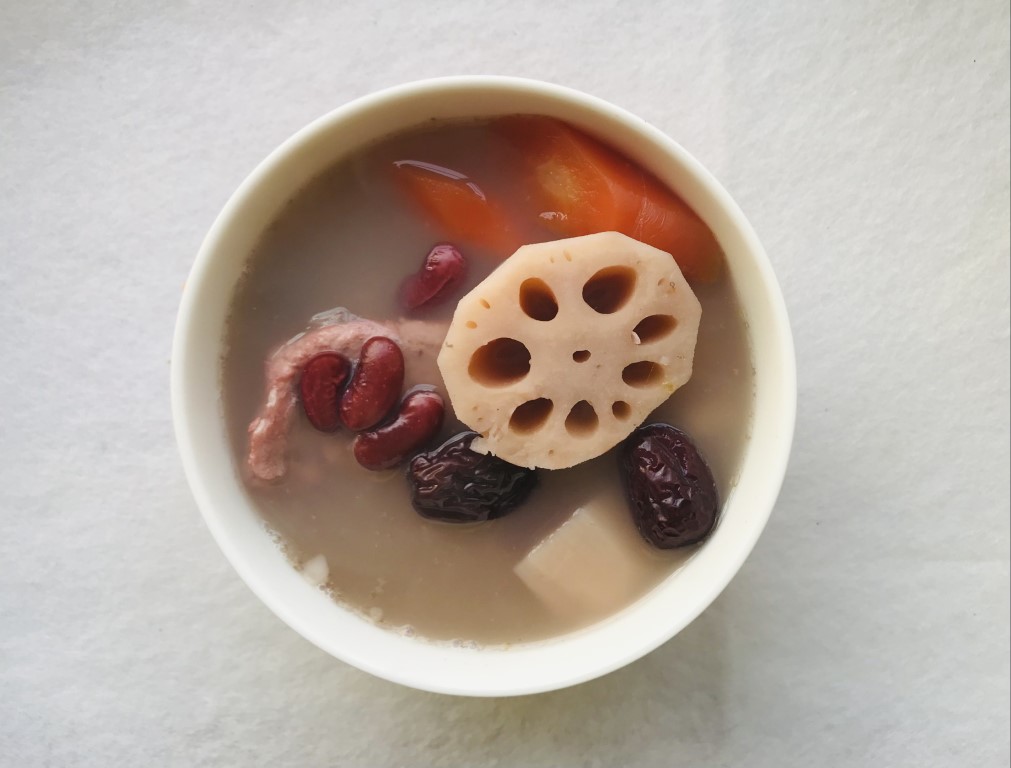
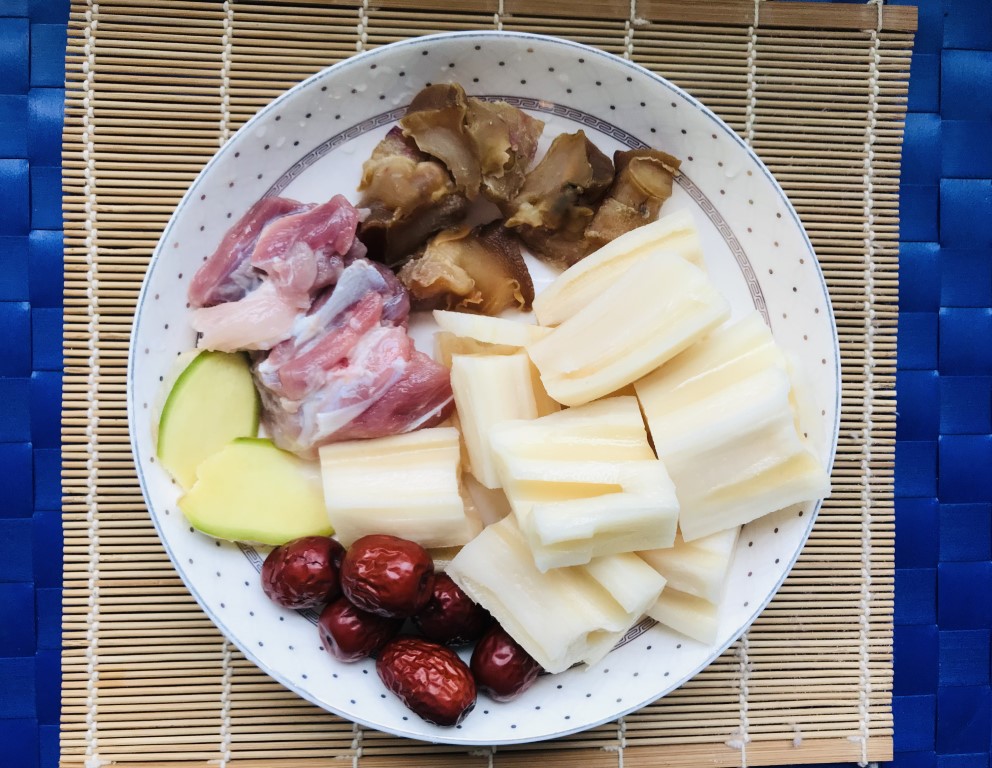
Lotus Root, Carrot, Red Kidney Bean and Pork Soup
Traditionally nourishes blood, brightens the complexion, and supports healthy bowel function
In short: Lotus Root, Carrot, Red Kidney Bean and Pork Soup is a soup that Traditionally nourishes blood, brightens the complexion, and supports healthy bowel function. It is most often made for cleansing & regularity, children's wellness, skin & natural beauty. Total time about 140 min. Key ingredients: lotus root, carrot, red kidney beans, red dates.
Why people make this soup
Nourilo keeps coming back to lotus root and carrot as a pairing because they represent something he truly values about Cantonese food therapy: ingredients that are available all year long, that carry no risk, that suit everyone from pregnant women to the elderly, and that actually taste good. Lotus root transforms completely when cooked — its raw cooling and blood-moving quality gives way to a gently warming, blood-building nourishment. Combined with red kidney beans and a few jujubes, the soup turns a beautiful amber, sweet and comforting, and it does the kind of quiet internal work that shows up over time in clearer skin and better energy. Long-term drinkers often find it supports healthy bowel movement and cholesterol levels as a bonus.
Method
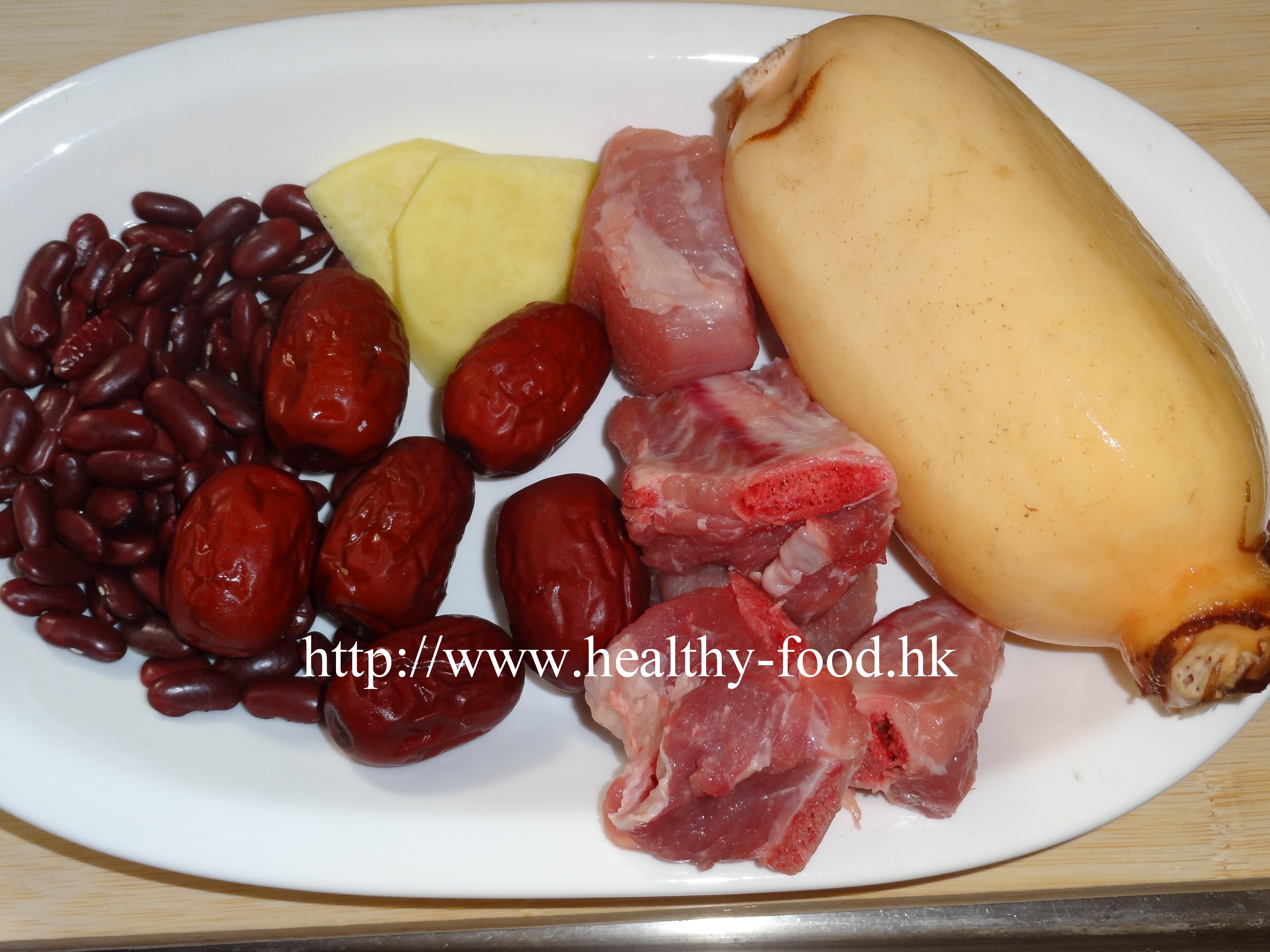
- Peel the lotus root and carrot; cut both into chunky pieces.
- Rinse the kidney beans and soak in cold water for a few hours (or overnight); drain.
- Pit the red dates.
- Cut the pork into pieces and blanch in boiling water for 1–2 minutes; drain and rinse.
- Place all ingredients in a pot (clay or ceramic preferred) with 2.4–2.7 L of water.
- Bring to a boil, then reduce to low heat and simmer for 2 hours until the soup is rich and reduced to 1.2–1.5 L.
- Serve the soup and eat the ingredients together.
Nourilo’s Tips
Traditionally, lotus root should be cooked in a clay or ceramic pot rather than a metal one, as the tannins in lotus root may react with iron or stainless steel and make the soup slightly grey or murky. In practice, Nourilo has tested it with a metal pot and found only a slight colour change with no meaningful effect on flavour — but if you have a clay pot, it is worth using. This soup is also naturally good for easing constipation and supporting healthy cholesterol levels with regular use.
What studies say about the key ingredients
Traditional use is not the same as clinical proof. Here is the strongest human research we found for each ingredient, limitations included.
- Red dates
Jujube was associated with significantly lower BMI and triglycerides, and lower fasting blood sugar in people with type 2 diabetes. LDL and total cholesterol fell only in some subgroups. HDL, AST and ALT did not change significantly.Limitation: The authors state the overall quality of the evidence is limited, and results varied significantly by dose, treatment duration and disease type.PubMed 40399274 · 3 more red dates studies
From the Nourilo Research Library. Findings come from specific doses, extracts and populations and may not apply to a home-cooked recipe.
Safety first — read before you cook
This is a traditional food, not a treatment. Please check with your doctor or pharmacist before making it a regular part of your diet if you:
- are pregnant or breastfeeding, or are cooking for a young child;
- take regular medicines — especially blood thinners, blood-pressure, diabetes or immune-suppressing drugs;
- have a kidney, liver or heart condition, or a known food allergy.
Stop eating it and seek advice if you notice an allergic reaction or feel unwell. Safety notes reviewed 8 October 2026 · How we write safety notes
Comments
Join the conversation — sign in or create a free account to comment.
Continue with GoogleBy continuing with Google or email you confirm you are 16 or older and agree to our Terms of Use and Privacy Policy.
Loading comments…