Soups
Beetroot, Onion, Tomato & Potato Soup with Pork
Traditionally used to nourish blood, support healthy blood pressure and blood sugar balance
In short: Beetroot, Onion, Tomato & Potato Soup with Pork is a soup that Traditionally used to nourish blood, support healthy blood pressure and blood sugar balance. It is most often made for blood sugar balance, heart & circulation, blood nourishment. Total time about 2 hr 15 min. Key ingredients: beetroot, onion, tomato, potato.

Why people make this soup
Beetroot pairs naturally with tomato, potato, and onion to create a naturally sweet, richly colored broth that is as satisfying as it looks. The combination of vibrant vegetables with Cantonese slow-cooking technique produces something between a traditional slow-cooked soup and a light Borscht — equally good served as a warming family meal or a nourishing weeknight staple. Juicing or eating beetroot raw is the most nutrient-preserving approach, but for a cool day, a long-simmered pot makes a deeply comforting choice.
Method
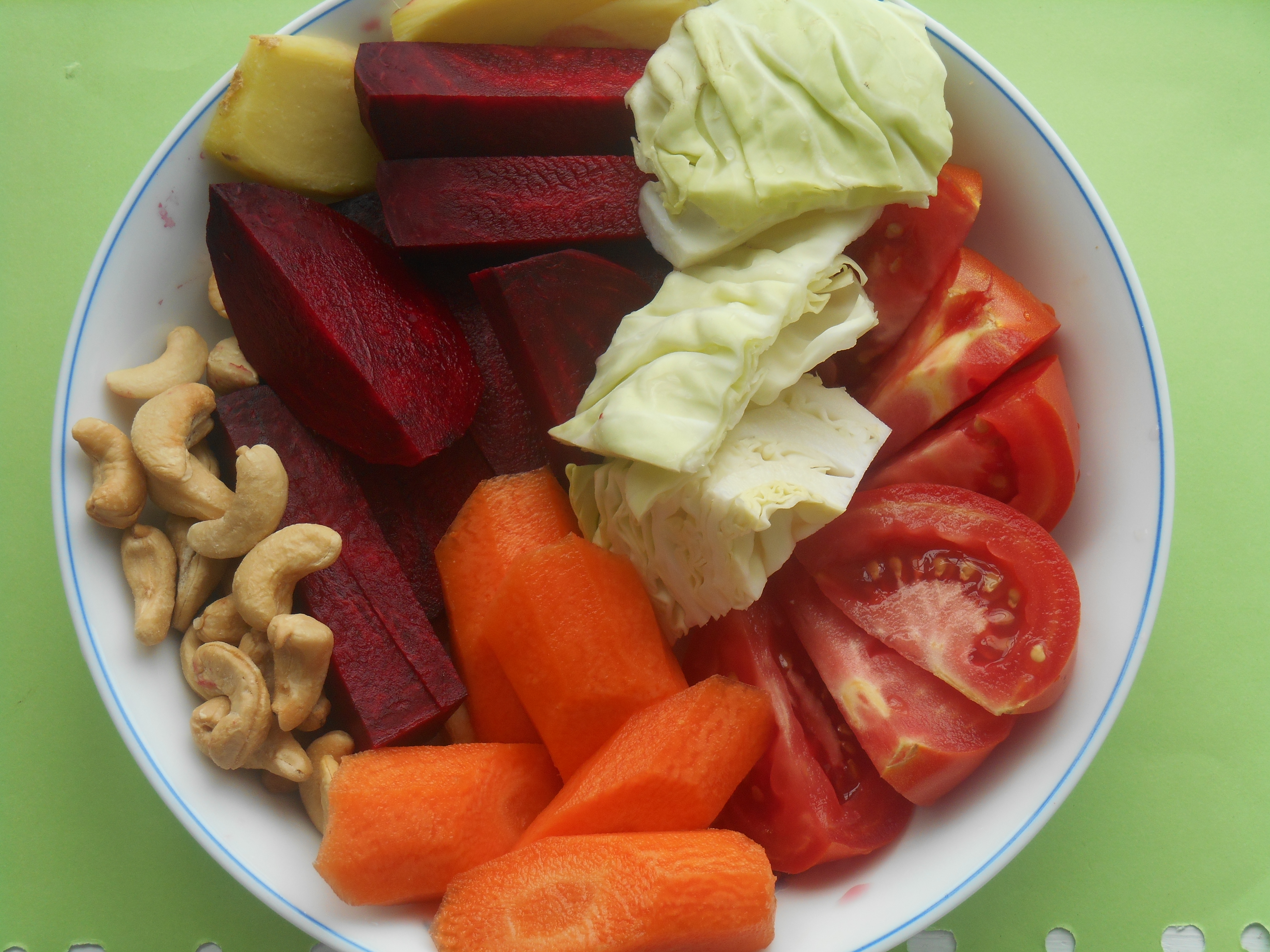
- Cut pork shin into chunks; blanch in boiling water for 2–3 minutes, then drain.
- Peel and cut beetroot into chunks; if leaves and stems are available, cut them into sections as well.
- Rinse and cut tomatoes into chunks. Peel and cut potatoes into chunks.
- Place all ingredients in a soup pot with 2.4 L of water. Bring to a boil, then reduce to a medium-low simmer.
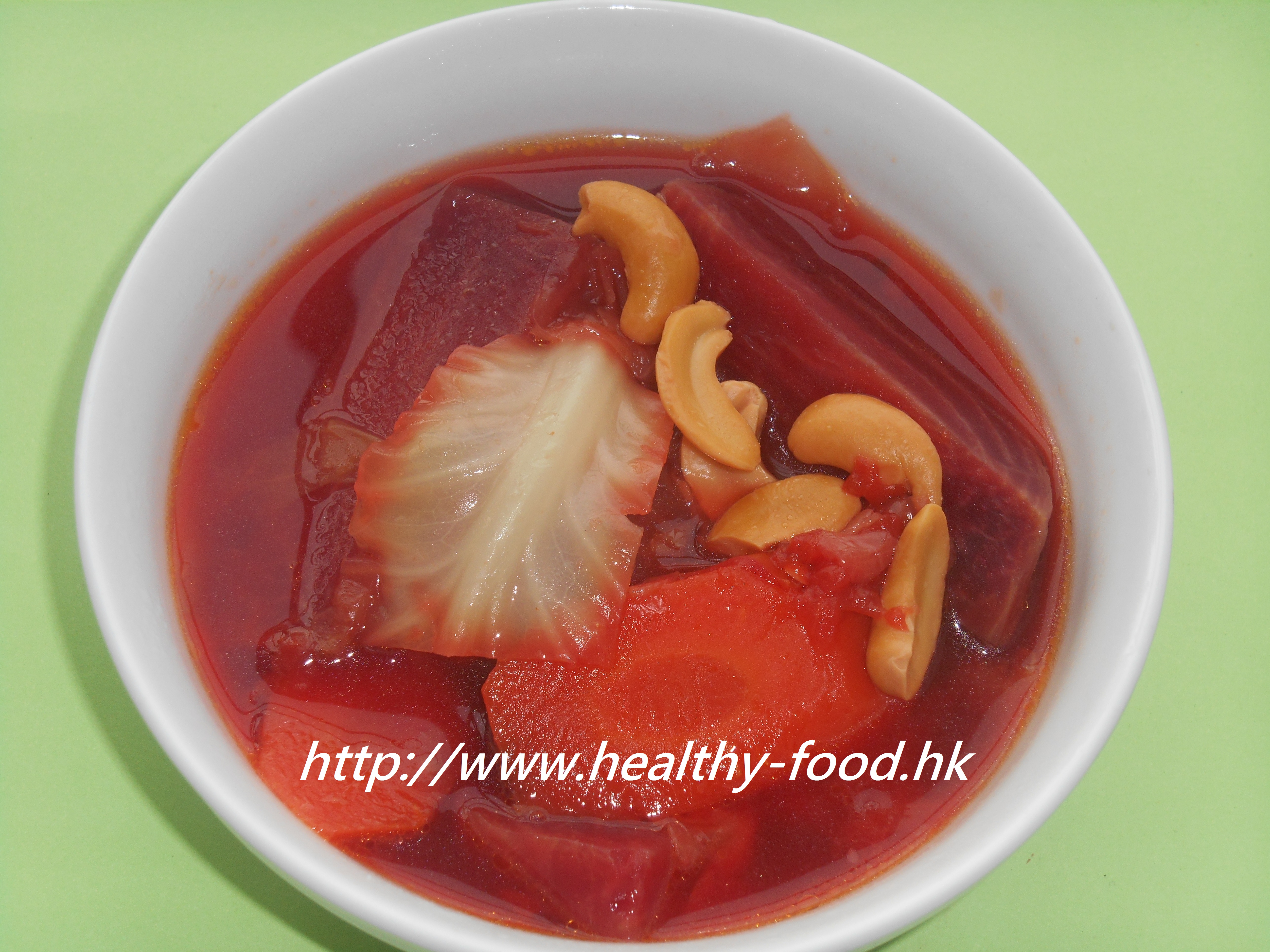
- Cook for 2 hours until the soup reduces to about 1.2 L. Serve the soup together with the vegetables and meat.
Nourilo’s Tips
Eating the soup solids alongside the broth is important — the nutrients from the beetroot, tomato, and vegetables enrich both the liquid and the solids. Tomato’s vitamin C is protected by its natural acidity, so it remains nutritious even after long cooking. Leftovers: store the soup and solids separately overnight; bring both back to a boil together the next day for best results. Adding red kidney beans to this soup makes it an even more potent blood-building dish.
Safety first — read before you cook
This is a traditional food, not a treatment. Please check with your doctor or pharmacist before making it a regular part of your diet if you:
- are pregnant or breastfeeding, or are cooking for a young child;
- take regular medicines — especially blood thinners, blood-pressure, diabetes or immune-suppressing drugs;
- have a kidney, liver or heart condition, or a known food allergy.
Stop eating it and seek advice if you notice an allergic reaction or feel unwell. Safety notes reviewed 8 October 2026 · How we write safety notes
Comments
Join the conversation — sign in or create a free account to comment.
Continue with GoogleBy continuing with Google or email you confirm you are 16 or older and agree to our Terms of Use and Privacy Policy.
Loading comments…