Congee & Porridge
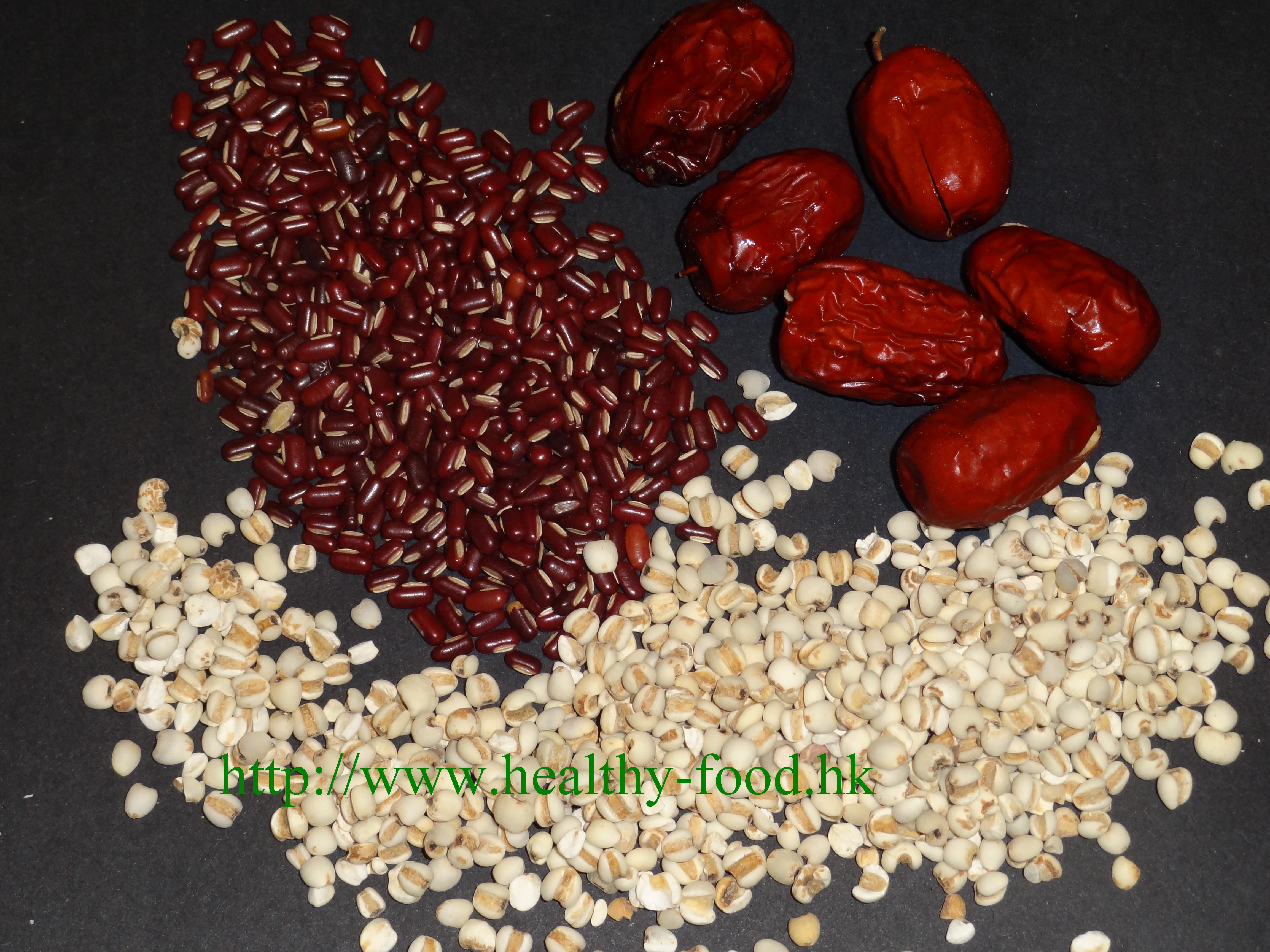
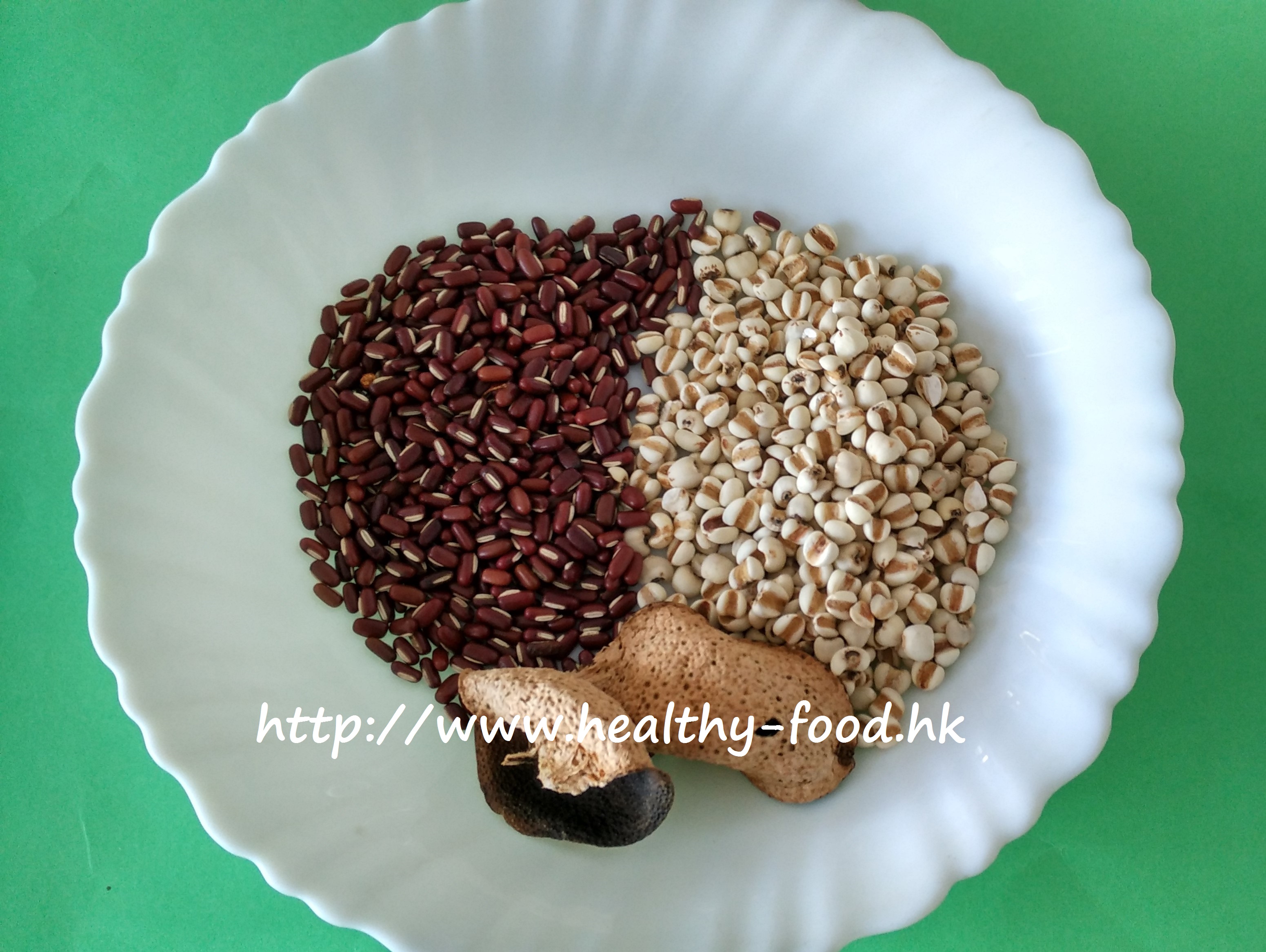
Azuki Bean, Barley & Red Date Porridge
Traditionally used to support uric acid clearance and ease early gout through dietary adjustment
In short: Azuki Bean, Barley & Red Date Porridge is a congee & porridge that Traditionally used to support uric acid clearance and ease early gout through dietary adjustment. It is most often made for bone & joint wellness. Total time about 1 hr 40 min. Key ingredients: red dates, rock sugar.
Why people make this porridge
Gout is increasingly common in modern life — rich foods, alcohol, seafood, and organ meats all contribute to elevated uric acid. In the early stages, blood tests may show elevated uric acid before any joint symptoms appear. Over time, episodes of sudden, painful joint inflammation — usually starting at the big toe — begin to occur and can worsen with each recurrence. This porridge is a practical dietary habit: easy to make, mild in flavor, and suitable to eat daily or as a regular meal replacement during a flare-up.
Method
- Rinse and soak the azuki beans and barley for 30 minutes.
- Pit the red dates.
- Place all ingredients in a pot with 1.8 L of water. Bring to a boil, then reduce to a low simmer.
- Cook for about 1.5 hours until the beans are soft and the porridge thickens.
- Stir in rock sugar to taste and serve. Can be eaten as a meal substitute or a snack.
Nourilo’s Tips
This porridge is neither cooling nor heating — it suits all constitutions and can be eaten by virtually everyone. Beyond traditional use for gout-prone individuals, it is a gentle, everyday wellness food. Can be cooked in a pressure cooker to save time. Leftovers keep overnight. Can also be cooked as a soup (with lean pork or chicken breast) rather than a porridge. If using a thermal flask to cook overnight, toast the beans in a dry wok for 7 minutes first to ensure they cook through safely.
What studies say about the key ingredients
Traditional use is not the same as clinical proof. Here is the strongest human research we found for each ingredient, limitations included.
- Adzuki beans
Adzuki bean meals had a low glycemic index (21–51 range reported with lotus seed), whereas other starchy foods did not differ significantly from rice. Adzuki bean hydrolysis index was lower than other test foods.Limitation: Only ten healthy participants and acute single-meal responses, so effects in people with diabetes or with regular intake are unknown.PubMed 30875961 · 1 more adzuki beans study - Job's tears (coix)
Myeloperoxidase activity rose significantly in the placebo group after 8 weeks but showed no significant change in the adlay tea group. Vascular endothelial function improved in the adlay group, especially in those over 40.Limitation: Participants were healthy adults and the outcomes were surrogate markers, so the results say little about clinical disease outcomes. Tea is a polyphenol-rich extract, not whole grain.PubMed 38945894 · 2 more job's tears (coix) studies - Red dates
Jujube was associated with significantly lower BMI and triglycerides, and lower fasting blood sugar in people with type 2 diabetes. LDL and total cholesterol fell only in some subgroups. HDL, AST and ALT did not change significantly.Limitation: The authors state the overall quality of the evidence is limited, and results varied significantly by dose, treatment duration and disease type.PubMed 40399274 · 3 more red dates studies
From the Nourilo Research Library. Findings come from specific doses, extracts and populations and may not apply to a home-cooked recipe.
Safety first — read before you cook
This is a traditional food, not a treatment. Please check with your doctor or pharmacist before making it a regular part of your diet if you:
- are pregnant or breastfeeding, or are cooking for a young child;
- take regular medicines — especially blood thinners, blood-pressure, diabetes or immune-suppressing drugs;
- have a kidney, liver or heart condition, or a known food allergy.
Stop eating it and seek advice if you notice an allergic reaction or feel unwell. Safety notes reviewed 8 October 2026 · How we write safety notes


Comments
Join the conversation — sign in or create a free account to comment.
Continue with GoogleBy continuing with Google or email you confirm you are 16 or older and agree to our Terms of Use and Privacy Policy.
Loading comments…