Herbal & Flower Teas
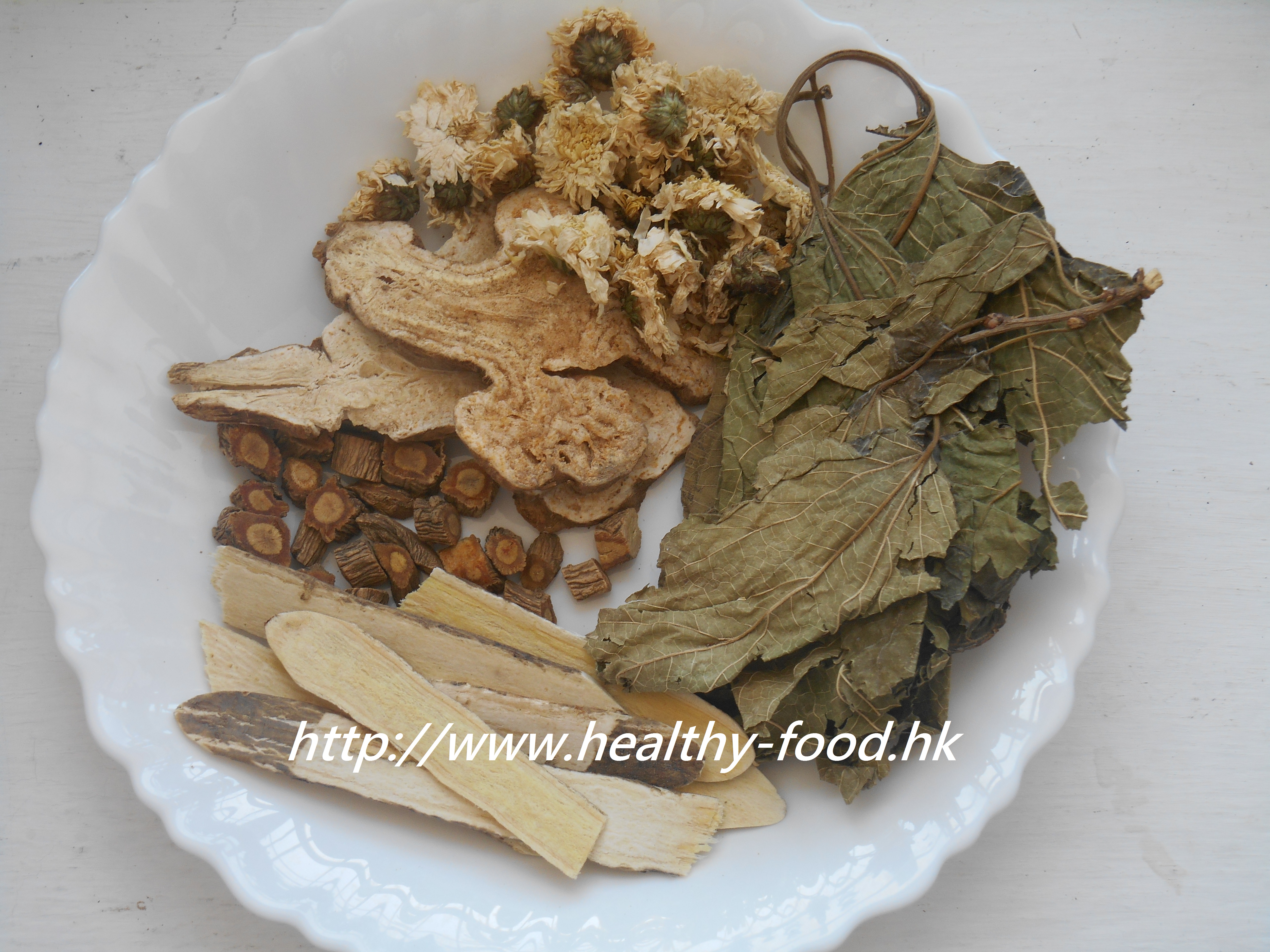
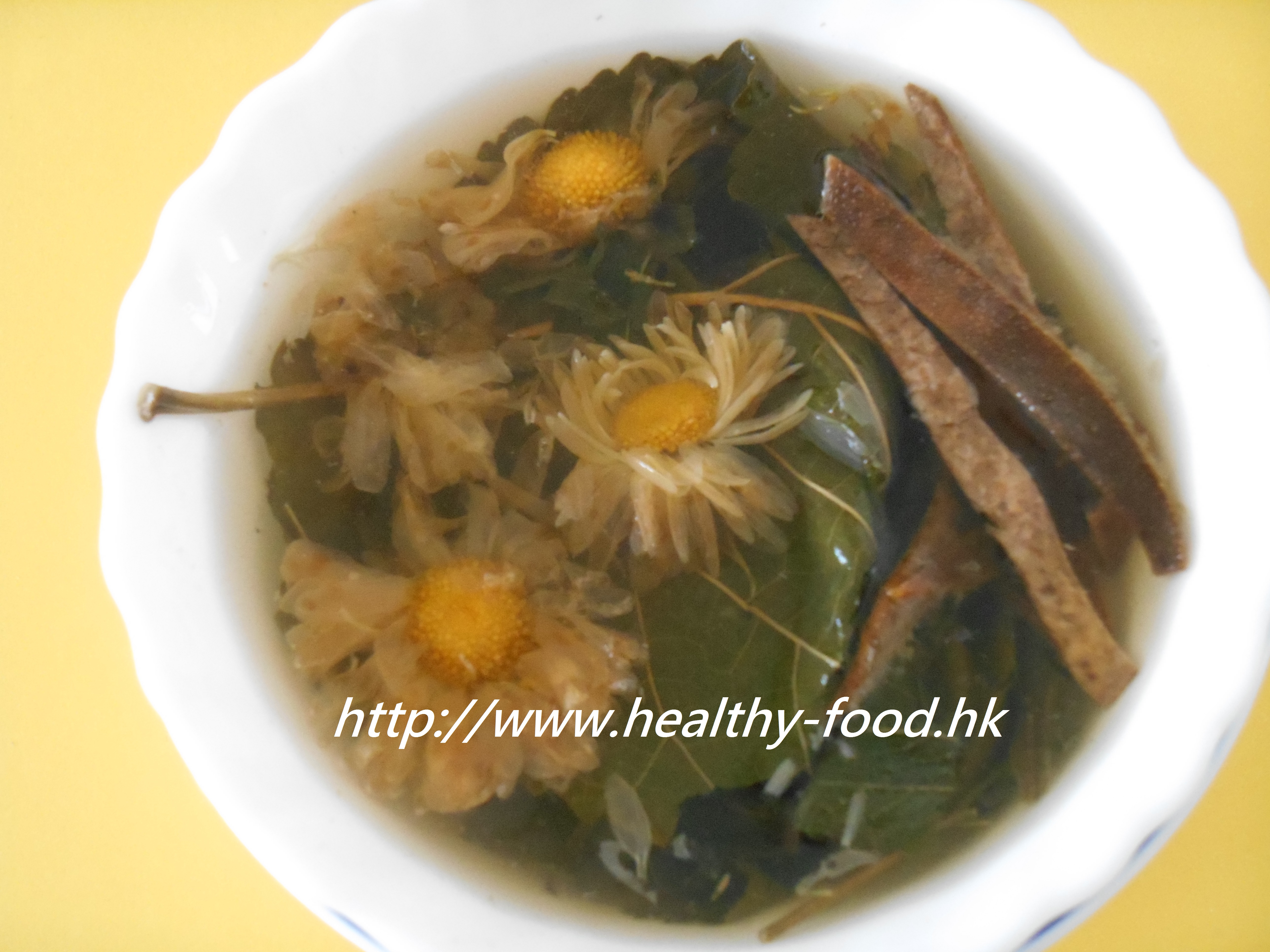
Bei Qi (Astragalus) Mulberry Chrysanthemum Tea
traditionally associated with strengthening immune defences and easing eye sensitivity, redness and itching linked to environmental allergy
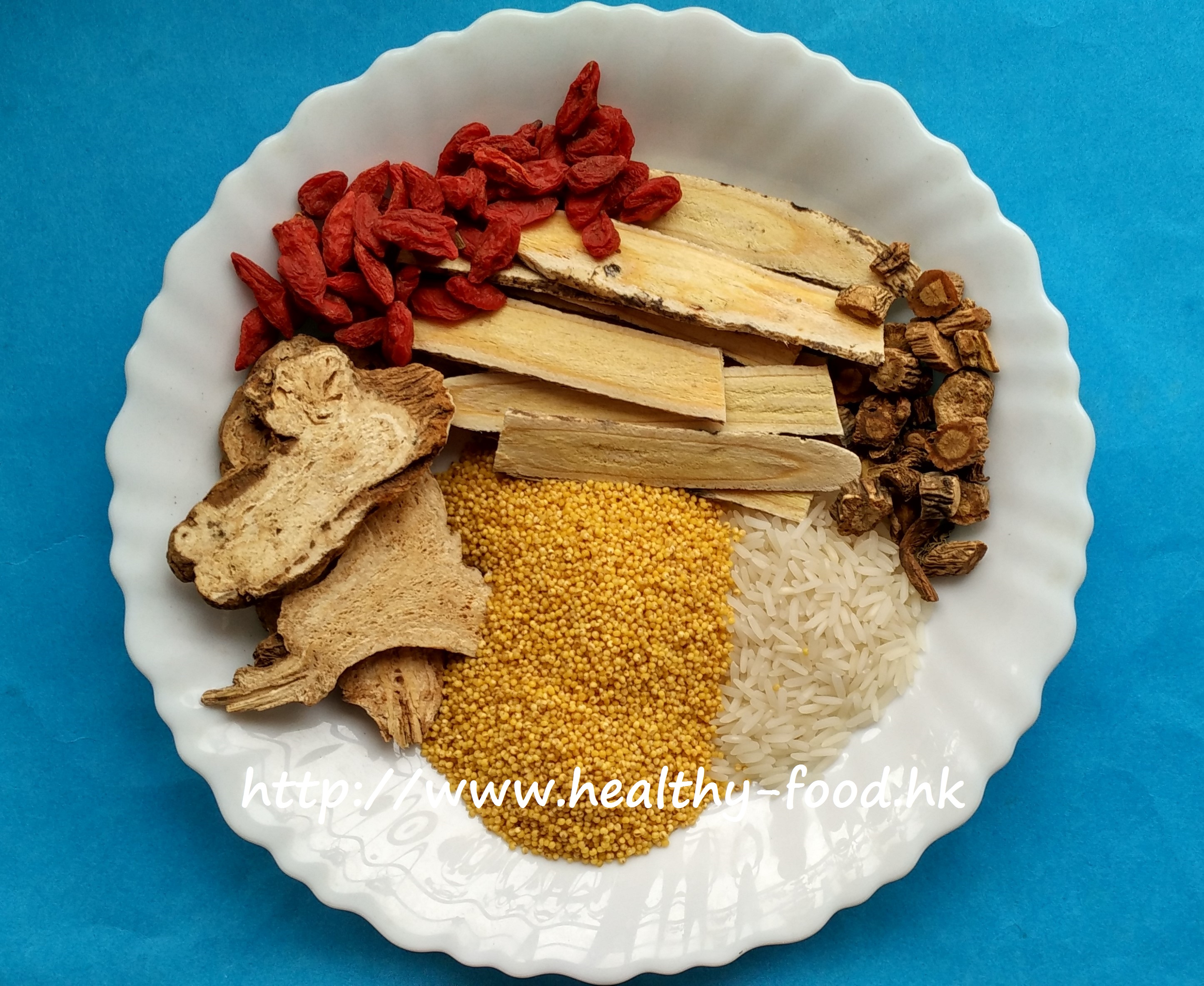
In short: Bei Qi (Astragalus) Mulberry Chrysanthemum Tea is a herbal & flower tea that traditionally associated with strengthening immune defences and easing eye sensitivity, redness and itching linked to environmental allergy. It is most often made for eye wellness, immune support. Total time about 60 min. Key ingredients: astragalus root, white atractylodes rhizome, mulberry leaf, chrysanthemum.
Why people make this tea
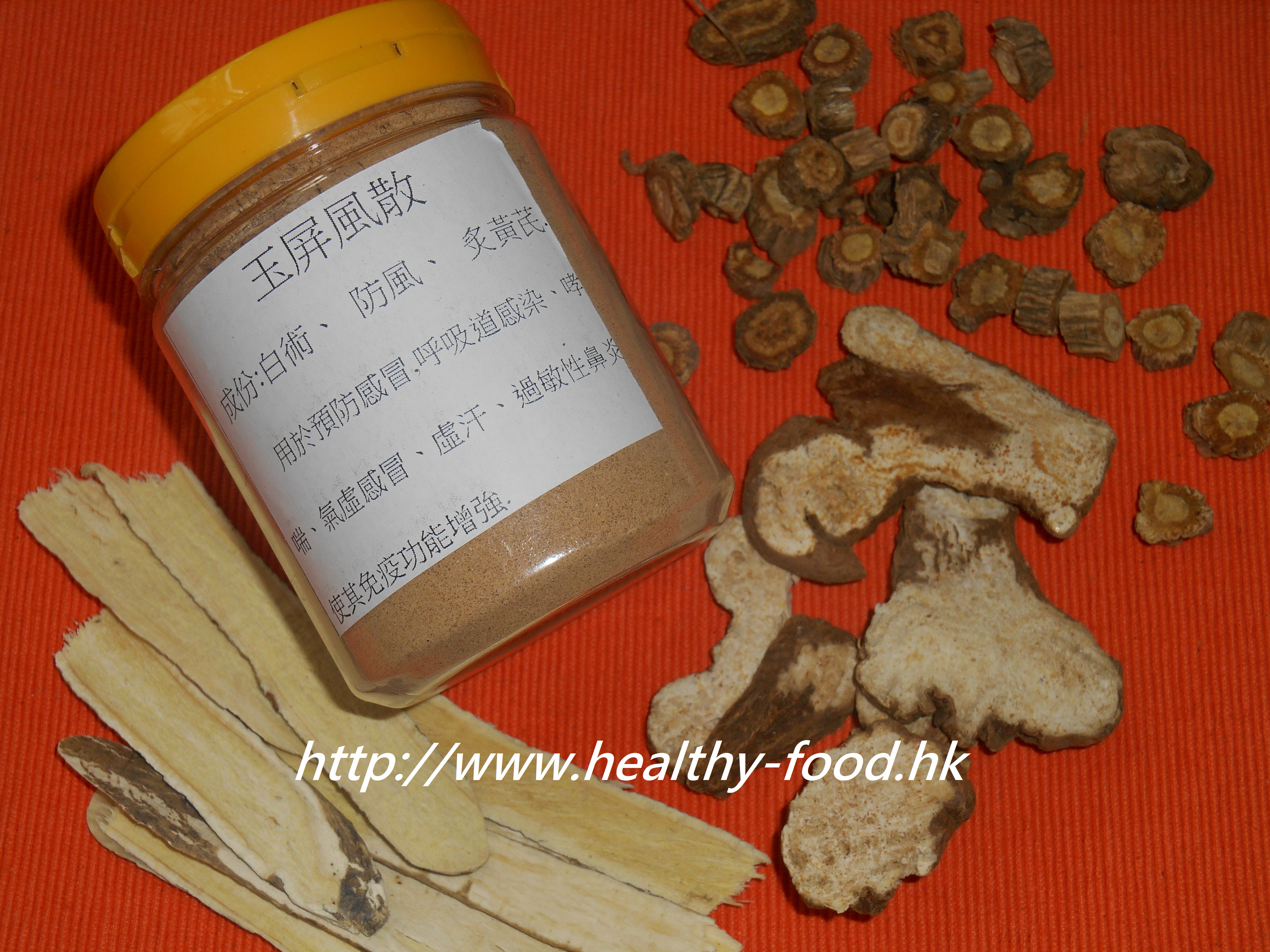
Growing up in Hong Kong, Nourilo has watched a steady rise in the number of children presenting with eye sensitivity, nasal allergies, and skin reactions — and attributes this in part to increased environmental pollution and changing immune landscapes. The famous classical formula Yu Ping Feng San (“Jade Screen Powder”) was developed precisely for this kind of defensive weakness: astragalus builds the body’s outer defences, saposhnikovia root keeps wind pathogens from penetrating, and white atractylodes strengthens the spleen-lung axis that underpins immune resilience. For eye-specific sensitivity, adding mulberry leaf and chrysanthemum — both traditionally associated with clearing liver heat and dispelling wind from the eyes — transforms the classic tonic into a targeted eye-allergy support tea.
Method
- Rinse all ingredients briefly under cold water.
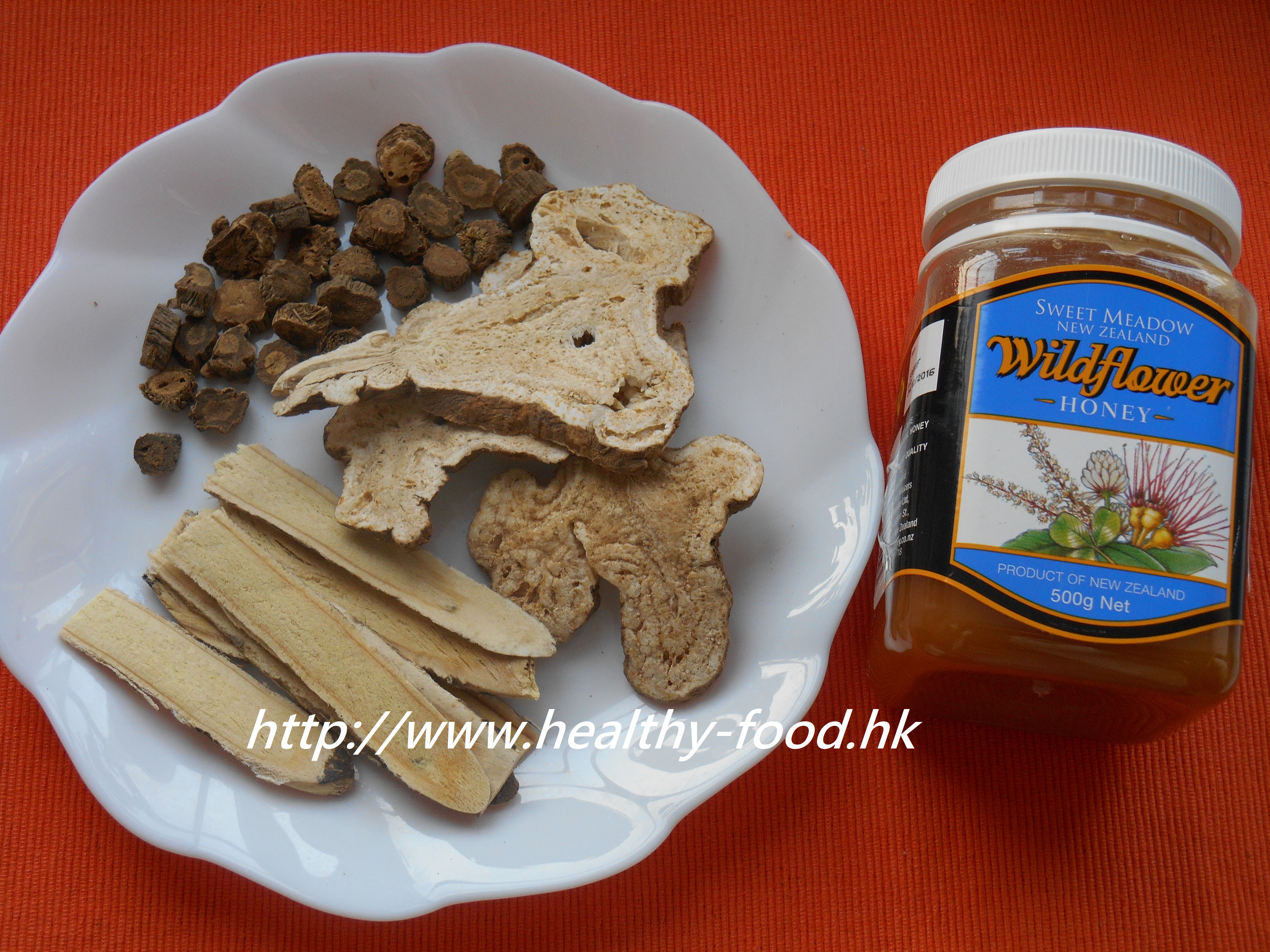
- Place the astragalus root, saposhnikovia root, and white atractylodes into a pot with 1.5 L of water.
- Bring to a boil, then simmer over medium-low heat for 45 minutes.
- Add the mulberry leaf and chrysanthemum flowers. Continue simmering for a further 10 minutes. (Do not add the flowers too early — the volatile oils that give chrysanthemum its therapeutic properties will dissipate with prolonged boiling.)
- Strain and divide into two portions. Drink one portion in the morning and one in the afternoon or evening.
- During active symptoms: drink daily for 3–5 consecutive days. For general support: 2 doses per week until symptoms settle.
Nourilo’s Tips
This tea is mild and well-tolerated. It can be used year-round as seasonal support — two doses a week during seasons when eye or nasal symptoms typically flare up. Remember that chrysanthemum contains volatile oils, so it should always be added in the final 10 minutes of cooking, not at the start. Mulberry leaf, by contrast, does not contain significant volatile oils and can go in at the same time as the flowers without concern. If you find the tea hard to drink, a small amount of honey improves the flavour.
What studies say about the key ingredients
Traditional use is not the same as clinical proof. Here is the strongest human research we found for each ingredient, limitations included.
- Astragalus root
TA-65 was associated with longer leukocyte telomeres compared with controls, but the meta-analysis found no significant improvement in frailty measures or inflammatory markers (CRP/IL-6). Mild gastrointestinal effects were reported.Limitation: Industry-funded trials reported larger effects than others, and the compound is a purified extract at doses not comparable to eating Astragalus root.PubMed 41286474 · 3 more astragalus root studies - Chrysanthemum
Compared with the high-fat meal alone, the extract group had lower postprandial glucose at 1 hour and higher antioxidant markers (T-AOC, SOD, GSH), with lower MDA. Incremental area under the curve did not differ significantly between groups.Limitation: Small sample of healthy young adults given a single high-fat meal, so longer-term effects and effects in people with metabolic conditions are unknown.PubMed 36677639 · 1 more chrysanthemum study
From the Nourilo Research Library. Findings come from specific doses, extracts and populations and may not apply to a home-cooked recipe.
Safety first — read before you cook
This is a traditional food, not a treatment. Please check with your doctor or pharmacist before making it a regular part of your diet if you:
- are pregnant or breastfeeding, or are cooking for a young child;
- take regular medicines — especially blood thinners, blood-pressure, diabetes or immune-suppressing drugs;
- have a kidney, liver or heart condition, or a known food allergy.
Ingredient notes for this recipe
- Astragalus: May interact with medicines that suppress the immune system. A thorough safety evaluation has not been done, and little is known about its safety in pregnancy or breastfeeding. Source: NIH NCCIH — Astragalus
Stop eating it and seek advice if you notice an allergic reaction or feel unwell. Safety notes reviewed 8 October 2026 · How we write safety notes
Comments
Join the conversation — sign in or create a free account to comment.
Continue with GoogleBy continuing with Google or email you confirm you are 16 or older and agree to our Terms of Use and Privacy Policy.
Loading comments…