Herbal & Flower Teas
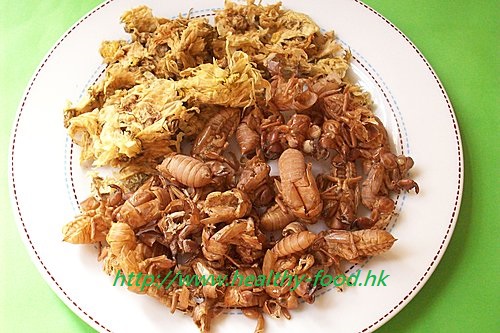
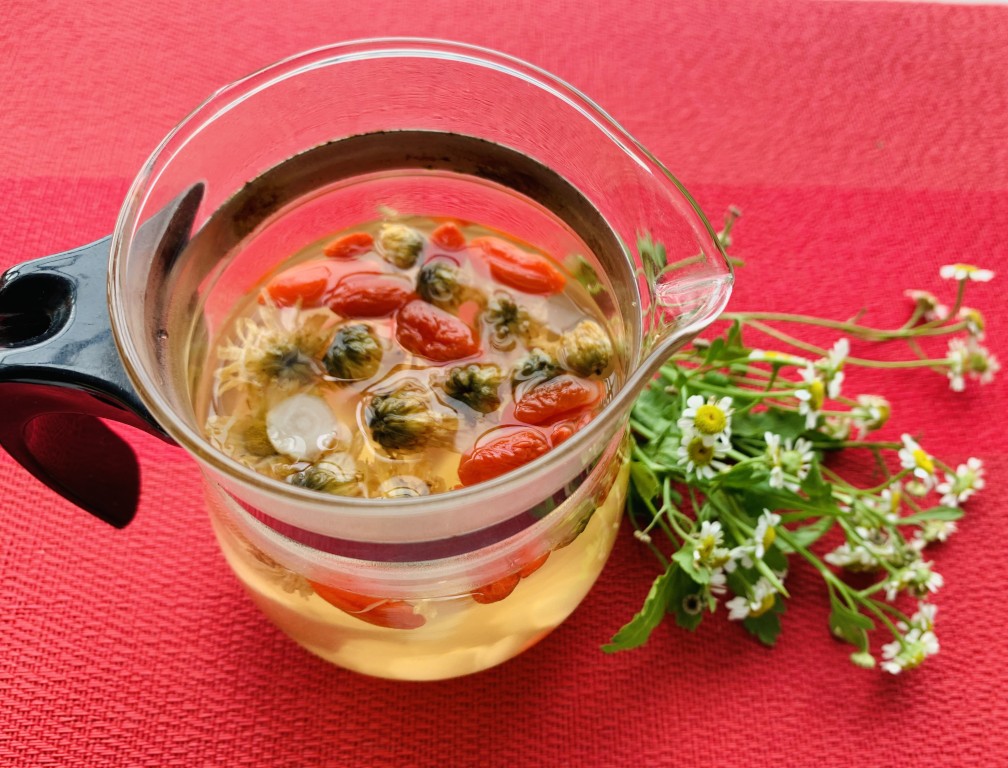
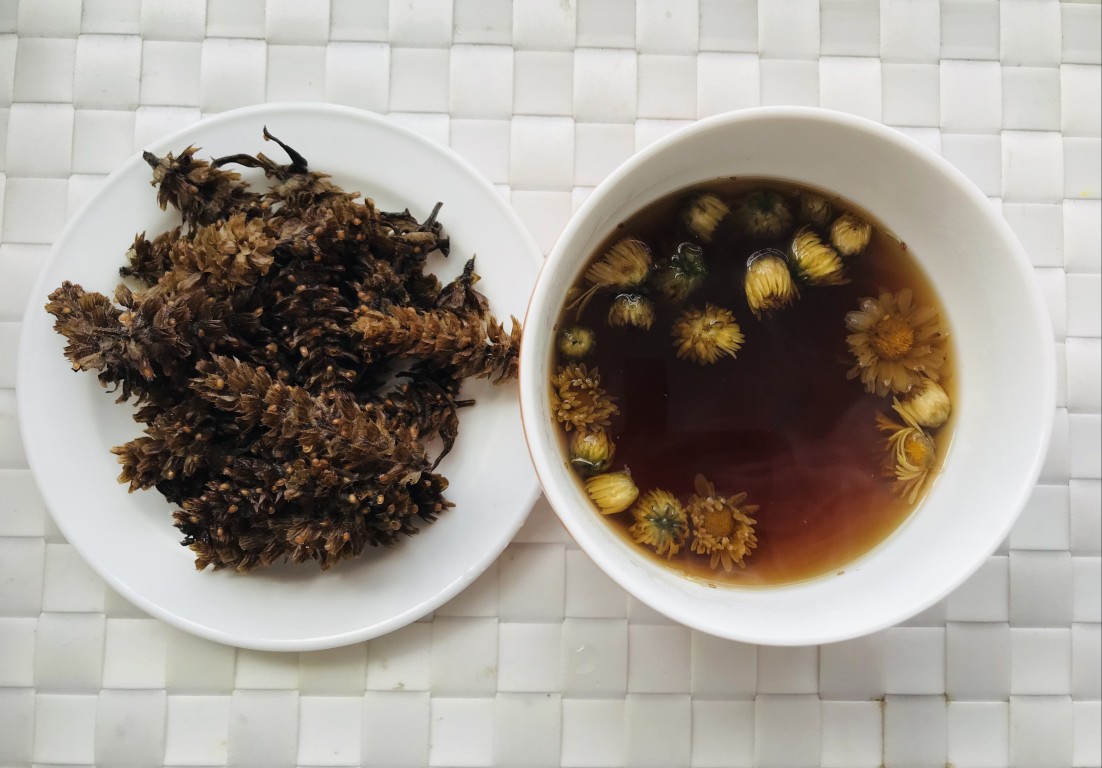
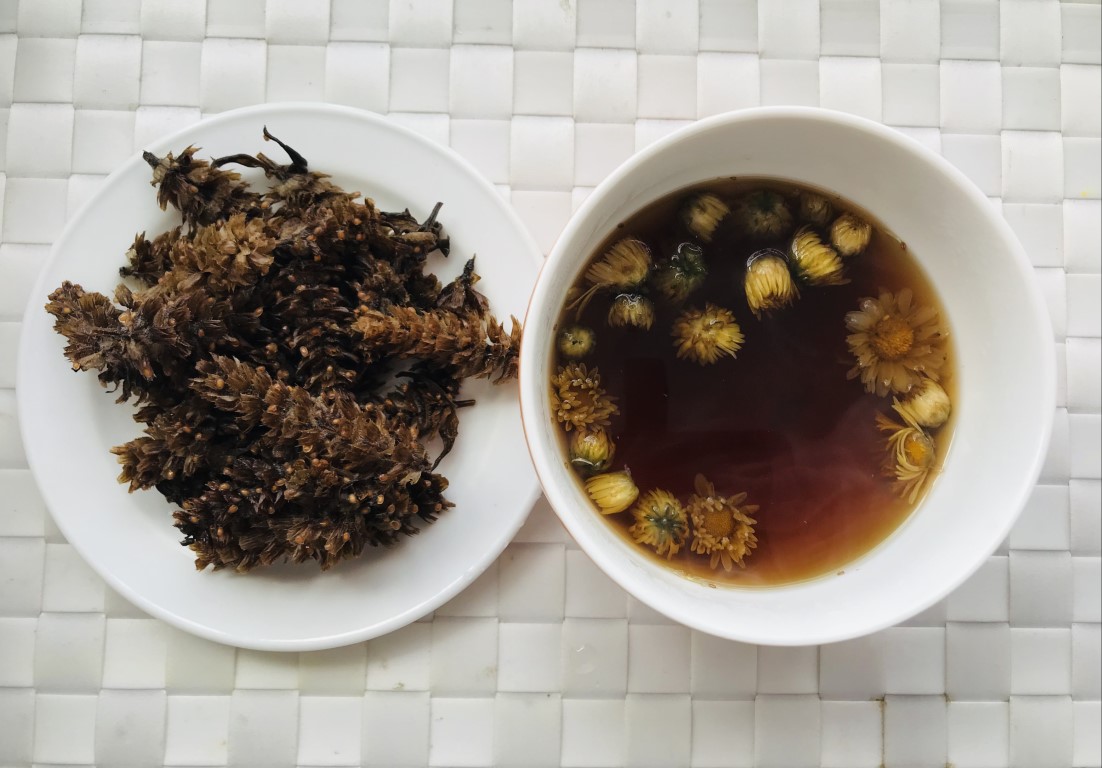
Cicada Shell Chrysanthemum Tea
Traditionally supports relief from eye itchiness and wind-heat irritation
In short: Cicada Shell Chrysanthemum Tea is a herbal & flower tea that Traditionally supports relief from eye itchiness and wind-heat irritation. It is most often made for eye wellness. Total time about 30 min. Key ingredients: chrysanthemum.
Why people make this tea
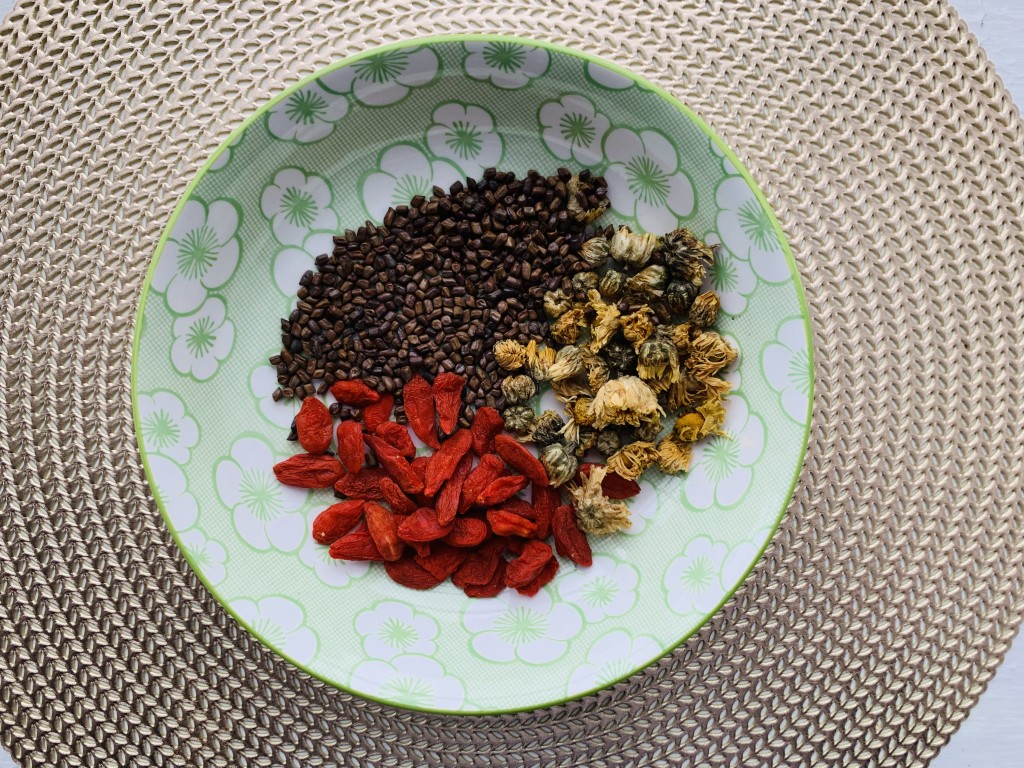
When eyes feel perpetually itchy, gritty, or irritated — especially in windy or allergy-prone seasons — many Hong Kong families reach for this simple two-herb brew. Cicada slough (the shed shell of the cicada insect) has a long history in Chinese herbal medicine and is considered safe and gentle, even for young children. Paired with fragrant chrysanthemum flowers, it makes a refreshing tea that gently supports the eyes and throat when wind-heat symptoms appear.
Method
- Rinse the cicada slough thoroughly under running water.
- Add 2–3 cups of water to a small pot and bring to a boil with the cicada slough.
- Reduce to a gentle simmer and cook for about 20 minutes.
- Add the chrysanthemum flowers and continue to simmer for a further 5 minutes.
- Strain and serve warm. A small amount of honey may be added for sweetness (not for infants under 18 months).
Nourilo’s Tips
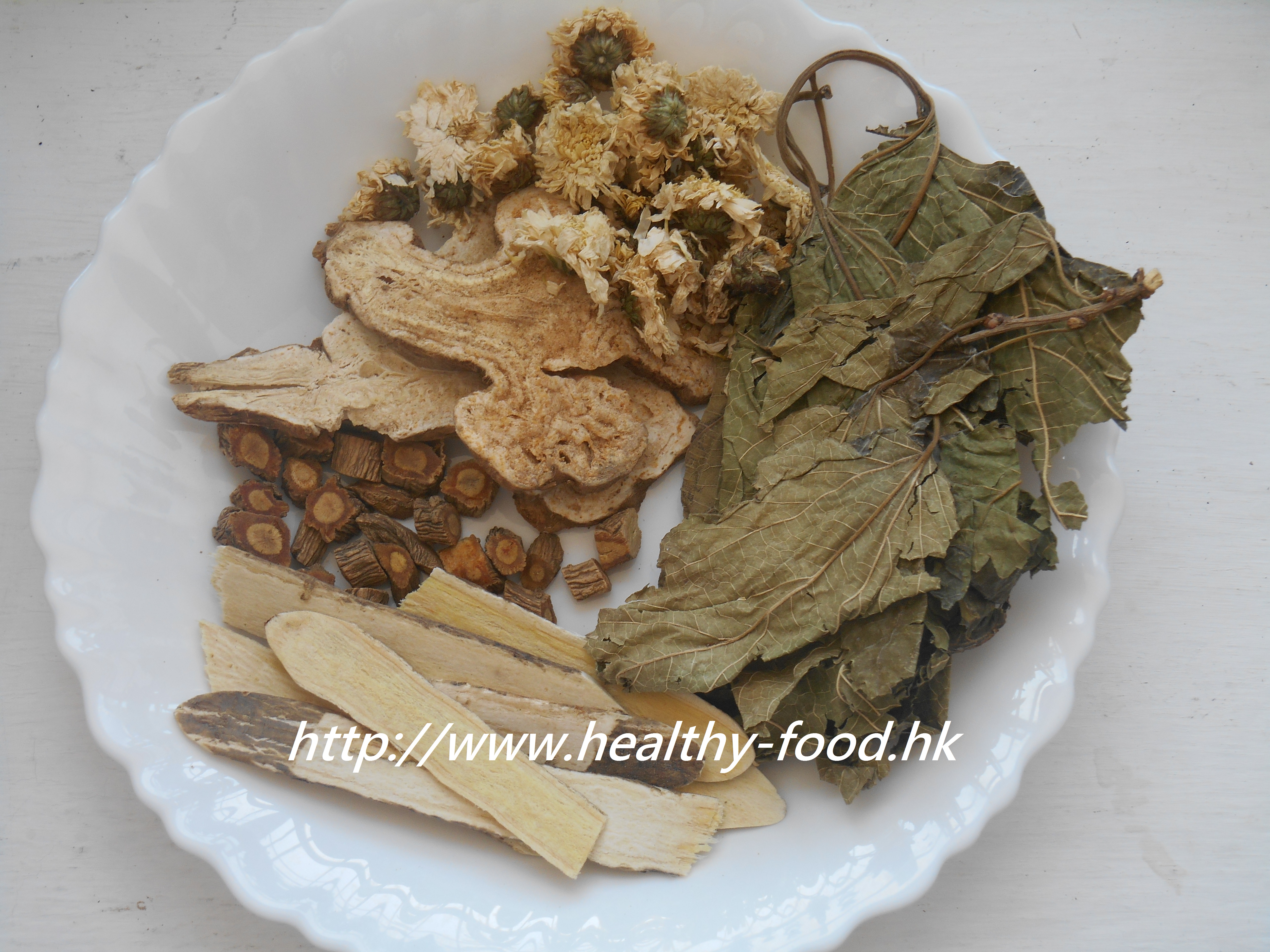
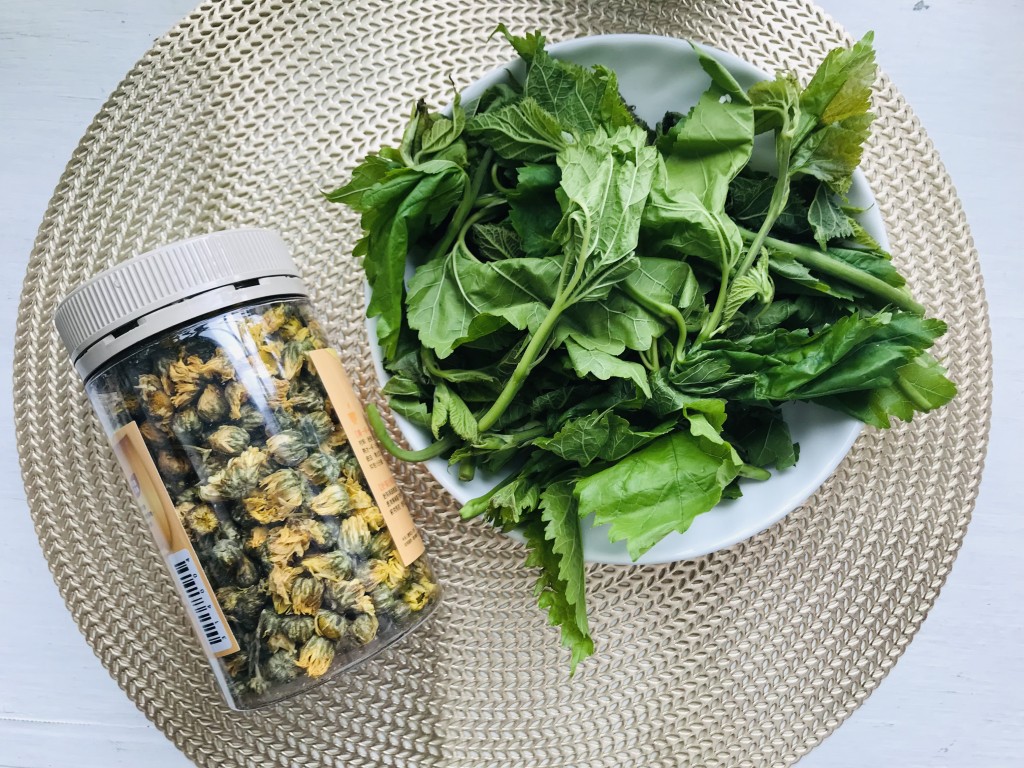
This tea is gentle enough for young children. Beyond itchy eyes, it has traditionally been used for children who are restless at night or prone to skin hives from wind-type irritation. If you cannot source cicada slough, a substitute tea of mulberry leaf (sang ye) and chrysanthemum flowers is a reasonable alternative — Nourilo recommends 10 g each, simmered for 10 minutes.
What studies say about the key ingredients
Traditional use is not the same as clinical proof. Here is the strongest human research we found for each ingredient, limitations included.
- Chrysanthemum
Compared with the high-fat meal alone, the extract group had lower postprandial glucose at 1 hour and higher antioxidant markers (T-AOC, SOD, GSH), with lower MDA. Incremental area under the curve did not differ significantly between groups.Limitation: Small sample of healthy young adults given a single high-fat meal, so longer-term effects and effects in people with metabolic conditions are unknown.PubMed 36677639 · 1 more chrysanthemum study
From the Nourilo Research Library. Findings come from specific doses, extracts and populations and may not apply to a home-cooked recipe.
Safety first — read before you cook
This is a traditional food, not a treatment. Please check with your doctor or pharmacist before making it a regular part of your diet if you:
- are pregnant or breastfeeding, or are cooking for a young child;
- take regular medicines — especially blood thinners, blood-pressure, diabetes or immune-suppressing drugs;
- have a kidney, liver or heart condition, or a known food allergy.
Stop eating it and seek advice if you notice an allergic reaction or feel unwell. Safety notes reviewed 8 October 2026 · How we write safety notes
Comments
Join the conversation — sign in or create a free account to comment.
Continue with GoogleBy continuing with Google or email you confirm you are 16 or older and agree to our Terms of Use and Privacy Policy.
Loading comments…