Soups
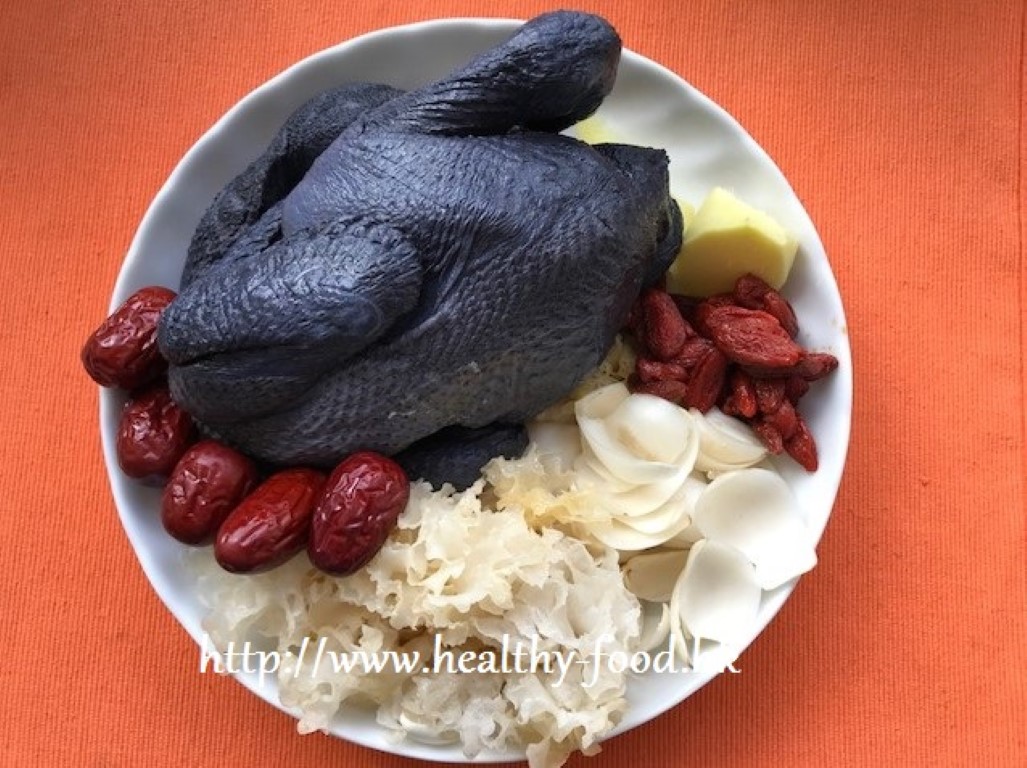
Snow Ear Fungus, Lily Bulb, Goji Berry and Silkie Chicken Soup
traditionally used to nourish yin, calm the mind, and support recovery from chronic stress and fatigue
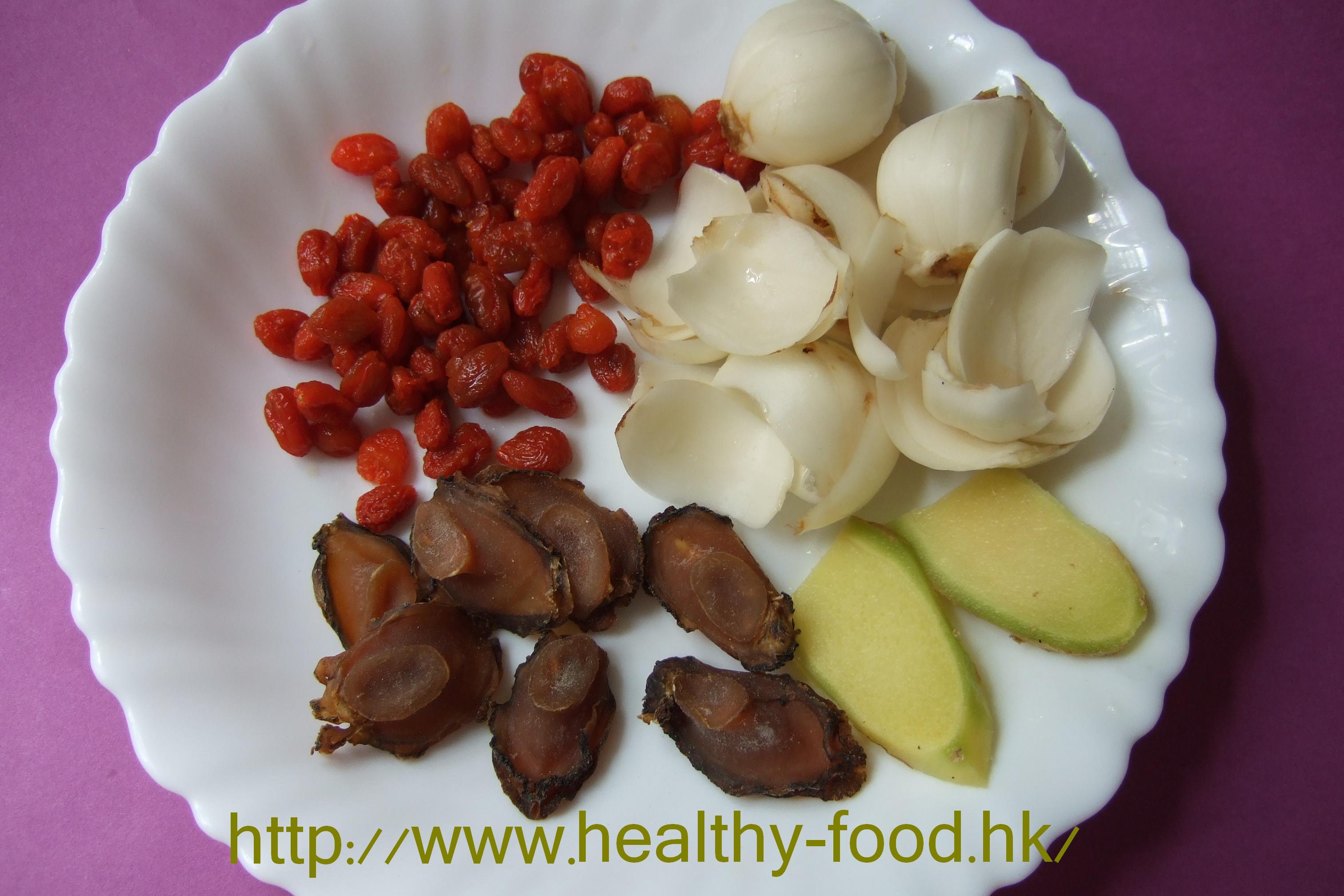
In short: Snow Ear Fungus, Lily Bulb, Goji Berry and Silkie Chicken Soup is a soup that traditionally used to nourish yin, calm the mind, and support recovery from chronic stress and fatigue. It is most often made for sleep & calm, energy & vitality, everyday balance. Total time about 125 min. Key ingredients: lily bulb, goji berries, red dates, ginger.
Why people make this soup
Surveys suggest that a significant proportion of Hong Kong’s working population experiences what used to be called “nervous exhaustion” — a pattern of chronic fatigue, disrupted sleep, heart palpitations, and heightened anxiety driven by overwork, poor rest, and sustained stress. The term may sound old-fashioned, but the experience is very real. Traditional Chinese food therapy addresses this through a category of ingredients that “calm the heart and settle the spirit” — and this soup draws on some of the most trusted of them.
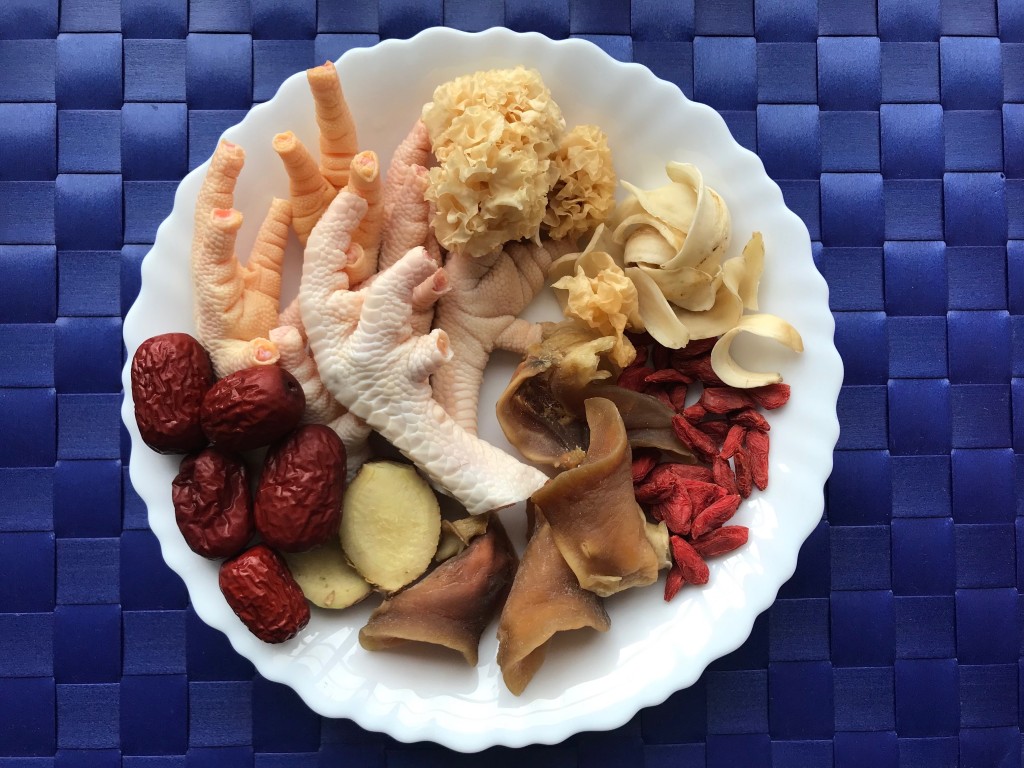
Snow ear fungus (a close relative of the better-known tremella mushroom) is traditionally considered one of the finest foods for nourishing yin and moistening both the lungs and skin. Lily bulb is a classical “spirit-calming” ingredient. Goji berries support the liver and kidneys. And silkie chicken — the dark-feathered, dark-fleshed bird prized in Chinese cooking — is traditionally considered gentler and more deeply nourishing than regular chicken, making it particularly appropriate for those in a depleted, fatigued state.
Method
- Soak the snow ear fungus in cold water for 30 minutes until fully hydrated. Remove and discard the tough yellowish base. Tear or cut into smaller florets.
- Separate the fresh lily bulb into petals and rinse clean.
- Rinse the goji berries; pit the red dates.
- Clean and chop the silkie chicken into large pieces. Blanch in boiling water for 2–3 minutes; drain and rinse.
- Place the snow ear fungus, ginger slices, red dates, and silkie chicken pieces in a pot with 2.4–2.7 L of water. Bring to a boil, then reduce to a gentle simmer.
- Simmer for 1.5 hours (90 minutes).
- Add the fresh lily bulb and goji berries. Cook for a further 15 minutes until fragrant and tender.
- The soup should reduce to approximately 1.2–1.5 L. Serve hot; eat the soup and all the solid ingredients.
Nourilo’s Tips
This soup is fragrant, lightly sweet, and genuinely delicious — everyone in the family can enjoy it. It is also beneficial for those with yin-deficient heat patterns, rough skin, or a dull complexion. For regular calming and sleep support, foods like wheat grain (xiao mai mi), sour jujube seed (suan zao ren), cypress seed (bai zi ren), longan flesh (yuan rou), and poria with wood (fu shen) are all useful additions to a weekly routine.
What studies say about the key ingredients
Traditional use is not the same as clinical proof. Here is the strongest human research we found for each ingredient, limitations included.
- Snow fungus
The Tremella fuciformis groups showed greater improvements than placebo in subjective memory complaint scores, short-term memory and executive function tests. Adverse event frequency was similar across high-dose, low-dose and placebo groups.Limitation: Small sample with only 15 people in the placebo group and a short 8-week duration; the brain imaging findings were exploratory.PubMed 29319408 - Goji berries
Compared with placebo (n=80), the goji juice group (n=81) reported greater improvements in several self-rated symptoms, including stress, mental acuity, sleep quality and overall well-being, under a random effects model.Limitation: Outcomes were self-reported symptom questionnaires, and several symptoms showed significant heterogeneity across the four pooled trials of a single branded juice.PubMed 22897500 · 3 more goji berries studies - Red dates
Jujube was associated with significantly lower BMI and triglycerides, and lower fasting blood sugar in people with type 2 diabetes. LDL and total cholesterol fell only in some subgroups. HDL, AST and ALT did not change significantly.Limitation: The authors state the overall quality of the evidence is limited, and results varied significantly by dose, treatment duration and disease type.PubMed 40399274 · 3 more red dates studies
From the Nourilo Research Library. Findings come from specific doses, extracts and populations and may not apply to a home-cooked recipe.
Safety first — read before you cook
This is a traditional food, not a treatment. Please check with your doctor or pharmacist before making it a regular part of your diet if you:
- are pregnant or breastfeeding, or are cooking for a young child;
- take regular medicines — especially blood thinners, blood-pressure, diabetes or immune-suppressing drugs;
- have a kidney, liver or heart condition, or a known food allergy.
Ingredient notes for this recipe
- Goji berries: A few cases of raised INR (a bleeding-risk marker) have been reported in people taking warfarin after drinking concentrated goji tea or wine. If you take a blood thinner, check with your doctor. Source: Memorial Sloan Kettering — Lycium
Stop eating it and seek advice if you notice an allergic reaction or feel unwell. Safety notes reviewed 8 October 2026 · How we write safety notes
Comments
Join the conversation — sign in or create a free account to comment.
Continue with GoogleBy continuing with Google or email you confirm you are 16 or older and agree to our Terms of Use and Privacy Policy.
Loading comments…