Tonic Drinks & Waters
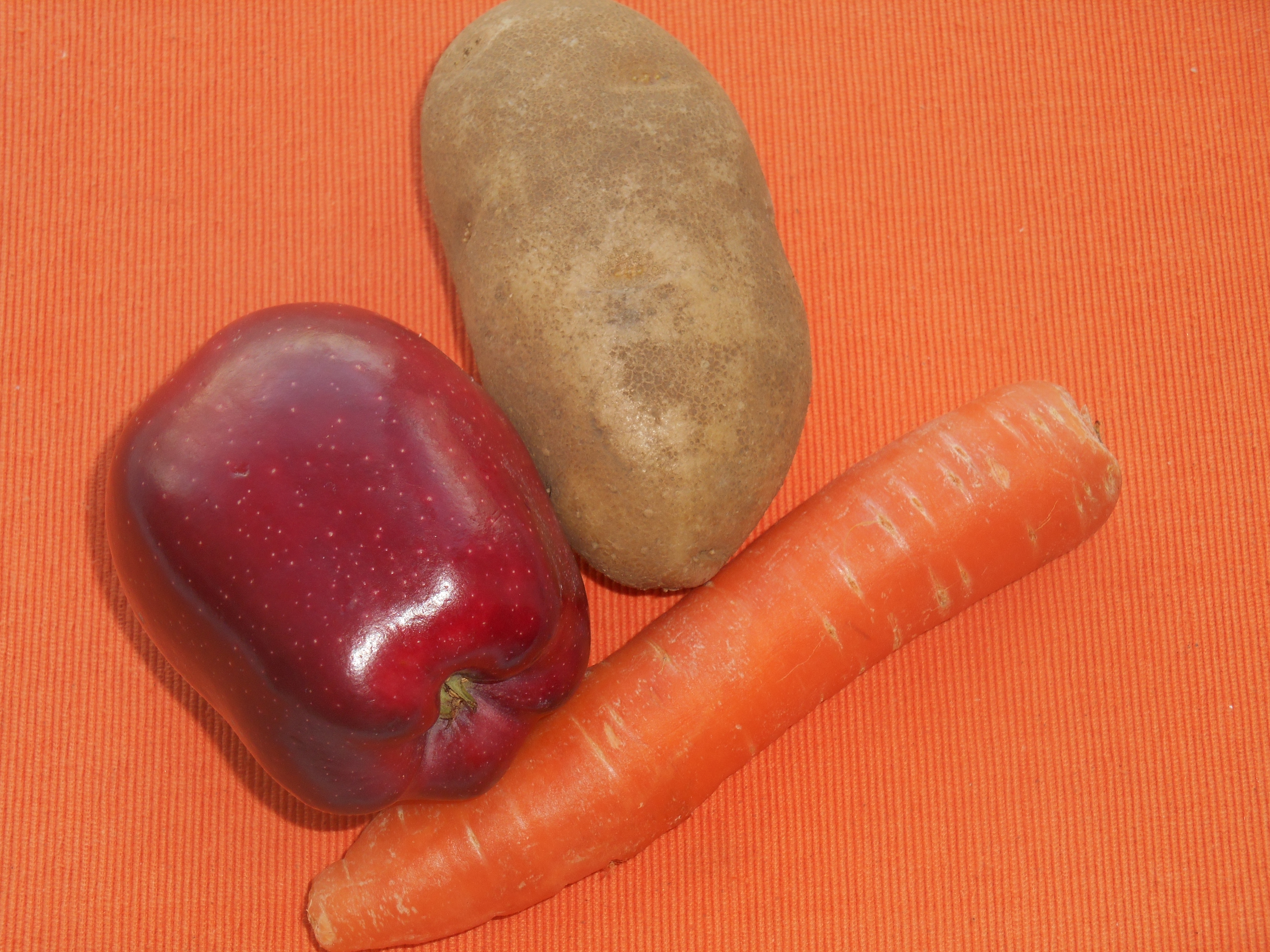
Potato, Carrot and Apple Fresh Juice
traditionally associated with supporting the body's natural processes and promoting immune health
In short: Potato, Carrot and Apple Fresh Juice is a tonic drinks & water that traditionally associated with supporting the body's natural processes and promoting immune health. It is most often made for cleansing & regularity, immune support. Total time about 10 min. Key ingredients: potato, carrot, apple.
Why people make this juice
This three-ingredient juice has circulated in wellness circles for decades, sometimes attributed to a Japanese Zen monk who reportedly shared it as a health-building practice. Nourilo neither confirms nor dismisses such stories — what matters is that all three ingredients are real, wholesome foods with genuine nutritional value. Modern Western diets tend to be heavy on meat and refined foods, which can shift the body’s internal environment in ways that do not serve long-term health. A daily glass of fresh vegetable and fruit juice is one simple, pleasant way to get more plant nutrients, fibre, and natural compounds into your routine. Drink it immediately after pressing.
Safety first — read before you cook
This is a traditional food, not a treatment. Please check with your doctor or pharmacist before making it a regular part of your diet if you:
- are pregnant or breastfeeding, or are cooking for a young child;
- take regular medicines — especially blood thinners, blood-pressure, diabetes or immune-suppressing drugs;
- have a kidney, liver or heart condition, or a known food allergy.
Stop eating it and seek advice if you notice an allergic reaction or feel unwell. Safety notes reviewed 8 October 2026 · How we write safety notes
Members only
Unlock the full method & Nourilo's tips
One payment, lifetime access to every one of our 2,344 recipes — step-by-step methods, preparation tips and serving notes.
- Full step-by-step method for this and all 2,344 recipes
- Nourilo's Tips — sourcing, substitutions and serving notes
- One-time payment · card, Apple Pay or Google Pay · no subscription, no renewals
Checking your access…
$59.99 one-time · all recipes
Sign in or create a free account, then pay once by card, Apple Pay or Google Pay.
Continue with GoogleBy continuing with Google or email you confirm you are 16 or older and agree to our Terms of Use and Privacy Policy.
$59.99 one-time · all recipes
Signed in as ·
Secure checkout by Stripe. One-time payment, no renewals. Access is linked to your Nourilo account and never expires. By paying you agree to our Terms of Use; you can get a full refund within 14 days (refund policy).
Comments
Join the conversation — sign in or create a free account to comment.
Continue with GoogleBy continuing with Google or email you confirm you are 16 or older and agree to our Terms of Use and Privacy Policy.
Loading comments…