Home-Style Dishes
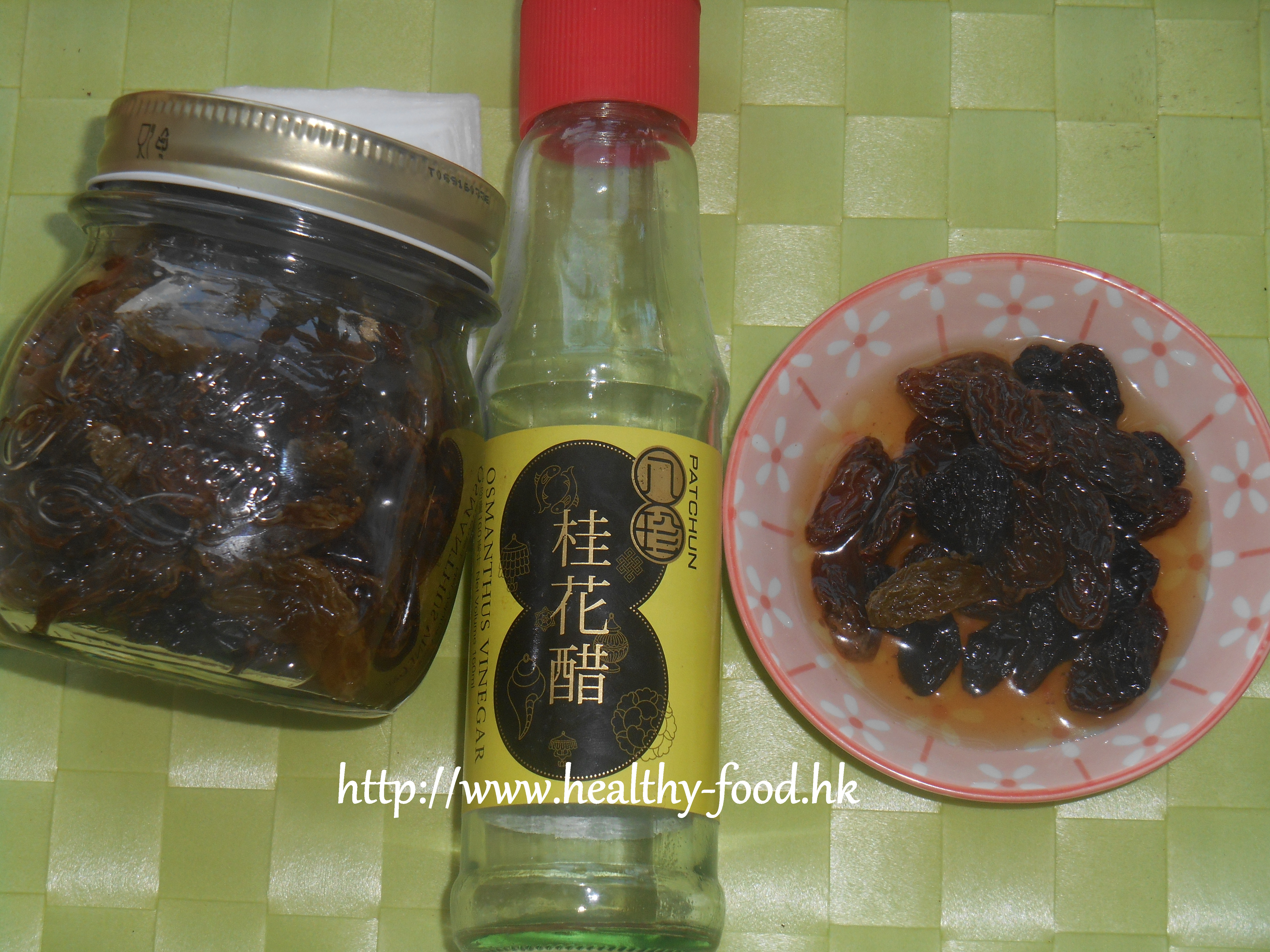
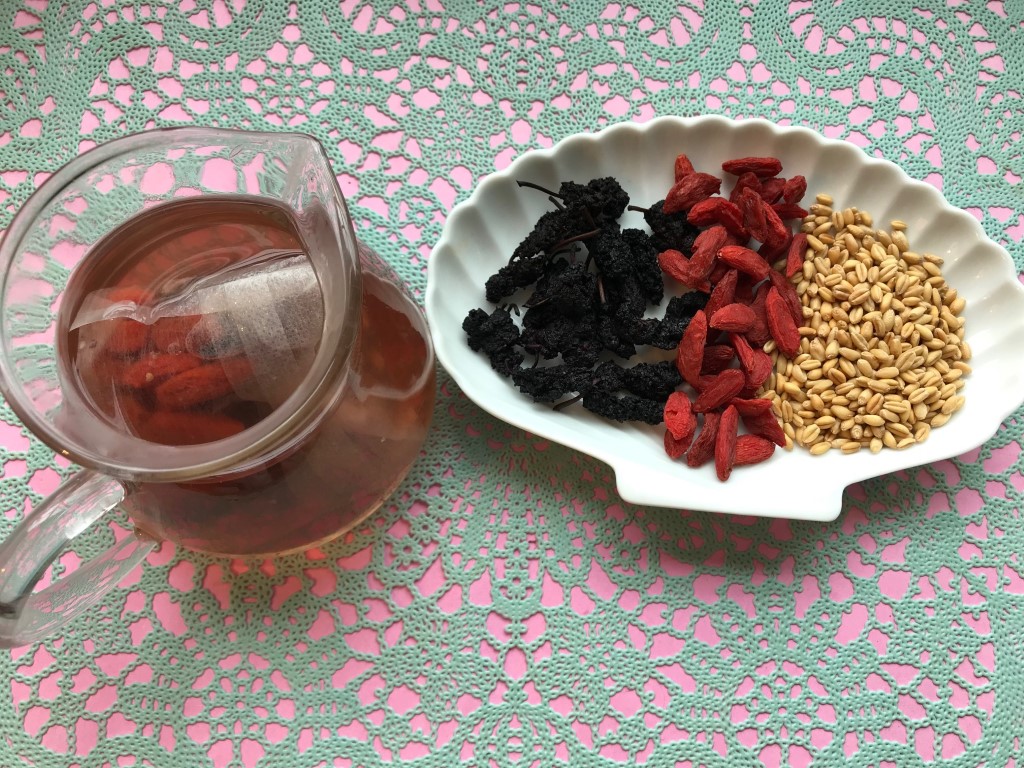
Vinegar-Soaked Dark Raisins
Traditionally associated with nourishing the liver, supporting the body's natural processes, and supporting healthy ageing
In short: Vinegar-Soaked Dark Raisins is a home-style dishe that Traditionally associated with nourishing the liver, supporting the body's natural processes, and supporting healthy ageing. It is most often made for liver wellness, everyday balance. Total time about 480 min.
Why people make this
Nourilo came across a report suggesting that what is often labelled as age-related cognitive decline may in some cases originate from poor liver function rather than directly from the brain. In traditional thinking, when the liver’s capacity is reduced, ‘toxins’ are said to gradually accumulate in the bloodstream and may be associated with mental fogginess, memory lapses, and slow reactions. This led Nourilo to consider what simple daily food could support liver health, and the answer was this humble preparation: dark raisins soaked in rice vinegar.
The science behind it is straightforward: dark grapes and their dried counterparts are rich in polyphenols, particularly anthocyanins (the blue-purple pigments), which are potent antioxidants. These compounds have been extensively studied for their ability to protect liver cells, support circulation, and penetrate the blood-brain barrier to protect neurons. Meanwhile, in Chinese food medicine, vinegar is considered to ‘enter the liver’ (suan ru gan) and is traditionally used to support the liver and healthy metabolism.
Safety first — read before you cook
This is a traditional food, not a treatment. Please check with your doctor or pharmacist before making it a regular part of your diet if you:
- are pregnant or breastfeeding, or are cooking for a young child;
- take regular medicines — especially blood thinners, blood-pressure, diabetes or immune-suppressing drugs;
- have a kidney, liver or heart condition, or a known food allergy.
Stop eating it and seek advice if you notice an allergic reaction or feel unwell. Safety notes reviewed 8 October 2026 · How we write safety notes
Members only
Unlock the full method & Nourilo's tips
One payment, lifetime access to every one of our 2,344 recipes — step-by-step methods, preparation tips and serving notes.
- Full step-by-step method for this and all 2,344 recipes
- Nourilo's Tips — sourcing, substitutions and serving notes
- One-time payment · card, Apple Pay or Google Pay · no subscription, no renewals
Checking your access…
$59.99 one-time · all recipes
Sign in or create a free account, then pay once by card, Apple Pay or Google Pay.
Continue with GoogleBy continuing with Google or email you confirm you are 16 or older and agree to our Terms of Use and Privacy Policy.
$59.99 one-time · all recipes
Signed in as ·
Secure checkout by Stripe. One-time payment, no renewals. Access is linked to your Nourilo account and never expires. By paying you agree to our Terms of Use; you can get a full refund within 14 days (refund policy).


Comments
Join the conversation — sign in or create a free account to comment.
Continue with GoogleBy continuing with Google or email you confirm you are 16 or older and agree to our Terms of Use and Privacy Policy.
Loading comments…