Soups
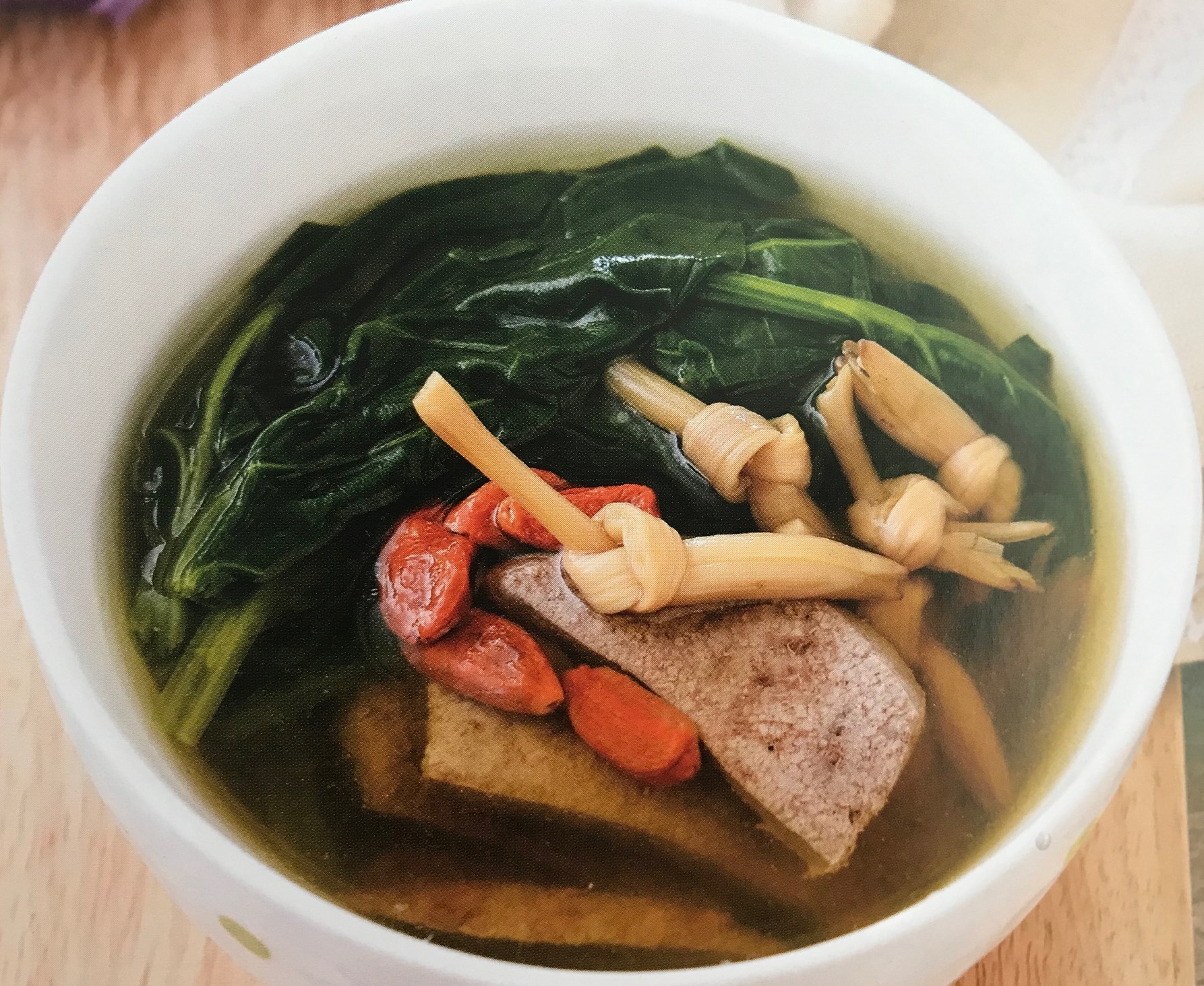
Wolfberry Leaf and Goji Berry Pork Soup
Traditionally used to clear liver heat, support eye health, and ease a persistent sour sensation in the mouth
In short: Wolfberry Leaf and Goji Berry Pork Soup is a soup that Traditionally used to clear liver heat, support eye health, and ease a persistent sour sensation in the mouth. It is most often made for liver wellness, eye wellness, oral & throat comfort. Total time about 45 min. Key ingredients: goji berries, lean pork.
Why people make this soup
If your mouth has a sour or acidic taste without having eaten anything acidic, traditional Chinese medicine would point to the liver meridian as a possible source. This pattern is often accompanied by a sensation of rising stomach qi — an acidic taste drifting up from the stomach toward the throat — along with bloating, mild dizziness, mood changes, easy irritability, and a tendency to belch. The liver is considered the organ most affected by stress and overwork in TCM theory.
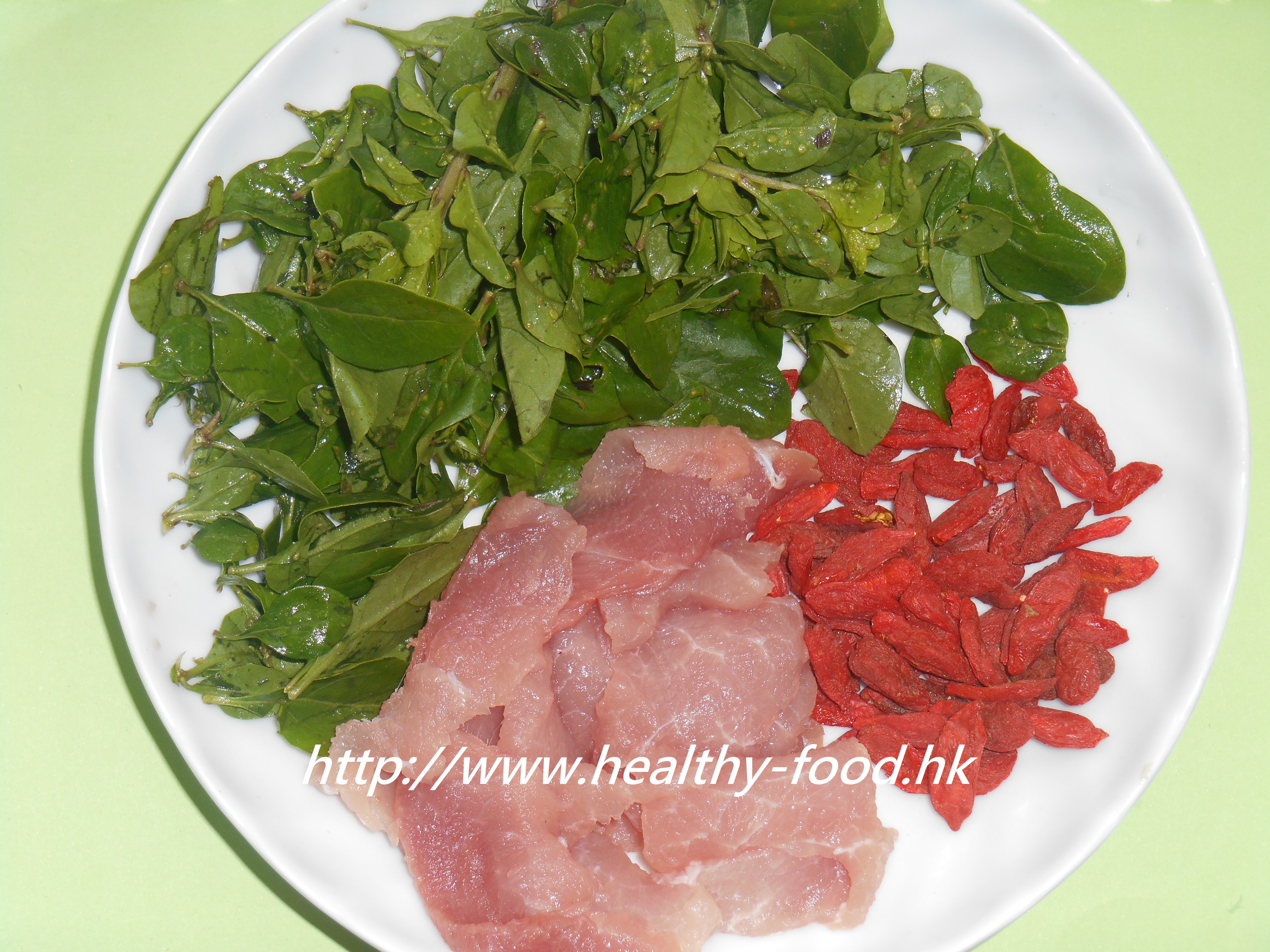
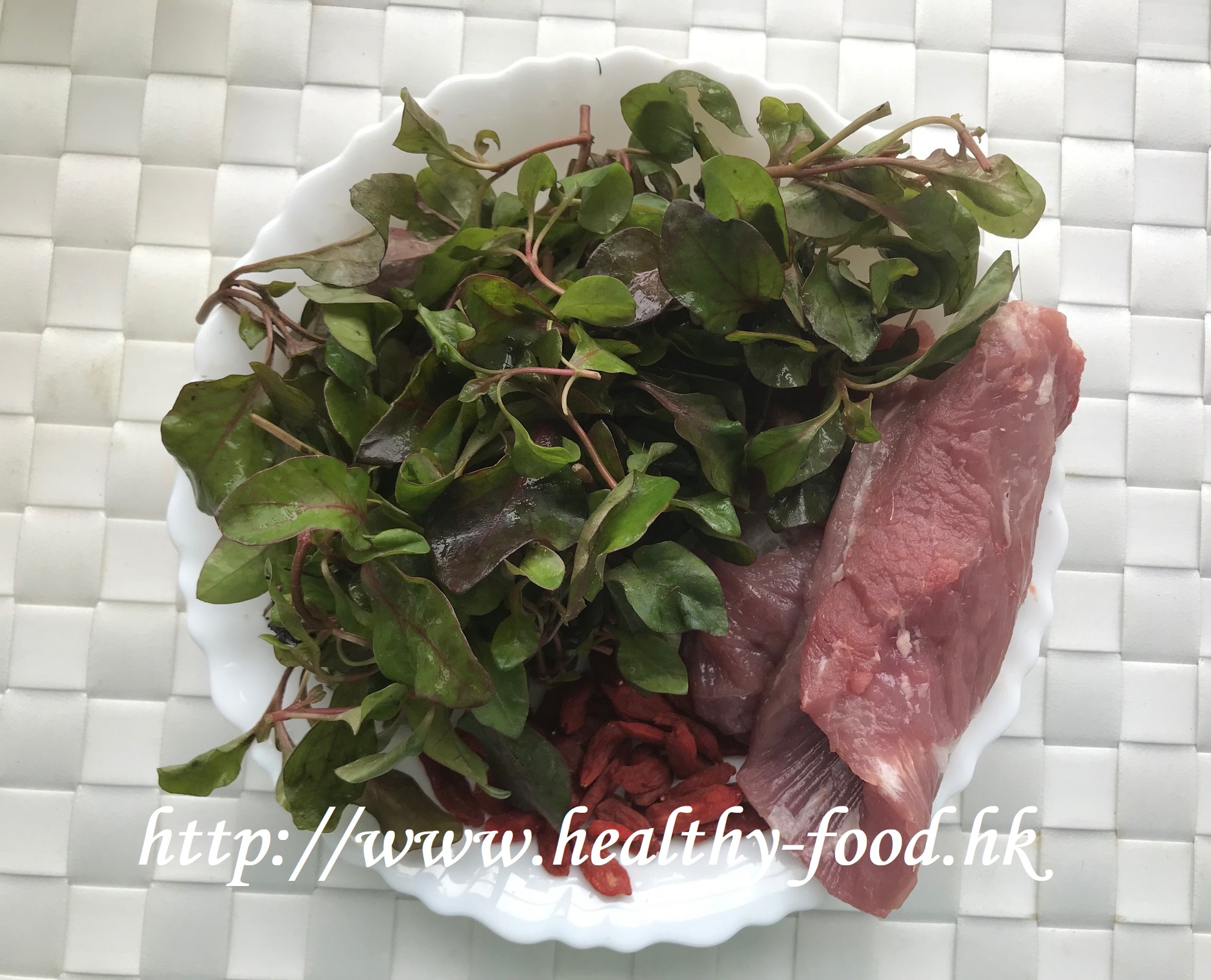
This soup uses the fresh leaves of the wolfberry plant, which in Chinese food therapy are regarded as being even more potent than the berry for clearing liver toxins. Research cited by Nourilo suggests that wolfberry leaves may have liver-protective capacity many times greater than the dried goji berry. The leaves are mild-tasting, slightly sweet, and produce a clean, light soup that is pleasant to drink even for those who are not feeling unwell.
Method
- Strip the wolfberry leaves from their stems. Keep the stems — they will be used to flavour the broth first.
- Rinse the lean pork and cut into thin slices.
- In a pot, bring enough water to cover the pork and wolfberry stems. Add the pork slices and the stripped stems together. Simmer for 15 minutes.
- Remove and discard the stems from the pot.
- Add the goji berries to the pot and simmer for a few minutes.
- Add the wolfberry leaves, bring back to a simmer, and cook for a further 15 minutes.
- Season lightly with salt if desired. Serve warm.
Nourilo’s Tips
Fresh wolfberry leaves are available at Chinese or Asian grocers and herbal medicine shops — look for bright, deep-green young leaves. The stems are not eaten but are worth simmering first: they extract the grassy, herbal essence of the plant into the broth before you remove them. This is a particularly good everyday soup for anyone who spends a lot of time looking at screens — the combination of wolfberry leaves and goji berries is a classic pairing for eye fatigue in Cantonese food therapy. As an alternative to pork, you can use grass carp (grass carp fillet) for a lighter, slightly different flavour.
What studies say about the key ingredients
Traditional use is not the same as clinical proof. Here is the strongest human research we found for each ingredient, limitations included.
- Goji berries
Compared with placebo (n=80), the goji juice group (n=81) reported greater improvements in several self-rated symptoms, including stress, mental acuity, sleep quality and overall well-being, under a random effects model.Limitation: Outcomes were self-reported symptom questionnaires, and several symptoms showed significant heterogeneity across the four pooled trials of a single branded juice.PubMed 22897500 · 3 more goji berries studies
From the Nourilo Research Library. Findings come from specific doses, extracts and populations and may not apply to a home-cooked recipe.
Safety first — read before you cook
This is a traditional food, not a treatment. Please check with your doctor or pharmacist before making it a regular part of your diet if you:
- are pregnant or breastfeeding, or are cooking for a young child;
- take regular medicines — especially blood thinners, blood-pressure, diabetes or immune-suppressing drugs;
- have a kidney, liver or heart condition, or a known food allergy.
Ingredient notes for this recipe
- Goji berries: A few cases of raised INR (a bleeding-risk marker) have been reported in people taking warfarin after drinking concentrated goji tea or wine. If you take a blood thinner, check with your doctor. Source: Memorial Sloan Kettering — Lycium
Stop eating it and seek advice if you notice an allergic reaction or feel unwell. Safety notes reviewed 8 October 2026 · How we write safety notes

Comments
Join the conversation — sign in or create a free account to comment.
Continue with GoogleBy continuing with Google or email you confirm you are 16 or older and agree to our Terms of Use and Privacy Policy.
Loading comments…