Soups
Wild Watercress and Snakehead Fish Soup
traditionally nourishes yin, clears internal heat, and soothes dry throat and joint discomfort
In short: Wild Watercress and Snakehead Fish Soup is a soup that traditionally nourishes yin, clears internal heat, and soothes dry throat and joint discomfort. It is most often made for respiratory & lung wellness, cooling & summer heat, sleep & calm. Total time about 130 min. Key ingredients: ginger, red dates.

Why people make this soup
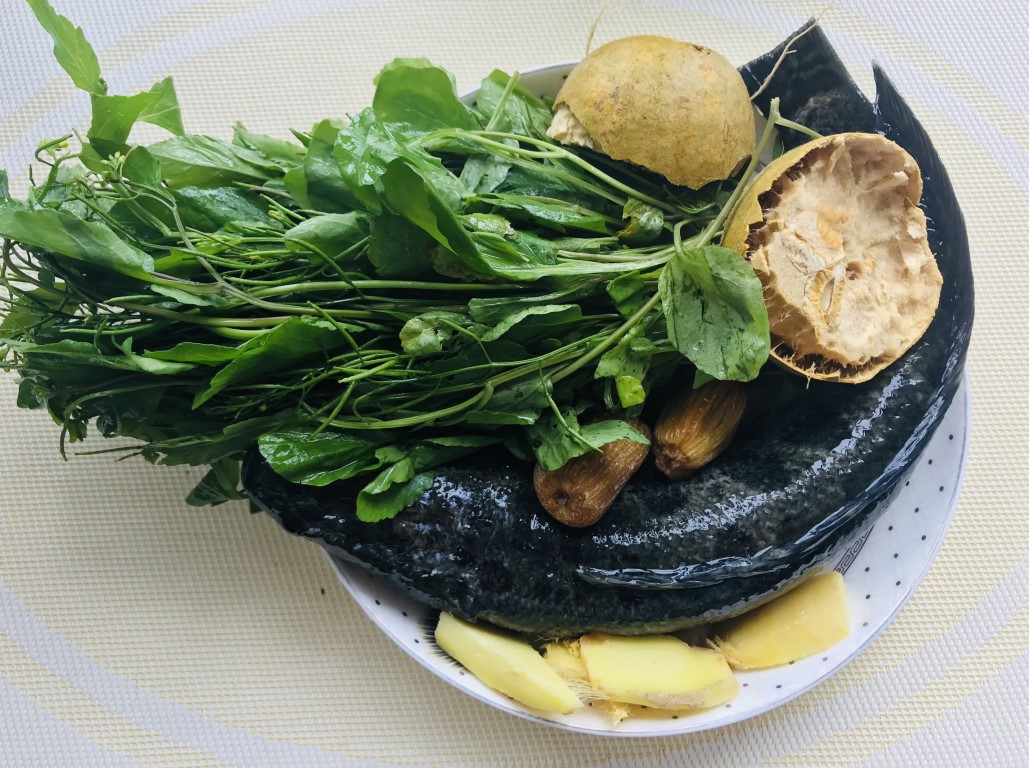
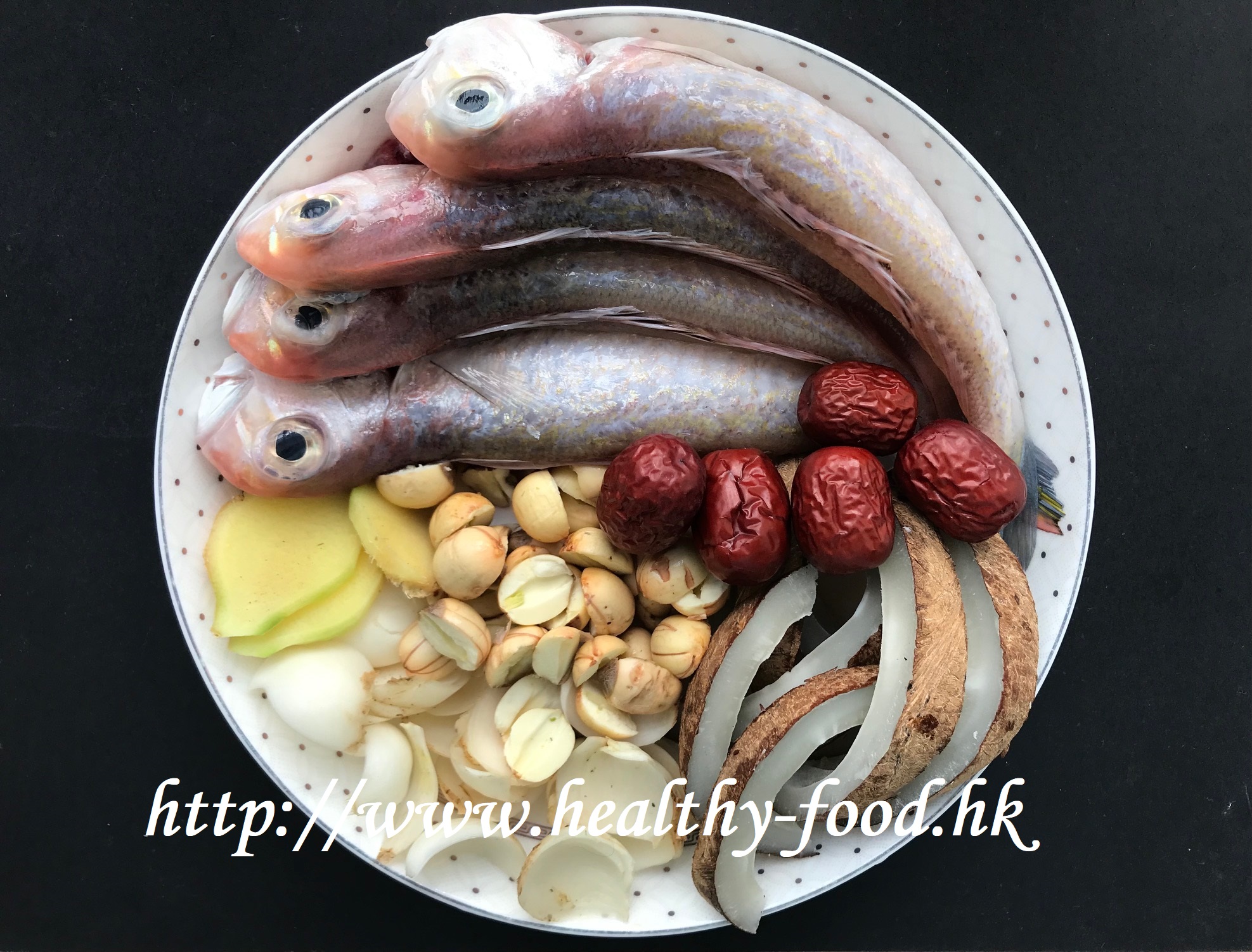
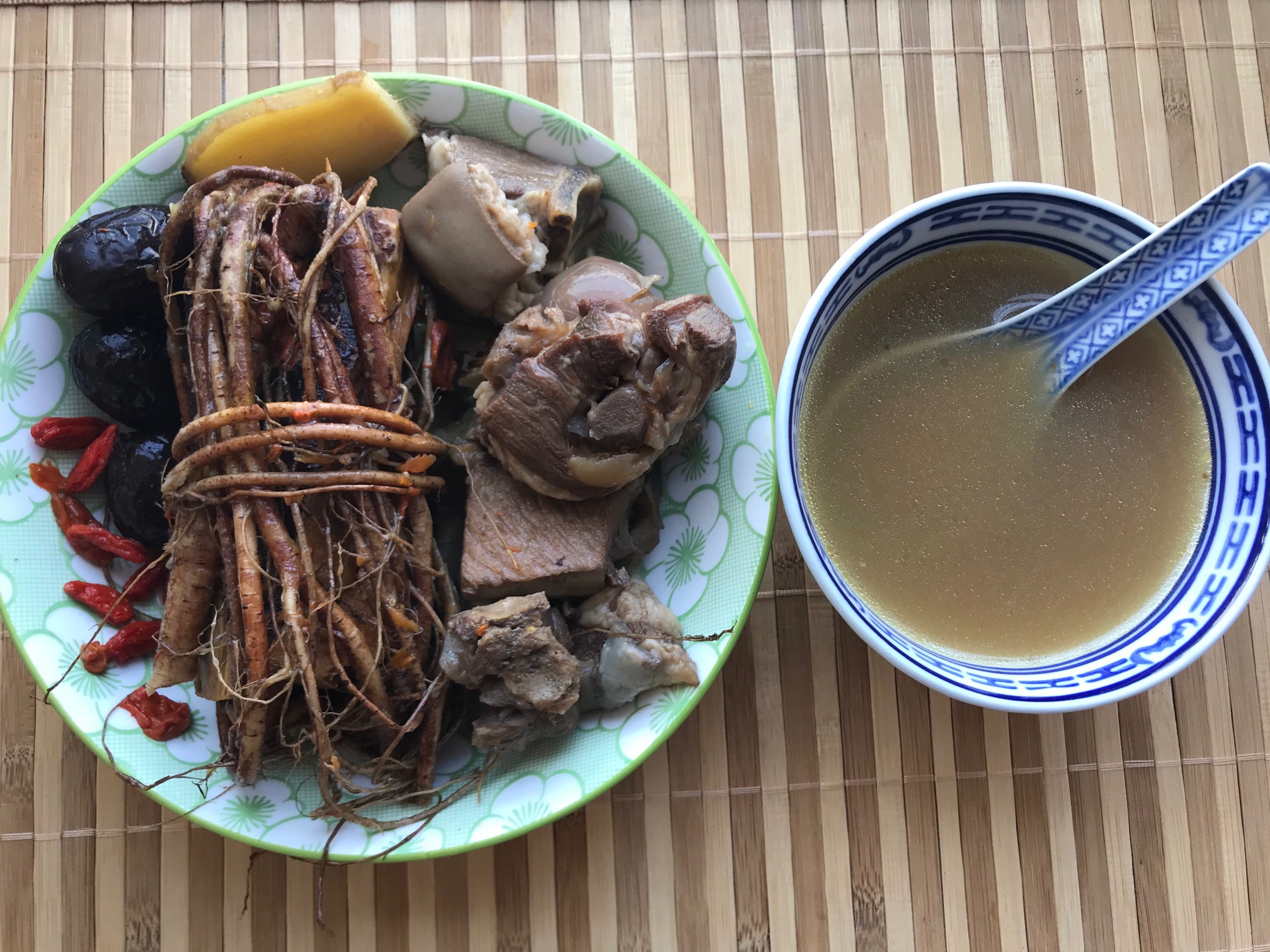
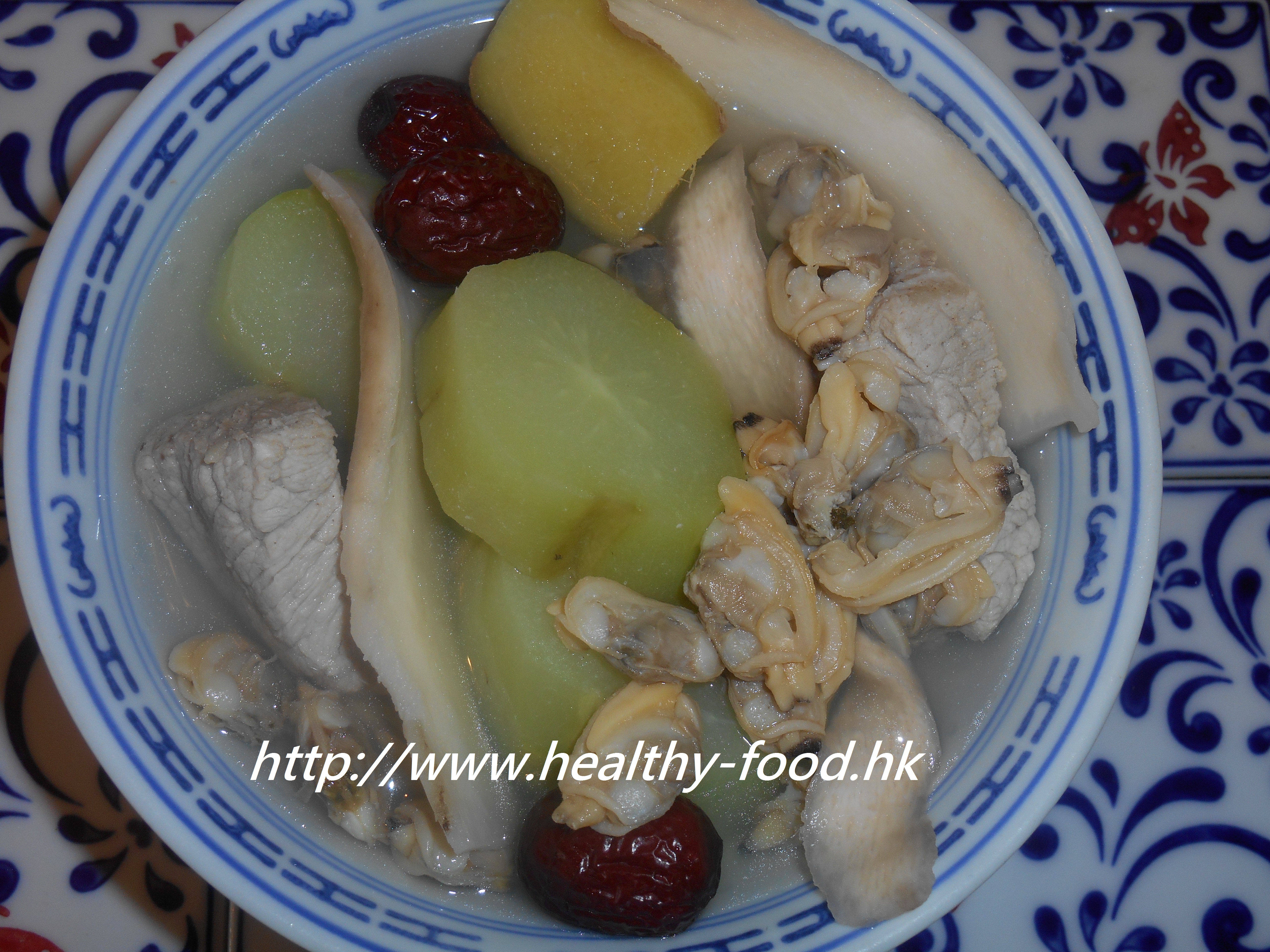
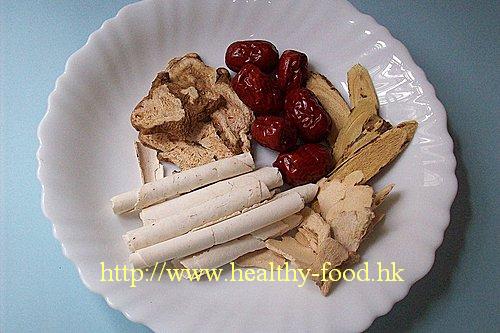
In traditional Chinese medicine, “yin deficiency” refers to a state where the body’s moistening and cooling reserves are depleted — often showing up as a dry mouth, burning feeling in the palms or soles, mild gum bleeding, haemorrhoid flare-ups, or achy joints. This classic Cantonese folk soup is made to address that pattern. Wild watercress (ye ge cai, sometimes called tang ge cai or pond cress) grows along stream banks and is available at Chinese herb shops and some Asian grocers. It has a clean, slightly peppery flavour, and tradition holds that it clears internal heat from the bones and joints. Snakehead fish, pan-fried briefly before going into the pot, gives the soup a rich golden colour and a warming, protein-rich base. Together, the soup is considered especially good as a seasonal autumn drink — when dryness tends to creep in — but is useful year-round.
What studies say about the key ingredients
Traditional use is not the same as clinical proof. Here is the strongest human research we found for each ingredient, limitations included.
- Ginger
Overall, acute and delayed nausea and vomiting did not differ significantly between ginger and control groups. A subgroup taking 1 g/day or less for over four days had less acute vomiting (OR 0.30).Limitation: Clinical heterogeneity between trials required subgroup analyses, and the authors state that sufficiently large, high-quality RCTs are still needed.PubMed 36501010 · 3 more ginger studies - Red dates
Jujube was associated with significantly lower BMI and triglycerides, and lower fasting blood sugar in people with type 2 diabetes. LDL and total cholesterol fell only in some subgroups. HDL, AST and ALT did not change significantly.Limitation: The authors state the overall quality of the evidence is limited, and results varied significantly by dose, treatment duration and disease type.PubMed 40399274 · 3 more red dates studies
From the Nourilo Research Library. Findings come from specific doses, extracts and populations and may not apply to a home-cooked recipe.
Safety first — read before you cook
This is a traditional food, not a treatment. Please check with your doctor or pharmacist before making it a regular part of your diet if you:
- are pregnant or breastfeeding, or are cooking for a young child;
- take regular medicines — especially blood thinners, blood-pressure, diabetes or immune-suppressing drugs;
- have a kidney, liver or heart condition, or a known food allergy.
Stop eating it and seek advice if you notice an allergic reaction or feel unwell. Safety notes reviewed 8 October 2026 · How we write safety notes
Members only
Unlock the full method & Nourilo's tips
One payment, lifetime access to every one of our 2,344 recipes — step-by-step methods, preparation tips and serving notes.
- Full step-by-step method for this and all 2,344 recipes
- Nourilo's Tips — sourcing, substitutions and serving notes
- One-time payment · card, Apple Pay or Google Pay · no subscription, no renewals
Checking your access…
$59.99 one-time · all recipes
Sign in or create a free account, then pay once by card, Apple Pay or Google Pay.
Continue with GoogleBy continuing with Google or email you confirm you are 16 or older and agree to our Terms of Use and Privacy Policy.
$59.99 one-time · all recipes
Signed in as ·
Secure checkout by Stripe. One-time payment, no renewals. Access is linked to your Nourilo account and never expires. By paying you agree to our Terms of Use; you can get a full refund within 14 days (refund policy).
Comments
Join the conversation — sign in or create a free account to comment.
Continue with GoogleBy continuing with Google or email you confirm you are 16 or older and agree to our Terms of Use and Privacy Policy.
Loading comments…