Congee & Porridge
Nourishing Heart-Calming Congee (Yang Xin An Shen Zhou)
Traditionally associated with calming the mind, easing anxiety, and supporting restful sleep
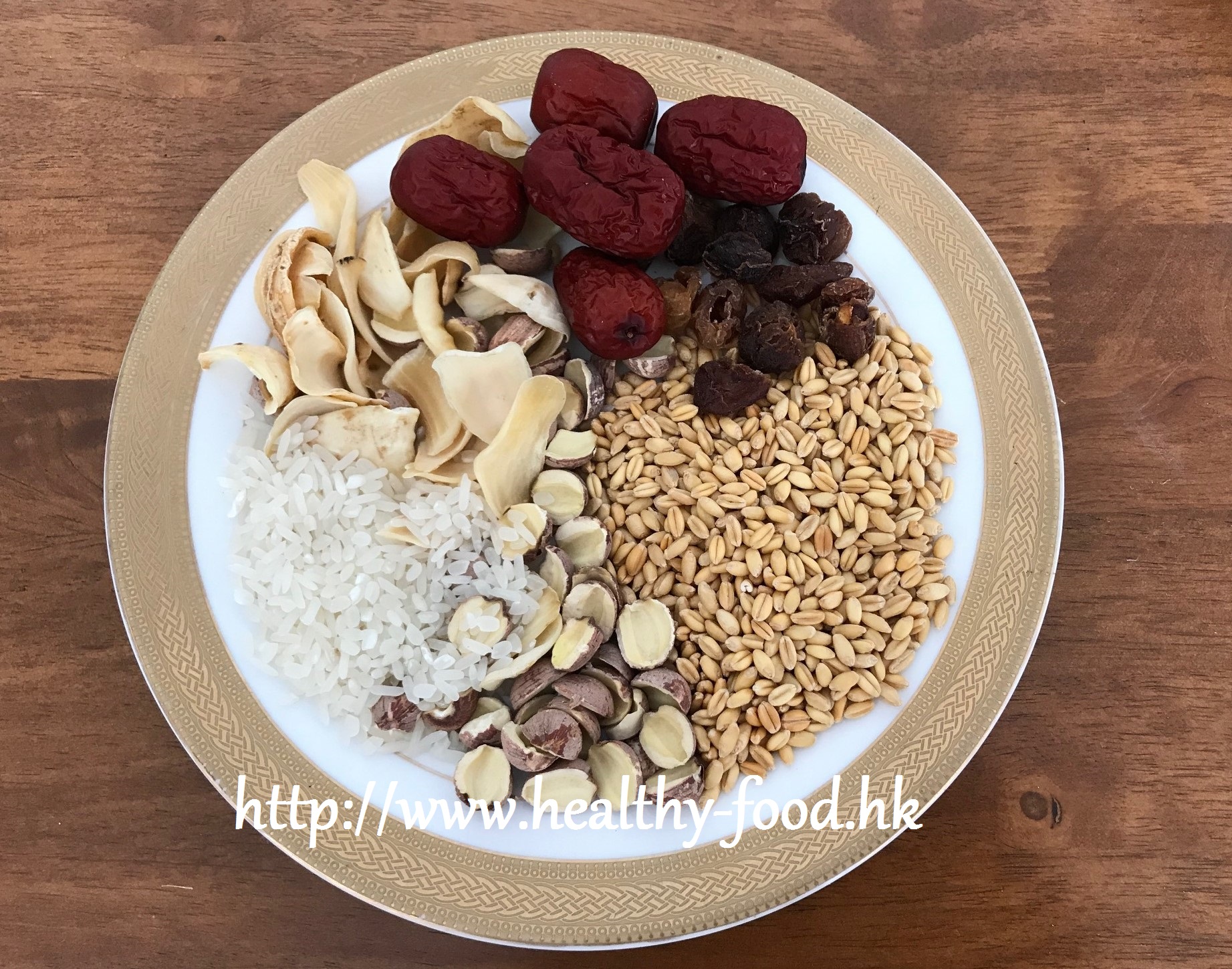
In short: Nourishing Heart-Calming Congee (Yang Xin An Shen Zhou) is a congee & porridge that Traditionally associated with calming the mind, easing anxiety, and supporting restful sleep. It is most often made for sleep & calm, everyday balance. Total time about 1 hr 15 min. Key ingredients: white rice, longan flesh, lily bulb, lotus seeds.
Why people make this congee
Stress, uncertainty, and the pressure of daily life have made poor sleep quality one of the most common modern complaints. This congee is one of the most comforting and practical responses — a bowl of something warm, gently sweet, and assembled from ingredients that traditional Chinese food therapy has used for generations to quiet an overworked mind.
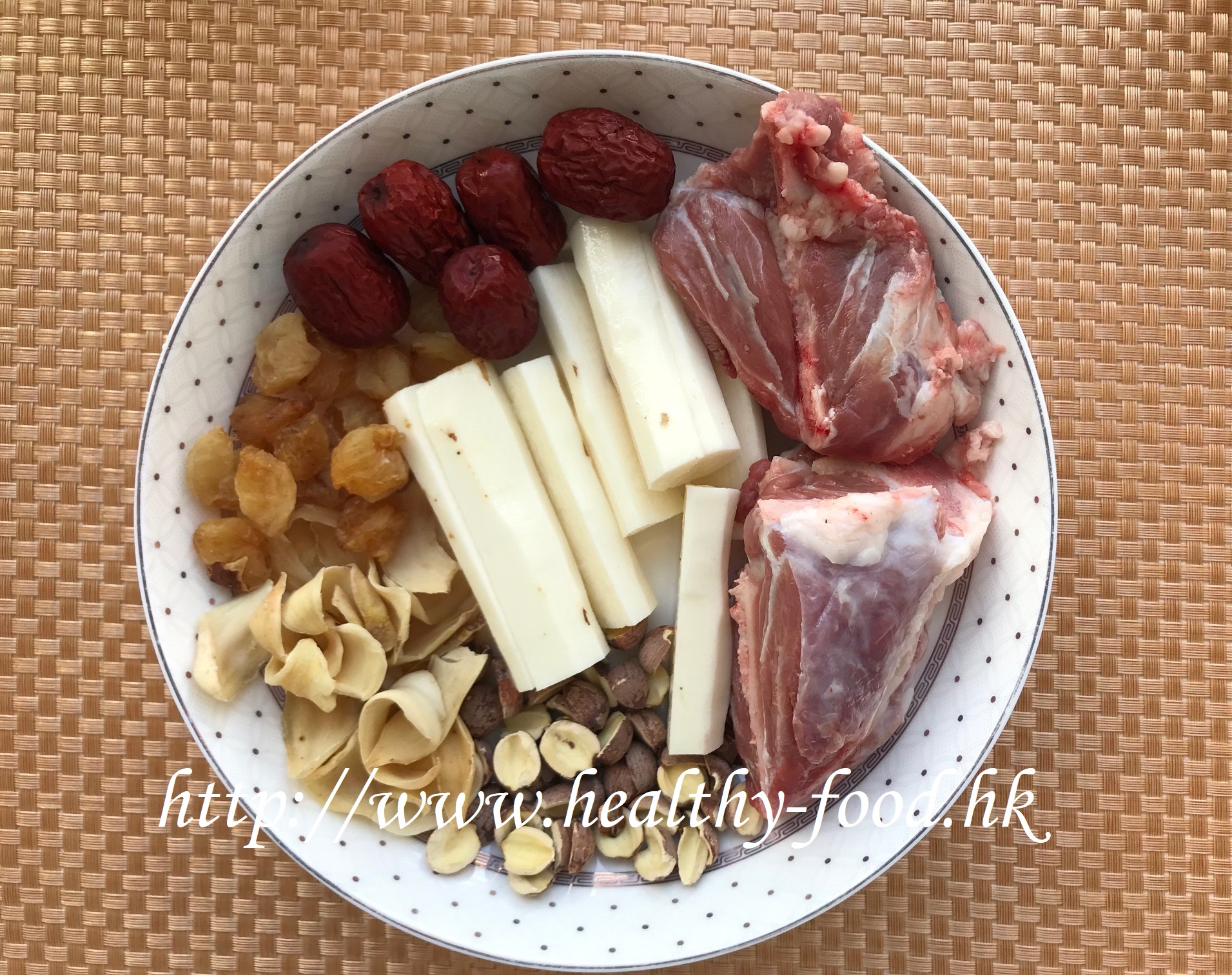
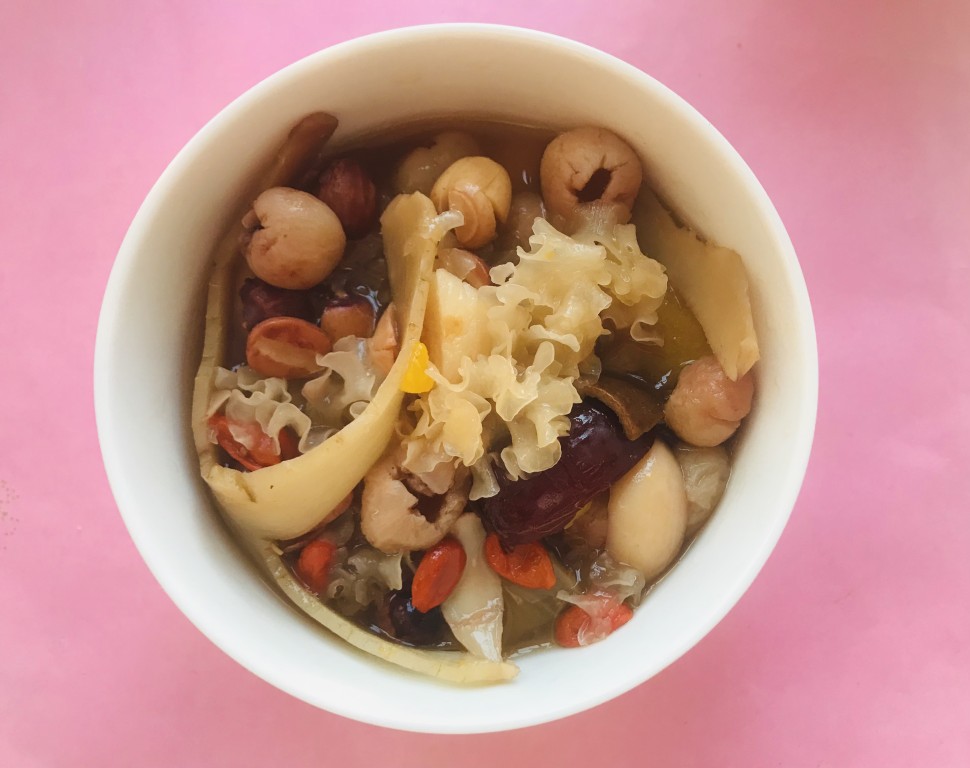
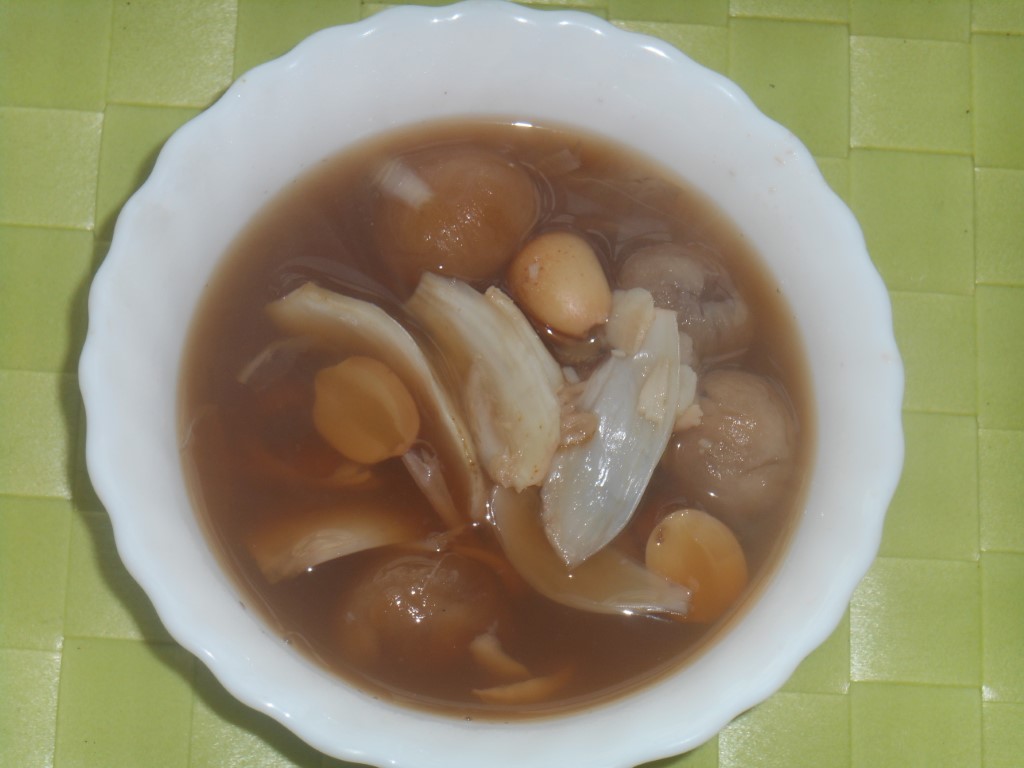
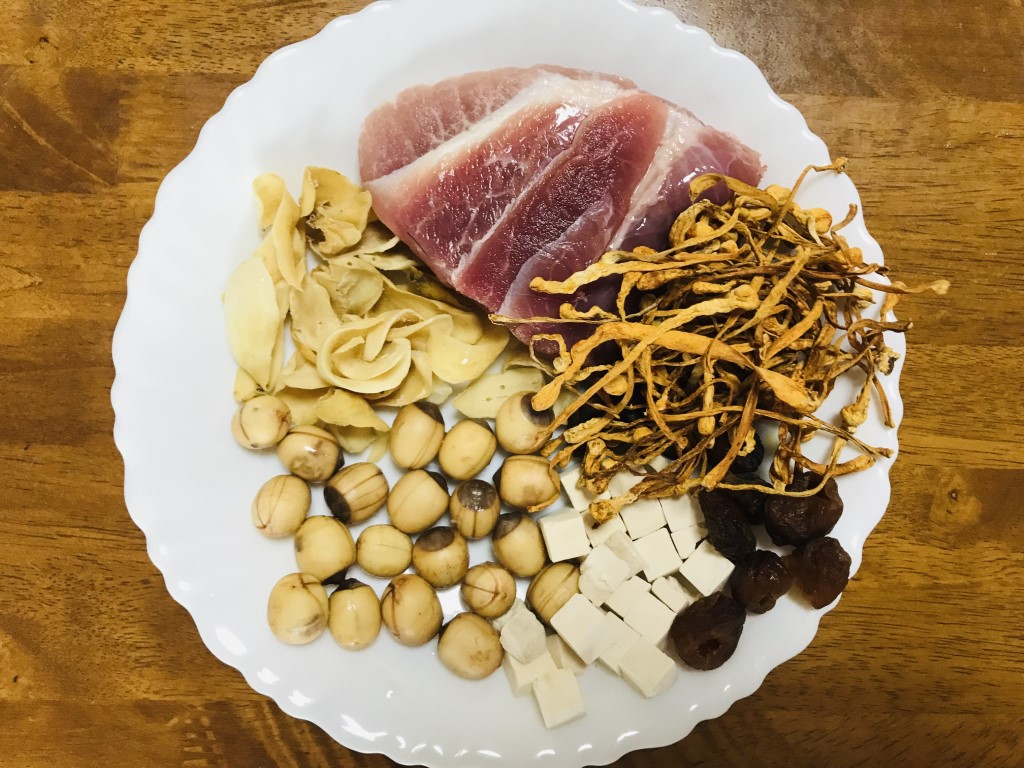
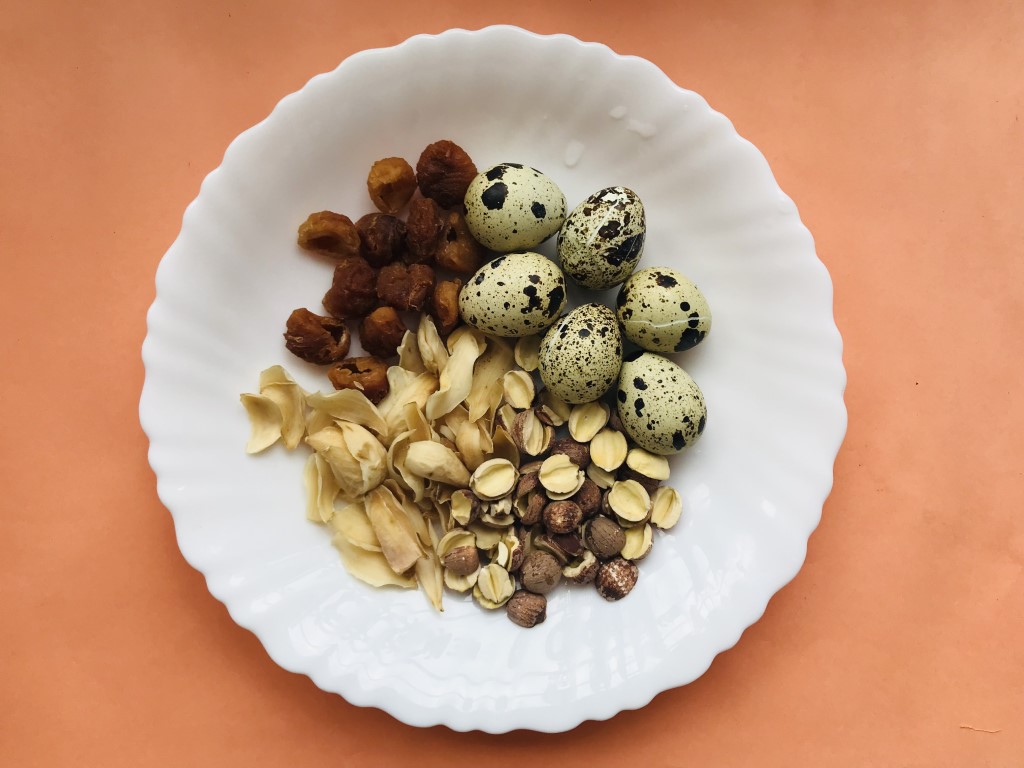
Wheat berries (the whole grain form of wheat, before it is refined into flour) carry a special association in Chinese food therapy with calming the heart and settling mental restlessness — a quality quite distinct from refined white flour. Paired with longan (for blood nourishment and heart-calming sweetness), lily bulb (cooling and sedating), lotus seeds (stabilising and spleen-supporting), and jujube dates (broadly nourishing and grounding), this congee becomes a layered, thoughtful formula rather than just a coincidental collection of comforting foods.
It is suitable for adults and children alike, and Nourilo notes it is particularly helpful for children who grind their teeth at night or are emotionally sensitive and easily stressed.
Method
- Soak the wheat berries in cold water for at least 2 hours (they take longer to cook than white rice, so pre-soaking is important).
- Rinse all other ingredients; pit the jujube dates.
- Combine all ingredients in a pot. Add water at 3 times the volume of the total grains (wheat berries and rice combined).
- Bring to a boil, then reduce heat to low and simmer, stirring occasionally, for about 1 hour until everything is soft and the congee is smooth and thick — yielding about 4 bowls.
- Taste, adjust seasoning if desired (this congee is naturally sweet and usually needs no added sugar), and serve warm.
Nourilo’s Tips
This congee is naturally lightly sweet from the longan and dates — most people will not need to add sugar. It is mild enough for daily eating and suitable for the whole family. If you cannot find wheat berries, Nourilo says you can add millet (xiao mi) instead — though the wheat berry’s specific heart-calming association in traditional food therapy makes it worth seeking out. In Canada and elsewhere, wheat berries/wheat groats are typically available at health food stores. Pregnant women should replace longan with poria with heart (fu shen, 19 g). For children who grind their teeth at night, this congee can make a real difference when eaten regularly.
What studies say about the key ingredients
Traditional use is not the same as clinical proof. Here is the strongest human research we found for each ingredient, limitations included.
- Lotus seeds
Lotus seed meals had a low glycemic index (GI 21–51 across the lotus seed and adzuki bean meals), while several other starchy foods did not differ significantly from rice. Lotus seed's in vitro hydrolysis index was also lower than that of other test foods.Limitation: Only ten healthy participants and acute single-meal tests, so findings may not apply to people with diabetes or to long-term intake.PubMed 30875961 - Red dates
Jujube was associated with significantly lower BMI and triglycerides, and lower fasting blood sugar in people with type 2 diabetes. LDL and total cholesterol fell only in some subgroups. HDL, AST and ALT did not change significantly.Limitation: The authors state the overall quality of the evidence is limited, and results varied significantly by dose, treatment duration and disease type.PubMed 40399274 · 3 more red dates studies
From the Nourilo Research Library. Findings come from specific doses, extracts and populations and may not apply to a home-cooked recipe.
Safety first — read before you cook
This is a traditional food, not a treatment. Please check with your doctor or pharmacist before making it a regular part of your diet if you:
- are pregnant or breastfeeding, or are cooking for a young child;
- take regular medicines — especially blood thinners, blood-pressure, diabetes or immune-suppressing drugs;
- have a kidney, liver or heart condition, or a known food allergy.
Stop eating it and seek advice if you notice an allergic reaction or feel unwell. Safety notes reviewed 8 October 2026 · How we write safety notes
Comments
Join the conversation — sign in or create a free account to comment.
Continue with GoogleBy continuing with Google or email you confirm you are 16 or older and agree to our Terms of Use and Privacy Policy.
Loading comments…