Soups
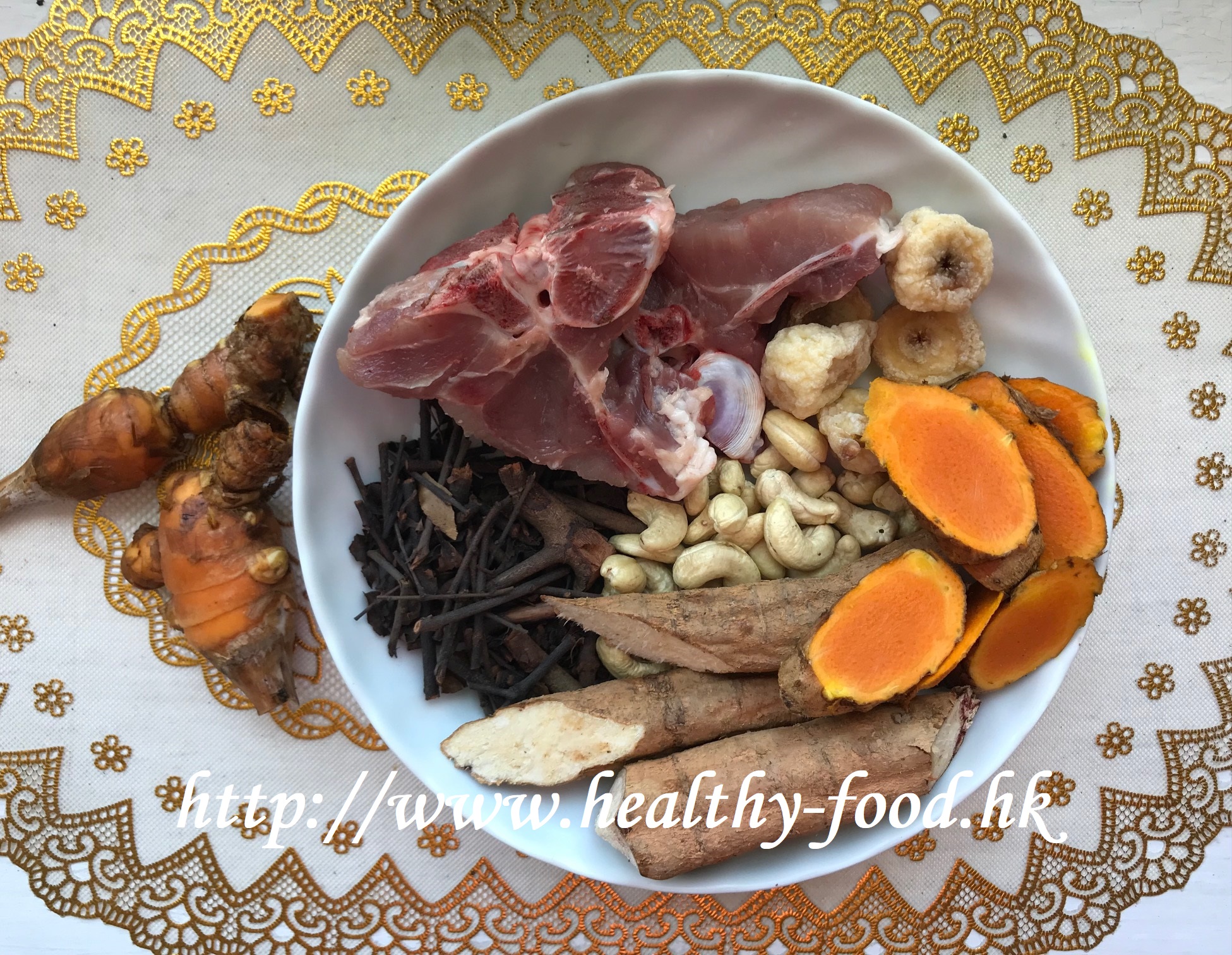
Turmeric, Fresh Millettia Root, Loranthus Mistletoe and Pork Rib Soup
traditionally used to ease rheumatic joint pain, reduce inflammation, and support bone health
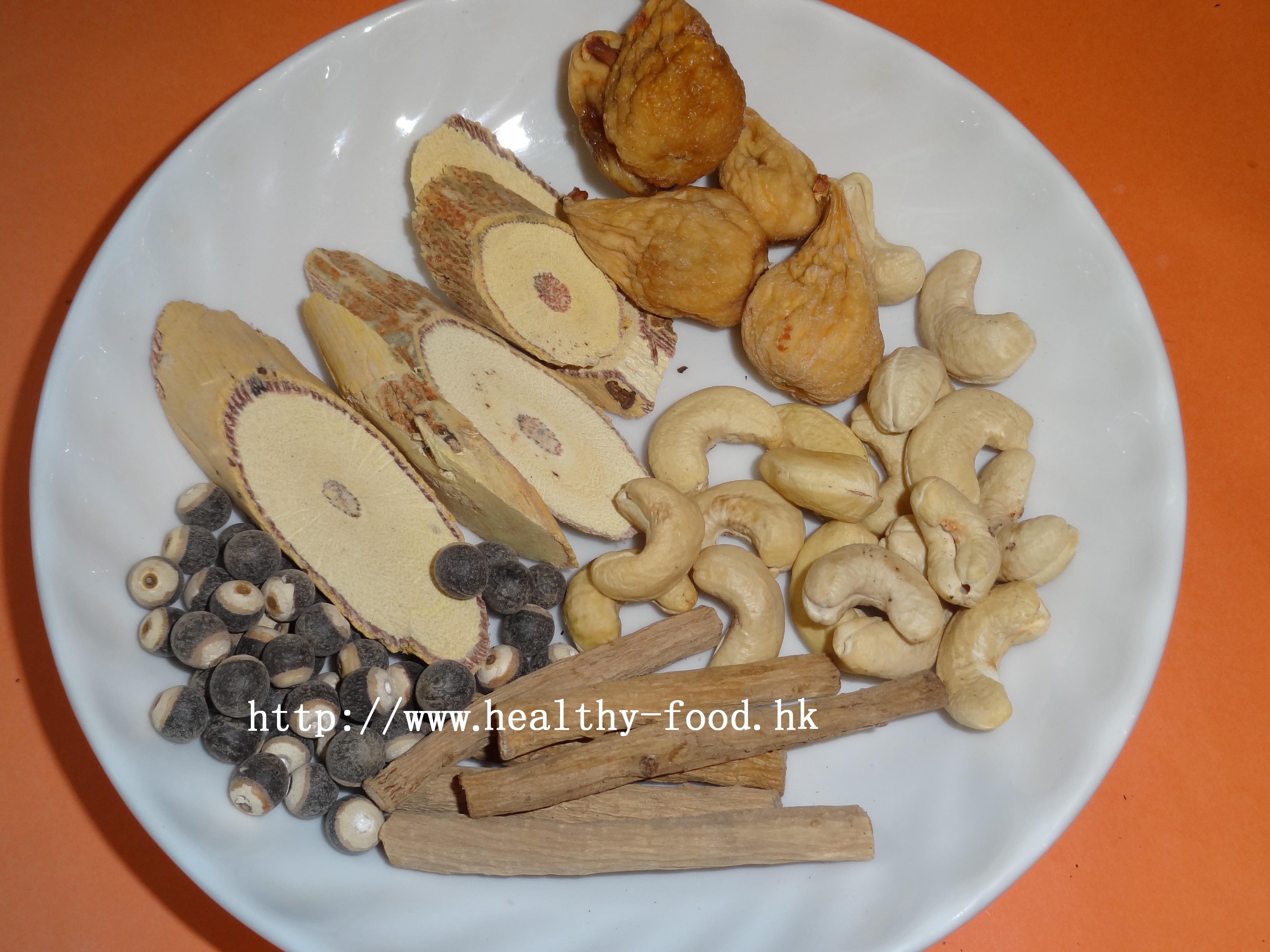
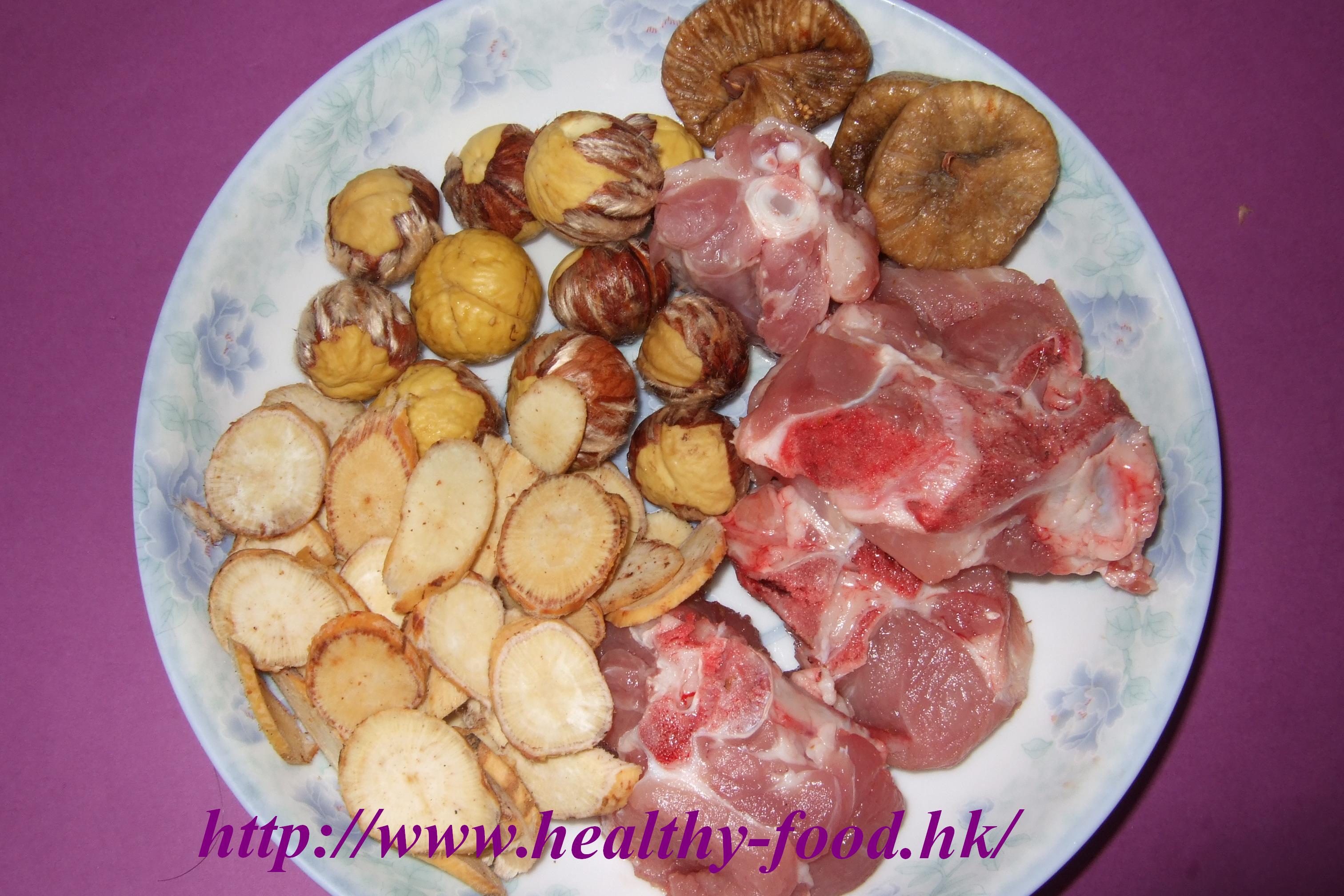
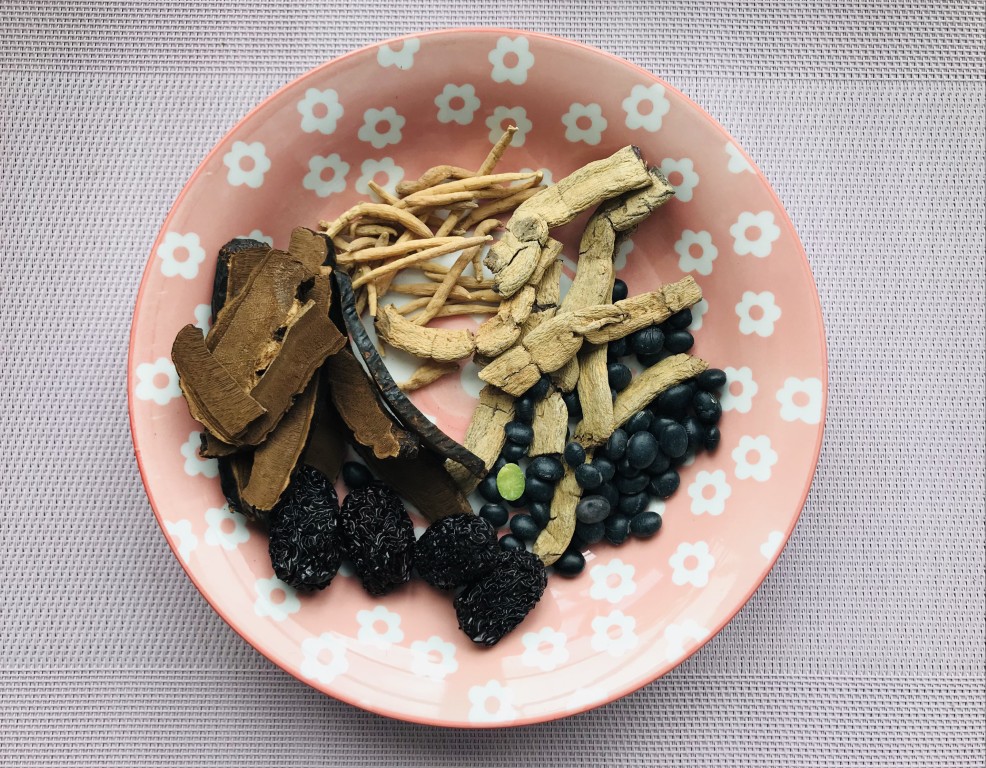
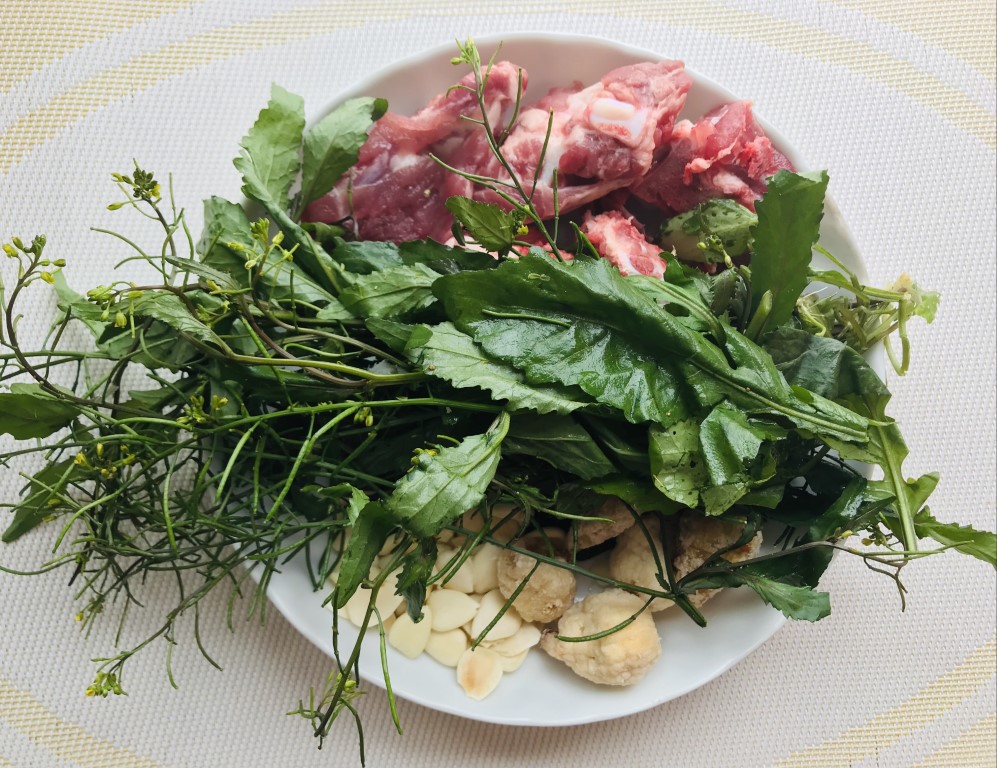
In short: Turmeric, Fresh Millettia Root, Loranthus Mistletoe and Pork Rib Soup is a soup that traditionally used to ease rheumatic joint pain, reduce inflammation, and support bone health. It is most often made for bone & joint wellness. Total time about 135 min. Key ingredients: cashews, figs, pork spare ribs.
Why people make this soup
Turmeric — better known in the West as a spice and for its active compound curcumin — has been used in Chinese and Ayurvedic medicine for centuries for its anti-inflammatory properties. Modern research has increasingly supported what traditional practitioners have long observed: turmeric appears to inhibit inflammatory pathways, which helps explain its traditional use for rheumatic and arthritic pain, nerve pain, and joint inflammation.
Combined with millettia root (niu da li, a root used in Guangdong folk medicine to strengthen sinews, tendons, and joints) and loranthus mistletoe (sang ji sheng, a classic herb for the kidneys, liver, and joints), this soup becomes a genuinely useful preparation for those dealing with achy, stiff joints in colder weather.
Method
- Scrub the turmeric root clean under running water; there is no need to peel. Slice into rounds.
- Rinse the fresh millettia root and cut into sections. (If using dried, soak briefly and cut.)
- Soak the loranthus mistletoe in cold water for 10 minutes, then drain and rinse.
- Blanch the pork ribs in boiling water for 2–3 minutes; drain and rinse.
- Combine all ingredients in a pot with 2.4–2.7 L of water. Bring to a boil, then reduce to a simmer.
- Cook for 2 hours until the soup reduces to about 1.2 L.
- Serve warm. Drink the broth and eat the soft ingredients.
Nourilo’s Tips
This soup has a mild herbal flavour — noticeable but not unpleasant. It is particularly good during cold or damp weather when joints tend to ache more. Fresh millettia root (niu da li) can be found at Chinese or Asian grocers and herbal medicine shops; if unavailable fresh, use 38 g of the dried version. Pregnant women: please substitute fresh ginger for the turmeric — the remaining ingredients are fine to use.
What studies say about the key ingredients
Traditional use is not the same as clinical proof. Here is the strongest human research we found for each ingredient, limitations included.
- Mulberries
Post-prandial self-monitored glucose was lower than placebo (18.2%), but A1C did not differ between mulberry leaf extract and placebo. Serum creatinine rose about 15% in the extract group.Limitation: Small pilot: only 17 of 24 enrolled participants completed the study, limiting statistical power.PubMed 28619294 · 3 more mulberries studies
From the Nourilo Research Library. Findings come from specific doses, extracts and populations and may not apply to a home-cooked recipe.
Safety first — read before you cook
This is a traditional food, not a treatment. Please check with your doctor or pharmacist before making it a regular part of your diet if you:
- are pregnant or breastfeeding, or are cooking for a young child;
- take regular medicines — especially blood thinners, blood-pressure, diabetes or immune-suppressing drugs;
- have a kidney, liver or heart condition, or a known food allergy.
Stop eating it and seek advice if you notice an allergic reaction or feel unwell. Safety notes reviewed 8 October 2026 · How we write safety notes
Comments
Join the conversation — sign in or create a free account to comment.
Continue with GoogleBy continuing with Google or email you confirm you are 16 or older and agree to our Terms of Use and Privacy Policy.
Loading comments…